A revolutionary weight‑loss drug sweeps through South Park, promising dramatic results and stirring the whole town. When Cartman is blocked from receiving the life‑changing prescription, the other kids band together to fight the system and uncover the drug’s wider consequences.
Find where to stream, rent, or buy South Park: The End of Obesity (2024) in the US with current JustWatch availability, up-to-date pricing, and platform listings for subscription, rental, and digital purchase options.
Warning: spoilers below!
Haven’t seen South Park: The End of Obesity yet? This summary contains major spoilers. Bookmark the page, watch the movie, and come back for the full breakdown. If you're ready, scroll on and relive the story!
Read the complete plot breakdown of South Park: The End of Obesity (2024), including all key story events, major twists, and the ending explained in detail. Discover what really happened, and what it all means.
A doctor warns fourth grader Eric Cartman and his mother, Liane, that his obesity poses serious health risks. When she explains that traditional methods like diet and exercise haven't worked, the doctor suggests trying a diabetes medication called semaglutide, which has been shown to assist in weight loss. This recommendation sparks Cartman’s imagination, leading him to daydream about being able to mock others freely without being teased about his weight, even fantasizing about traveling to Pakistan to continue this behavior. However, the reality hits hard when they find out that insurance companies only cover the drug for medical conditions like diabetes, and the cost is prohibitively expensive for Liane.
In response, the doctor advises Cartman to listen to Lizzo, a pop artist known for promoting body positivity, in hopes of boosting his self-esteem. This leaves Cartman feeling down in the dumps, prompting his friends—Butters Stotch and Kyle Broflovski—to accompany him to an insurance company office. There, they encounter a gloomy claims officer, highlighting the often frustrating and convoluted bureaucracy of the American healthcare system.
Determined to find a way, they learn that the raw semaglutide powder is available cheaply from a factory in India. Their plan is bold: they decide to purchase the powder directly, mix it with biostatic water bought locally, and use it themselves. Over time, more friends join in on this scheme, including Stan Marsh and Kenny McCormick.
Meanwhile, Randy Marsh observes local moms flaunting their recently toned midriffs, many of whom are wearing crop-tops as a result of losing weight with semaglutide. Inspired and slightly jealous, Randy himself begins taking the drug, thinking it’s some kind of party drug that eliminates both hunger and hangovers. However, this new behavior causes his wife, Sharon, to feel self-conscious about her weight. She begins using Lizzo’s music to boost her confidence, but her side effects are bizarre—she ends up defecating from her ears. The doctor then diagnoses her with "diabeardes," a fictional form of diabetes affecting the ears, which makes her eligible for semaglutide prescriptions as well.
As Cartman's homemade semaglutide seems effective in suppressing his appetite, Kyle becomes concerned about the potential dangers of unregulated drug production. He takes steps to produce more of the medication to help those who can't afford it, but their activities attract the ire of a sugar industry cartel—represented by animated mascots of breakfast cereals and candy brands. Their illicit operations quickly spiral out of control, especially when a government crackdown on semaglutide abuse leaves many mothers, who rely on the drug, desperate and turning to theft—robbing pharmacies and even Kyle and his friends. Their illicit supply gets destroyed when the sugary mascots, posing as "body positivity activists," attack the Indian factory, murdering workers and burning down the building in a fiery riot.
In a desperate bid, Kyle tracks down another supplier in North Carolina and purchases a large shipment of semaglutide powder. However, this shipment is hijacked by Randy and the mothers, who want to hoard the drug for themselves. A high-octane chase ensues, involving Kyle and the boys, as well as the mascots. During the chaos, Kenny is tragically killed by Tony the Tiger after a confrontation on the moving truck. Despite the chaos, Randy and the kids manage to escape, only to discover that their only cargo inside the truck is actually an insurance claims agent, revealing that the ongoing corruption involves the insurance company collaborating with the drug supplier—a tangled web of systemic exploitation.
As Sharon prepares to get her first injection, Randy admits that he's been using semaglutide himself. Touched by her understanding and support, he realizes how much he loves her and that she is "the coolest woman he knows." Instead of continuing with the drug, Randy decides to ditch semaglutide's supposed benefits and suggests they indulge in MDMA together, recalling their college days at a Holiday Inn.
Back in school, Kyle makes a heartfelt speech advocating for the end of fat-shaming, which receives widespread approval. Inspired by this, Cartman finds liberation in his newfound freedom from mockery—his weight no longer a reason for ridicule—prompting him to insult everyone else unabashedly and even book a flight to Pakistan to continue his antics.
> "It’s about time we stop judging each other by our size."
This episode blends satirical humor, social commentary, and fantastical elements to explore issues surrounding body image, healthcare censorship, and the absurdity of diet culture—all through the chaotic misadventures of the boys and the town of South Park.
Last updated: August 19, 2025 at 05:15
Explore frequently asked questions about South Park: The End of Obesity (2024) with spoiler-rich answers covering the full plot summary, major story beats, character motivations, hidden details, and ending meaning. This movie summary FAQ helps explain confusing scenes, plot twists, and narrative decisions in clear, searchable detail.
Cartman is denied the drug because insurance companies only cover semaglutide for medical conditions like diabetes, not for weight loss alone. Since Cartman doesn't have diabetes, his mother Liane would have to pay the prohibitively expensive retail price, which she cannot afford.
After learning that the raw semaglutide powder can be purchased cheaply from a factory in India, the kids decide to buy it and mix it with biostatic water locally. This allows them to bypass the expensive pharmaceutical system and produce the drug at a fraction of the cost.
The insurance company's refusal to cover Cartman's medication earlier sets the stage for this illegal workaround.
Diabeardes is a fictional condition invented in the movie where diabetes affects the ears, causing bizarre side effects like constipation from the ears. Sharon develops this condition after listening to Lizzo's music for body positivity, which the doctor diagnoses as a legitimate medical condition making her eligible for semaglutide prescriptions.
Kenny is killed during the chaotic truck chase when he's confronted by Tony the Tiger, the animated mascot representing the sugar industry cartel. During the high-speed pursuit, Tony the Tiger attacks Kenny, resulting in his death.
Randy initially joins the local mothers in hijacking the semaglutide shipment because he wants to hoard the drug for himself. However, during the chaos, he realizes the theft is wrong and decides to steal it back from the mothers, leading to the high-speed chase with the kids.
Randy's earlier jealousy over the mothers' weight loss and his secret use of the drug foreshadow his desperate attempt to obtain more.
When the group opens the hijacked truck, they discover only an insurance claims agent inside, who reveals that the insurance company has been collaborating with the drug supplier. This corruption means the entire healthcare system is working together to control access to semaglutide.
After losing weight and feeling liberated from mockery about his body, Cartman decides to travel to Pakistan so he can freely insult and mock others without facing any consequences or being teased about his weight himself. His fantasy from earlier in the movie becomes reality.
Earlier, Cartman fantasizes about traveling to Pakistan to continue insulting people after losing weight, which directly foreshadows this moment.
After Randy confesses to Sharon that he's been taking semaglutide, she responds with understanding and support. Touched by her compassion, Randy abandons the drug and instead suggests they take MDMA together at a Holiday Inn, recalling their college days together.
The sugar industry cartel, represented by animated breakfast cereal and candy mascots, attacks the Indian factory in retaliation for Kyle and the kids producing cheap semaglutide. The mascots pose as body positivity activists while murdering workers and burning down the building to destroy the competition.
Kyle's expansion of semaglutide production to help others attracts the ire of the sugar industry cartel.
Kyle delivers a heartfelt speech at school advocating for the end of fat-shaming, which receives widespread approval from the community. This represents the movie's hopeful message about body positivity, though it's undercut by Cartman's selfish celebration.
Kyle's earlier activism and speech about ending fat-shaming set up this final moment of community solidarity.
Still wondering what the ending of South Park: The End of Obesity (2024) really means? Here’s a spoiler-heavy breakdown of the final scene, major twists, and the deeper themes that shape the film’s conclusion.
The boys finally track down the truck that is supposed to deliver the coveted semaglutide pills, racing through South Park while a horde of sugary‑cereal mascots tries to destroy the shipment. In the chaos Kyle, Stan, Kenny, Butters, Cartman and Randy manage to out‑maneuver the moms who have been stealing the drugs, only to watch Tony the Tiger yank Kenny from the vehicle and fling him into a windshield, ending the long‑running gag with Kenny’s first death in years.
When the van is finally opened, the expected vial of weight‑loss medication is nowhere to be found. Instead, a frail receptionist from the town’s health‑insurance office steps out, smugly reminding them that any access to the drugs would require them to confront the same endless red tape they have just tried to bypass. The delivery was a ruse, and Cartman’s chance to shed his bulk evaporates.
In the aftermath, Kyle delivers a heartfelt speech, declaring that the town will stop mocking anyone’s size because weight is shaped by factors far beyond personal willpower—poverty, education, stress, and a broken health‑care system. The moment reveals Cartman’s true motive: he never wanted to lose weight for his own health; he only wanted the change as a pretext to continue insulting Wendy, Kyle’s faith and even entire nations without backlash. With the boys’ frantic efforts exposed as futile, the special ends on a bleak note about the inaccessibility of affordable medicine, while simultaneously urging a little more kindness toward all bodies.
Last updated: February 09, 2026 at 14:31
Discover curated groups of movies connected by mood, themes, and story style. Browse collections built around emotion, atmosphere, and narrative focus to easily find films that match what you feel like watching right now.
Fast-paced satires where systemic absurdity drives characters to the brink.If you enjoyed the frantic, cynical takedown of systems in South Park: The End of Obesity, you'll find similar movies here. These fast-paced satires use absurd plots to critique corporate greed, bureaucracy, and social trends, blending dark humor with high-energy chaos.
The narrative typically follows a disruptive event or innovation that throws a community or society into chaos. Characters, often ordinary people pushed to extremes, navigate a labyrinth of bureaucratic hurdles and corporate conspiracies, leading to criminal schemes and confrontations that expose the underlying rot in the system.
These movies are grouped by their shared approach to satire: a darkly comedic tone, fast pacing that mirrors the frantic subject matter, and complex plots that weave together multiple perspectives on a central societal flaw. They deliver their commentary through high-intensity, often absurd, situations.
Stories where characters' morally questionable quests lead to ambiguous victories.Fans of the morally complex journey in South Park: The End of Obesity will appreciate these stories. They follow characters on darkly funny quests with ethically ambiguous methods, resulting in bittersweet endings that are more thought-provoking than purely triumphant.
The plot revolves around a protagonist's single-minded pursuit of a goal, often for selfish or flawed reasons. Their path is littered with moral compromises, satirical observations on human nature, and unintended consequences. The resolution is typically bittersweet: the immediate goal might be achieved, but at a cost that undermines the victory or highlights the futility of the entire endeavor.
These films share a specific emotional arc: they mix dark comedy with a narrative structure that allows a likable or relatable character to make increasingly dubious choices. The tone balances humor with a cynical view of human motivation, leading to an ending that feels earned yet unsatisfying, perfectly capturing the complexity of real-world dilemmas.
Don't stop at just watching - explore South Park: The End of Obesity in full detail. From the complete plot summary and scene-by-scene timeline to character breakdowns, thematic analysis, and a deep dive into the ending - every page helps you truly understand what South Park: The End of Obesity is all about. Plus, discover what's next after the movie.
Track the full timeline of South Park: The End of Obesity with every major event arranged chronologically. Perfect for decoding non-linear storytelling, flashbacks, or parallel narratives with a clear scene-by-scene breakdown.
Discover the characters, locations, and core themes that shape South Park: The End of Obesity. Get insights into symbolic elements, setting significance, and deeper narrative meaning - ideal for thematic analysis and movie breakdowns.
What really happened at the end of South Park: The End of Obesity? This detailed ending explained page breaks down final scenes, hidden clues, and alternate interpretations with expert analysis and viewer theories.
Discover movies like South Park: The End of Obesity that share similar genres, themes, and storytelling elements. Whether you’re drawn to the atmosphere, character arcs, or plot structure, these curated recommendations will help you explore more films you’ll love.
South Park: The End of Obesity (2024) Scene-by-Scene Movie Timeline
South Park: The End of Obesity (2024) Movie Characters, Themes & Settings
South Park: The End of Obesity (2024) Ending Explained & Theories
South Park: The End of Obesity (2024) Spoiler-Free Summary & Key Flow
Movies Like South Park: The End of Obesity – Similar Titles You’ll Enjoy
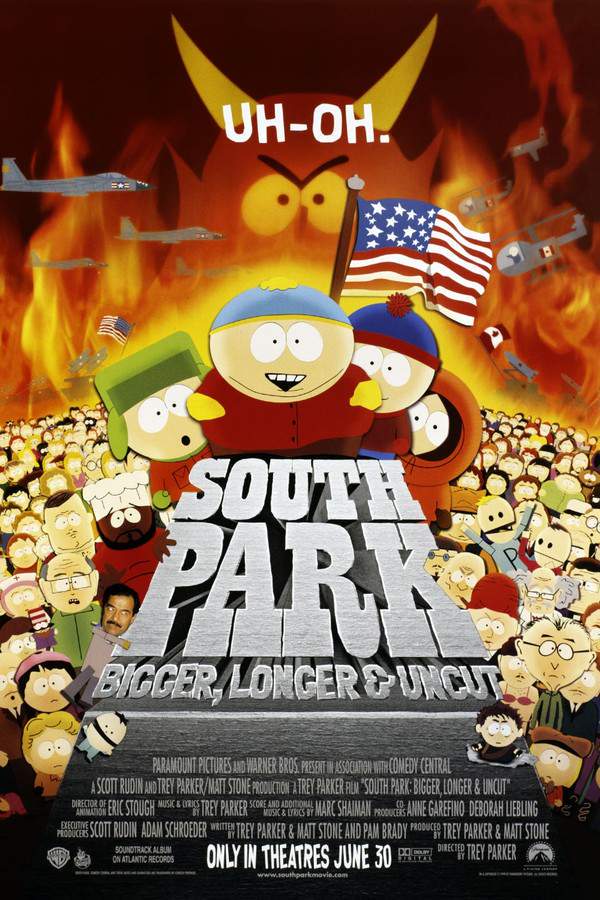
South Park: Bigger Longer & Uncut (1999) Detailed Story Recap
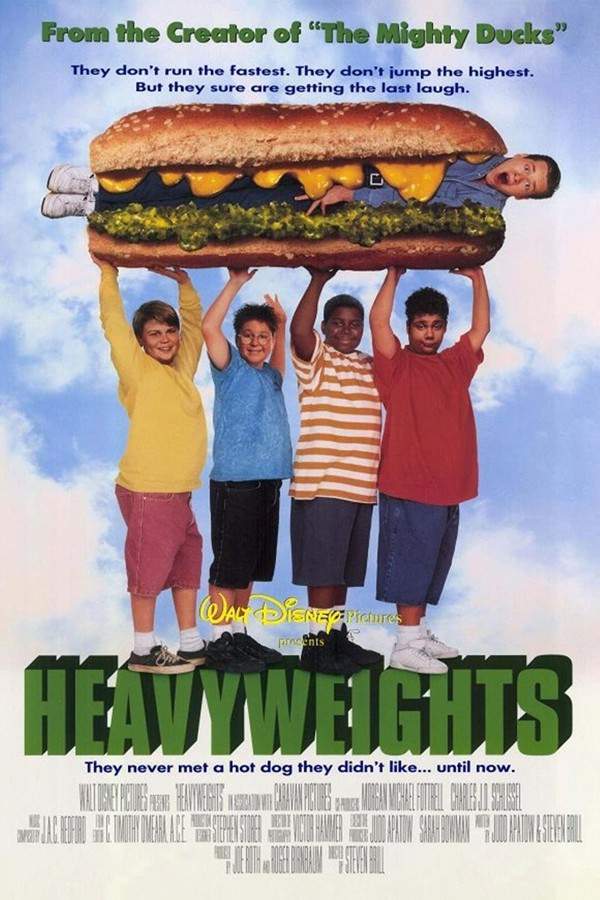
Heavyweights (1995) Full Summary & Key Details
Fat, Sick & Nearly Dead (2011) Spoiler-Packed Plot Recap
To Be Fat Like Me (2007) Ending Explained & Film Insights
Cartoon All-Stars to the Rescue (1990) Spoiler-Packed Plot Recap
Once is Enough (2020) Spoiler-Packed Plot Recap
South Park: The Pandemic Special (1000) Full Summary & Key Details
South ParQ Vaccination Special (1000) Detailed Story Recap
South Park: Post COVID (2021) Movie Recap & Themes
South Park: Post COVID: The Return of COVID (2021) Detailed Story Recap
South Park the Streaming Wars Part 2 (2022) Spoiler-Packed Plot Recap
South Park: The 25th Anniversary Concert (2022) Full Movie Breakdown
South Park: Imaginationland (2008) Detailed Story Recap
Killer at Large (2008) Movie Recap & Themes
Goin’ Down to South Park (1999) Story Summary & Characters