Plot Explained Spoilers guaranteed!
Plot Explained

Browse by genre

Some Nights I Feel Like Walking (2016) movie poster

Characters & Themes

Some Nights I Feel Like Walking (2016) Characters, Setting & Themes Explained

Release, runtime and language
2016 · 14 mins · Tagalog
Loading streaming availability…
Directed by
Trishtan Perez
Starring
Acey Aguilar, Al Fonzi

Two strangers walking in a circular road find themselves in another place where they have to drift in the middle of who they are and who they want to be.

On this page (7)
  1. 1 Where to watch
  2. 2 Characters explained (5)
  3. 3 Where & when it takes place
  4. 4 Themes & meaning (3)
  5. 5 Character & meaning questions
  6. 6 Movie threads
  7. 7 Every angle
Loading streaming availability…

5 main characters · contains spoilers

Some Nights I Feel Like Walking Characters Explained: Who Is Who

The main characters of Some Nights I Feel Like Walking (2016), heroes and villains: what drives them, how they change over the course of the story and what each of them reveals about the film's bigger ideas.

  • Miguelito

    Miguelito is a street hustler and masseur who lives on quick gigs and the next client. He breaks away from the group to entertain a client, showing a willingness to take bigger risks for money or personal connection. His death in a parking lot after a fateful encounter becomes the story’s catalyst, and his dying wish to be returned to his hometown drives the group’s journey.

    • 💀 Death
    • 🎭 Drama
    • 💔 Loss
  • Bayani

    Bayani is a wary member of the hustler circle, quick to distrust strangers and capable of blunt, forceful actions. He probes the group’s safety and often clashes with Zion’s presence, reflecting tensions between loyalty and suspicion. His aggression surfaces when Miguelito’s brother appears, revealing a protective but volatile side of his character.

    • 🔥 Street life
    • 🤝 Loyalty
    • 💥 Conflict
  • Rush

    Rush is another member of the group whose practical, no-nonsense approach keeps the crew moving. He participates in the plan to handle Miguelito’s body and supports the effort to reach a resolution, balancing risk with camaraderie. His role underscores a quieter, more measured ambition within the circle.

    • ⚖️ Morality
    • 🗺️ Journey
  • Uno

    Uno serves as a reflective center for the group, deeply connected to Zion and to his own sense of self. He articulates a longing for a life beyond sex work and narrates pivotal memories that reveal his capacity for love and tenderness. He orchestrates the group’s movements toward Miguelito’s hometown and the eventual funeral, while confronting his feelings for Zion.

    • 💬 Narrative
    • ❤️ Love
  • Zion

    Zion is a hustler whose presence unsettles some members of the group yet also offers a path toward connection. He shares a close dynamic with Uno, and his interactions with the others expose vulnerabilities, trust issues, and the possibility of romance. He travels with the group to Painawa and becomes a key figure in honouring Miguelito’s memory.

    • 💖 Affection
    • 🗺️ Journey

Last updated: December 27, 2025 at 11:27

Was this helpful?

Setting

Where and When Does Some Nights I Feel Like Walking Take Place?

The setting of Some Nights I Feel Like Walking (2016): the year and time period, the places and locations, and how they shape the characters, the mood and the tension of the story.

Time period

Location

Metro Manila, Painawa

Set in Metro Manila's crowded urban core, the film follows a circle of street hustlers who survive on quick gigs and moving cash. The journey shifts to a rural town named Painawa, where the group confronts death, family judgment, and the limits of belonging. The setting spans malls, cinemas, a town plaza, and a festival space, highlighting the contrast between city life and rural community.

  • 🏙️ Urban
  • 🚕 Street life
  • 🌄 Rural journey

Last updated: December 27, 2025 at 11:27

Was this helpful?

3 major themes

Some Nights I Feel Like Walking Meaning: Themes & Message Explained

What is Some Nights I Feel Like Walking (2016) really about? The emotional, social and philosophical themes the film keeps returning to, its symbolism and the message beneath the surface.

  • Friendship

    A core bond binds Miguelito, Uno, Bayani, Rush, and Zion as they navigate danger and poverty in Manila. The group’s loyalty keeps them together even as risky choices threaten their safety. The death of Miguelito tests this friendship and forces a reckoning with what they owe one another. The film uses their camaraderie to explore how love and survival can coexist with exploitation.

  • Loss

    Miguelito’s sudden death acts as the narrative trigger, sending the group on a road trip to his hometown. Grief reshapes their priorities and pushes them to confront the costs of their lifestyle. Each member processes the loss differently, revealing hidden fears and longings. The search for a funeral becomes a vehicle to examine memory and responsibility.

  • Journey

    The trip from the urban Manila streets to the rural Painawa town doubles as a search for meaning beyond immediate survival. The road trip exposes social judgments, the pull of home, and the tension between staying together and splitting apart. Along the way, the group negotiates trust, love, and the desire to redefine what family means.

Last updated: December 27, 2025 at 11:27

Was this helpful?

Character & theme questions

Some Nights I Feel Like Walking Characters & Meaning: Your Questions Answered

The questions people ask about Some Nights I Feel Like Walking (2016): who the characters really are, their relationships, what the symbols mean, where it takes place and what the movie is really about. Each answer contains spoilers.

Q1

Where is the movie set?

The story takes place in Metro Manila's crowded urban streets, where the group works as street hustlers. It then shifts to a rural town called Painawa, where they travel to fulfill Miguelito's final wish. The contrast between the city's malls, cinemas, and street life against Painawa's town plaza and festival space highlights the tension between urban survival and rural belonging.

  • metro manila
  • painawa
  • setting
  • setting contrast
  • urban
  • rural
Q2

What are the main themes?

The film explores three core themes: Friendship among the street hustlers that persists through danger and poverty; Loss, triggered by Miguelito's sudden death which forces the group to reckon with grief and responsibility; and Journey, which serves as both a literal road trip to Painawa and a metaphorical search for meaning beyond mere survival.

  • themes
  • friendship
  • loss
  • journey
  • meaning
  • survival
Q3

Who is Uno and what is his role?

Uno serves as the reflective center of the group, deeply connected to Zion and articulate about his desire for a life beyond sex work. He orchestrates the group's journey to Miguelito's hometown and the funeral, while confronting his feelings for Zion. He narrates pivotal memories revealing his capacity for love and tenderness.

  • uno
  • character
  • hustler
  • zion
  • leadership
Q4

Who is Miguelito in the story?

Miguelito is a street hustler and masseur who lives on quick gigs and the next client. He is willing to take bigger risks for money or personal connection. His sudden death in a parking lot becomes the story's catalyst, and his dying wish to be returned to his hometown Painawa drives the entire group's journey.

  • miguelito
  • death
  • catalyst
  • hometown
  • funeral
Q5

What is the relationship between Uno and Zion?

Uno and Zion share a close dynamic that offers a path toward genuine connection within their marginalized lives. Their relationship exposes vulnerabilities and trust issues among the group, and serves as a tender romantic subplot that contrasts with the film's predominantly bleak tone. Zion's presence both unsettles and enriches the group.

  • zion
  • uno
  • romance
  • relationship
  • connection
Q6

How does the setting change throughout the film?

The film contrasts two distinct worlds: Metro Manila's urban core with its malls, cinemas, and street life where the hustlers survive on quick gigs, versus the rural town of Painawa with its town plaza and festival space. This journey from city to rural represents both a literal trip to dispose of Miguelito's body and a search for belonging beyond the margins of city survival.

  • setting contrast
  • city
  • rural
  • painawa
  • manila
  • journey
Q7

What does the film say about friendship?

The film uses the bond between Miguelito, Uno, Bayani, Rush, and Zion to explore how love and survival can coexist with exploitation. Their loyalty keeps them together even as risky choices threaten their safety. Miguelito's death tests this friendship and forces a reckoning with what they owe one another, showing friendship as both a lifeline and a burden.

  • friendship
  • loyalty
  • group
  • survival
  • exploitation
Q8

What is the tone of the film?

The film has an overwhelmingly bleak tone, portraying survival through risky sex work and theft with constant intensity. Human connection offers only fleeting respite amidst systemic rejection and violence. The emotional weight is heavy, anchored by themes of death, exploitation, and familial abandonment, with no moments of levity except for the brief romantic subplot between Uno and Zion.

  • tone
  • bleak
  • emotional
  • heavy
  • despair
  • intensity
Q9

What does the road trip represent?

The road trip from Manila to Painawa serves as both a literal journey to return Miguelito to his hometown and a metaphorical search for meaning beyond immediate survival. It exposes social judgments, the pull of home, and the tension between staying together as a group and splitting apart. The journey becomes a vehicle to examine memory, responsibility, and what family truly means.

  • road trip
  • journey
  • meaning
  • painawa
  • funeral
  • home
Q10

Who is Bayani in the group?

Bayani is a wary member of the hustler circle, quick to distrust strangers and capable of blunt, forceful actions. He often clashes with Zion's presence, reflecting tensions between loyalty and suspicion. His aggression surfaces when Miguelito's brother appears, revealing a protective but volatile side that contrasts with his usual guarded demeanor.

  • bayani
  • character
  • suspicion
  • loyalty
  • protective

Movie threads

More Movies Like Some Nights I Feel Like Walking, by Mood & Story

Curated lists built around what makes Some Nights I Feel Like Walking tick: the same mood, the same kind of story or the same emotional payoff. Each list explains why these movies belong together.

Gritty Urban Survival Stories like Some Nights I Feel Like Walking

Stories of marginalized characters fighting for survival against a harsh urban backdrop. If the raw portrayal of street life in Some Nights I Feel Like Walking resonated with you, explore these films. Discover movies like it that follow characters grappling with exploitation, class struggle, and the desperate fight for survival in harsh urban environments.

  • gritty
  • desperate
  • oppressive
  • somber
  • anxious
  • raw
  • Tone: bleak, gritty
  • Pacing: steady, deliberate
Why these movies?

The story pattern: Narratives in this thread often follow a linear, steady progression through a character's daily struggles. The journey is typically defined by a series of hardships, fleeting human connections, and an overwhelming sense of being trapped by systemic forces, leading to a conclusion that offers little to no respite.

Why they belong together: These films are grouped by their shared, unflinching gaze on urban poverty and the intense emotional weight of survival. They feature similar tones of bleakness and desperation, focusing on characters whose lives are defined by their economic circumstances and the gritty, often dangerous, world they inhabit.
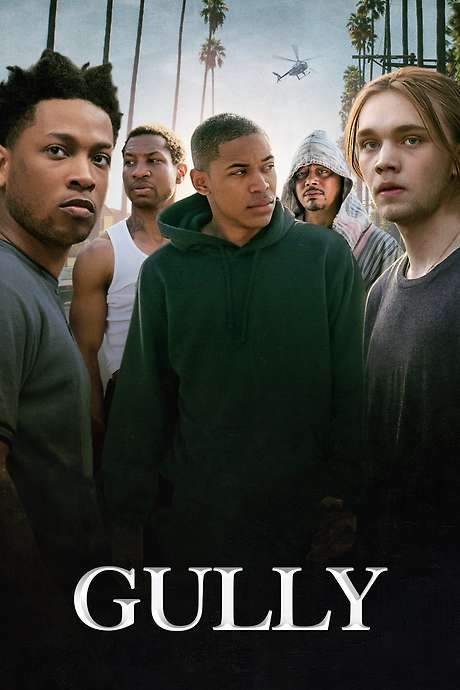
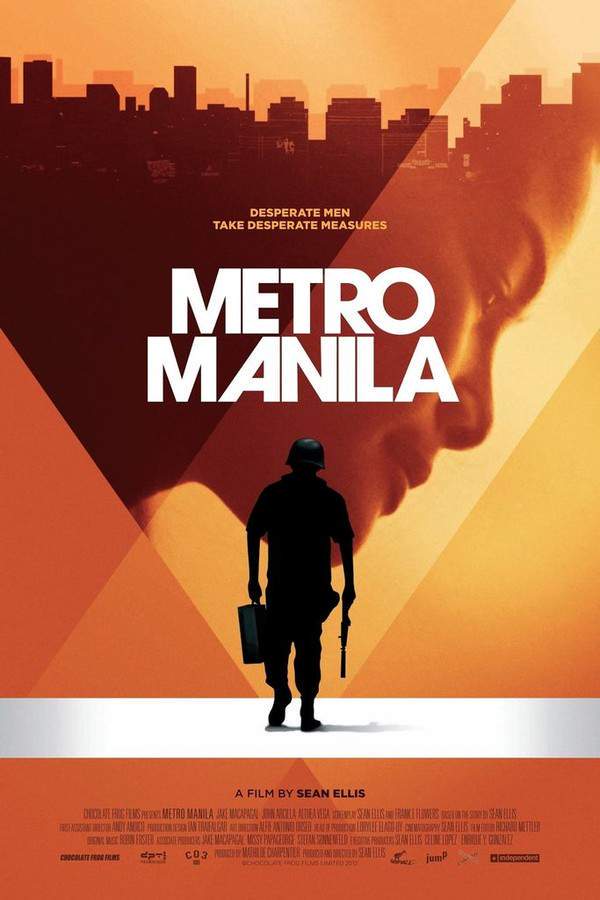
Bleak Friendship Odysseys like Some Nights I Feel Like Walking

Emotionally heavy journeys where friendship is tested by tragedy and futility. For viewers who appreciated the heavy emotional journey of friendship and loss in Some Nights I Feel Like Walking. Find similar movies about characters bound together by tragedy, embarking on a desperate quest that highlights the beauty and pain of human connection amidst despair.

  • melancholic
  • somber
  • heavy
  • grieving
  • hopeless
  • bittersweet connection
  • Tone: melancholic, somber
  • Pacing: steady, melancholic
Why these movies?

The story pattern: The plot is often triggered by a significant loss, sending the remaining friends on a physical or emotional quest. This journey serves to explore their grief, their bond, and their place in the world. The narrative arc typically moves towards a bleak realization of futility, where their efforts ultimately fail to overcome the overwhelming forces against them.

Why they belong together: These movies are united by their focus on the emotional core of a friendship under extreme duress. They share a heavy emotional weight, a steady, contemplative pacing that allows for deep character exploration, and a profoundly bleak tone where acts of loyalty are poignant but ultimately powerless.

Every angle

Some Nights I Feel Like Walking (2016) Explained: Plot, Timeline & Characters

Everything about Some Nights I Feel Like Walking in one place: what happens in the plot summary, the timeline in chronological order, the characters and meaning and a spoiler-free summary. What's After the Movie adds the cast, box office and post-credit scenes.

Coming soon on iOS and Android

The Plot Explained Movie Summary App

Plot summaries, endings explained and timelines on your phone. Catch up on any movie in minutes, save your favorites and never miss a twist again.

Be the first to know when we launch. Your email stays private, always.

Learn more about the app