Plot Explained Spoilers guaranteed!
Plot Explained

Browse by genre

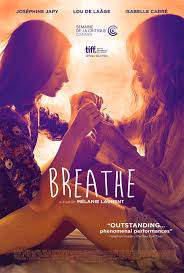
Breathe (2015) movie poster

Plot Summary

Breathe (2015) Plot Summary Explained

Release, runtime and language
2015 · 91 min

Seventeen-year-old Charlie's ordinary life takes an unexpected turn with the arrival of Sarah, a charming and enigmatic newcomer. As they form a close bond, sharing secrets and embarking on adventures, their relationship deepens into a passionate and intense intimacy. However, the escalating emotions and unrealistic expectations lead to jealousy and conflict, pushing the teenagers toward a turbulent and unpredictable downward spiral. They must confront the challenges of young love and discover if their connection can withstand the pressures they face.

On this page (5)
  1. 1 What happens: full plot
  2. 2 Plot questions answered
  3. 3 Movie threads
  4. 4 Movies like Breathe
  5. 5 Every angle

Full plot summary · contains spoilers

What Happens in Breathe: Full Plot Summary

The whole story of Breathe (2015) explained, from the opening scene to the final frame: every key event, every twist and what it all adds up to. Read it as a quick recap before the sequel, to check a scene you missed, or to finally understand what really happened.

Charlie, a high school student navigating her parents’ breakup, is tasked with welcoming and looking after a new student named Sarah. Sarah is described as a white girl who has recently moved from Nigeria, where her mother works for a charity, to live with her aunt. The two girls quickly become inseparable, forming a close bond that feels like a lifeline during a turbulent time in Charlie’s life.

On All Saints’ Day, Sarah explains that her mother cannot visit and that she’ll be alone, so Charlie invites her to spend time with her mother and the people she knows for the holiday. The plan seems to be a simple gesture of friendship and support, but the dynamics between them start to shift in subtle but significant ways.

Their relationship takes a troubling turn during a vacation. When Charlie introduces Sarah as a classmate rather than a friend, Sarah’s attitude hardens and then softens, alternating between warmth and coldness. Upon returning to school, Charlie tries to approach Sarah with genuine concern, asking what is wrong, but Sarah’s mood remains mercurial. The tension is palpable as Charlie welcomes Sarah back with a friendly hug, even as a chill runs through the friendship.

Charlie’s suspicions grow as Sarah’s stories about her mother don’t quite add up. In front of their circle of friends, Charlie points out inconsistencies in Sarah’s accounts, attempting to uncover the truth. Sarah responds with a chilling threat: she could tell Charlie’s friends about her abusive father, something Charlie had confided to Sarah in private. Determined to uncover the truth, Charlie follows Sarah to her home and discovers that Sarah lives in a rough neighborhood with an alcoholic mother, a revelation that deepens the sense of unease surrounding her new friend.

A New Year’s party becomes a flashpoint. Charlie reveals that she has seen Sarah’s mother and asserts that Sarah isn’t truly as mean as she pretends. In response, Sarah threatens to kill Charlie if she ever tells anyone what she knows. The two drift further apart as the tension escalates. Later, Charlie overhears Sarah telling another friend that Charlie never lost her virginity with her ex Lucas because she cried too much, a cruel insinuation that prompts Charlie to threaten exposing Sarah’s mother. In retaliation, Sarah vandalizes the school with a cruel message: “Charlie is a whore.” While Charlie’s friends try to rally around her, she does not intervene to stop Sarah’s ongoing abuse.

The situation worsens when Sarah appears at Charlie’s house, crying because her mother hit her and she has nowhere else to go. Charlie forgives her, insisting that Sarah is only upset when they’re apart, and she welcomes her back into the orbit of their friendship.

The next day at school, the fragile balance shatters again. Sarah ignores Charlie and even passes along a necklace—one that had been given to Charlie’s mother—to another girl. In a moment of anger, Charlie lashes out and attacks the girl involved.

As summer ends, Sarah visits Charlie’s home to collect her things. They sit on Charlie’s bed, and Sarah taunts her, accusing Charlie of being an abuser who is playing the part of a victim. Sarah reveals plans to move to Paris with another friend to attend college, while Charlie will remain in their small town. Charlie’s restraint shatters: she pushes Sarah, Sarah’s head hits a drawer, and she falls back onto the bed, laughing. Overwhelmed by rage and despair, Charlie suffocates Sarah with a pillow.

When Charlie’s mother returns home, Charlie breaks down, crying and apologizing, and blurts out that Sarah is upstairs. A panic attack follows as her mother ascends the stairs and screams upon discovering Sarah’s body. Charlie struggles to control her breathing and then meets the camera with a blank, frightened gaze as the scene fades to black.

Last updated: October 09, 2025 at 16:23

Was this helpful?

Plot questions answered

Breathe Plot Explained: Your Questions Answered

The questions people ask most about Breathe (2015): what happens in the confusing scenes, why the characters do what they do, the twists, hidden details and what the ending means. Each answer contains spoilers.

Q1

Why did Sarah's attitude change after the vacation?

When Charlie introduced Sarah as a "classmate" rather than a friend during the vacation, it triggered Sarah's deep-seated fear of abandonment and rejection. Sarah had been hiding her true background, she actually lived with an alcoholic mother in a rough neighborhood, not with an aunt as she'd claimed. Being introduced as merely a classmate made her feel exposed and unimportant, causing her to alternate between coldness and warmth as a defensive mechanism.

Foreshadowing: The vacation marks the first visible shift in Sarah's behavior, foreshadowing the manipulative pattern that will define the rest of the film.

  • sarah
  • vacation
  • attitude change
  • manipulation
  • charlie
Q2

Why was Sarah lying about her mother?

Sarah invented a story about her mother working for a charity in Nigeria to create a false image of respectability. In reality, her mother was an alcoholic living in a poor neighborhood. Sarah used this fabricated background to gain acceptance into Charlie's more stable social circle and to protect herself from the shame she felt about her actual home life.

Foreshadowing: This lie establishes Sarah as a master manipulator who constructs false narratives to navigate social situations.

  • sarah
  • mother
  • lie
  • charity
  • nigerian
  • alcohol
  • backstory
Q3

What did Sarah mean when she called Charlie an "abuser playing a victim"?

During their final confrontation, Sarah deliberately twisted the dynamic to gaslight Charlie. By labeling Charlie the "abuser," Sarah was reversing their actual relationship, Sarah had been the one manipulating, threatening, and emotionally abusing Charlie throughout their friendship. This final taunt was designed to provoke Charlie into reacting, as Sarah seemed to enjoy pushing people to their limits.

Foreshadowing: This moment reveals Sarah's pattern of psychological manipulation, which has been building throughout the film.

  • sarah
  • charlie
  • abuser
  • victim
  • gaslight
  • manipulation
Q4

Why did Charlie forgive Sarah after she vandalized the school with graffiti?

Charlie forgave Sarah despite the cruelty because Sarah appeared at her house claiming her mother had hit her and that she had nowhere else to go. Charlie, already dealing with her own family breakup, identified with Sarah's claim of having an unstable home life. Charlie convinced herself that Sarah was only mean "when they were apart," minimizing the abuse and holding onto hope that their friendship could be repaired.

Foreshadowing: This moment demonstrates Charlie's vulnerability and codependent tendency, which ultimately enables the toxic relationship to continue.

  • charlie
  • forgive
  • sarah
  • graffiti
  • abuse
  • home
Q5

What caused Charlie to kill Sarah?

Charlie killed Sarah in a moment of complete emotional collapse after months of manipulation, threats, and abuse. The final trigger was Sarah's taunt about moving to Paris with another friend while Charlie remained stuck in their small town, combined with her accusation that Charlie was "an abuser playing the victim." When Sarah laughed after hitting her head on the drawer, it shattered Charlie's remaining restraint, and she suffocated her with a pillow in a fit of rage and despair.

Foreshadowing: The buildup through the necklace betrayal, the constant threats, and the final taunt about Paris create the perfect storm that leads to this breaking point.

  • charlie
  • kill
  • sarah
  • murder
  • pillow
  • rage
  • breakdown
Q6

Why did Sarah threaten to tell Charlie's friends about her abusive father?

Sarah used Charlie's deeply personal secret, her father was abusive, as a weapon to control her. When Charlie began questioning Sarah's lies and following her, Sarah threatened to expose the secret to Charlie's friends if Charlie revealed the truth about Sarah's mother. This manipulation tactic gave Sarah leverage to keep Charlie silent and under her control.

Foreshadowing: This threat establishes the dark pattern of mutual destruction that defines their relationship.

  • sarah
  • threaten
  • father
  • secret
  • abuse
  • charlie
  • friends
Q7

Why was the necklace significant when Sarah gave it to another girl?

The necklace had been given to Charlie by her mother, making it a symbol of Charlie's family and trust. When Sarah deliberately gave it to another girl, it was a calculated act of betrayal meant to wound Charlie emotionally. This moment demonstrated how Sarah targeted Charlie's vulnerabilities, specifically attacking her connection to her mother during a time when Charlie's family was already fracturing.

Foreshadowing: The necklace betrayal serves as the catalyst for Charlie's violent outburst against the other girl, showing how far the relationship has deteriorated.

  • sarah
  • necklace
  • charlie
  • mother
  • give away
  • betrayal
Q8

Why did Charlie attack the girl who received the necklace?

Charlie attacked the girl in a moment of overwhelming rage and hurt. When Sarah gave away the necklace that Charlie's mother had given her, to another girl, no less, it represented the ultimate betrayal. Charlie had been suppressing her emotions and tolerating Sarah's abuse for months, and this final act of disrespect shattered her limited self-control, leading her to physically assault the girl.

Foreshadowing: This violent reaction foreshadows the much more severe violence Charlie will commit against Sarah later.

  • charlie
  • attack
  • necklace
  • girl
  • violence
  • rage
Q9

Why did Charlie and Sarah's friendship become so toxic?

Their friendship became toxic because Sarah was a manipulative person who used secrets as leverage, while Charlie was emotionally vulnerable due to her parents' breakup. Sarah tested boundaries early by lying about her background, and when Charlie didn't reject her, Sarah escalated the manipulation. Charlie, desperate for connection during her difficult family situation, kept forgiving and enabling the abuse until it spiraled beyond repair.

Foreshadowing: The toxicity was visible from the vacation moment when Sarah's attitude first shifted, indicating the pattern was set early.

  • sarah
  • charlie
  • toxic
  • friendship
  • manipulation
  • abuse
  • breakup
Q10

Why did Sarah threaten to kill Charlie at the New Year's party?

Sarah threatened to kill Charlie because Charlie had seen Sarah's actual mother, the real alcoholic woman, contradicting Sarah's fabricated story about a mother working abroad. This threatened Sarah's carefully constructed false identity. The threat was meant to keep Charlie silent about discovering the truth, demonstrating how far Sarah would go to protect her lies and maintain control over Charlie.

Foreshadowing: This death threat foreshadows the literal killing that ultimately occurs, though the killer and victim are reversed.

  • sarah
  • threaten
  • kill
  • new years
  • mother
  • truth
  • secret

Movie threads

More Movies Like Breathe, by Mood & Story

Curated lists built around what makes Breathe tick: the same mood, the same kind of story or the same emotional payoff. Each list explains why these movies belong together.

Movies about Toxic Relationships like Breathe

Stories where an intense relationship becomes a cage of manipulation and danger. If you were captivated by the toxic dynamic in Breathe, this list features similar movies about intense, unhealthy relationships that spiral into manipulation and psychological abuse. These films share a dark tone and a heavy emotional weight, exploring the claustrophobic feeling of being trapped in a damaging bond.

  • toxic
  • claustrophobic
  • unsettling
  • oppressive
  • fatalistic
  • anxious
  • Tone: dark, oppressive, unsettling
  • Pacing: steady, relentless
Why these movies?

The story pattern: Stories in this thread typically follow a linear progression where a seemingly positive or intense connection between characters gradually reveals its toxic underpinnings. The narrative arc is a steady, often inevitable, descent into dependency, manipulation, and emotional or physical violence, with characters becoming increasingly trapped by the situation they helped create.

Why they belong together: These movies are grouped by their shared exploration of the psychological mechanics of toxic relationships. They create a palpable sense of dread and claustrophobia, focusing on the emotional weight and dark tone that comes from watching a bond become a source of harm rather than comfort.

Bleak Coming-of-Age Movies like Breathe

Adolescent journeys that take a disturbing and tragic path instead of hopeful discovery. For viewers who appreciated the dark take on teenage life in Breathe, this collection features similar bleak coming-of-age stories. These movies capture the intense emotions, social struggles, and psychological turmoil of youth, but with a fatalistic tone and often a devastating, non-hopeful conclusion.

  • dark
  • teen angst
  • fatalistic
  • unsettling
  • obsessive
  • bleak
  • Tone: dark, fatalistic, heavy
  • Pacing: steady, character-driven
Why these movies?

The story pattern: The narrative pattern involves young protagonists grappling with powerful feelings like obsession, angst, or a desire for belonging. Their journey is not one of growth towards wisdom, but a straightforward, steady progression towards a grim outcome, often triggered by a combination of internal turmoil and external pressures, culminating in a bleak ending.

Why they belong together: These films are united by their dark reinterpretation of the coming-of-age genre. They share a heavy emotional weight, a focus on teen angst that turns destructive, and a consistently bleak tone that rejects easy answers or redemption, offering a more disturbing and realistic portrait of youthful experience gone wrong.

If you liked this

Movies Like Breathe

Similar movies to Breathe: the same genre, themes or kind of story. Each one comes with its own plot summary, timeline and ending explained.

Browse all movie summaries

Every angle

Breathe (2015) Explained: Plot, Timeline & Characters

Everything about Breathe in one place: what happens in the plot summary, the timeline in chronological order, the characters and meaning and a spoiler-free summary. What's After the Movie adds the cast, box office and post-credit scenes.

Coming soon on iOS and Android

The Plot Explained Movie Summary App

Plot summaries, endings explained and timelines on your phone. Catch up on any movie in minutes, save your favorites and never miss a twist again.

Be the first to know when we launch. Your email stays private, always.

Learn more about the app