Plot Explained Spoilers guaranteed!
Plot Explained

Browse by genre

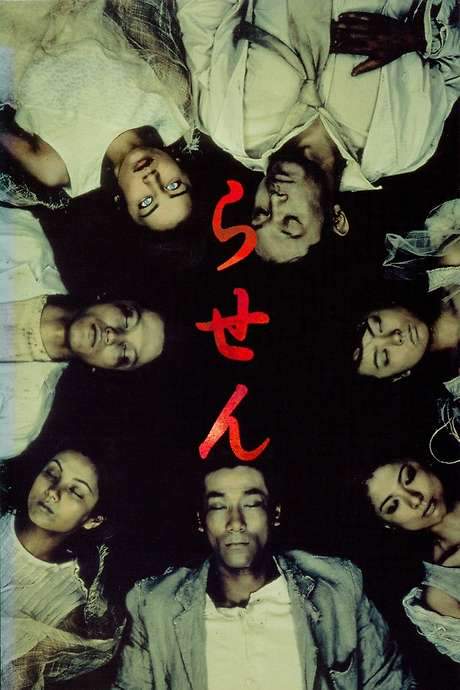
Secret Sunday (2010) movie poster

Timeline

Secret Sunday (2010) Timeline Explained – Every Event in Order

Release, runtime and language
2010 · 107 mins · Thai
Loading streaming availability…
Directed by
Saranyoo Jiralak
Starring
Penpak Sirikul, Siraphan Wattanajinda, James Mackie, Pradon Sirakovit

Nat, a young architect, is urged by his mother to travel to nine temples to purge his bad karma. He is joined by his columnist girlfriend Poon and novice monk Sujitto, each with a personal agenda. As the trio visits the sacred sites, hidden misdeeds from past lives emerge, revealing how one person’s karma can affect the others. Their attempts at making merit lead to deeper revelations that challenge their faith and force them to confront whether redemption can outweigh relentless vengeance.

On this page (5)
  1. 1 Where to watch
  2. 2 Events in order (14)
  3. 3 Timeline questions answered
  4. 4 Movie threads
  5. 5 Every angle
Loading streaming availability…

14 events in order · contains spoilers

Secret Sunday Timeline: Events in Chronological Order

Every key event of Secret Sunday (2010) in order, scene by scene, with when and where it takes place. Use it to untangle flashbacks, time jumps and parallel storylines, to refresh your memory before the sequel or to find the exact scene you are thinking of.

  1. Attack interrupts provocative art piece

    Three men pause in an art gallery to discuss a provocative performance, but a sudden, brutal attack from a monstrous figure shatters the moment. The violence unsettles the space and plants a thread of fear that runs through the film. The event blurs the line between reality and vision, hinting at a ritualistic tone.

    Where
    Art gallery
  2. Pun's forest walk and troubling dream

    Pun walks with a monk through a quiet forest, speaking softly about worries for her son after a disturbing dream. The mood shifts as the camera lingers on damp shadows, hinting that the dream may carry weight from the past. The scene establishes a personal burden that threads through the story.

    Where
    Forest
  3. Poon's pool encounter and nightclub invitation

    A young woman named Poon swims laps in a pool, soon approached by a mysterious figure. After she showers, spectral figures turn out to be her friends and Nat playing a prank, coaxing her toward a night out at a club. The moment seeds tension between desire and suspicion within the group.

    Where
    Swimming pool and nightclub
  4. Nat's mother's disapproval and push toward temple life

    Following the club, Poon urges Nat to visit his mother, who resists the idea and pushes for temple visits and a steadier path. Nat resists but eventually agrees, while his mother critiques the relationship and signals a clash between tradition and longing. The exchange reveals fragile loyalties and unspoken guilt.

    Where
    Nat's mother's home
  5. First temple meeting with Sujitto

    At the first temple, Nat meets a novice monk who feels familiar and is revealed to be Sujitto, an old friend who joins Nat and Poon on their road trip. The casual pilgrimage soon mutates into a nightmarish odyssey through a succession of temples and disturbing visions. The trio's bond is tested as the journey deepens into unease.

    Where
    First temple
  6. Windshield smash on the road to the fifth temple

    On the road toward a fifth temple, three troublemakers on motorbikes smash the car windshield. Nat chases them, but they vanish, leaving behind a wake of tension and blame. The incident compounds the sense that danger is pursuing them on this pilgrimage.

    Where
    Road between temples
  7. Temple confrontation and bar blackout

    The group reaches a temple where a quiet argument erupts between Nat and Poon. Later, a ghostly child watches from a balcony as a blackout sweeps through the bar where the dispute intensified. The visions blur the lines between conflict, memory, and the supernatural.

    Where
    Temple and bar
  8. Morning after: illness, pregnancy fears, and funeral drive

    In the morning, Poon vomits in the street and Nat fears a possible pregnancy. They gather Sujitto to attend a family funeral and drive through the night with two monks in tow. Nat's sense of danger deepens as he seems to glimpse the windshield boy, guiding them toward a submerged moment inside an old fishery where the boy vanishes among a swarm of eels.

    Where
    City streets and old fishery
  9. Funeral revelation of the hunted boy

    Back at the temple funeral that night, Nat bleeds from the head as the group realizes the service is for the boy he chased earlier. The haunting connection between past actions and present rituals becomes explicit. The funeral scene binds the central guilt to the present crisis.

    When
    Night
    Where
    Temple funeral
  10. Calf death and the burden of karma

    The journey continues and Poon drives when a calf is struck down on the road. The grieving mother by the roadside unsettles Poon, while a local helper cruelly slaughters the calf to spare suffering, deepening questions about karma and fate. The scene complicates Poon's sense of responsibility and consequence.

    Where
    Roadside
  11. Demon attack at the next temple

    At the next temple, Poon seeks spiritual atonement but is set upon by a deformed, child-sized demon who reveals disturbing images of a burns-scarred boy abused by his mother. The vision unsettles Poon, and a fierce confrontation with Nat ends with her slapping him, driving a wedge and leaving Sujitto behind.

    Where
    Next temple
  12. Past life trauma and abortion contemplation

    Nat resolves to track down Poon and Sujitto, while Poon wanders and is assaulted again, reliving the abuse and the death of the burned boy, suggesting a possible past life. She confides in Nat about her pregnancy and a contemplated abortion, hinting that trauma echoes across lifetimes.

    Where
    Temple grounds
  13. Final temple revelations and the well tragedy

    At the final temple, Nat's mother arrives and reveals that Nat has a twin, Sujitto, complicating the family history. Sujitto stands atop a well as it collapses, and he falls with a serene expression. The trio departs with uneasy closure, and Nat offers a long-held gift to his mother as they begin the journey home.

    Where
    Final temple site
  14. Karma, memory, and an unsure ending

    The story closes with a meditation on karma that binds past and present, suggesting memory, guilt, and love shape the paths the characters choose. The journey home leaves more questions than answers, inviting reflection on forgiveness and fate.

    Where
    Temple site / home

Last updated: October 09, 2025 at 16:59

Was this helpful?

Timeline questions answered

Secret Sunday Timeline Explained: Your Questions Answered

When does it happen, and why in that order? The questions people ask about the chronology of Secret Sunday (2010): time jumps, flashbacks, cause and effect between scenes and the correct order of events, each answered with spoilers.

Q1

Why does Nat's mother want him to visit nine temples?

Nat's mother Nittaya urges him to travel to nine temples to purge his bad karma. This stems from traditional Thai Buddhist belief that making merit at sacred sites can cleanse negative actions from past lives. The story reveals this request carries deeper significance once Nat's hidden past and twin connection are exposed.

Foreshadowing: Early scenes establish Nittaya's disapproval of Poon and her insistence on temple visits as a path to spiritual renewal.

  • karma
  • temple
  • purification
  • merit
  • nittaya
Q2

What happens to the boy whose windshield Nat smashes?

The three troublemakers on motorbikes who smash the car's windshield are revealed to be connected to a boy Nat chases. After the chase, Nat discovers the boy has died, and the trio attends his funeral at a temple, realizing the service is for the exact boy Nat pursued. This tragedy becomes a pivotal moment linking their actions to karmic consequences.

Foreshadowing: The incident plants immediate tension, with Nat sensing danger as he glimpses the boy again near the old fishery.

  • windshield
  • boy
  • death
  • funeral
  • karma
Q3

What do Poon's visions of the burned boy represent?

Poon's visions show a burns-scarred boy being abused by his mother. The film reveals she is reliving this child's abuse and death, suggesting she is witnessing a past life. This trauma echoes across lifetimes, explaining why she feels such intense guilt and connection to the calf's death and other karmic events on their journey.

Foreshadowing: The demon at the temple attack forces Poon to confront these disturbing images, which later manifest as assault and relived abuse.

  • past life
  • vision
  • burns
  • abuse
  • trauma
Q4

Why does Poon slap Nat after the demon attack?

After the deformed demon attacks Poon at the temple and reveals the vision of the abused burned boy, Poon experiences intense emotional trauma. Her confrontation with Nat becomes violent, and she slaps him, partly due to the psychological toll of the vision, partly from the strain of her pregnancy and the karmic burden she believes she carries. This moment drives a wedge between them and leaves Sujitto behind.

Foreshadowing: The tension between Nat and Poon has been building since their argument at the earlier temple and bar blackout.

  • demon
  • slap
  • confrontation
  • pregnancy
  • trauma
Q5

What is Sujitto's real relationship to Nat?

At the final temple, Nat's mother reveals a shocking truth: Nat has a twin brother named Sujitto. Sujitto is not merely an old friend who joined their pilgrimage, he is Nat's identical twin who was hidden from him. This hidden kinship explains Sujitto's familiarity to Nat at their first meeting and adds a tragic dimension to the story's karmic web.

Foreshadowing: Sujitto's appearance at the first temple feels mysteriously familiar to Nat, which the film hints at but doesn't explain until the reveal.

  • twin
  • brother
  • sujitto
  • nat
  • family
Q6

How does Sujitto die at the end?

Sujitto dies when he stands atop an old well at the final temple site. As Poon realizes where she has seen this location, in her visions of the burned boy, the well collapses beneath Sujitto. He falls with a serene expression on his face, suggesting a kind of spiritual peace or acceptance of karmic fate. His death represents the climax of the film's exploration of inescapable karma.

Foreshadowing: Poon's vision of the woods where the burned boy was killed foreshadows this final location and the well's collapse.

  • well
  • death
  • sujitto
  • collapse
  • serene
Q7

Why does Poon consider having an abortion?

Poon confides in Nat about her pregnancy and contemplates abortion. The film connects this decision to her visions of past-life trauma, the burned boy's abuse and death. Poon believes she may be carrying the echo of that cycle, and her contemplated abortion reflects her desire to break the karmic chain of suffering rather than bring a new life into a pattern of trauma and retribution.

Foreshadowing: Her earlier vomiting in the street and Nat's pregnancy fears establish this storyline before the abortion revelation.

  • pregnancy
  • abortion
  • cycle
  • trauma
  • karma
Q8

How does karma connect Nat, Poon, and Sujitto?

The film suggests their karmic fates are intertwined across lifetimes. Nat's pursuit of the windshield boy leads to the boy's death, realizing at the funeral that he caused this tragedy. Poon carries the burden of past-life abuse as the burned boy. Sujitto, revealed as Nat's twin, represents a hidden connection. Their pilgrimage exposes how one person's bad karma affects others, binding them in a web of cause and effect that spans past and present lives.

Foreshadowing: The opening scene establishes the film's theme of blurred reality and ritualistic karmic consequence.

  • karma
  • connection
  • reincarnation
  • fate
  • web
Q9

What is the significance of Poon hitting the calf on the road?

While driving, Poon strikes a calf on the road, causing its death. The grieving mother standing roadside deeply unsettles her, and a local helper's cruel decision to slaughter the calf to spare further suffering complicates Poon's understanding of karma. This event directly leads Poon to seek spiritual atonement at the next temple, where she encounters the demon attack, suggesting her guilt over the calf ties into the larger karmic pattern of causing harm.

Foreshadowing: The calf incident marks a turning point where Poon actively seeks purification, linking her action to subsequent supernatural encounters.

  • calf
  • karma
  • guilt
  • atonement
  • death
Q10

Why do supernatural visions appear at the temples they visit?

The temples act as spiritual focal points where past-life misdeeds surface as visions. The film presents these sacred sites as locations where the boundary between past and present thins, allowing karmic debts to manifest. Each temple visit brings the trio closer to confronting their accumulated bad karma, with the visions revealing hidden truths about their interconnected histories.

Foreshadowing: Pun's opening forest walk and disturbing dream establish that the pilgrimage itself is spiritually charged and tied to uncovering hidden truths.

  • temple
  • vision
  • supernatural
  • karmic
  • spiritual
Q11

Why does Nat's mother disapprove of Poon?

Nittaya disapproves of Poon because she represents a lifestyle that conflicts with traditional values, Poon encourages clubbing and resists the spiritual path Nittaya wants for her son. However, the deeper reason emerges later when Nat's twin secret is revealed. Nittaya's disapproval may also stem from her knowledge of the family's hidden past and the karmic burden she knows Nat carries.

Foreshadowing: Their clash at Nat's mother's home early in the film establishes this tension before the deeper revelations unfold.

  • mother
  • disapproval
  • tradition
  • poon
  • nittaya

Movie threads

More Movies Like Secret Sunday, by Mood & Story

Curated lists built around what makes Secret Sunday tick: the same mood, the same kind of story or the same emotional payoff. Each list explains why these movies belong together.

Slow-burn spiritual horror movies like Secret Sunday

Stories where a journey into faith or ritual unearths terrifying psychological truths. If you liked the karmic dread and pilgrimage structure of Secret Sunday, explore these movies. This thread features atmospheric horror and thrillers where slow pacing and spiritual journeys expose deep psychological trauma and supernatural truths, perfect for fans of heavy, thought-provoking horror.

  • atmospheric
  • unsettling
  • somber
  • haunting
  • dreamlike
  • psychological
  • Tone: dark, oppressive, melancholic
  • Pacing: slow burn, measured
Why these movies?

The story pattern: Narratives in this thread typically follow characters on a purposeful journey—be it a pilgrimage, a ritual, or an investigation—that slowly peels back layers of personal or collective history. The journey outward mirrors a descent inward, revealing suppressed memories, karmic debts, or cosmic horrors that challenge the characters' sanity and beliefs.

Why they belong together: These films are grouped by their shared emphasis on a slow, deliberate pace that builds an oppressive, dreamlike atmosphere. They blend serious spiritual themes with psychological horror, creating a heavy viewing experience defined by existential dread and the unraveling of reality through supernatural or karmic forces.
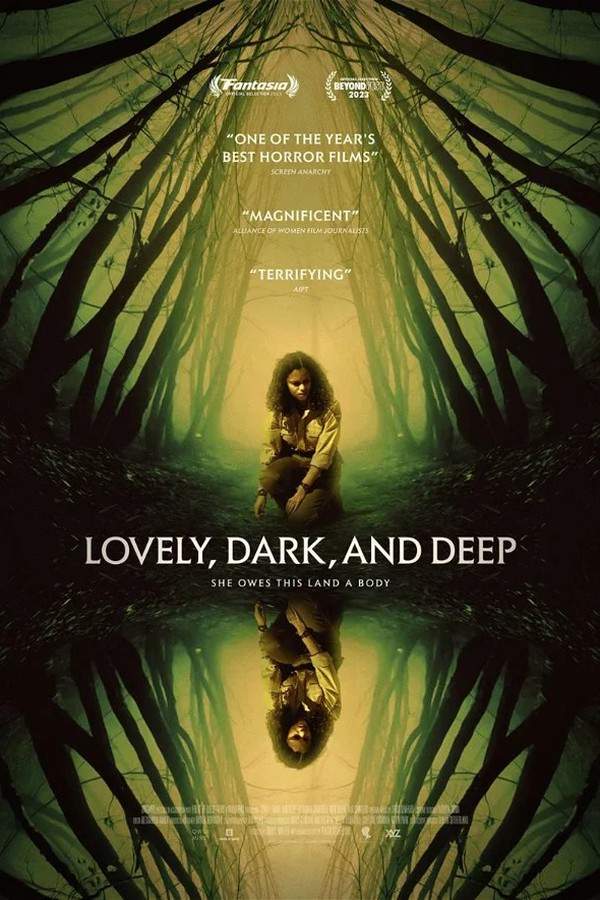

Movies about karmic cycles and past lives like Secret Sunday

Stories where sins of the past relentlessly haunt the present across lifetimes. For viewers who enjoyed the themes of past-life karma and interconnected trauma in Secret Sunday, this thread highlights similar movies. Discover complex stories where hidden histories and supernatural forces dictate a bleak and ambiguous fate, focusing on heavy themes of guilt and cyclical retribution.

  • melancholic
  • anxious
  • unsettling
  • somber
  • haunting
  • tragic
  • Tone: dark, bleak, serious
  • Pacing: variable, often slow to moderate
Why these movies?

The story pattern: The narrative pattern involves a nonlinear unraveling of a central mystery, where present-day characters are plagued by visions, curses, or inexplicable events that stem from unresolved past-life conflicts or ancestral sins. The story structure is often complex, weaving together timelines to reveal how individual fates are tragically linked.

Why they belong together: These movies share a core thematic focus on karma, fate, and the psychological impact of cyclical trauma. They feature complex plots, ambiguous or bleak endings, and a consistently dark, heavy tone that explores whether redemption is possible or if vengeance is an inevitable, relentless force.

Every angle

Secret Sunday (2010) Explained: Plot, Timeline & Characters

Everything about Secret Sunday in one place: what happens in the plot summary, the timeline in chronological order, the characters and meaning and a spoiler-free summary. What's After the Movie adds the cast, box office and post-credit scenes.

Coming soon on iOS and Android

The Plot Explained Movie Summary App

Plot summaries, endings explained and timelines on your phone. Catch up on any movie in minutes, save your favorites and never miss a twist again.

Be the first to know when we launch. Your email stays private, always.

Learn more about the app