Exploring sex and love from every angle, the film follows seven couples during a single afternoon on Hampstead Heath in north‑west London. Some seek intimacy, others need it, some reject it, and some even pay for it, revealing the minute motivations that drive us all.
Find where to stream, rent, or buy Scenes of a Sexual Nature (2006) in the US with current JustWatch availability, up-to-date pricing, and platform listings for subscription, rental, and digital purchase options.
Warning: spoilers below!
Haven’t seen Scenes of a Sexual Nature yet? This summary contains major spoilers. Bookmark the page, watch the movie, and come back for the full breakdown. If you're ready, scroll on and relive the story!
Read the complete plot breakdown of Scenes of a Sexual Nature (2006), including all key story events, major twists, and the ending explained in detail. Discover what really happened, and what it all means.
On a mosaic of London parks and grassy patches, a tapestry of fleeting, intimate moments unfolds, weaving together strangers who drift in and out of each other’s lives with quiet honesty and sometimes aching humor. The day-to-day lives of couples and singles collide and reconnect on benches, rugs, and open spaces where the city’s rhythm mirrors the heartbeat of human longing.
Jamie [Andrew Lincoln] and his wife Molly [Holly Aird] lie on the grass, chatting about football, maturity, and the awkward chemistry of desire. Their light banter slides into tension when Jamie’s gaze lingers on a pretty girl nearby, Sophie [Eglantine Rembauville-Nicolle]. When Molly presses him about the moment, he tries to deflect with a claim about a Camus-titled book, L’Etranger, and an imagined Western about a sheriff. To expose the lie, Molly circles back to Sophie herself, testing Jamie’s sincerity and appetite for honesty in a relationship that has become a careful performance rather than a straightforward conversation. The exchange reveals the fragility and fatigue of a union that once felt simple, now complicated by unspoken disappointments and the ache for something real beyond flirtation and excuses.
Iris [Eileen Atkins] and Eddie share a park bench, two widowed souls who discover they’ve been meeting on different days of the week for years. They wonder about the couple the bench is dedicated to, and as they compare notes, they uncover a shared memory: nearly fifty years ago they encountered one another at that very spot, starting a thread that neither fully forgot. As they climb toward higher ground together, they laugh at their aging bodies and the irony of fate, recognizing that the idealized partner of old has changed, and perhaps now only the memory of that partnership can still feel perfect. The old familiarity gives way to a cautious optimism—Eddie hints at future visits, while Iris makes a quiet peace with the present, even as she visits her former husband’s grave, appreciating the time they did share.
Anna [Sophie Okonedo] is a disturbed young woman haunted by mood swings, crying and arguing with her boyfriend Ludo [Nicholas Sidi], who ultimately walks away, ending the relationship. A stranger named Noel [Tom Hardy] approaches, showing a strange calm and a shy humor as he sits beside her and attempts small talk. He seems to float in and out of her emotional storm with a meditative stillness that unsettles and intrigues her. She asks him to leave, but he lingers, and their uneasy, volatile companionship begins—one that will recur as Noel reappears in the stories of other characters. Anna’s volatility and Noel’s enigmatic behavior create a tense, slippery tension that underscores how fragile emotional balance can be when someone is overwhelmed by emotion and the need for connection.
Gay life-partners Billy [Ewan McGregor] and Brian [Douglas Hodge] lie on the grass, trading observations about other men and the television show The Good Life as they navigate the complicated dance of love and fidelity. Billy’s appetite for casual encounters clashes with Brian’s desire for commitment, especially when they talk about starting a family. Billy promises to give up casual sex to make room for adoption, a promise that momentarily convinces Brian to entertain a future together. Yet desire, temptation, and the lure of the street life pull Billy away in a heartbeat, and he darts off after an attractive man, leaving Brian to wrestle with the pull of a life that might never align with his deepest hopes.
Peter Brian Maxwell [Adrian Lester] and Sara Louise Williams [Catherine Tate] meet on a different bench, newly minted exes who still carry love for one another and a seven-year-old daughter, Eve [Elle Mckenzie]. They have divorced amicably, convinced it was the best path, but their conversation reveals the tenderness and residual affection that remains between them. They acknowledge their shared past, their ongoing care for Eve, and the complicated blend of hope and sadness that accompanies letting go of a romantic chapter while clinging to the family they continue to nurture together.
Louis [Mark Strong] meets Esther [Polly Walker] and talks through the rites and rituals surrounding his father’s funeral. He offers Esther tickets for a Barbados holiday, and their conversation reveals the economics and etiquette of a relationship that doesn’t neatly fit into traditional roles. Esther discloses that she works as an escort and that the time they spend together was never meant to include sex, a truth that complicates their arrangement and casts a thoughtful light on the boundaries people set in pursuit of companionship and respite from loneliness.
Gerry [Hugh Bonneville] and Julia [Gina McKee] sit on a rug, sharing red wine and cheese while navigating the minefield of modern language about race and ethnicity. They reminisce about past relationships and the possibility of children, but Julia’s eyes keep drifting toward Louis in the room, stirring insecurity and a fear that age is closing doors. The date begins with promise and warmth, but when Julia is momentarily distracted by Louis, Gerry’s mood shifts, and he makes a swift exit, leaving Julia to confront the uneasy balance between connection and the space that remains between two people who once might have imagined a longer road together.
Through these interwoven scenes, the film meditates on the small, intimate acts that sustain or unravel relationships: the misread signals on a casual afternoon, the quiet courage to confront uncomfortable truths, and the stubborn, hopeful thread that keeps people returning to a shared place or a familiar routine. The city’s parks become a ground for testing devotion, aging, desire, and the fragile lines that separate loneliness from connection. In each vignette, ordinary conversations ripple into something lasting—whether that lasting feeling is the memory of a kiss, the comfort of a friend’s presence, or the stubborn belief that love sometimes persists in imperfect, tentative forms.
Last updated: October 09, 2025 at 16:43
Explore frequently asked questions about Scenes of a Sexual Nature (2006) with spoiler-rich answers covering the full plot summary, major story beats, character motivations, hidden details, and ending meaning. This movie summary FAQ helps explain confusing scenes, plot twists, and narrative decisions in clear, searchable detail.
Jamie lies because he's caught in a moment of desire that conflicts with his marriage vows. When Molly directly confronts him about his gaze lingering on Sophie, Jamie instinctively deflects by inventing false cultural references (a Camus book and a Western movie) rather than admitting his temptation. This lie exposes the deeper truth that their marriage has become a performance of honesty rather than actual openness, with Jamie hiding his true feelings to maintain peace.
Iris and Eddie realize they've been visiting the same park bench on opposite days of the week for years without knowing it. When they compare notes about the bench's dedication and share their personal histories, they uncover a shared memory: nearly fifty years ago they encountered each other at that exact spot. This revelation transforms their current friendship into something that feels fated, giving them cautious optimism about a future connection.
Noel is a mysterious, meditative man who drifts through several vignettes, sitting beside different characters at different points in the afternoon. He first appears with Anna, whose emotional volatility he meets with unusual calm, and then slips into other conversations throughout the park. His recurring presence serves as a thematic thread, suggesting that one quiet observer can connect disparate lives experiencing their own intimate moments of longing and connection.
Billy leaves because despite his genuine intention to commit to Brian and pursue adoption together, his underlying desire for casual encounters proves stronger than his commitment. Moments after making the promise, Billy spots an attractive man and immediately abandons Brian to pursue him. This reveals Billy's core conflict: he genuinely wants the stable family life Brian offers but cannot suppress his impulsive need for variety and instant gratification.
Esther reveals her profession as an escort because their conversation about the economics of their relationship demands honesty about its true nature. She clarifies that while she spends time with Louis as a companion, their arrangement was never meant to include sex, she's offering genuine companionship rather than paid sexual services. This confession complicates their dynamic, adding depth to what initially appears to be a transactional relationship.
Gerry leaves because Julia's repeated glances toward Louis trigger his insecurity about aging and losing romantic opportunities. During their date, Julia's distraction signals to Gerry that she may be more interested in Louis, confirming his fear that time is running out for both of them. This moment represents the fragile nature of new connections, he'd rather exit than face potential rejection.
Peter and Sara divorced because they recognized their relationship had evolved beyond romance into something more practical, even though genuine affection remained. Their conversation reveals they made the decision amicably, believing it was best for both them and their daughter Eve. They demonstrate that love can persist in a non-romantic form, with their continued co-parenting showing that family bonds outlast romantic ones.
Molly tests Jamie by returning to Sophie because she senses his deflection and wants to force genuine honesty. When Jamie claims he was looking at a book and invents a fake Western movie title, Molly sees through the lie immediately. Her method is to remove his cover story by approaching Sophie directly, forcing Jamie to either confess or be caught in his deception, this exposes the fatigue and unspoken disappointments that have accumulated in their marriage.
Louis offers the holiday tickets as a gesture of genuine connection beyond their current arrangement, revealing his feelings have developed beyond the practical companionship they initially agreed upon. The offer also represents his attempt to bridge the economic gap between them by giving something of significant value. This moment complicates their dynamic, as Esther must decide whether to accept without it becoming transactional.
Anna experiences intense mood swings that leave her crying and arguing, creating emotional chaos that drives Ludo away. When Noel approaches, he responds to her volatility with unusual stillness and gentle humor rather than attempting to fix or engage with her drama. His meditative presence seems to anchor her momentarily, offering the calm connection she desperately needs even as she pushes him away.
The park bench is dedicated to a couple whose names Iris and Eddie wonder about throughout their conversation. Rather than receiving a direct explanation, they use this mystery as a springboard to compare their own histories and discover their shared connection from fifty years prior. The bench serves as a symbolic anchor for the film's themes of enduring connection and the way places can hold memory.
Ludo leaves Anna because her unpredictable mood swings and emotional intensity become unbearable, pushing him beyond his capacity to cope. After crying and arguing with her, he ultimately walks away, ending the relationship. This departure sets the stage for Noel's arrival and highlights the film's exploration of how emotional volatility affects the possibility of connection.
Discover curated groups of movies connected by mood, themes, and story style. Browse collections built around emotion, atmosphere, and narrative focus to easily find films that match what you feel like watching right now.
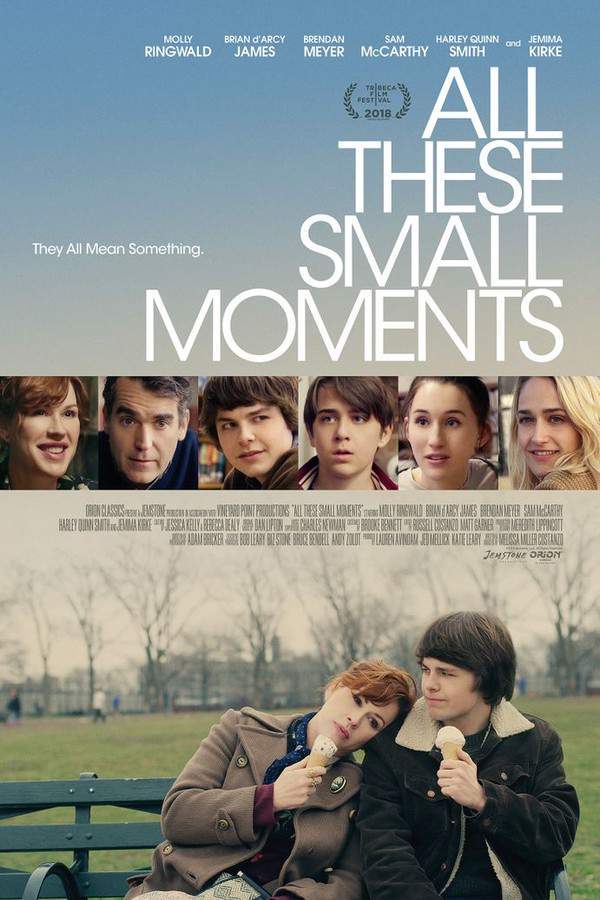
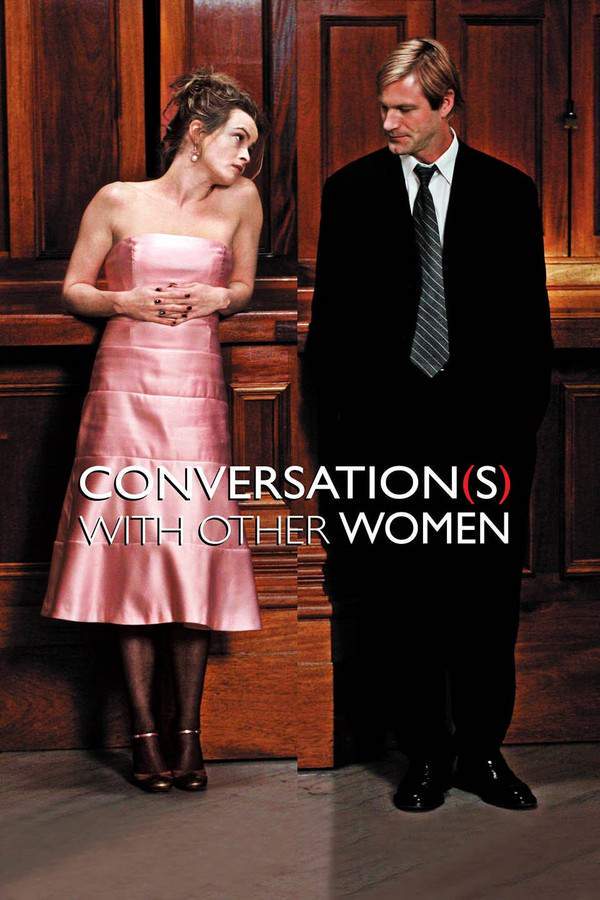
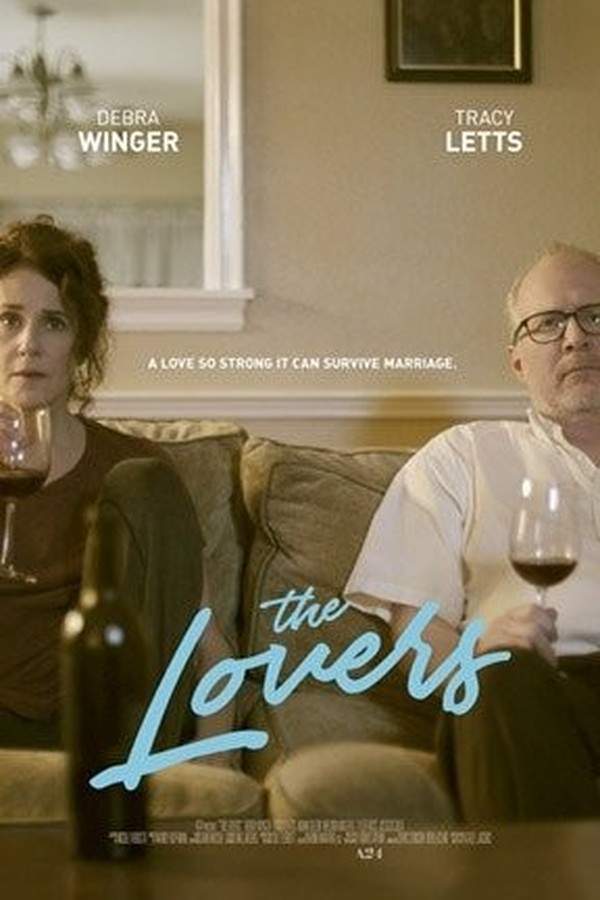
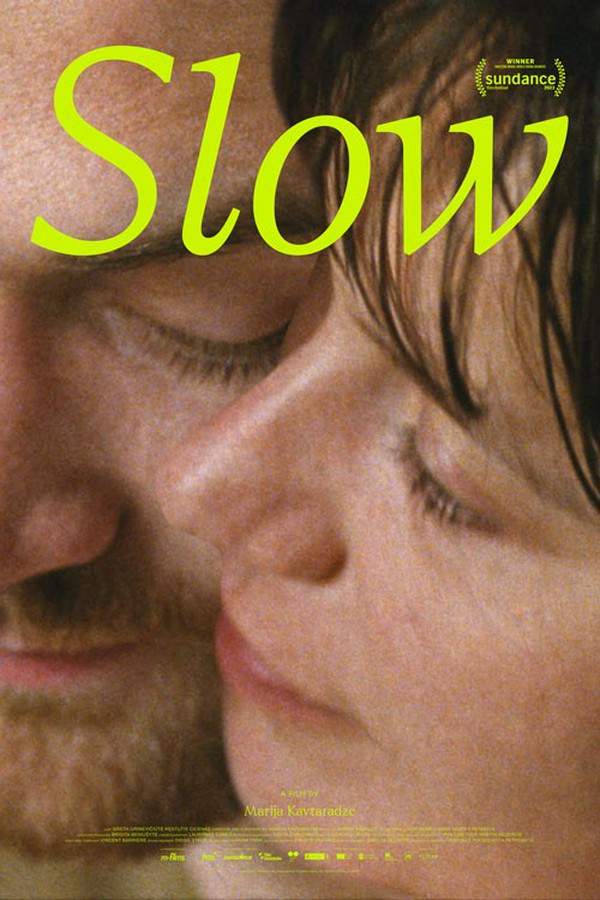
Stories that weave together multiple perspectives on love and human connection.If you enjoyed the interwoven stories of Scenes of a Sexual Nature, you'll find similar movies here. These films feature multiple couples or characters, exploring love and loneliness from various angles in a quiet, observational style that captures the fragility of human connection.
Narratives in this thread typically unfold through several parallel vignettes or character arcs, all linked by a common theme or setting. The structure is episodic, allowing for a deep dive into different emotional dynamics without forcing a conventional plot.
Movies are grouped here for their shared structure of multiple, interwoven relationship stories, their contemplative pacing, and their focus on the subtle textures of intimacy and emotional fragility.
Films that delve into emotional lives through subtle conversations and lingering moments.Fans of the reflective, conversation-driven style of Scenes of a Sexual Nature will appreciate these movies. They share a slow pace, medium emotional weight, and a focus on nuanced performances and intimate moments that reveal character depth.
The narrative pattern is less about plot progression and more about emotional revelation. Journeys are internal, conflicts are often interpersonal and subdued, and the resolution tends to be ambiguous or mixed, reflecting the complexities of real life.
These films are united by their slow, contemplative pacing, their medium intensity focused on emotional nuance, and their ability to find profundity in everyday interactions and quiet reflection.
Don't stop at just watching - explore Scenes of a Sexual Nature in full detail. From the complete plot summary and scene-by-scene timeline to character breakdowns, thematic analysis, and a deep dive into the ending - every page helps you truly understand what Scenes of a Sexual Nature is all about. Plus, discover what's next after the movie.
Track the full timeline of Scenes of a Sexual Nature with every major event arranged chronologically. Perfect for decoding non-linear storytelling, flashbacks, or parallel narratives with a clear scene-by-scene breakdown.
Discover the characters, locations, and core themes that shape Scenes of a Sexual Nature. Get insights into symbolic elements, setting significance, and deeper narrative meaning - ideal for thematic analysis and movie breakdowns.