Plot Explained Spoilers guaranteed!
Plot Explained

Browse by genre

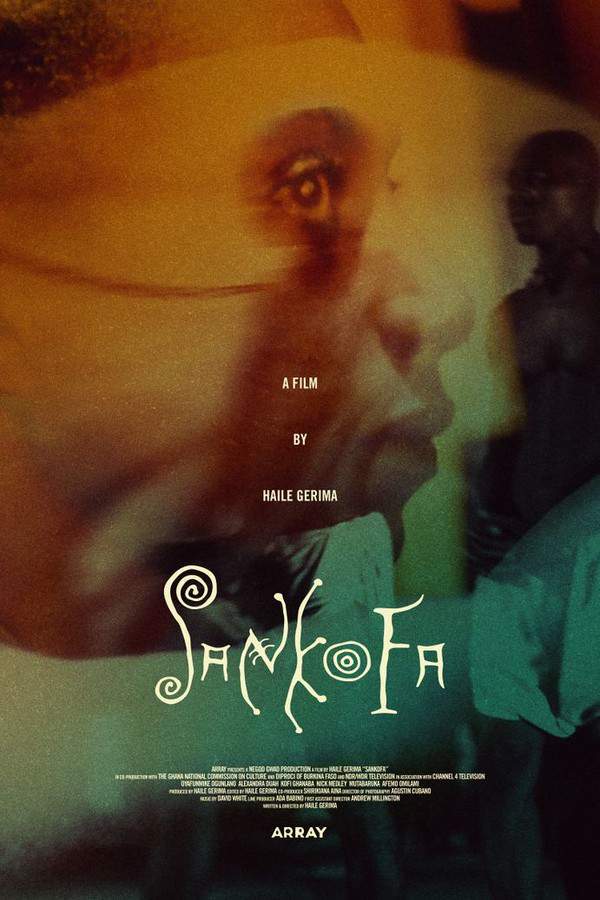
Sankofa (1993) movie poster

Characters & Themes

Sankofa (1993) Characters, Setting & Themes Explained

Release, runtime and language
1993 · 125 min · English
Directed by
Haile Gerima
Starring
Afemo Omilami, Alexandra Duah, Hasinatu Camara, Jimmy Lee Savage, Kofi Ghanaba, Mutabaruka

While on a photo shoot in Ghana, Mona, a Black American model, experiences a profound journey of self-discovery. She's unexpectedly transported back to the 19th century and finds herself living as Shola, a slave on a plantation. Through this experience, she confronts the harsh realities of slavery and finds connection and resilience in the community of enslaved Africans around her. She forges bonds with individuals like the rebellious Shango and the wise Nunu, ultimately rediscovering her heritage and the enduring power of the human spirit.

On this page (7)
  1. 1 Characters explained (8)
  2. 2 Where & when it takes place
  3. 3 Themes & meaning (3)
  4. 4 Character & meaning questions
  5. 5 Movie threads
  6. 6 Movies like Sankofa
  7. 7 Every angle

8 main characters · contains spoilers

Sankofa Characters Explained: Who Is Who

The main characters of Sankofa (1993), heroes and villains: what drives them, how they change over the course of the story and what each of them reveals about the film's bigger ideas.

  • Mona (Oyafunmike Ogunlano)

    A contemporary African-American model who is initially disconnected from her roots. Her encounter with Sankofa triggers a journey through memory, slavery's history, and awakening to ancestral heritage. Through the journey, Mona shifts from passivity to active embrace of her African identity.

    • 🧭 Identity
    • 🌍 Heritage
    • ✊ Empowerment
  • Sankofa (Kofi Ghanaba)

    An elderly drummer who channels the spirits of enslaved ancestors and acts as a guardian of sacred spaces. He tries to block tourists from Cape Coast Castle and leads Mona toward the memory of the Maafa. His music and chants anchor the film's spiritual current.

    • 🪘 Music
    • 🧭 Spirituality
    • 🛡️ Guardian
  • Shola (Alexandra Duah)

    A house servant who, through Sankofa's intervention, embodies the life of her enslaved ancestors. She gradually embraces rebellion, joins the secret society, and participates in the fight against cruelty. Shola's arc culminates in an act of defiance against her rapist master.

    • 🔥 Rebellion
    • 🕊️ Freedom
    • 🧭 Ancestry
  • Nunu (Alexandra Duah)

    An African-born field hand who remembers the old ways and embodies maternal strength. Her relationship with her mixed-race son Joe highlights the complexities of heritage and power. Nunu resists oppression and influences others toward resistance.

    • 🌍 Heritage
    • 💪 Resilience
    • 🧭 Memory
  • Shango (Mutabaruka)

    A rebellious West Indian slave who champions fellow slaves' freedom and often risks his own life. Named after the Yoruba god of thunder, he inspires others to resist cruelty and to challenge the system from within.

    • ⚡ Rebellion
    • 🛡️ Courage
    • 🗺️ Identity
  • Noble Ali (Afemo Omilami)

    A headman whose loyalty is split between his masters and his fellow slaves, showing both compassion and the realities of slave hierarchy. He deeply loves Nunu and seeks to protect her from harm.

    • ❤️ Loyalty
    • 🛡️ Protector
    • 🧭 Family
  • Joe (Nick Medley)

    Nunu's mixed-race son who is brainwashed by Father Raphel to view Africans as devils, causing him to become a harsh enforcer on the plantation. He ultimately commits a grave act against his mother before facing the consequences of his actions.

    • 💔 Conflict
    • 🧠 Indoctrination
    • 🔥 Consequences
  • Father Raphel (Reginald Carter)

    played by Reggie Carter

    The plantation's religious teacher who propagates anti-African ideology, portraying enslaved people as devil-worshippers and pushing Joe away from his roots. His indoctrination stands as a chilling example of how ideology can uphold oppression.

    • 🧠 Indoctrination
    • 💬 Oppression
    • ⛪️ Religion

Last updated: October 04, 2025 at 08:06

Was this helpful?

Setting

Where and When Does Sankofa Take Place?

The setting of Sankofa (1993): the year and time period, the places and locations, and how they shape the characters, the mood and the tension of the story.

Time period

18th–19th century to present day

The film juxtaposes the era of the transatlantic slave trade and plantation slavery with modern-day Ghana, weaving memories of enslaved ancestors into Mona’s contemporary awakening. It references the Maafa and the enduring impact of memory on identity. The present-day portion centers on reclaiming heritage and the healing power of reconnecting with African roots.

Location

Cape Coast Castle, Ghana, Lafayette plantation, Southern United States, Cape Coast beach, Ghana

The story moves between the Cape Coast Castle on Ghana's coast and the Lafayette plantation in the American South, tying sites of the Maafa to the present. Cape Coast Castle is depicted as a sacred, memory-filled space where enslaved Africans faced dehumanization, while the Lafayette plantation embodies the brutal system of bondage in the United States. The coastal setting in Ghana anchors the reincarnation of history as Mona reconnects with her roots.

  • 🌍 Historical Site
  • 🗺️ Cultural Heritage
  • 🧭 Sacred Ground

Last updated: October 04, 2025 at 08:06

Was this helpful?

3 major themes

Sankofa Meaning: Themes & Message Explained

What is Sankofa (1993) really about? The emotional, social and philosophical themes the film keeps returning to, its symbolism and the message beneath the surface.

  • Identity

    The narrative centers on reclaiming African roots that have been fragmented by slavery and diaspora. Mona’s journey mirrors a broader awakening to lineage and heritage, using Sankofa as a beacon to look back in order to move forward. The film emphasizes personal and collective identity forged through memory.

  • Resistance

    Enslaved characters resist oppression through secret societies, acts of rebellion, and the pursuit of freedom, often at great personal risk. The flames of revolt illuminate the cost and courage required to challenge the system. Shola’s and others’ actions underscore liberation as an act of defiance.

  • Spirituality

    Spiritual memory, drums, and ancestral rites frame the narrative, linking physical bondage to a living memory. Sankofa’s chants summon lingering spirits and rekindle connections to Africa. The spiritual realm guides resilience, healing, and the reclamation of identity.

Last updated: October 04, 2025 at 08:06

Was this helpful?

Character & theme questions

Sankofa Characters & Meaning: Your Questions Answered

The questions people ask about Sankofa (1993): who the characters really are, their relationships, what the symbols mean, where it takes place and what the movie is really about. Each answer contains spoilers.

Q1

Where is Sankofa set?

The film is set in two main locations: Cape Coast Castle on Ghana's coast and the Lafayette plantation in the American South. These settings tie the historical trauma of the transatlantic slave trade to Mona's modern-day journey of self-discovery.

  • cape coast castle
  • ghana
  • lafayette plantation
  • setting
  • american south
Q2

What time periods does Sankofa depict?

The film spans two eras, the 18th–19th century during plantation slavery and transatlantic slave trade, and modern-day Ghana. This dual timeline allows the story to weave memories of enslaved ancestors into Mona's contemporary awakening.

  • 18th century
  • 19th century
  • modern day
  • timeline
  • slave trade
Q3

What role does Cape Coast Castle play in the film?

Cape Coast Castle is depicted as a sacred, memory-filled space where enslaved Africans faced dehumanization before being forced onto ships. It serves as a site of ancestral memory where Mona reconnects with her roots and encounters Sankofa, the drummer who channels spirits of the enslaved.

  • cape coast castle
  • enslaved Africans
  • memory
  • sacred site
  • ghana
Q4

What are the main themes of Sankofa?

Sankofa explores three core themes: identity (reclaiming African roots fragmented by diaspora), resistance (the defiance of enslaved people against oppression), and spirituality (ancestral memory, drums, and rites that link physical bondage to living heritage).

  • identity
  • resistance
  • spirituality
  • themes
  • heritage
  • diaspora
Q5

How does Sankofa explore identity?

The narrative centers on reclaiming African roots that have been fragmented by slavery and diaspora. Mona's journey mirrors a broader awakening to lineage and heritage, using Sankofa, a symbol meaning to look back in order to move forward, as a beacon for personal and collective identity forged through memory.

  • identity
  • heritage
  • diaspora
  • ancestry
  • roots
  • mona journey
Q6

How does Sankofa portray resistance to slavery?

Enslaved characters resist oppression through secret societies, acts of rebellion, and the pursuit of freedom, often at great personal risk. Characters like Shango inspire others to challenge the system, and Shola joins the secret society, culminating in an act of defiance against her rapist master.

  • resistance
  • rebellion
  • secret society
  • slavery
  • freedom
  • shango
  • shola
Q7

What role does spirituality play in Sankofa?

Spiritual memory, drums, and ancestral rites frame the narrative, linking physical bondage to a living memory. Sankofa's chants summon lingering spirits and rekindle connections to Africa. The spiritual realm guides resilience, healing, and the reclamation of identity throughout the film.

  • spirituality
  • drums
  • ancestors
  • sankofa chants
  • memory
  • healing
Q8

Who is Mona in Sankofa?

Mona is a contemporary African-American model who is initially disconnected from her roots. Her encounter with Sankofa at Cape Coast Castle triggers a journey through memory, the history of slavery, and an awakening to her ancestral heritage. Through the experience, she shifts from passivity to actively embracing her African identity.

  • mona
  • protagonist
  • african american
  • identity
  • journey
  • awakening
Q9

Who is Sankofa in the film?

Sankofa is an elderly drummer who channels the spirits of enslaved ancestors and acts as a guardian of sacred spaces. He tries to block tourists from Cape Coast Castle and leads Mona toward the memory of the Maafa. His music and chants anchor the film's spiritual current.

  • sankofa
  • drummer
  • ancestor spirits
  • maafa
  • ghana
  • guardian
Q10

Who is Nunu in Sankofa?

Nunu is an African-born field hand who remembers the old ways and embodies maternal strength. Her relationship with her mixed-race son Joe highlights the complexities of heritage and power. Nunu resists oppression and influences others toward resistance throughout the film.

  • nunu
  • field hand
  • mother
  • heritage
  • joe
  • resistance
Q11

Who is Shango in Sankofa?

Shango is a rebellious West Indian slave who champions fellow slaves' freedom and often risks his own life. Named after the Yoruba god of thunder, he inspires others to resist cruelty and to challenge the system from within.

  • shango
  • west indian slave
  • rebellion
  • freedom
  • yoruba god
  • thunder
Q12

Who is Joe in Sankofa?

Joe is Nunu's mixed-race son who is brainwashed by Father Raphel to view Africans as devils. This causes him to become a harsh enforcer on the plantation. His tragic arc highlights how ideology can be used as a tool of oppression and the psychological damage of forced assimilation.

  • joe
  • brainwashing
  • father raphel
  • oppression
  • tragedy
  • mixed-race
Q13

Who is Father Raphel in the film?

Father Raphel is the plantation's religious teacher who propagates anti-African ideology. He portrays enslaved people as devil-worshippers and pushes Joe away from his African roots. His indoctrination serves as a chilling example of how religion can be weaponized to uphold systems of oppression.

  • father raphel
  • religion
  • brainwashing
  • oppression
  • ideology
  • plantation

Movie threads

More Movies Like Sankofa, by Mood & Story

Curated lists built around what makes Sankofa tick: the same mood, the same kind of story or the same emotional payoff. Each list explains why these movies belong together.

Movies about transcendent historical trauma like Sankofa

Characters journey through brutal history to reclaim their identity and purpose. If you were moved by Sankofa's journey into the past, explore other movies like it. These films use spiritual or fantastical elements to immerse characters—and viewers—in historical trauma, leading to powerful self-discovery and a reclaimed sense of identity.

  • transformative
  • haunting
  • spiritual
  • confrontational
  • resilient
  • somber
  • Tone: dark, transformative, hopeful
  • Pacing: steady, immersive
Why these movies?

The story pattern: Narratives often involve a dislocated protagonist who is spiritually or physically transported into a difficult historical period. They experience the brutality firsthand, forging bonds with those who endured it, and emerge transformed with a deep, personal understanding of their roots and a renewed sense of strength.

Why they belong together: These films are grouped by their shared approach to exploring painful history not just as a lesson, but as a visceral, transformative experience. They share a high emotional weight, a dark tone that gives way to hope, and a focus on the spiritual and psychological process of reclaiming a stolen or forgotten heritage.

Movies with soul-crushing to hopeful resilience like Sankofa

Stories of profound suffering that find a core of human strength and hope. For viewers who appreciated Sankofa's balance of brutal honesty and powerful hope. These similar drama films explore the darkest chapters of human experience but ultimately focus on the unbreakable spirit of resistance, community, and the fight for a better future.

  • oppressive
  • resilient
  • hopeful
  • somber
  • confrontational
  • transformative
  • Tone: dark, oppressive, ultimately hopeful
  • Pacing: steady, deliberate
Why these movies?

The story pattern: The narrative arc begins with the systematic breakdown of the protagonist's world, exposing them to unimaginable hardship. The central conflict revolves around enduring this oppression. The climax is not necessarily a physical victory, but a psychological or spiritual one—an act of rebellion, a forged bond, or a realization of inner strength that allows a hopeful resolution to emerge from the devastation.

Why they belong together: These movies are united by a specific emotional curve: they earn their hopeful endings by first immersing the audience in authentic, unflinching darkness. The similarity lies in the emotional payoff—the feeling of having endured a trial and emerging with a hard-won sense of hope that feels more powerful because of the suffering that preceded it.

If you liked this

Movies Like Sankofa

Similar movies to Sankofa: the same genre, themes or kind of story. Each one comes with its own plot summary, timeline and ending explained.

Browse all movie summaries

Every angle

Sankofa (1993) Explained: Plot, Timeline & Characters

Everything about Sankofa in one place: what happens in the plot summary, the timeline in chronological order, the characters and meaning and a spoiler-free summary. What's After the Movie adds the cast, box office and post-credit scenes.

Coming soon on iOS and Android

The Plot Explained Movie Summary App

Plot summaries, endings explained and timelines on your phone. Catch up on any movie in minutes, save your favorites and never miss a twist again.

Be the first to know when we launch. Your email stays private, always.

Learn more about the app