The Color Purple

The Color Purple

Year: 2023

Runtime: 2 h 20 m

Language: English

Director: Blitz Bazawule

Echo Score: 78

Budget: $100M

DramaMusical

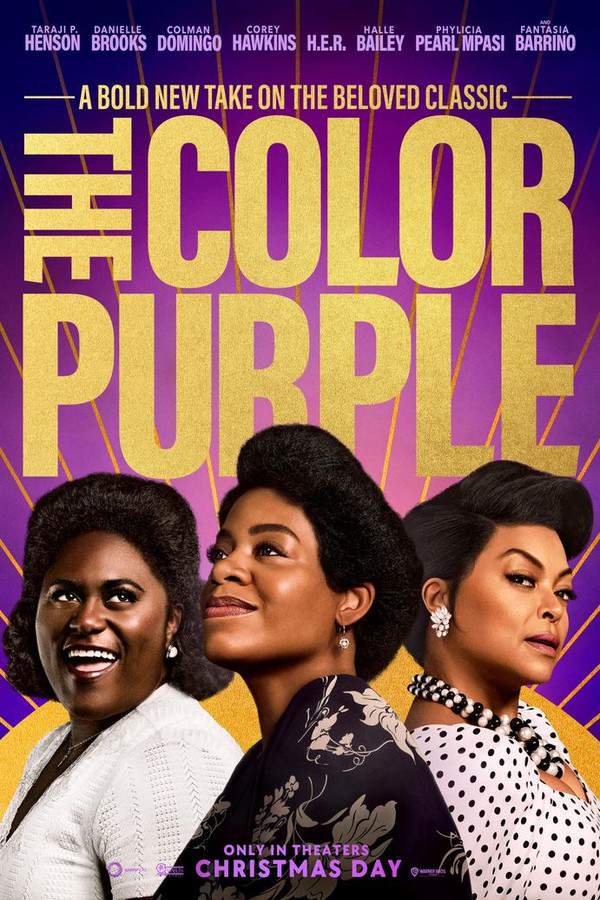
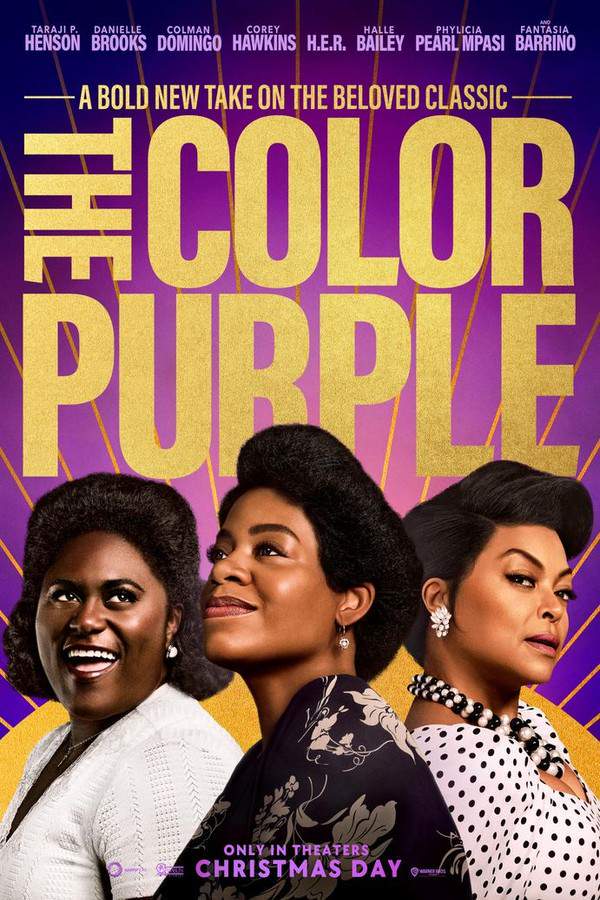
This is a decades-spanning story of a woman's journey to independence, based on the novel and Broadway musical. Facing numerous hardships, Celie ultimately discovers extraordinary strength and hope through the unbreakable bonds of sisterhood.

Warning: spoilers below!

Haven’t seen The Color Purple yet? This summary contains major spoilers. Bookmark the page, watch the movie, and come back for the full breakdown. If you're ready, scroll on and relive the story!

The Color Purple (2023) – Full Plot Summary & Ending Explained

Read the complete plot breakdown of The Color Purple (2023), including all key story events, major twists, and the ending explained in detail. Discover what really happened—and what it all means.

In the scorching heat of 1909 Georgia, two sisters, Celie (Phylicia Pearl Mpasi) and Nettie (Halle Bailey), cherish playful moments during a carefree afternoon, engaging in clapping games while the somber ambiance of their small town’s Sunday church service looms nearby. However, this brief joy is shadowed by dire realities. Celie, who is expecting her second child from her abusive father Alfonso (Deon Cole), faces the heartbreaking truth that he will take her newborn away, as he did with her first daughter, Olivia (Tiffany Elle Burgess). While working in a local shop, Celie’s heart aches as she spies the woman caring for her daughter, a constant reminder of lost opportunities and unfulfilled dreams.

As the sisters endure their struggles together, they find solace in each other’s companionship, a sentiment echoed in their mantra to “Keep It Movin’.” Yet, their bond is tested when Nettie becomes the object of affection for Albert “Mister” Johnson (Colman Domingo), who is determined to marry her. Despite Alfonso’s initial hesitation, he ultimately forces Celie into a marriage that plunges her deeper into a life filled with despair and servitude.

In her domineering new home, Celie is subjected to a grueling existence as Mister’s servant and caretaker for his sons, often facing brutal punishment for any perceived disobedience. Meanwhile, Nettie yearns for freedom and returns to Celie when their father’s tyranny becomes unbearable. At first, she is dismissed by Mister, who disregards her ambitions for education and independence. However, the sisters’ indomitable connection proves resilient, enabling them to endure even the harshest tribulations.

As shadows loom ever larger in their lives, Nettie must flee from Mister after he attempts to assault her, intensifying the need for self-defense. Choosing survival over safety, she must abandon Celie but promises to stay in touch, continually affirming the strength of their sibling bond even amidst separation and adversity.

The story shifts to 1917, where Fantasia Barrino reprises her powerful role as Celie, still trapped under Mister’s thumb but deeply involved in the chaotic romance between Harpo (Corey Hawkins) and Sofia (Danielle Brooks), who stands her ground with fiery tenacity against her husband. As Celie grows closer to Sofia, who reveals her difficulties with Harpo’s impotence to assert himself, it becomes clear that marital dynamics are intriguingly complex.

As time passes, a juke joint that Harpo builds becomes a stage for the arrival of the spirited Shug Avery (Taraji P. Henson), whose dramatic reappearance rattles the lives of everyone around her. As Celie cares for Shug, the two women develop an unexpected camaraderie that helps Celie find her voice against Mister’s oppression. This newfound friendship flourishes amidst an impending crescendo as Shug prepares to embark on a journey of self-discovery, leaving Celie yearning for stability in an unstable world.

As fate continuously weaves its intricate web through their lives, Celie’s happiness is disrupted once again when she receives a letter from her long-lost sister, filled with revelations of Nettie’s newfound life and resolve in Africa. Nettie has taken Celie’s children and integrated them into a local tribe’s community, showcasing the deeply interwoven lives they lead.

In a shocking turn of events, the narrative weaves in more turmoil when Sofia is jailed after a confrontation with the mayor’s wife, leading to six years of incarceration. As Easter Sunday unfolds, with reunions and family tensions climaxing around the dinner table hosted by Mister, Celie’s suppressed frustrations explode, leading to a confrontation that finally liberates her from the chains of her old life. In a decisive act of defiance, she declares her intent to leave Mister and create a future without the torment she has endured.

As Celie rekindles her existence with Shug in Memphis, she channels her creativity through writing and rekindling bonds with her family while establishing a thriving pants shop supported by newfound friendships. As the chapters of her life unfold, she discovers both the joys and the heartaches that accompany personal growth and healing.

As she sings triumphantly, “I’m Here,” her path converges with the celebration of independence and love, culminating in a breathtaking Fourth of July where her long-lost sister Nettie (Ciara) returns, along with her children, celebrating a reunion steeped in the gratitude and understanding of life’s journey through “The Color Purple.”

Last Updated: November 22, 2024 at 19:23

Ending Explained – What Happens at the End of The Color Purple?

Still wondering what the ending of The Color Purple (2023) really means? Here’s a spoiler-heavy breakdown of the final scene, major twists, and the deeper themes that shape the film’s conclusion.

The ending of The Color Purple is a powerful and emotional culmination of Celie’s journey toward self-acceptance, love, and forgiveness. After many years of suffering and hardship, Celie finally finds happiness and peace as she reconnects with her sister Nettie, whom she believed to be dead. Throughout the story, Celie’s letters reveal the truth that Nettie is alive and living in Africa, a fact kept hidden from her by Mister, who resented their correspondence. When Shug Avery discovers Nettie’s letters, Celie is able to finally write back to her sister and open the door to reunion.

In the final scenes, Celie has established her life as a successful businesswoman and a woman who has learned to love herself. She inherits her mother’s house and land, learning that her true biological father was not Alfonso, but her real father who had been taken from her at a young age. Celie’s growth is reflected in her singing about her newfound happiness and self-love while her children and extended family gather around her. Mister, having suffered losses and having recognized his past wrongs, makes amends by selling land to help Celie and suggesting they could be friends. Despite his abusive past, Celie’s capacity for forgiveness and her happiness in her relationships mark her emotional emancipation. The film closes with a scene of family and friendship, symbolizing her healing and newfound love, as well as the emotional strength of the women who have fought to break free from oppression. Though Mister’s actions cannot erase the pain he caused, his efforts at redemption show that even in a life of hardship, forgiveness and growth are possible. The story ultimately celebrates the resilience, love, and courage of women, ending on a note of hope, reconciliation, and renewal.**

Last Updated: June 25, 2025 at 09:01

Mobile App Preview

Coming soon on iOS and Android

The Plot Explained Mobile App

From blockbusters to hidden gems — dive into movie stories anytime, anywhere. Save your favorites, discover plots faster, and never miss a twist again.

Sign up to be the first to know when we launch. Your email stays private — always.

Explore Movie Threads

Discover curated groups of movies connected by mood, themes, and story style. Browse collections built around emotion, atmosphere, and narrative focus to easily find films that match what you feel like watching right now.

Movies about resilient triumphs like The Color Purple

Stories where enduring great hardship leads to a powerful, hopeful victory.Discover more movies like The Color Purple, where characters endure severe hardships but ultimately achieve a powerful, uplifting victory. If you liked Celie's journey from oppression to self-discovery, you'll find similar stories of resilience and hope in these emotionally heavy yet triumphant films.

resilientupliftingtriumphantharrowinghopefulheartfeltsorrowfulempowering

Narrative Summary

The narrative pattern follows a protagonist through a sustained period of suffering, often systemic or personal oppression. The arc is defined by gradual endurance and small acts of resistance, building towards a climax of liberation, empowerment, or self-actualization that feels earned and transformative.

Why These Movies?

These movies are grouped together because they share a core emotional journey: starting in a place of profound darkness and culminating in a hard-won, deeply hopeful light. They balance heavy emotional weight with an ultimately uplifting and empowering resolution.

Movies about sisterhood and found family like The Color Purple

Epic stories where powerful bonds between women provide salvation and strength.Explore movies similar to The Color Purple that celebrate the power of sisterhood and found family. If you were moved by the bonds between Celie, Nettie, and Shug, you'll appreciate these epic, character-driven stories about women supporting each other through life's greatest challenges.

heartfeltupliftingsorrowfulresilienthopefulepiccharacter-drivenemotional

Narrative Summary

The narrative is a sweeping, character-driven saga that unfolds over a long period. The central conflict is often external oppression or hardship, but the core of the story is the development and testing of deep, platonic bonds between women. These relationships are the primary engine for character growth and plot resolution.

Why These Movies?

These films are grouped by their focus on female-centric, non-romantic relationships as the primary source of strength and resolution. They share a steady pacing suited for epic character development and a tone that balances the weight of struggle with the warmth of profound connection.

Unlock the Full Story of The Color Purple

Don't stop at just watching — explore The Color Purple in full detail. From the complete plot summary and scene-by-scene timeline to character breakdowns, thematic analysis, and a deep dive into the ending — every page helps you truly understand what The Color Purple is all about. Plus, discover what's next after the movie.

The Color Purple Timeline

Track the full timeline of The Color Purple with every major event arranged chronologically. Perfect for decoding non-linear storytelling, flashbacks, or parallel narratives with a clear scene-by-scene breakdown.

The Color Purple Timeline

Characters, Settings & Themes in The Color Purple

Discover the characters, locations, and core themes that shape The Color Purple. Get insights into symbolic elements, setting significance, and deeper narrative meaning — ideal for thematic analysis and movie breakdowns.

Characters, Settings & Themes in The Color Purple

The Color Purple Ending Explained

What really happened at the end of The Color Purple? This detailed ending explained page breaks down final scenes, hidden clues, and alternate interpretations with expert analysis and viewer theories.

The Color Purple Ending Explained

The Color Purple Spoiler-Free Summary

Get a quick, spoiler-free overview of The Color Purple that covers the main plot points and key details without revealing any major twists or spoilers. Perfect for those who want to know what to expect before diving in.

The Color Purple Spoiler-Free Summary

More About The Color Purple

Visit What's After the Movie to explore more about The Color Purple: box office results, cast and crew info, production details, post-credit scenes, and external links — all in one place for movie fans and researchers.

More About The Color Purple

Similar Movies to The Color Purple

Discover movies like The Color Purple that share similar genres, themes, and storytelling elements. Whether you’re drawn to the atmosphere, character arcs, or plot structure, these curated recommendations will help you explore more films you’ll love.