Year: 2006
Runtime: 107 min
Language: Japanese
Directors: Yimou Zhang, Yasuo Furuhata
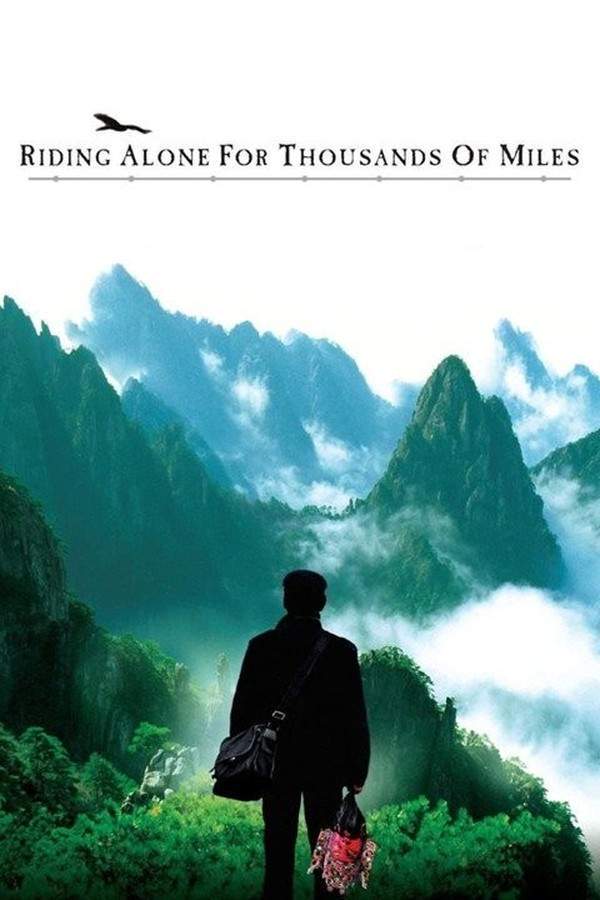
A Japanese fisherman embarks on a deeply moving journey when he discovers his estranged son is gravely ill in Tokyo. While reconnecting with his son, he unexpectedly finds himself helping a grieving Chinese opera star search for his own lost child. This heartfelt quest explores themes of family, regret, and the profound bonds that connect people across generations and cultural divides, ultimately offering a path towards healing and reconciliation.
Find where to stream, rent, or buy Riding Alone for Thousands of Miles (2006) in the US with current JustWatch availability, up-to-date pricing, and platform listings for subscription, rental, and digital purchase options.
Warning: spoilers below!
Haven’t seen Riding Alone for Thousands of Miles yet? This summary contains major spoilers. Bookmark the page, watch the movie, and come back for the full breakdown. If you're ready, scroll on and relive the story!
Explore the full timeline and setting of Riding Alone for Thousands of Miles (2006). Follow every major event in chronological order and see how the environment shapes the story, characters, and dramatic tension.
Last updated: October 22, 2024 at 21:28
Meet the key characters of Riding Alone for Thousands of Miles (2006), with detailed profiles, motivations, and roles in the plot. Understand their emotional journeys and what they reveal about the film’s deeper themes.
Last updated: October 22, 2024 at 21:28
Explore the central themes of Riding Alone for Thousands of Miles (2006), from psychological, social, and emotional dimensions to philosophical messages. Understand what the film is really saying beneath the surface.
Last updated: October 22, 2024 at 21:28
Browse frequently asked questions about Riding Alone for Thousands of Miles (2006) focused on characters, relationships, themes, symbols, setting, and story context. This movie info FAQ gives spoiler-aware explanations for character arcs, world details, and thematic interpretation so readers can better understand what the film is really about.
The film is set across multiple locations, primarily in Japan (Akita and Tokyo) and China (Yunnan province, including the Village of Li, Stone Village, and Lijiang). The contrast between the serene Japanese countryside and the bustling city life of Tokyo frames the father's emotional journey.
The film is a fictional drama, though it draws on universal themes of family, loss, and reconciliation that resonate with real human experiences. The story was directed by Zhang Yimou and written specifically to explore cross-cultural emotional connections.
The film explores three interconnected themes: reconciliation, as Gouichi seeks to heal his broken relationship with his estranged son; journey, both as a literal physical travel from Japan to China and as a metaphorical emotional transformation; and loss, which manifests through multiple characters dealing with grief, estrangement, and death.
Reconciliation represents Gouichi's attempt to mend the strained bond with his son Kenichi, who is gravely ill. The theme extends beyond their relationship to connect Gouichi with Chinese opera star Li Jiamin, showing how reconciliation can transcend personal history and cultural divides. It explores the longing for forgiveness and the complexities of familial love.
Gouichi's physical journey from Japan to China mirrors his internal emotional journey toward understanding and healing. Each location shift represents a step in processing his grief over his estranged relationship with his son and his wife's death. The travel itself becomes transformative, with interactions along the way deepening his self-awareness.
Takata Gouichi is a Japanese fisherman and devoted father struggling with unresolved family tensions. After learning his son Kenichi is gravely ill in Tokyo, he embarks on a journey to reconnect. His character embodies themes of love, sacrifice, and the desire for redemption as he confronts his past mistakes and seeks forgiveness.
Kenichi is Gouichi's estranged son, portrayed by Kiichi Nakai. His serious illness serves as the catalyst that drives Gouichi's journey toward reconciliation. Though seen primarily through memories and reflections, Kenichi represents the painful emotional barriers within families and the weight of past decisions that create lasting rifts between parents and children.
Li Jiamin is a Nuo opera artist whose own struggles with fatherhood parallel Gouichi's journey. While in China, Gouichi helps Li search for his lost child, creating a poignant parallel between their stories. Li represents the cultural richness of Chinese opera and the role of artistry in expressing deep human emotions across different cultures.
Yang Yang is a young boy who has been abandoned by his mother while his father is imprisoned. His interactions with Gouichi become pivotal to the narrative, showcasing innocence against the backdrop of loss. Yang Yang represents the deep-seated need for love and connection that transcends generational and cultural boundaries.
The film is set in contemporary times, depicting modern familial struggles and cross-cultural encounters between Japan and China. While no specific year is given, the setting reflects present-day life in both countries, allowing the timeless themes of loss, regret, and connection to resonate across generations.
The title 'Riding Alone for Thousands of Miles' reflects Gouichi's literal solo journey from Japan to China in search of reconciliation with his son. It also symbolizes the emotional isolation he experiences and the universal human journey through grief, regret, and the search for connection across vast distances, both geographical and emotional.
Discover curated groups of movies connected by mood, themes, and story style. Browse collections built around emotion, atmosphere, and narrative focus to easily find films that match what you feel like watching right now.
Quiet stories of older characters seeking to mend fractured family bonds.Find movies like Riding Alone for Thousands of Miles that explore themes of late-life regret and the quest for family reconciliation. If you were moved by the elderly protagonist's heartfelt journey, you'll appreciate these similar stories about older characters mending broken bonds.
The narrative follows an elderly character, often a father or mother, who is spurred by a crisis to attempt to fix a strained relationship with their child. The journey is often external—a physical trip—but serves as a metaphor for the internal emotional voyage, full of introspection and small, meaningful encounters that pave the way for catharsis.
These films are grouped by their focus on the specific emotional arc of an older generation confronting past failures. They share a contemplative mood, a heavy emotional weight centered on grief and regret, and a tone that balances deep melancholy with glimmers of hard-won peace.
Emotional quests that bridge cultural divides to explore universal themes.Discover movies similar to Riding Alone for Thousands of Miles that feature profound cross-cultural journeys. If you enjoyed the heartfelt connection formed across borders in this film, you'll find more stories where personal healing is found through understanding and empathy in a different culture.
A protagonist, burdened by personal grief or a mission, travels to a country with a different language and customs. Their initial purpose is specific, but the journey evolves into a series of human connections that transcend cultural barriers, teaching them about themselves and the universal nature of their emotional struggle.
This thread connects films that use a cultural journey as the central vessel for an emotional story. They share a bittersweet tone, a focus on humanistic themes, and a narrative structure where healing is achieved indirectly through helping others in a foreign context, leading to a deeply moving and reflective experience.
Don't stop at just watching - explore Riding Alone for Thousands of Miles in full detail. From the complete plot summary and scene-by-scene timeline to character breakdowns, thematic analysis, and a deep dive into the ending - every page helps you truly understand what Riding Alone for Thousands of Miles is all about. Plus, discover what's next after the movie.
Read a complete plot summary of Riding Alone for Thousands of Miles, including all key story points, character arcs, and turning points. This in-depth recap is ideal for understanding the narrative structure or reviewing what happened in the movie.
Track the full timeline of Riding Alone for Thousands of Miles with every major event arranged chronologically. Perfect for decoding non-linear storytelling, flashbacks, or parallel narratives with a clear scene-by-scene breakdown.