













Plot Explained Spoilers guaranteed!
Plot Explained

Browse by genre

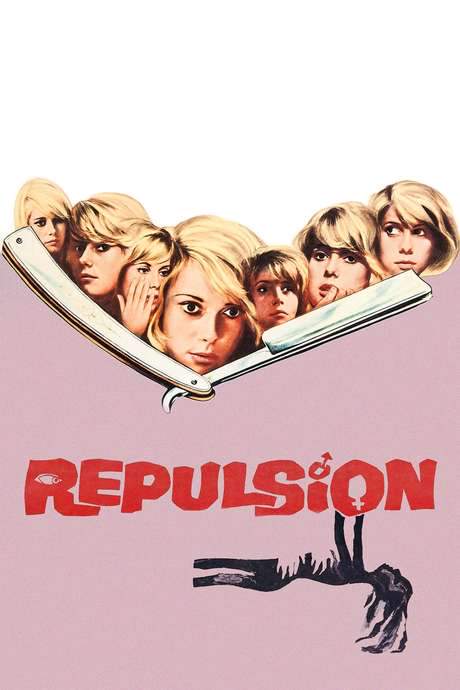
Repulsion (1965) movie poster

Timeline

Repulsion (1965) Timeline Explained – Every Event in Order

Release, runtime and language
1965 · 105 mins · English
JustWatch #15,373 14
Starring
Catherine Deneuve, Roman Polanski, Ian Hendry, John Fraser, James Villiers, Patrick Wymark

Carole, a young manicurist haunted by an intense fear of men, is left alone in her London flat when her sister and roommate Helen departs for an Italian vacation with her married boyfriend. Isolated, Carole’s anxiety spirals into terrifying hallucinations, blurring dream and reality, and driving her toward a shocking mental breakdown.

On this page (6)
  1. 1 Where to watch
  2. 2 Events in order (15)
  3. 3 Timeline questions answered
  4. 4 Movie threads
  5. 5 Movies like Repulsion
  6. 6 Every angle

Where to watch

Where to Watch Repulsion (1965)

Where can you watch Repulsion? Stream, rent or buy it in the US, including on Brew, fuboTV and Midnight Pulp: current JustWatch availability with up-to-date prices.

Streaming availability powered by JustWatch

15 events in order · contains spoilers

Repulsion Timeline: Events in Chronological Order

Every key event of Repulsion (1965) in order, scene by scene, with when and where it takes place. Use it to untangle flashbacks, time jumps and parallel storylines, to refresh your memory before the sequel or to find the exact scene you are thinking of.

  1. Carol's awkward courtship begins

    Carol Ledoux, a shy Belgian manicurist in London, struggles with everyday social interaction. Colin pursues her with fervent interest, while Carol remains distant and uneasy about forming a relationship. Her discomfort is amplified by the tense dynamic between her sister Helen and Helen's lover Michael.

    When
    Afternoon
    Where
    London
  2. Colin's advances escalate

    Colin spots Carol on her walk home, offers her a ride, and drives her back to her apartment. He repeatedly tries to kiss her, but she pulls away and retreats upstairs to brush her teeth and cry. The encounter leaves Carol shaken and increasingly withdrawn.

    When
    Evening
    Where
    London street and Carol's apartment
  3. Carol withdraws at work

    Back at the salon, Carol becomes noticeably distant, barely speaking to coworkers or customers. Her erratic behavior alarms her colleagues, and her boss sends her home early for the day. The social friction foreshadows a deeper breakdown.

    When
    Day
    Where
    Salon
  4. Helen and Michael depart for Italy

    That night, Helen and Michael leave for Italy on holiday, leaving Carol alone in the apartment. The absence of others heightens her sense of isolation. She begins to confront a space filled with Michael's belongings and the echo of their relationship.

    When
    Night
    Where
    Apartment
  5. First signs of isolation and disturbances

    Over the following days, Carol experiences unsettling signs of a fraying mind: a crack appears in the pavement, a dark figure seems to loom in the mirror, and she is haunted by unseen footsteps. She misses three days of work as her grip on reality loosens. The apartment closes in around her as fear grows.

    When
    Night
    Where
    Apartment
  6. Bath incident and wall cracks intensify

    One morning she runs a bath and leaves it running, letting it overflow. A wall behind the bathroom begins to crack, and she locks herself in her room while hearing footsteps. She experiences a rape-like hallucination, further blurring the line between dream and reality.

    When
    Morning
    Where
    Apartment
  7. Colin calls and attempts to reconnect

    Returning to the outside world, Colin tries to reach Carol by phone, but she refuses to answer and hangs up. The interruption reopens the emotional wound left by their earlier encounter. Her distance toward others remains unbroken.

    When
    Night
    Where
    Apartment
  8. Salon incident and the rabbit head

    At the salon, Carol accidentally cuts the finger of a client during a manicure, triggering concern from coworkers. A coworker later discovers an uncooked rabbit head in Carol's purse, a grotesque sign of her deteriorating mental state. The alarming incident foreshadows the violence to come.

    When
    Day
    Where
    Salon
  9. Old family photo and mirror crack

    Back at the apartment, Carol stares at an old family photo and the wall behind it shatters like a mirror. The image seems to reflect her fractured perception of reality. The room's strange changes intensify her confusion and fear.

    When
    Evening
    Where
    Apartment
  10. Colin breaks in and is killed

    Colin arrives at the apartment and Carol refuses to open the door, so he breaks in. He proclaims his love, and Carol responds with lethal resolve, bludgeoning him to death with a candlestick. She then cleans the blood, barricades the door, and places the body in the bathtub, while the rape hallucination continues in her sleep.

    When
    Evening
    Where
    Apartment
  11. Hands emerge from the walls

    After the murder, Carol wanders the dark hallway where hands seem to reach from the cracks in the walls and grab her. The claustrophobic space becomes a living threat as her paranoia deepens. The line between sleep and wakefulness remains obscured.

    When
    Night
    Where
    Apartment
  12. Telephone cut off during a confrontation

    The angry wife of Michael calls, seeking Helen, but Carol cuts the telephone wire to prevent being found. The act underscores her severing ties to the outside world. The apartment settles into a deafening, silent tension.

    When
    Night
    Where
    Apartment
  13. Rent day turns deadly

    The landlord arrives to collect rent, but Carol has barricaded herself away. He tries to rape her when she does not respond; she pushes him off and uses Michael's straight razor to hack him to death. The violence drags her deeper into her mental abyss.

    When
    Night
    Where
    Apartment
  14. Helen and Michael return and chaos erupts

    Helen and Michael return to a ruined apartment, and Michael discovers Colin's corpse in the bath. Helen finds Carol under her bed in a catatonic state as neighbors flood the room. Michael carries Carol out of the apartment, a chilling smile on his face as the scene collapses into chaos.

    When
    Morning
    Where
    Apartment
  15. Final photograph and implied past

    In the living room, a family photograph shows a young Carol, seemingly glaring at an older male figure in the image while others smile for the camera. The shot hints at a troubling past and a deep-seated loathing that haunts her. The ending leaves the viewer with a haunting sense of psychological collapse.

    When
    Ending
    Where
    Living room

Last updated: October 09, 2025 at 11:18

Was this helpful?

Timeline questions answered

Repulsion Timeline Explained: Your Questions Answered

When does it happen, and why in that order? The questions people ask about the chronology of Repulsion (1965): time jumps, flashbacks, cause and effect between scenes and the correct order of events, each answered with spoilers.

Q1

Why does Carol have such an intense fear of men?

Carol's deep-seated fear of men stems from unresolved childhood trauma, as hinted at in the final family photograph where young Carol glares with obvious loathing at an older male figure while everyone else smiles. This trauma manifests as severe psychological distress that she can no longer contain once isolated from her sister.

Foreshadowing: The final family photo shows young Carol's visible discomfort around men, suggesting the fear predates the film's events.

  • carol fear of men
  • psychological breakdown
  • childhood trauma
  • male fear
Q2

Why does Carol kill Colin?

Colin breaks into Carol's apartment despite her refusal to answer the door, and when he proclaims his love and attempts to touch her, Carol reacts with lethal violence, bludgeoning him with a candlestick. This act represents her extreme psychological break triggered by feeling physically and emotionally trapped by his persistent advances.

Foreshadowing: Carol's earlier encounters with Colin showed her retreating and brushing her teeth obsessively after his kisses, indicating building revulsion.

  • colin murder
  • carol kills
  • violence
  • sexual rejection
Q3

What triggers Carol's mental breakdown?

Carol's breakdown is triggered by the combination of extreme isolation after Helen leaves, the constant presence of Michael's belongings reminding her of the couple's sexual relationship, and her underlying psychological fragility. Left alone in the apartment, her grip on reality dissolves into hallucinations and violent episodes.

Foreshadowing: Carol's discomfort with Michael's items in the bathroom foreshadows how these intrusions accumulate into psychological horror.

  • mental breakdown
  • isolation
  • hallucination
  • psychological horror
Q4

Why does Carol have rape hallucinations?

Carol experiences terrifying rape hallucinations that blur reality and fantasy, representing her repressed trauma and extreme fear of male sexual intrusion. These visions occur as she loses her grip on reality, with the apartment itself becoming a space of violation and threat.

Foreshadowing: The sounds of Helen and Michael together through the walls create an environment of sexual intrusion that fuels Carol's fears.

  • rape hallucination
  • sexual trauma
  • fear of intrusion
  • psychological terror
Q5

What does Carol do with Colin's body after killing him?

After bludgeoning Colin to death with a candlestick, Carol cleans the blood, barricades the front door, and places his body in the bathtub. When Helen and Michael return, Michael discovers Colin's corpse in the bath, revealing the full extent of Carol's violence.

Foreshadowing: Carol's methodical cleaning suggests pre-meditated action even within her unstable state.

  • colin body
  • bathtub
  • murder cleanup
  • discovery
Q6

Why does Carol kill the landlord?

The landlord, Patrick Wymark, arrives to collect rent and propositions Carol sexually in exchange for overlooking the damages. When he tries to force himself on her, Carol defends herself using Michael's straight razor, killing him in a desperate act of self-preservation that echoes her rape hallucinations.

Foreshadowing: Carol's earlier use of Michael's razor foreshadows its return as a weapon.

  • landlord murder
  • patrick wymark
  • sexual assault
  • self defense
Q7

Why does Carol cut the telephone wire?

When Michael's angry wife calls seeking Helen, Carol cuts the telephone wire, severing her last connection to the outside world. This act represents her complete withdrawal from reality and desire to remain isolated in her fractured mental space.

Foreshadowing: Earlier, Carol refuses to answer Colin's phone calls, establishing her pattern of cutting ties.

  • phone wire
  • isolation
  • disconnection
  • outside world
Q8

What is the significance of the rabbit's head in Carol's purse?

A coworker discovers an uncooked rabbit's head in Carol's purse, a grotesque symbol of her disconnection from normal life and escalating mental disturbance. The grotesque object represents her fractured relationship with reality and foreshadows the violence to come.

Foreshadowing: The rabbit in the fridge earlier signals Carol's abandonment of normal eating rituals.

  • rabbit head
  • symbol
  • mental deterioration
  • gross-out
Q9

Why does Carol see a dark figure in the mirror?

When Carol tries on one of Helen's dresses, she sees a dark figure reflected in the mirror, a manifestation of her fears and the apartment's ability to transform into a space of horror. The reflection suggests the room itself is learning to imitate her terrors.

Foreshadowing: Carol's habit of brushing her teeth obsessively reflects her need to clean away perceived contamination.

  • mirror figure
  • reflection
  • hallucination
  • fear manifestation
Q10

Why does Carol barricade herself in the apartment?

After killing Colin, Carol barricades the front door, creating a desperate fortress that also becomes a prison. This act represents her attempt to keep the outside world out while being trapped inside with her own hallucinations and the corpse.

Foreshadowing: Carol's pattern of retreating to her room and locking herself away builds to this final isolation.

  • barricade
  • isolation
  • prison
  • self-imprisonment
Q11

Why does Helen leave Carol alone in the apartment?

Helen leaves for Italy with her married lover Michael without considering Carol's ability to cope alone, despite knowing her sister's fragile mental state. This abandonment triggers the isolation that accelerates Carol's complete psychological breakdown.

Foreshadowing: Helen's relationship with Michael already creates tension, as Carol distrusts him.

  • helen leaves
  • abandonment
  • isolation
  • sister relationship
Q12

What does the cracking wall represent in the film?

The wall behind the bathroom cracks and eventually shatters like a mirror, reflecting Carol's fractured mental state. As her grip on reality dissolves, the apartment itself appears to tear apart, with physical decay mirroring psychological collapse.

Foreshadowing: A small crack in the pavement earlier mirrors the fracture beginning in Carol's mind.

  • wall crack
  • mirror
  • psychological decay
  • symbolism
Q13

What state is Carol in when Helen returns?

When Helen and Michael return, they find Carol crouched under her bed in a catatonic state, unresponsive to the world around her. Michael carries her out of the apartment with an unsettling smile, leaving her fate ambiguous but implying she will be institutionalized or otherwise contained.

Foreshadowing: Carol's earlier withdrawal into silence and locked rooms prefigures this complete shutdown.

  • catatonic
  • ending
  • helen returns
  • institutionalization

Movie threads

More Movies Like Repulsion, by Mood & Story

Curated lists built around what makes Repulsion tick: the same mood, the same kind of story or the same emotional payoff. Each list explains why these movies belong together.

Movies with a fractured psyche like Repulsion

Movies that plunge you into a character's disintegrating perception of reality. Discover movies that, like Repulsion, place you inside a character's disintegrating mind. These films use subjective cinematography and narrative to blur reality and hallucination, perfect for viewers seeking similar psychological horror and intense character studies of mental collapse.

  • subjective
  • unreliable narrator
  • hallucinatory
  • paranoid
  • disorienting
  • fragmented
  • Tone: dark, unsettling
  • Pacing: slow, deliberate
Why these movies?

The story pattern: The narrative pattern follows a character's internal collapse, where external events are interpreted through their deepening psychosis. The story structure often becomes non-linear, incorporating flashbacks, dreams, and paranoid distortions that challenge the audience to piece together what is objectively real.

Why they belong together: These films are grouped by their commitment to a subjective, internal perspective. They share a common goal of making the audience experience mental illness, paranoia, or dissociation firsthand, prioritizing psychological authenticity over conventional plot.


Claustrophobic horror movies in confined spaces like Repulsion

Stories where a familiar safe space transforms into a source of primal fear. If you liked the oppressive atmosphere of Repulsion, explore these movies where a home becomes a prison of the mind. These stories feature intense isolation, psychological dread, and terror that grows within confined, familiar spaces, offering a similar vibe of domestic horror.

  • claustrophobic
  • isolating
  • oppressive
  • domestic terror
  • anxious
  • slow burn
  • Tone: oppressive, anxious
  • Pacing: slow burn
Why these movies?

The story pattern: The narrative is typically confined to a single primary location. The tension builds from isolation and the invasion of privacy, either by external forces or, more chillingly, by the protagonist's own deteriorating mental state. Everyday objects and sounds become charged with menace.

Why they belong together: These movies are united by the central theme of the home as a site of horror. They share a mood of extreme claustrophobia and anxiety, generated by the slow transformation of a safe space into a labyrinth of fear, often focusing on a single character's psychological battle.

If you liked this

Movies Like Repulsion

Similar movies to Repulsion: the same genre, themes or kind of story. Each one comes with its own plot summary, timeline and ending explained.

Browse all movie summaries

Every angle

Repulsion (1965) Explained: Plot, Timeline & Characters

Everything about Repulsion in one place: what happens in the plot summary, the timeline in chronological order, the characters and meaning and a spoiler-free summary. What's After the Movie adds the cast, box office and post-credit scenes.

Coming soon on iOS and Android

The Plot Explained Movie Summary App

Plot summaries, endings explained and timelines on your phone. Catch up on any movie in minutes, save your favorites and never miss a twist again.

Be the first to know when we launch. Your email stays private, always.

Learn more about the app