Plot Explained Spoilers guaranteed!
Plot Explained

Browse by genre

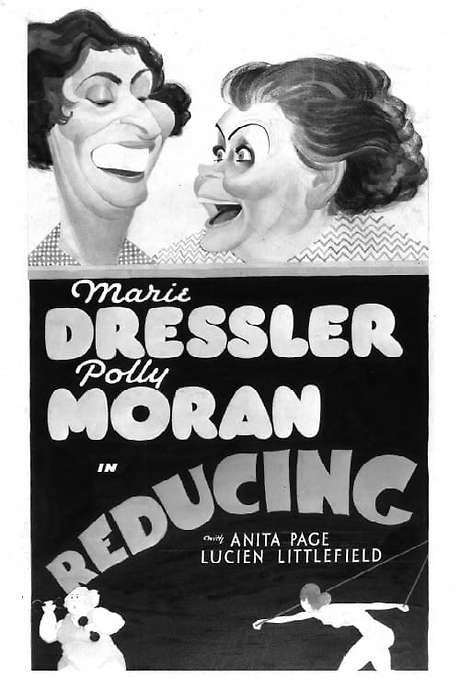
Reducing (1931) movie poster

Plot Summary

Reducing (1931) Plot Summary Explained

Release, runtime and language
1931 · 77 mins · English
Loading streaming availability…
Directed by
Charles Reisner
Starring
Roscoe Ates, William Collier Jr., Anita Page, William Bakewell, Polly Moran, Bobby Dunn

A woman and her family leave their small, rural hometown to assist her sister’s bustling city beauty salon. As they adjust to urban life, they confront culture shock, the pressures of new expectations, and the struggle to keep their values intact while chasing elusive dreams. The film mixes humor with a search for identity amid chaotic change.

On this page (6)
  1. 1 Where to watch
  2. 2 What happens: full plot
  3. 3 Plot questions answered
  4. 4 Movie threads
  5. 5 Movies like Reducing
  6. 6 Every angle
Loading streaming availability…

Full plot summary · contains spoilers

What Happens in Reducing: Full Plot Summary

The whole story of Reducing (1931) explained, from the opening scene to the final frame: every key event, every twist and what it all adds up to. Read it as a quick recap before the sequel, to check a scene you missed, or to finally understand what really happened.

In New York City, the snobbish Madame Polly Rochay runs an exclusive beauty parlor that specializes in weight reduction. When she learns that her sister, Marie Truffle, is destitute, Polly Rochay decides to bring Elmer Truffle and their three children—Vivian Truffle, Jerry Truffle, and Marty Truffle—from South Bend, Indiana, to live with them in the city. Joyce Roche, Polly’s socialite daughter, objects to this intrusion, arguing that the Truffles are too unrefined to join the Rochays. Yet Polly believes in family loyalty, and stubbornly welcomes the clan into their upscale home.

As the Truffles settle in, Polly puts Marie Truffle to work at the salon, while Elmer hunts for a steady job as a mail carrier. Joyce resents the presence of the ill-mannered kin, and Polly finds herself taking sides with her daughter when the meddlesome Marie Truffle causes trouble—one mishap even results in Polly getting locked inside the steam room, a moment that heightens the tension between rival families. The sisters’ quarrel spills over to their daughters, and Polly bluntly demeans Vivian’s prospects, claiming that she’ll never meet the same caliber of men Joyce does. The air grows thick with snobbery and sarcasm as the two households clash over class, manners, and romance.

The situation intensifies when Joyce goes out on a date with her sophisticated, playboy sweetheart, Johnnie Beasley. Polly Rochay boasts that Johnnie is the superior catch, while Marie Truffle counters that Vivian Truffle is dating someone from “one of the oldest families in South Bend.” Johnnie and Joyce’s evening together ends with Vivian meeting Johnnie and making an immediate impression on him, stirring jealousy in Joyce. The next day, Vivian calmly accepts a lunch date with Johnnie, hoping Joyce will be there too.

Meanwhile, Marie Truffle stirs the pot through a string of small missteps in the salon, and the brewing feud between the cousins reaches a breaking point. After spurning Tommy Haverly—Vivian’s own beau from South Bend—Vivian continues to pursue Johnnie, and Joyce’s suspicions about her sister’s influence grow stronger. The simmering tension finally boils over when Marie’s interference pushes Joyce to the brink, and Polly confronts the reality that her pride may be blinding her to her daughter’s happiness.

Three months pass, and the Truffles have carved out a life of their own, while Johnnie has been dating Vivian and will escort her to a party. On the night of Vivian and Johnnie’s date, Joyce seeks Marie’s help, admitting she’s in “terrible trouble” and hoping for a way out of the mess her family has created. Moved by the imploring plea, Marie agrees to step in. She goes to Johnnie’s place to confront him, armed with a Civil War revolver that, as she quips, “hasn’t worked since Bull Run.”

> hasn’t worked since Bull Run

At Johnnie’s, Vivian flees as Johnnie and her mother’s footsteps approach the door. Marie enters and accuses the young playboy of turning Joyce’s head with luxury and status, then claims that she’s not worthy of Joyce’s love and that Johnnie should marry her niece instead. Johnnie, who admits his actions might offend Joyce’s father, agrees to marry Marie’s niece. He declares his intentions, but the confession leaves Joyce heartbroken—yet the wedding between Joyce and Johnnie becomes a turning point, a moment of reckoning for both families.

Polly, initially unaware of Marie’s orchestration, phones to celebrate Joyce’s marriage and to remind Marie that Vivian should have “stayed in her own class.” Yet Joyce, desiring reconciliation between her mother and aunt, reveals everything and explains Marie’s involvement. The revelation softens Polly’s posture, and she visits her sister to express gratitude, ultimately forgiving Marie. In the end, the families find a fragile, but hopeful, harmony, proving that love and forgiveness can bridge even the widest social divides.

Last updated: October 09, 2025 at 11:24

Was this helpful?

Plot questions answered

Reducing Plot Explained: Your Questions Answered

The questions people ask most about Reducing (1931): what happens in the confusing scenes, why the characters do what they do, the twists, hidden details and what the ending means. Each answer contains spoilers.

Q1

Why does Polly invite her destitute sister Marie's family to live with them?

Polly Rochay decides to bring her sister Marie Truffle and her family from South Bend to New York after learning that Marie is destitute. Despite her daughter Joyce's strong objections that the Truffles are too unrefined for their upscale lifestyle, Polly values family loyalty above social standing and stubbornly welcomes her kin into their home.

Foreshadowing: Earlier, the film establishes Polly as someone who values family bonds over social pretension, making her decision feel consistent with her character.

  • polly rochay
  • marie truffle
  • family loyalty
  • new york
  • invitation
Q2

Why does Marie confront Johnnie with a Civil War revolver?

Marie visits Johnnie Beasley armed with an old Civil War revolver that she jokes "hasn't worked since Bull Run" to confront him about turning Joyce's head with luxury and status. While the gun is non-functional (maintaining the film's comedy tone), the confrontation is serious, Marie demands that Johnnie marry her niece instead of leading Joyce on, using the dramatic gesture to force him to take responsibility for his actions.

Foreshadowing: The earlier rivalry between Vivian and Joyce over Johnnie builds tension toward this confrontation.

  • marie truffle
  • johnnie beasley
  • revolver
  • confrontation
  • marriage
Q3

How does Johnnie end up marrying Joyce instead of Vivian?

After Marie confronts Johnnie with the revolver, he agrees to marry Marie's niece rather than continue his pursuit of Vivian. Johnnie admits that his father would consider him a "rotter" for how he's treated Joyce. This leads to Johnnie proposing to Joyce instead, and they marry, but Joyce believes Johnnie chose her over Vivian because he genuinely loved her, not realizing Marie's forceful intervention made the difference.

Foreshadowing: The rivalry between Vivian and Joyce over Johnnie, combined with Marie's meddling nature, sets up this reversal.

  • johnnie beasley
  • joyce rochay
  • marriage
  • vivian truffle
  • proposal
Q4

Why does Marie lie to Joyce about Johnnie's intentions?

After confronting Johnnie, Marie tells Joyce that Johnnie was never truly interested in her, he was only courting Joyce to provoke Vivian's jealousy. This lie keeps Joyce unaware that Marie actually forced Johnnie's hand through her confrontation. The deception buys time and allows the wedding to proceed without Joyce knowing her aunt orchestrated the outcome.

Foreshadowing: Marie has been meddling throughout the film, so her tendency to manipulate situations aligns with her character.

  • marie truffle
  • johnnie beasley
  • joyce rochay
  • lie
  • deception
Q5

What causes Polly and Marie to reconcile after their feud?

Polly and Marie reconcile after Joyce reveals the full truth about Marie's involvement in securing her marriage to Johnnie. Initially, Polly had called to gloat that Vivian should have "stayed in her own class," unaware that Marie orchestrated the wedding. Once Joyce confesses everything, Polly's posture softens. She visits Marie to express gratitude, and the sisters forgive each other, with their families finding harmony.

Foreshadowing: Earlier, Polly tells Vivian she'll never meet men of Joyce's caliber, a snobbery that makes her eventual forgiveness more meaningful.

  • polly rochay
  • marie truffle
  • reconciliation
  • sisters
  • forgiveness
Q7

Why does Polly initially side with Joyce against Marie?

Polly takes Joyce's side when the tension between the families escalates, particularly after Marie causes mishaps at the salon, ,包括一次把波莉锁在蒸汽房里。波莉还公开贬低维维安的前景,暗示她的社交圈子永远达不到乔伊斯的水准。这反映出波莉的势利倾向,尽管她最初欢迎了表妹一家。

Foreshadowing: Earlier, Polly boasts about Johnnie being a superior catch compared to Vivian's boyfriend from South Bend.

  • polly rochay
  • joyce rochay
  • marie truffle
  • side
  • tension
Q7

Why does Joyce ask Marie for help despite their earlier conflicts?

Three months after being kicked out, Joyce visits Marie and admits she's in "terrible trouble," begging her aunt for help. Desperate to resolve the messy situation her family has created, specifically her complicated feelings for Johnnie, Joyce swallows her pride and seeks Marie's assistance, even though they had been feuding. Moved by Joyce's sincere plea, Marie agrees to intervene.

Foreshadowing: Joyce's jealousy over Johnnie's interest in Vivian has been building throughout the film, making her desperation believable.

  • joyce rochay
  • marie truffle
  • help
  • desperation
  • conflict resolution
Q8

Why does Vivian continue pursuing Johnnie when she has Tommy?

Vivian accepts Johnnie's lunch date even though she already has a boyfriend, Tommy Haverly from South Bend. She deliberately hopes Joyce will be there too, showing she's willing to compete for Johnnie despite having a steady beau. This choice creates conflict with Joyce and contributes to the romantic rivalry between the cousins.

Foreshadowing: The earlier comparison between Tommy's "old family" background and Johnnie's sophistication sets up this rivalry.

  • vivian truffle
  • johnnie beasley
  • tommy haverly
  • rivalry
  • jealousy
Q9

What triggers the final breakdown between the two families?

The families reach their breaking point after Marie's continued interference at the salon, when Joyce insults Vivian, Marie strikes Joyce in response. This physical altercation, combined with the ongoing romantic tensions and class-based arguments, causes Polly to tell the Truffles to leave the Rochay household. The sisters' quarrel has finally escalated beyond repair, temporarily.

Foreshadowing: The steam room incident and earlier insults foreshadow this explosive moment.

  • marie truffle
  • joyce rochay
  • fight
  • family breakdown
  • polly rochay
Q10

How do the families ultimately find harmony?

After the truth emerges about Marie's role in securing Joyce's marriage, both sisters set aside their feud. Polly visits Marie to thank her, and they forgive each other. The film ends with the families achieving a fragile but hopeful harmony, proving that love and forgiveness can bridge social divides, even after months of conflict, jealousy, and miscommunication.

Foreshadowing: The title "Reducing" ironically suggests both weight loss and social class reduction, hinting at the eventual equality between families.

  • reconciliation
  • families
  • harmony
  • forgiveness
  • ending

Movie threads

More Movies Like Reducing, by Mood & Story

Curated lists built around what makes Reducing tick: the same mood, the same kind of story or the same emotional payoff. Each list explains why these movies belong together.

Urban Fish Out of Water Comedies like Reducing

Lighthearted tales of rural characters navigating the chaos and customs of city life. If you liked the culture clash and comedic mishaps in Reducing, you'll enjoy these other movies about rural characters in the big city. Discover films with similar light-hearted chaos, family-focused humor, and the theme of finding home amid urban absurdity.

  • humorous
  • culture-clash
  • hopeful
  • chaotic
  • family-focused
  • snobbish
  • Tone: light, humorous
  • Pacing: steady, situational
Why these movies?

The story pattern: These stories typically begin with a character or group's arrival in an unfamiliar city. The plot revolves around their attempts to adapt, leading to a series of humorous misunderstandings and social faux pas. The central conflict is often internal—a struggle between old values and new opportunities—resolved through self-discovery and newfound confidence.

Why they belong together: Movies are grouped here for their shared focus on the comedic potential of cultural displacement. They share a light tone, a steady pace that allows for situational comedy, and a core theme of personal growth through humorous adversity, ultimately leading to a positive resolution.

Family Feuds with Heartwarming Endings like Reducing

Stories where family arguments and rivalries give way to forgiveness and unity. Fans of the family squabbles and ultimate forgiveness in Reducing will love this collection. Explore movies where sibling rivalry, social climbing, and comedic conflicts are resolved with warmth and hopeful conclusions, capturing the messy but loving nature of family.

  • family-focused
  • rivalrous
  • forgiving
  • hopeful
  • humorous
  • chaotic
  • Tone: light, hopeful
  • Pacing: steady
Why these movies?

The story pattern: The narrative pattern involves a close-knit family unit thrown into disarray by internal competition, external pressures, or differing ambitions. The plot escalates through a series of rivalrous or chaotic events, but the stakes remain personal rather than life-threatening. The resolution hinges on a moment of clarity or shared hardship that leads to mutual understanding and a happy, harmonious ending.

Why they belong together: These films are grouped by their specific emotional recipe: they blend humorous family conflict with a genuinely hopeful core. The similarity lies in the moderate intensity of the feuds, the light emotional weight, and the guaranteed payoff of a happy, unifying finale that leaves viewers feeling warm.

If you liked this

Movies Like Reducing

Similar movies to Reducing: the same genre, themes or kind of story. Each one comes with its own plot summary, timeline and ending explained.

Browse all movie summaries

Every angle

Reducing (1931) Explained: Plot, Timeline & Characters

Everything about Reducing in one place: what happens in the plot summary, the timeline in chronological order, the characters and meaning and a spoiler-free summary. What's After the Movie adds the cast, box office and post-credit scenes.

Coming soon on iOS and Android

The Plot Explained Movie Summary App

Plot summaries, endings explained and timelines on your phone. Catch up on any movie in minutes, save your favorites and never miss a twist again.

Be the first to know when we launch. Your email stays private, always.

Learn more about the app