Story of a rebellious young woman, Kayalvizhi, who is forced to choose between principle and patriarchy.
Warning: spoilers below!
Haven’t seen Raghu Thatha yet? This summary contains major spoilers. Bookmark the page, watch the movie, and come back for the full breakdown. If you're ready, scroll on and relive the story!
Explore the full timeline and setting of Raghu Thatha (2024). Follow every major event in chronological order and see how the environment shapes the story, characters, and dramatic tension.
Last updated: October 01, 2025 at 09:53
Meet the key characters of Raghu Thatha (2024), with detailed profiles, motivations, and roles in the plot. Understand their emotional journeys and what they reveal about the film’s deeper themes.
Last updated: October 01, 2025 at 09:53
Explore the central themes of Raghu Thatha (2024), from psychological, social, and emotional dimensions to philosophical messages. Understand what the film is really saying beneath the surface.
Last updated: October 01, 2025 at 09:53
Browse frequently asked questions about Raghu Thatha (2024) focused on characters, relationships, themes, symbols, setting, and story context. This movie info FAQ gives spoiler-aware explanations for character arcs, world details, and thematic interpretation so readers can better understand what the film is really about.
Kayalvizhi Pandian is the protagonist, a sharp and principled bank clerk at Madras Central Bank who harbors feminist beliefs. She writes covertly under the male pseudonym Ka. Pandian to challenge gender biases in readership and voice progressive ideas. Throughout the story, she navigates family pressure to marry while protecting her independence and confronting regressive suitors.
Raghu Thatha is Kayal's grandfather, portrayed as a veteran who embodies the older generation's values and affectionate pragmatism. He experiences stomach pain that leads to a misdiagnosis, symbolizing the fragility of life. His three final wishes become a driving force in Kayal's decisions, adding emotional stakes to the marriage plotline.
Valluvanpettai is the Tamil village setting where Kayal's family lives and where social norms and community judgments heavily shape daily life. The location represents the rural traditional backdrop that contrasts with Kayal's urban workplace in Madras, highlighting the tension between traditional expectations and modern independence.
Madras (modern-day Chennai) is where Kayal works as an upper-division clerk at the Madras Central Bank. It represents the urban institutional space that offers her professional opportunities and a degree of autonomy away from the village's traditional constraints. The city serves as both her workplace and a symbol of modern professional life.
The core narrative centers on Kayal's feminist ideals and her struggle against gendered norms. She writes as Ka. Pandian specifically to bypass readership biases and make a statement about female authorship. Her actions challenge the expectation that women should accept traditional roles, particularly when marriage is used as social leverage against independent women.
Kayal adopts the male pseudonym Ka. Pandian to counter gender biases in readership and publishing. The pen name allows her to voice progressive ideas without facing the discrimination that female authors often encounter. This dual identity highlights how women must often craft alternative voices in male-dominated spaces to be heard.
Hindi imposition and the reopening of the Hindi Sabha serve as major political catalysts in the story. The plot juxtaposes linguistic nationalism with regional Tamil identity, showing how language politics can collide with personal freedom. Kayal's resistance to Hindi imposition mirrors a broader struggle for cultural self-determination within Tamil society.
Kayal uses education, specifically passing the Hindi exam, as a tool to gain promotion and protect her autonomy. The plan to subvert the exam process underscores education as a path to empowerment rather than just advancement. This theme connects personal growth to wider social change, demonstrating how learning can disrupt oppressive norms.
Tamilselvan Selvan is an engineer older than Kayal by seven years. He initially presents as progressive and protective but gradually exposes his chauvinistic tendencies. He follows Kayal, questions her secrecy, and pretends reform to influence her life choices, serving as a representation of men who mask patriarchal views under a veneer of modernity.
Lakshmi Amma is Kayal's mother who embodies traditional expectations and applies pressure for Kayal to marry. Her stance mirrors societal norms and provides a counterpoint to Kayal's modern, independent approach. She represents the generational divide and the internal family dynamics that Kayal must navigate while pursuing her principles.
Ranganathan is the antagonistic Hindi Sabha leader who seeks revenge for past humiliation. He pushes to reopen the Hindi Sabha and uses political maneuvering to challenge Kayal and the broader Tamil cultural landscape. He drives the central political conflict of the plot by weaponizing language policy.
Calcutta is referenced as a potential posting for Kayal, representing a wider national stage for opportunity and cultural tension. The option of pursuing the Calcutta transfer becomes a practical solution discussed by Kayal and her brother Shankar, symbolizing escape from local constraints and the possibility of starting fresh in an unfamiliar environment.
Kayal's dual identity as Kayalvizhi and Ka. Pandian highlights how women craft their own voices amid male-dominated spaces. The anonymous pen name reveals tensions between public visibility and personal safety. The theme explores authenticity, readers' assumptions, and the power of narrative to influence real-world choices.
Shankar is Kayal's brother who supports her plan to resist regressive matches and encourages practical solutions, including the option of pursuing the Calcutta transfer. He provides a familial perspective to the debate over tradition and progress, acting as an ally in Kayal's struggle for autonomy.
Discover curated groups of movies connected by mood, themes, and story style. Browse collections built around emotion, atmosphere, and narrative focus to easily find films that match what you feel like watching right now.
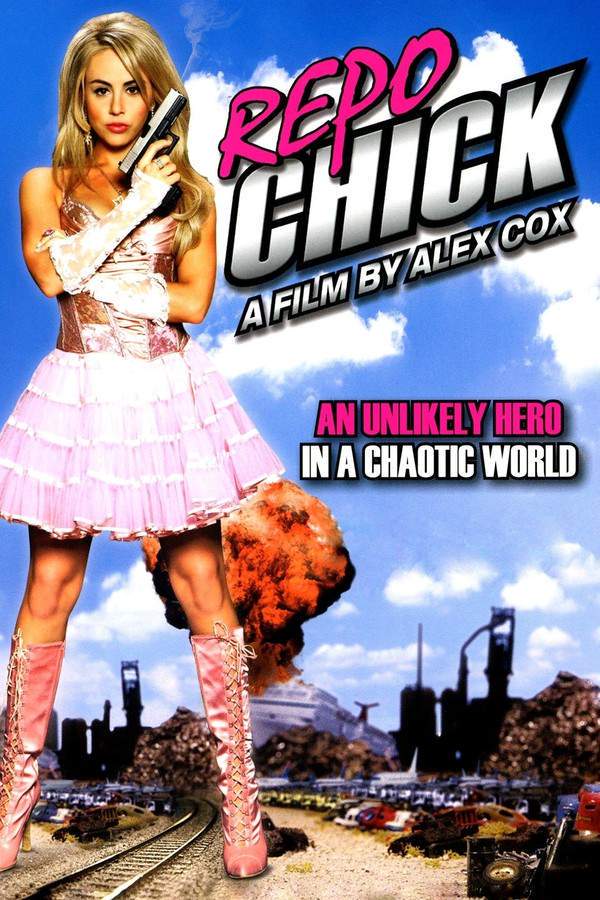
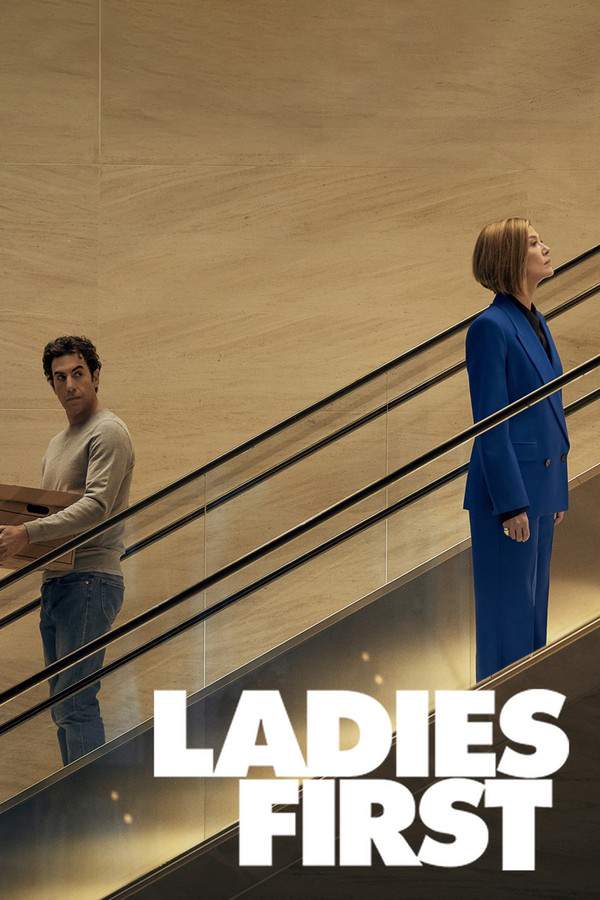
Clever protagonists use witty plans to challenge oppressive social and family expectations.If you enjoyed the clever defiance and humorous rebellion in Raghu Thatha, you'll like these movies. This list features similar films where characters use wit and strategy to fight against societal and family pressures, blending comedy with social commentary for an empowering feel.
Stories in this thread typically follow a protagonist who feels trapped by rigid cultural or familial expectations. The plot revolves around their creative, often secretive, plans to expose hypocrisy, avoid unwanted arrangements, or claim their independence. The journey is marked by close calls, comedic misunderstandings, and a final triumphant reveal that validates the protagonist's struggle.
These films are grouped by their shared focus on intelligent rebellion, a lighthearted approach to serious social issues, and a narrative that balances emotional stakes with comedic relief. They appeal to viewers who enjoy stories of empowerment achieved through cleverness rather than direct confrontation.
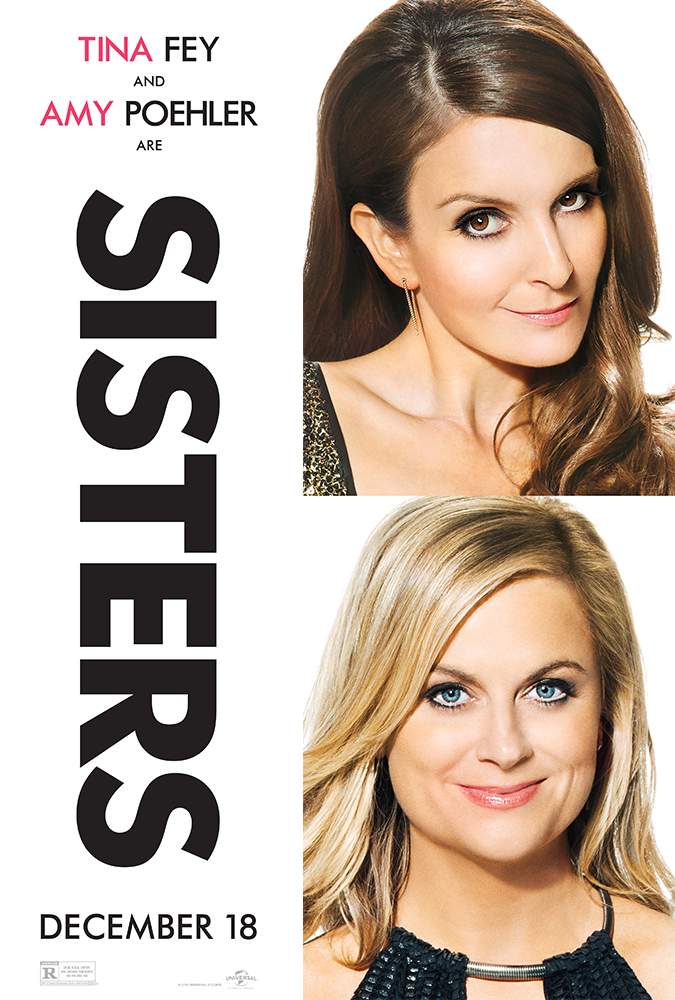
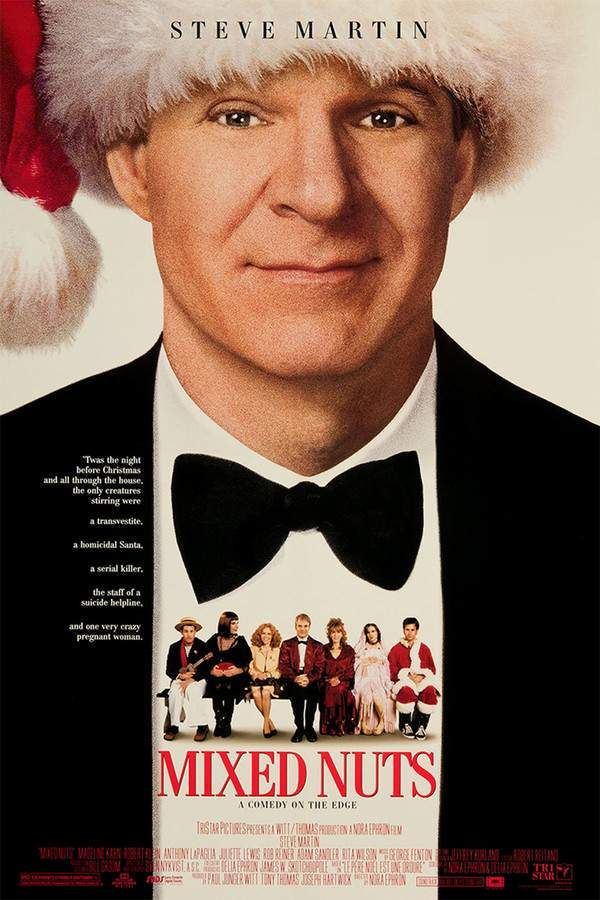
Heartfelt family crises are navigated with humor and sharp intelligence.Looking for movies like Raghu Thatha that mix family drama with clever comedy? This collection features stories where serious family issues, like health scares or generational conflict, are tackled with sharp wit and a fast pace, creating a satisfying and uplifting viewing experience.
The narrative pattern involves a serious event—like a medical diagnosis or a major family secret—that disrupts a household. The central character, often a quick-thinking family member, manages the resulting tension and emotional fallout not just with earnestness, but with strategic humor and clever maneuvering. This approach prevents the story from becoming overly heavy, ensuring the tone remains accessible and the resolution feels earned and positive.
This thread connects movies that masterfully blend medium emotional weight with a light tone and fast pacing. They share a specific emotional mix: the stakes feel real, but the journey is characterized by intelligence and humor, making difficult topics deeply engaging without being draining.
Don't stop at just watching - explore Raghu Thatha in full detail. From the complete plot summary and scene-by-scene timeline to character breakdowns, thematic analysis, and a deep dive into the ending - every page helps you truly understand what Raghu Thatha is all about. Plus, discover what's next after the movie.
Read a complete plot summary of Raghu Thatha, including all key story points, character arcs, and turning points. This in-depth recap is ideal for understanding the narrative structure or reviewing what happened in the movie.
Track the full timeline of Raghu Thatha with every major event arranged chronologically. Perfect for decoding non-linear storytelling, flashbacks, or parallel narratives with a clear scene-by-scene breakdown.