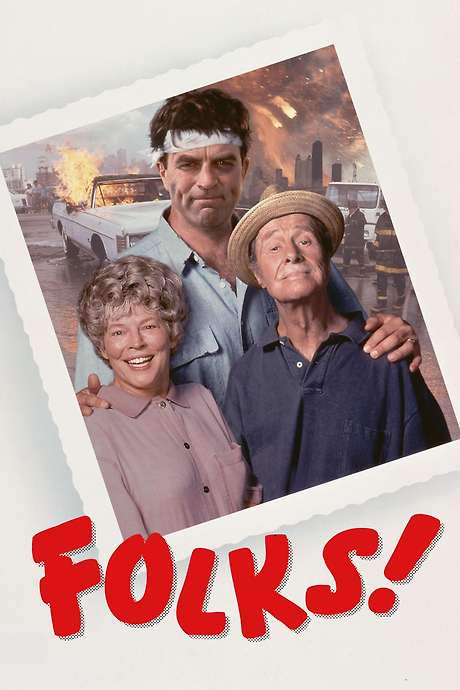
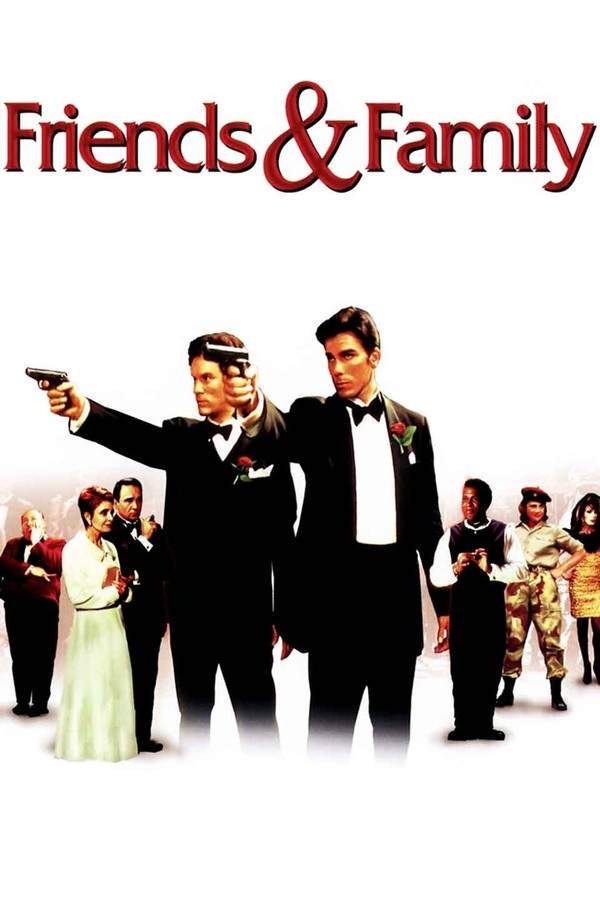
Jon Aldrich is a successful stockbroker whose comfortable life with his wife Audrey Aldrich and their two kids is upended by a chance encounter with his elderly father, Harry Aldrich. Harry suffers from dementia and, in a moment of vulnerability, ends up burning down his own house. What should be a simple help request becomes a complex burden when Jon tries to arrange for Harry’s care, only to have his sister, Arlene Aldrich, refuse to open the door and effectively wash her hands of the problem. With Arlene unavailable and with Harry and his wife, Mildred Aldrich, needing a place to stay, they end up moving in with Jon and his family, setting the stage for a cascading series of troubles.
Jon’s life begins to unravel when his company is implicated in illegal activities that he genuinely knows nothing about. No one believes his innocence, and the resulting professional catastrophe costs him his job. Financial pressures mount as Harry’s dementia keeps causing trouble, and the family finances spiral downward until they’re left with almost nothing except the apartment they cling to. The strain shows up in painful, physical ways for Jon as Harry’s condition leads to a collision of misfortune: Jon suffers hearing loss, a broken hand, a broken foot, and even a lost testicle. The danger is not just physical; Harry’s impulsive acts—like jaywalking with the grandchildren—put everyone at risk and push Jon further toward the edge.
As the stress deepens, Jon’s grip on reality loosens. A quiet, almost cheerful dementia belies the real danger at home, and when Mildred confides in Jon that she and Harry never intended to burden him, a dark possibility emerges: the idea that Jon could help them die so he can collect the life insurance. He resists at first, but the temptation and desperation begin to tilt his stance toward acceptance. The family’s moral boundaries blur as they discuss a drastic plan, and Jon’s sense of duty becomes a heavy, conflicted burden.
The situation takes another dramatic turn when Arlene arrives with her two corpulent sons, seeking shelter and hoping for a cut of any insurance money. She joins in on the looming plan, complicating the moral calculus and stretching Jon’s resolve even thinner. Yet at the same time, Audrey reappears, revealing she’s not only back but also still deeply in love with Jon. Her arrival underscores the paradox of the moment: reconciliation and love clash with the grim financial calculation at the heart of the family crisis. As Jon’s body bears the marks of the strain—new injuries, renewed fear, and a shattered sense of security—he learns more about the limits of sacrifice and the price of trying to protect everyone.
Eventually, Jon acts with a fierce resolve to stop the suicidal scheme. He tracks down Harry, Mildred, and the others, stepping back into danger to prevent what could be a fatal outcome. The confrontation is physical and emotional, but it ends with Jon succeeding in keeping his family safe—though not without further harm. After the crisis, life slowly starts to pull itself back toward stability. Jon and Audrey begin to rebuild, choosing to move to a country house where Harry and Mildred can live with them under better, safer arrangements. Arlene, too, moves forward with a partner who can manage her unpredictable sons, signaling a more stable second act for everyone involved.
In the final twist, the truth about Harry’s sudden, improbable fortune comes to light. The yells of “McDonald’s,” once dismissed as a mere quirk of dementia, are revealed to have a financial underpinning: Harry had bought stock in McDonnell Douglas years earlier, leaving him with substantial wealth. This revelation reframes the entire saga, recasting the earlier chaos as a misinterpreted signal of hidden security rather than a simple hunger or mania. With the family in a more secure place, Jon Aldrich and Audrey Aldrich navigate a future in which hardship has been endured, bonds have been tested, and resilience has prevailed, leaving a cautious, guarded optimism for what comes next.