Plot Explained Spoilers guaranteed!
Plot Explained

Browse by genre

Peter and the Wolf (1996) movie poster

Timeline

Peter and the Wolf (1996) Timeline Explained – Every Event in Order

Release, runtime and language
1996 · 19 mins · German
Directed by
Roswitha Haas
Starring
Viola Seiffe

During a cold winter, Peter stays with his grandfather as he does each year. When a villager hears a distant wolf howl, excitement spreads and hunters are dispatched, but they return empty‑handed. Determined to stay safe, Peter, his grandfather and their friends brainstorm a way to defend themselves and devise a clever plan against the prowling wolf.

On this page (5)
  1. 1 Events in order (11)
  2. 2 Timeline questions answered
  3. 3 Movie threads
  4. 4 Movies like Peter and the Wolf
  5. 5 Every angle

11 events in order · contains spoilers

Peter and the Wolf Timeline: Events in Chronological Order

Every key event of Peter and the Wolf (1996) in order, scene by scene, with when and where it takes place. Use it to untangle flashbacks, time jumps and parallel storylines, to refresh your memory before the sequel or to find the exact scene you are thinking of.

  1. Warm welcome at Grandfather's

    Annie and Peter are warmly greeted by Grandpa Peter as they arrive at his house. They move to the dining room where they begin to discuss their hectic daily routine in Los Angeles. The grandfather senses there may be a chance to 'rectify' things and fix the distance between them.

    When
    Arrival / early evening
    Where
    Grandfather's house
  2. Dinner table revelations

    During dinner, the family talks about how little time Peter and his mother spend together. Annie explains how the city can feel scary and unpredictable. The grandfather contemplates ways to bring the family closer and protect them.

    When
    Evening during dinner
    Where
    Grandfather's dining room
  3. Meadow reminiscence

    Annie points to the window and speaks about the meadow as her old playground and the friends she once had there. The grandfather hums, then recalls an event that happened in that very meadow. The memory hints at a story that might be more than a memory.

    When
    Evening, after discussion
    Where
    House / window to meadow
  4. First day of Spring: Peter in the meadow

    On the first day of Spring, Peter slips into the meadow to visit the bird, leaving the garden gate open. The duck sees the opportunity to come out for a real swim, while the cat stalks them from the shadows. Peter warns the bird and it flies away, but the cat still hunts the duck and misses. The grandfather reprimands Peter for being outside alone and leads him back inside.

    When
    First day of Spring
    Where
    Meadow
  5. Wolf arrives

    Then a big grey wolf emerges from the forest, turning the meadow into a dangerous stage. The cat climbs a tree for safety while the duck in the pond is swallowed by the wolf. Peter witnesses the peril and feels the immediate threat to the animals, knowing something must be done.

    When
    During the meadow incident
    Where
    Meadow / pond
  6. Peter's rescue plan

    Peter fetches a rope and climbs over the garden wall to confront the wolf. He asks the bird to fly around the wolf's head to distract him while the noose is prepared. The noose tightens as the wolf struggles, and the rope is tied to a tree to prevent escape.

    When
    During the rescue attempt
    Where
    Meadow / garden wall
  7. Hunters intervene

    A group of hunters emerges from the forest, having tracked the wolf. The wolf, frightened, spits out the duck; the hunters are ready to shoot either creature, but Peter urges them not to harm them. The wolf then grabs the duck again, only to be captured by the hunters. They decide to cage the wolf and take it to a zoo.

    When
    Moments after the capture
    Where
    Meadow / forest edge
  8. Victory parade

    A victory parade forms to celebrate the rescue, with Peter at the center and the bird, the hunters, and the cat marching alongside him. The grandfather joins the procession and congratulates Peter for his courage. The eggs of the bird hatch, marking a new beginning for the meadow.

    When
    After capture / parade moment
    Where
    Meadow / parade route
  9. Duck's distress and reassurance

    The duck lingers at the pond's edge, frightened by the ordeal. Peter offers words of reassurance and promises to always be there to protect him. The close brush with danger leaves a lasting, quiet bond between them.

    When
    After the events
    Where
    Pond
  10. Questioning reality

    Back inside, Peter doubts whether the story actually happened. The grandfather presents the clothes he wore that day, proof that the tale had a real moment in time. Peter processes the memory with a mix of doubt and wonder.

    When
    Post-story revelation
    Where
    House
  11. Peter steps into the meadow

    With a surge of excitement, Peter puts on the grandfather's clothes and steps outside into the meadow. The scene shifts into a blend of live action and animation as he encounters the cat, the duck, and the bird from the story. He embraces the meadow as a space where memory and imagination intertwine.

    When
    End of film
    Where
    Meadow

Last updated: October 09, 2025 at 11:24

Was this helpful?

Timeline questions answered

Peter and the Wolf Timeline Explained: Your Questions Answered

When does it happen, and why in that order? The questions people ask about the chronology of Peter and the Wolf (1996): time jumps, flashbacks, cause and effect between scenes and the correct order of events, each answered with spoilers.

Q1

Why does Peter leave the garden gate open when he enters the meadow?

Peter leaves the gate open because he's excited to visit his friend the bird on the first day of Spring. The gate being ajar is what allows the duck to waddle out of the yard and later enables the wolf to enter the meadow from the forest. This careless act sets the chain of events in motion, though the grandfather had warned Peter to be careful.

Foreshadowing: Earlier, the grandfather admonishes Peter about the gate being open, setting up the consequences that follow.

  • peter
  • garden gate
  • meadow
  • first day of spring
  • wolf enters
Q2

Why does the wolf swallow the duck?

The wolf swallows the duck out of pure instinct. When the wolf emerges from the forest and spots the duck in the pond, it seizes the opportunity for food. The duck has no way to escape once the wolf approaches, and the wolf's predatory nature takes over. This event marks the moment the meadow's peace turns to genuine danger.

Foreshadowing: The bird's earlier warning to the duck about the cat hints that the meadow contains real threats.

  • wolf
  • duck
  • swallowed
  • predator
  • pond
Q3

How does Peter manage to trap the wolf in the meadow?

Peter uses a rope and a clever strategy to trap the wolf. He climbs over the garden wall and asks the bird to fly around the wolf's head as a distraction. While the wolf is focused on the circling bird, Peter lowers a noose and catches the wolf by the tail. He then quickly ties the rope to a tree, tightening the noose and preventing the wolf from escaping.

Foreshadowing: Earlier, the bird and cat exchange warnings about predator and prey, establishing that cleverness can overcome strength.

  • peter
  • wolf
  • rope
  • noose
  • trap
  • bird distraction
Q4

Why does the wolf spit the duck back out alive?

The wolf spits the duck out alive when the hunters appear, likely out of fear and distraction. The sudden arrival of the hunters threatens the wolf, causing it to drop its prey momentarily. However, the wolf then grabs the duck again before being captured by the hunters. The duck's survival is ultimately due to Peter's intervention asking the hunters not to harm either animal.

  • wolf
  • duck
  • hunters
  • spit out
  • alive
Q5

Why does Peter ask the hunters not to shoot the wolf?

Peter asks the hunters not to shoot because he doesn't want any creature to die. Despite the wolf threatening the duck and causing danger in the meadow, Peter shows compassion toward the animal. His plea saves both the wolf and the duck, demonstrating the story's message about mercy and protecting all living things.

Foreshadowing: The grandfather's warnings about the wolf being dangerous contrast with Peter's ultimate choice to show mercy.

  • peter
  • hunters
  • wolf
  • shoot
  • mercy
  • compassion
Q6

What happens to the wolf after it is captured?

After the wolf is captured, the hunters cage it and decide to take it to a zoo. This resolves the immediate threat to the meadow while ensuring the wolf is relocated somewhere it cannot harm other animals. The wolf's fate becomes one of captivity rather than death, reflecting Peter's choice to spare its life.

  • wolf
  • hunters
  • cage
  • zoo
  • captured
  • relocated
Q7

Why is the duck still frightened after being saved from the wolf?

The duck remains frightened because it experienced a traumatic ordeal. Being swallowed by the wolf and then rescued leaves a lasting psychological impact. Peter recognizes this fear and promises to always protect the duck, acknowledging that the danger has left a lasting impression on the animal.

Foreshadowing: The violent scene of the duck being swallowed establishes the seriousness of the threat.

  • duck
  • frightened
  • trauma
  • pond
  • peter promises protection
Q8

Is the grandfather's story about the wolf real or a memory?

The story exists in a ambiguous space between reality and memory. Peter questions whether the events actually happened when the grandfather finishes telling the tale. The grandfather then shows Peter the clothes he wore that day, suggesting the story did occur in some form. The film leaves this unresolved, blending live action with animation at the end to show Peter interacting with the animals from the story.

Foreshadowing: The meadow is first introduced through the window as a place from Annie's childhood memories.

  • grandfather
  • story
  • memory
  • reality
  • peter
  • clothes
  • ambiguous
Q9

Why does the grandfather show Peter the clothes he wore that day?

The grandfather shows Peter the clothes as proof that the story really happened. When Peter questions whether the events in the meadow actually occurred, the grandfather retrieves the clothing Peter wore during the wolf incident. This tangible evidence suggests the adventure was real, not just imagination, though the line between memory and story remains blurred.

  • grandfather
  • clothes
  • proof
  • peter
  • reality
  • memory
Q10

Why does the bird help Peter catch the wolf?

The bird helps Peter because they are friends in the meadow. The bird had earlier warned Peter about the cat stalking them, showing their bond. When Peter asks for help distracting the wolf, the bird flies circles around the wolf's head, keeping its attention focused upward while Peter prepares and lowers the noose. The bird's willingness to assist demonstrates loyalty and teamwork.

Foreshadowing: The bird's earlier warning to Peter about the cat establishes their friendly relationship.

  • bird
  • peter
  • wolf
  • help
  • distract
  • friendship
  • teamwork
Q11

Why does the grandfather tell Peter this particular story about the meadow?

The grandfather tells the story to connect with Peter and Annie during their visit. After learning how busy their lives are in Los Angeles and how the city can feel scary, the grandfather wants to share a meaningful memory from the meadow that represents courage, protection, and family. The story becomes a way of passing down a lesson about facing dangers with bravery while showing mercy, bridging the generational gap between grandfather and grandson.

Foreshadowing: The opening scenes establish the tension between Annie, Peter, and the grandfather about their distance and the intimidating city.

  • grandfather
  • story
  • meadow
  • connection
  • lesson
  • generations
  • courage
Q12

What does it mean when Peter puts on the grandfather's clothes at the end?

When Peter puts on the grandfather's clothes at the end, he is embracing the story and connecting with his family's past. The clothes serve as a symbolic link between generations, allowing Peter to step into the meadow as his grandfather once did. This moment marks his transition from listener of the story to participant in it, blurring the line between memory and reality as he encounters the animals in the blended live-action and animation sequence.

  • peter
  • grandfather
  • clothes
  • meadow
  • symbol
  • connection
  • generations

Movie threads

More Movies Like Peter and the Wolf, by Mood & Story

Curated lists built around what makes Peter and the Wolf tick: the same mood, the same kind of story or the same emotional payoff. Each list explains why these movies belong together.

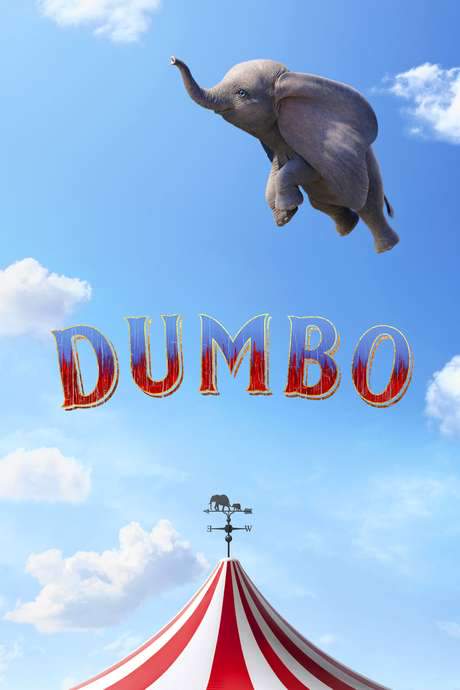
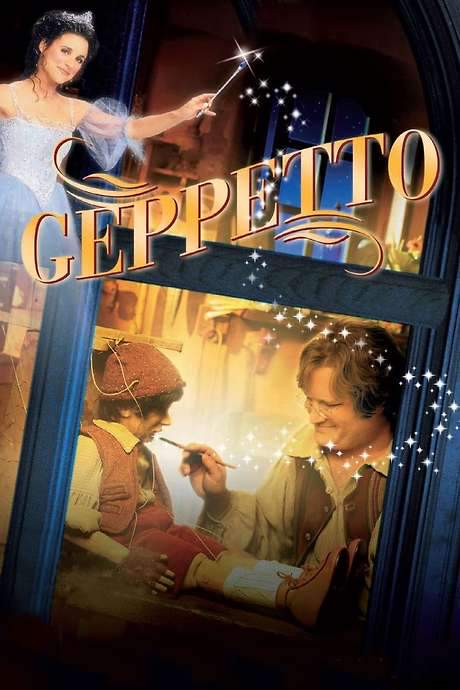
Whimsical Animal Adventures like Peter and the Wolf

Cozy tales where clever youngsters and their animal friends face mild, natural dangers. If you liked the gentle blend of animal friendship and mild peril in Peter and the Wolf, you'll enjoy these similar movies. This collection features stories where youngsters and their animal companions embark on cozy adventures that balance whimsy with themes of courage and protection.

  • whimsical
  • gentle
  • nostalgic
  • hopeful
  • cozy
  • adventurous
  • Tone: whimsical, nostalgic, hopeful
  • Pacing: steady, character-driven
Why these movies?

The story pattern: Stories typically follow a young protagonist, often in a rustic or natural setting, who befriends local animals. A manageable threat emerges, requiring ingenuity and bravery rather than violence to resolve. The narrative arc emphasizes teamwork, cleverness, and the bittersweetness of growing up, often concluding with a hopeful but reflective tone.

Why they belong together: These films share a specific blend of whimsical tone, gentle stakes, and a focus on the intergenerational or interspecies bonds. They offer a similar emotional mix of nostalgic warmth, light adventure, and a reassuring message about facing fears with courage and friendship.
Bittersweet Coming-of-Age Stories like Peter and the Wolf

Reflective stories where children learn life lessons through encounters with nature and memory. For viewers who appreciated the reflective, memory-filled coming-of-age journey in Peter and the Wolf. These movies explore similar themes of childhood courage, intergenerational wisdom, and the bittersweet lessons learned from confronting the natural world.

  • bittersweet
  • reflective
  • nostalgic
  • coming of age
  • memory
  • hopeful
  • Tone: reflective, bittersweet, warm
  • Pacing: steady, contemplative
Why these movies?

The story pattern: A child's perspective drives the story, often recollected from an adult's memory. They face a challenge that represents a larger life lesson—loss, fear, or responsibility. The conflict is resolved through maturity and understanding rather than simple victory, leading to an ending that acknowledges both the joy of growth and the inherent sadness of change.

Why they belong together: They are united by a narrative structure that uses a childhood memory to explore universal themes. The shared mood is a mix of nostalgia and gentle reflection, with a pacing that allows for emotional depth and an ending feel that is realistically bittersweet rather than purely happy.

If you liked this

Movies Like Peter and the Wolf

Similar movies to Peter and the Wolf: the same genre, themes or kind of story. Each one comes with its own plot summary, timeline and ending explained.

Browse all movie summaries

Every angle

Peter and the Wolf (1996) Explained: Plot, Timeline & Characters

Everything about Peter and the Wolf in one place: what happens in the plot summary, the timeline in chronological order, the characters and meaning and a spoiler-free summary. What's After the Movie adds the cast, box office and post-credit scenes.

Coming soon on iOS and Android

The Plot Explained Movie Summary App

Plot summaries, endings explained and timelines on your phone. Catch up on any movie in minutes, save your favorites and never miss a twist again.

Be the first to know when we launch. Your email stays private, always.

Learn more about the app