
The Adventures of Pinocchio
Year: 1000
Runtime: 315 mins
Language: Italian
Director: Luigi Comencini
Lonely master carpenter Mastro Geppetto, childless and without a wife, spends his days in a modest workshop. After swapping a piece of timber with his fellow craftsman Mastero Cherry, he resolves to carve a wooden puppet as a companion, hoping the creation will bring warmth and friendship to his empty home.
Warning: spoilers below!
Haven’t seen The Adventures of Pinocchio yet? This summary contains major spoilers. Bookmark the page, watch the movie, and come back for the full breakdown. If you're ready, scroll on and relive the story!
The Adventures of Pinocchio (1000) – Full Plot Summary & Ending Explained
Read the complete plot breakdown of The Adventures of Pinocchio (1000), including all key story events, major twists, and the ending explained in detail. Discover what really happened—and what it all means.
Geppetto, a woodcarver, crafts a puppet named Pinocchio, Andrea Balestri to earn a living as a touring entertainer. While shaping the wooden figure, Geppetto discovers the puppet is alive, and Pinocchio dashes out into the village as soon as the craft is finished. The momentary freedom is short-lived: bystanders misread Geppetto’s attempt to discipline the wayward puppet, and the carpenter is arrested. Left alone at home, Pinocchio encounters a talking cricket whose moralizing sits like a rulebook on the puppet’s shoulders. The cricket’s constant lectures grate on Pinocchio, and tragedy strikes when the puppet, in a moment of frustration, strikes the cricket with a hammer, killing him. The misstep leaves Pinocchio hungry in Geppetto’s absence and, worse, leads to him burning his feet in a brazier.
Geppetto is released the next day, and, moved by love and remorse, he forgives Pinocchio, repairs his feet, and clothes him. In a burst of determination, Pinocchio vows to attend school and become a model son. To support this dream, Geppetto sacrifices his own coat to buy a spelling book. En route to the school, Pinocchio’s curiosity tempts him toward a nearby puppet theatre, where the onstage puppets recognize him as kin. This recognition causes upheaval in the show, and theirked puppets are disrupted. The angry Mangiafuoco contemplates using Pinocchio as firewood, but a change of heart toward the little puppet—fueled by Pinocchio’s pleas and his willingness to self-sacrifice for another puppet—drives him to offer five gold pieces to Geppetto, a gesture of generosity that changes Pinocchio’s course for the moment.
On the journey home, a pair of wily foxes and a crafty cat lure Pinocchio with promises of wealth from the so-called “Field of Miracles.” They dine at an inn, cunningly trick Pinocchio into paying for accommodations, and then instruct the innkeeper to direct him to the Field at dawn. Pinocchio, hopeful and naive, searches for the promised miracle while the ghost of the cricket urges him to return home. The fox and cat ambush him, though he manages to escape and finds shelter in a large house owned by a fairy with dark blue hair, a guardian figure who embodies mercy. Gina Lollobrigida The fairy initially refuses him entry as a test of his character, but Pinocchio’s plight and the foxes’ treachery ultimately move her to intervene. The fox and cat then hang Pinocchio from a tree and depart, but the fairy takes pity, frees him, and offers him a safe home and invites Geppetto to join them.
Pinocchio, reeling from his near-escape, sets out toward Geppetto, but the fox and cat return to lure him again to the Field. He buries the coins and waits for them to grow, only to have the fox and cat steal the pretend “fortune.” A parrot mocks Pinocchio’s gullibility, and with each setback, the young puppet grows wiser in his trials. In a moment of deep reflection and yearning for forgiveness, Pinocchio seeks the fairy’s mercy but discovers her tombstone instead, a stark reminder of the fragility of hope. A giant dove delivers him to the sea where Geppetto searches for him amid a raging storm.
The two are washed ashore on the Island of Busy Bees, where the fairy is re-encountered and Pinocchio renews his wish to become a real boy. The fairy’s guidance helps him excel at school, though he briefly quarrels with a classmate and flees from a police bulldog named Alidoro, who later returns the rescue that saves him from drowning. Pleased with his progress, the fairy plans a transformation that would seal Pinocchio’s newfound growth.
Yet Pinocchio’s loyal friend Lucignolo tempts him with the glitter of Toyland, a realm of endless play where work and study vanish. The two friends revel for months, but the dream dissolves as they are turned into donkeys, a grim fate they share in a harsh marketplace. Lucignolo is sold to a farmer, while Pinocchio is sold to a circus. An accident leaves him maimed in the ring, and a cruel drum-maker drowns him for his skin. In a miraculous turn of fate, the fairy revives Pinocchio as a puppet, sending him back toward life and family. He is then swallowed by a great sea monster, only to be freed when Geppetto, who also resides inside the monster, makes a daring escape with Pinocchio. They emerge together and search for a new home, briefly crossing paths with the destitute fox and cat, whom Pinocchio rejects with hard-won empathy for their plight.
Venturing onward, Pinocchio and Geppetto find shelter in a cottage cared for by the revived talking cricket, a symbol of guidance and resilience. Pinocchio works for a farmer who needs a replacement for a dying donkey; in a poignant moment, he recognizes the donkey as Lucignolo and offers him a final moment of comfort. He then attempts to support Geppetto by weaving baskets, a craft that sustains them and offers a sense of stability after so much upheaval.
As the tale nears its end, Pinocchio dreams of earning the fairy’s praise and awakens to a remarkable transformation: he has become a real boy, waking in a grand house with Geppetto by his side, a rejuvenated father figure who shares in his son’s new life. The long journey—from missteps and hardships to growth, sacrifice, and love—culminates in a fresh start and the hope that Pinocchio’s newfound humanity will endure. The bond between Pinocchio and Geppetto is strengthened by hard-won lessons, and their home becomes a place of safety, possibility, and renewal for both of them.
Last Updated: December 15, 2025 at 10:23

Explore Movie Threads
Discover curated groups of movies connected by mood, themes, and story style. Browse collections built around emotion, atmosphere, and narrative focus to easily find films that match what you feel like watching right now.
Fantasy Moral Fables like The Adventures of Pinocchio
Playful journeys through enchanting worlds that teach serious lessons about consequences.If you enjoyed the charming yet challenging lessons in The Adventures of Pinocchio, you'll find similar journeys here. This collection features movies like Pinocchio that blend magical worlds and mischievous adventures with strong moral themes and hopeful transformations.
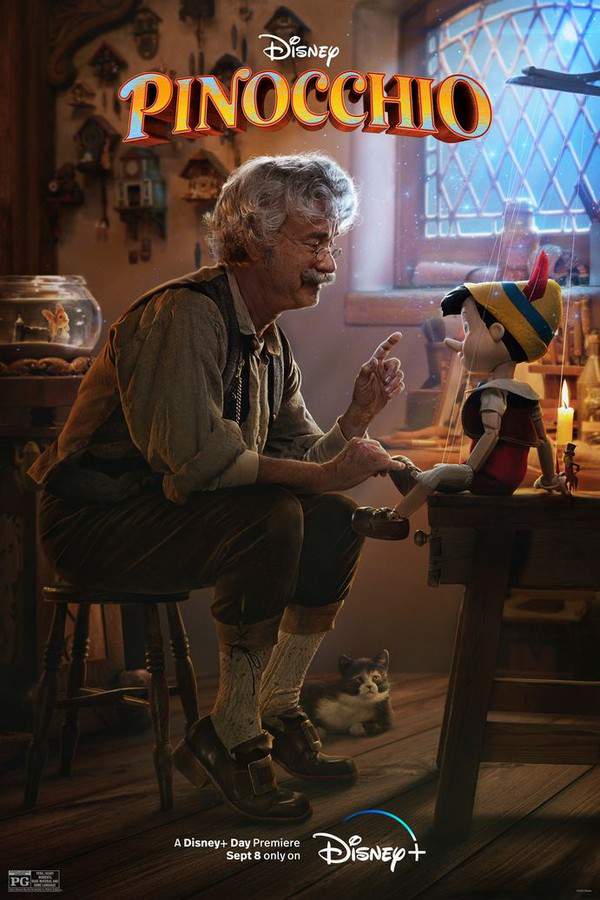
Pinocchio
1940
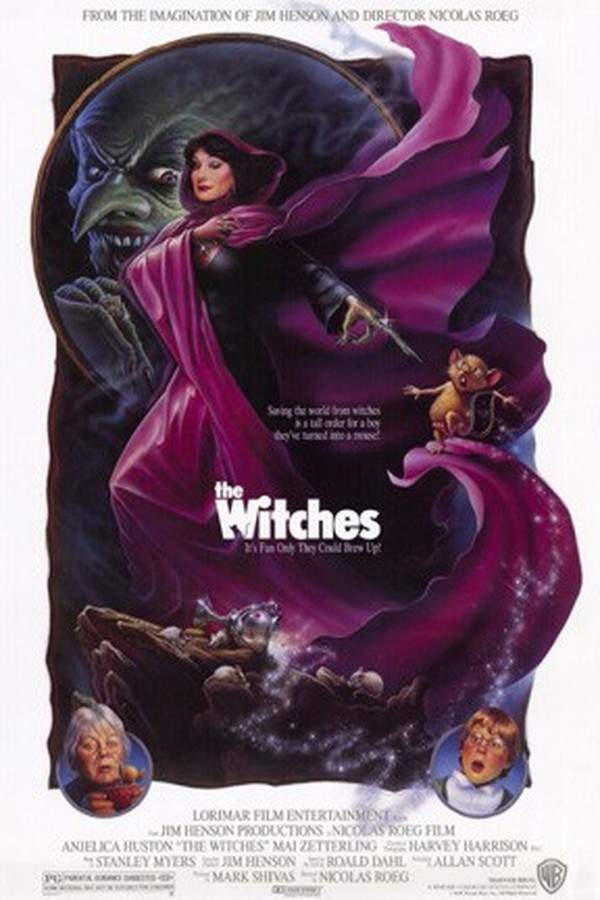
The Witches
2020
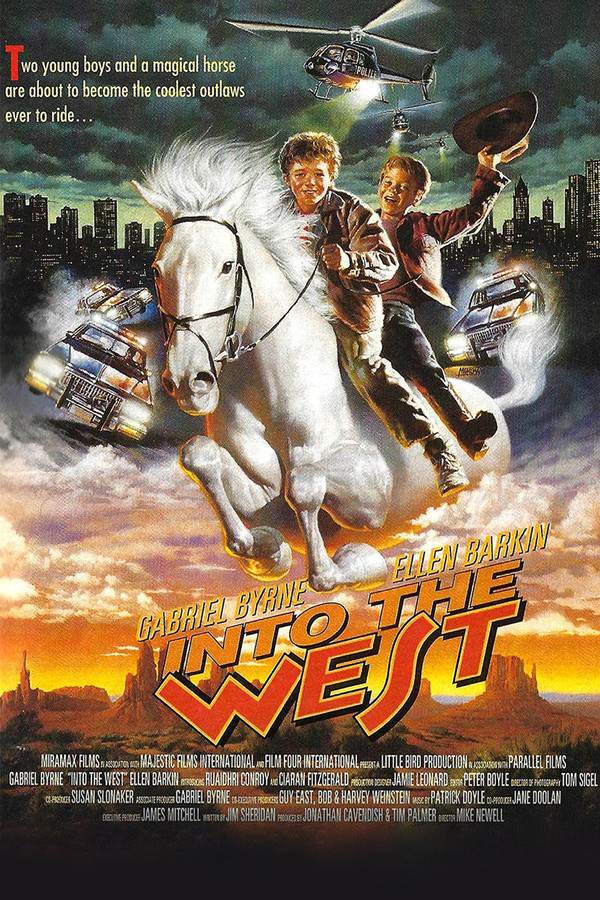
Into the West
1993
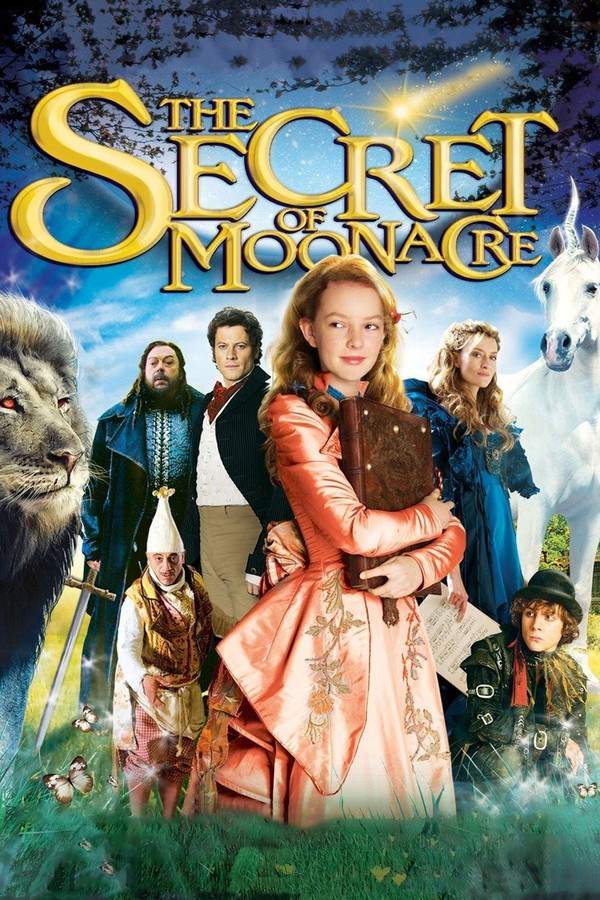
The Secret of Moonacre
2010
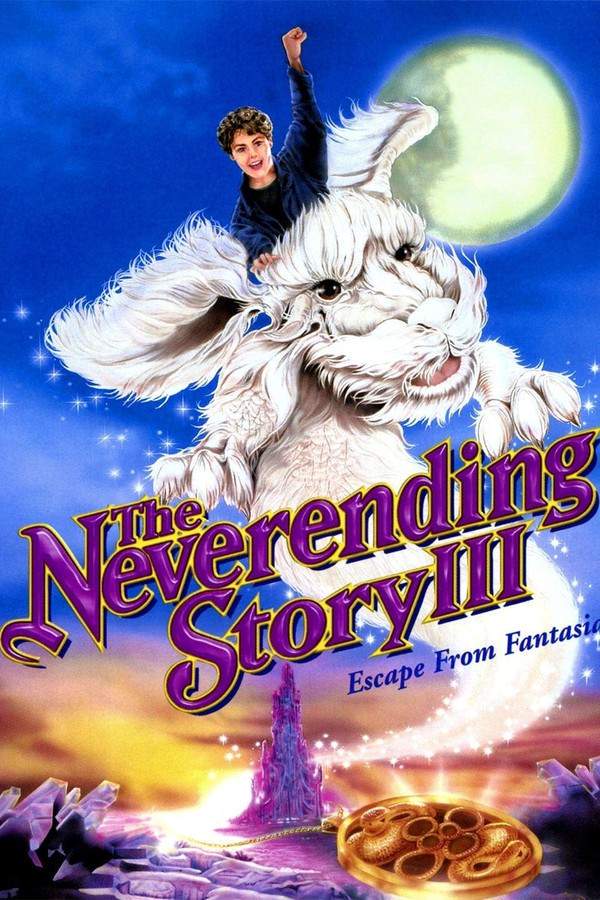
The NeverEnding Story
1984
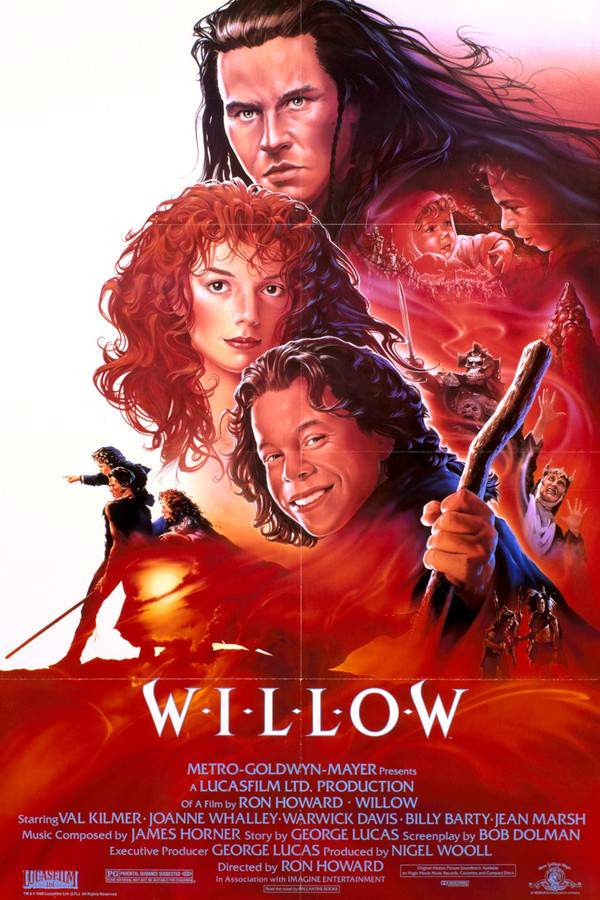
Willow
1988

Inkheart
2009

The Watchmaker’s Apprentice
2015
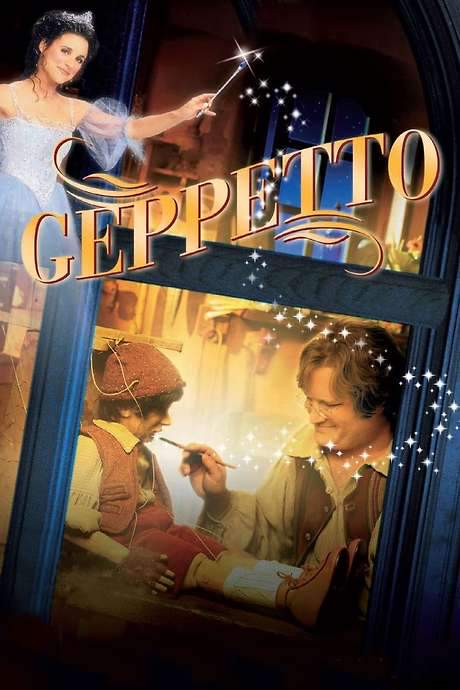
Geppetto
2000

Voyage of the Unicorn
1000

Five Children and It
2004

The Adventures of Mark Twain
1985

The Amazing Mr. Blunden
2021
The Adventures of Pinocchio
1000

The Secret of Moonacre
2008
Narrative Summary
Stories in this thread typically follow a linear but eventful path where a central character, through a series of episodic misadventures, repeatedly faces tests of character. The narrative structure is built around cause-and-effect, with mistakes leading to tangible consequences that serve as learning opportunities, ultimately building towards a redemptive conclusion.
Why These Movies?
These movies are grouped together because they share a unique blend of a whimsical, fantastical tone with a morally instructive core. They feature worlds where magic feels real and danger is present but stylized, creating an engaging experience that is both hopeful and thoughtfully challenging.
Found Family Transformation Stories like The Adventures of Pinocchio
Characters finding their place and becoming their true selves through a new family bond.Discover movies similar to The Adventures of Pinocchio that explore the heartwarming bond of found family. These films feature unique character transformations driven by the powerful connection between a lonely creator or guardian and their extraordinary charge.
The Family
2013
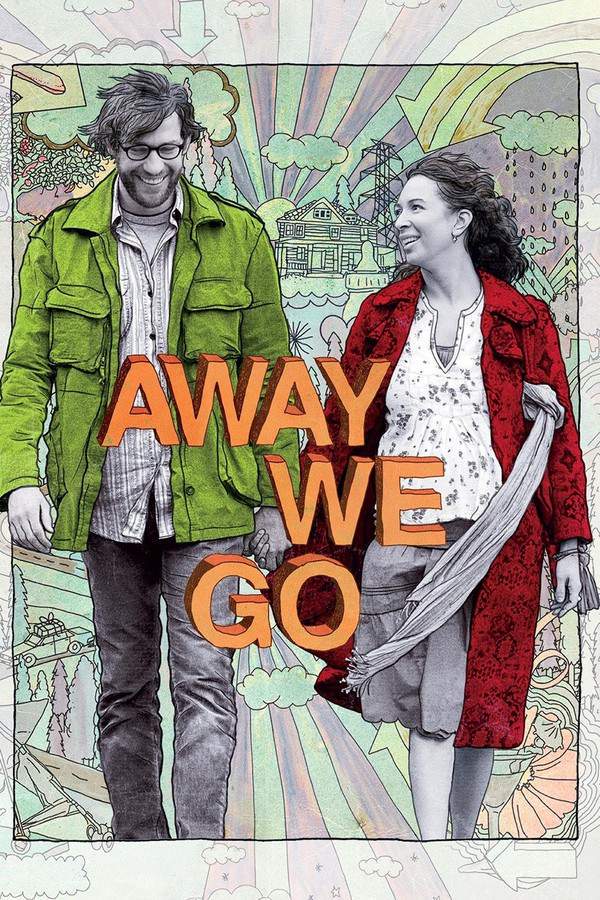
Away We Go
2009
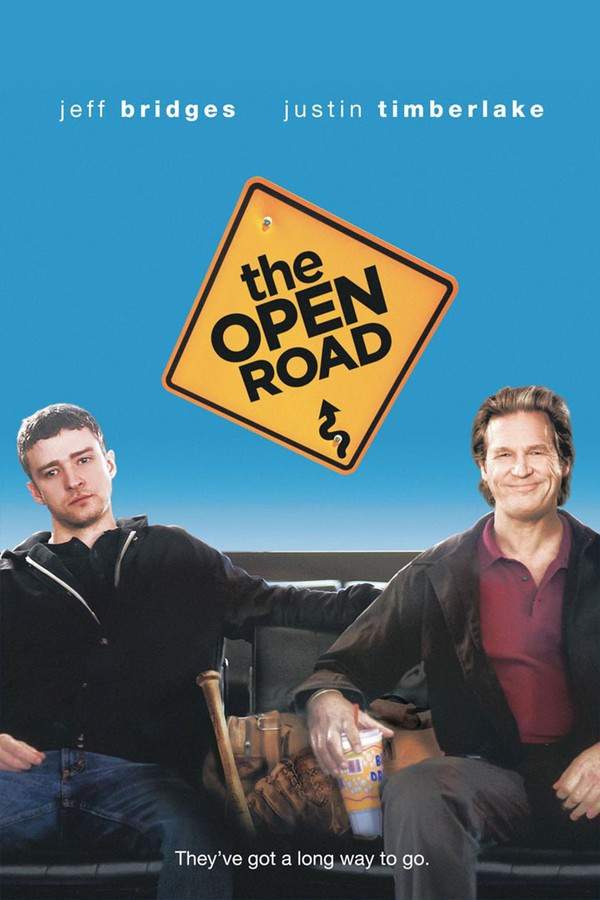
The Open Road
2009
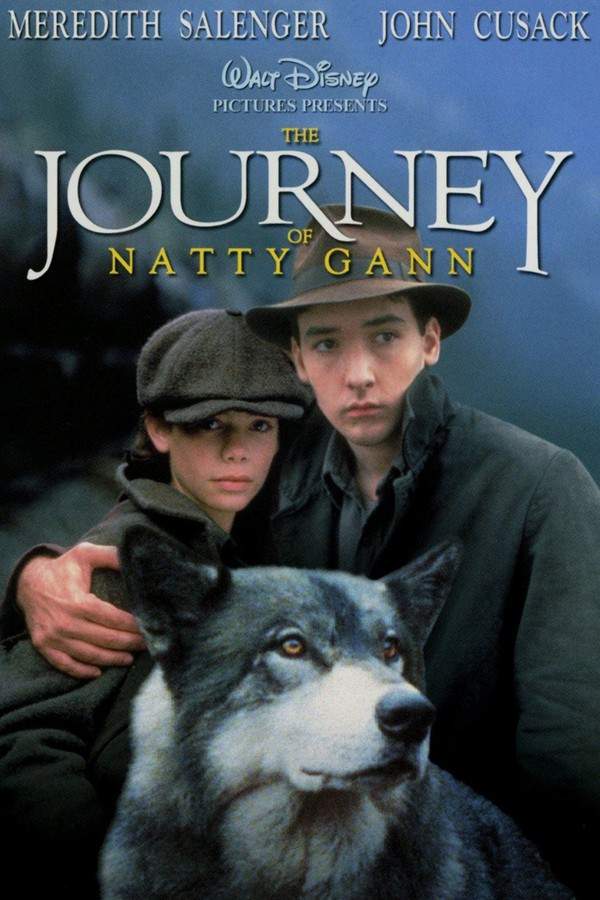
The Journey of Natty Gann
1985
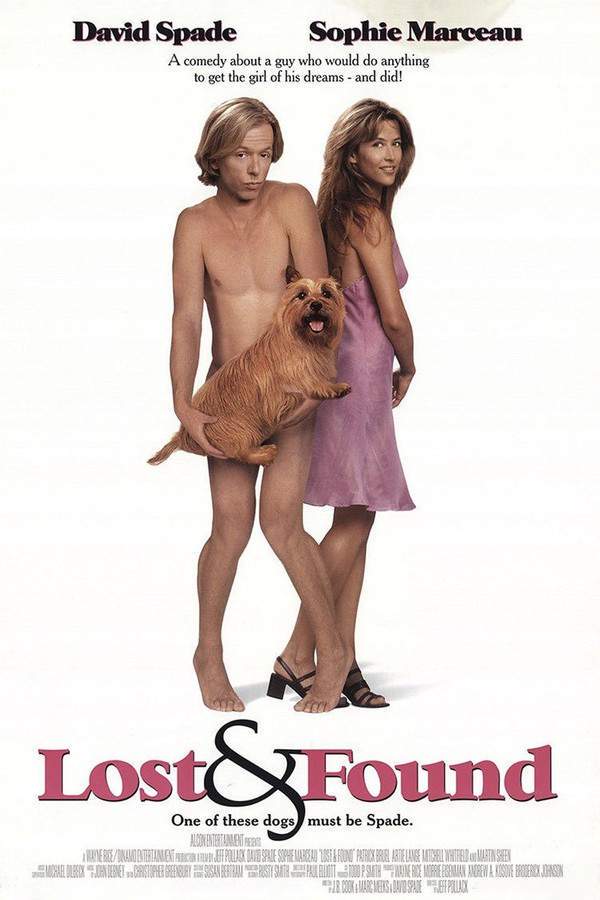
Lost & Found
2017
Finding Joy
2013

Lost on Journey
2010

The Longest Distance
2013

Going to Heaven
2015

Instant Family
2018

Christmas Child
2004

Orphan Train
1979

Our Very Own
1950

Homeward Bound: The Incredible Journey
1993

A Simple Twist of Fate
1994
Narrative Summary
The narrative pattern involves a lonely or incomplete individual who, by creating or encountering a special being (a child, a creation, or an outsider), is given a purpose. The story follows their joint journey, where the guardian's love and the child's need for guidance create a symbiotic relationship. The central conflict often revolves around the child-figure proving their worth and earning their place, culminating in an emotional and literal transformation that solidifies the family bond.
Why These Movies?
This thread connects movies based on the powerful theme of found family as a catalyst for profound personal change. They share a heartfelt, hopeful mood where the central relationship drives the plot and leads to a deeply satisfying emotional conclusion about love, acceptance, and becoming real.
Unlock the Full Story of The Adventures of Pinocchio
Don't stop at just watching — explore The Adventures of Pinocchio in full detail. From the complete plot summary and scene-by-scene timeline to character breakdowns, thematic analysis, and a deep dive into the ending — every page helps you truly understand what The Adventures of Pinocchio is all about. Plus, discover what's next after the movie.
The Adventures of Pinocchio Timeline
Track the full timeline of The Adventures of Pinocchio with every major event arranged chronologically. Perfect for decoding non-linear storytelling, flashbacks, or parallel narratives with a clear scene-by-scene breakdown.

Characters, Settings & Themes in The Adventures of Pinocchio
Discover the characters, locations, and core themes that shape The Adventures of Pinocchio. Get insights into symbolic elements, setting significance, and deeper narrative meaning — ideal for thematic analysis and movie breakdowns.



Similar Movies to The Adventures of Pinocchio
Discover movies like The Adventures of Pinocchio that share similar genres, themes, and storytelling elements. Whether you’re drawn to the atmosphere, character arcs, or plot structure, these curated recommendations will help you explore more films you’ll love.
Pinocchio
1940
Pinocchio
2020
Pinocchio
2022
Geppetto
2000
Pinocchio
1984

Pinocchio’s Christmas
1980
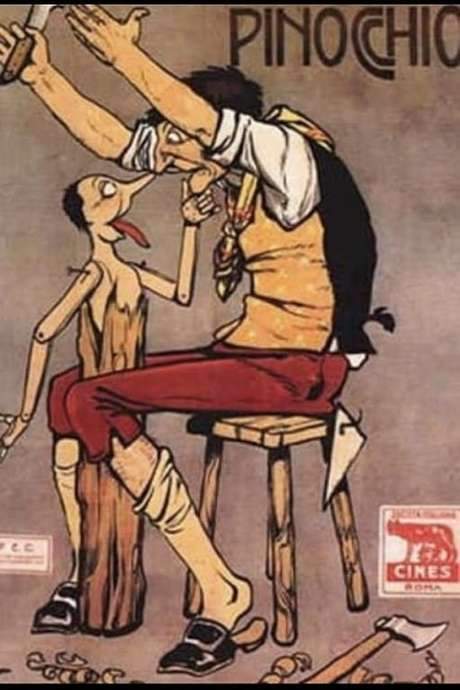
Pinocchio
1911
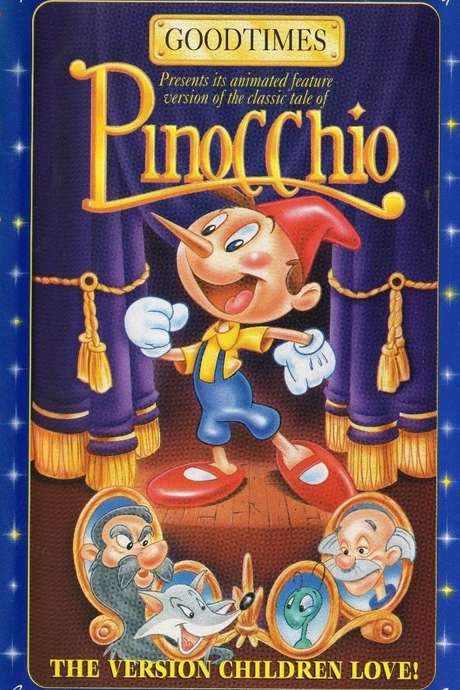
Pinocchio
1992

The Adventures of Pinocchio
1972

The Adventures of Pinocchio
1947

The Adventures of Pinocchio
1996

The Adventures of Pinocchio
1000
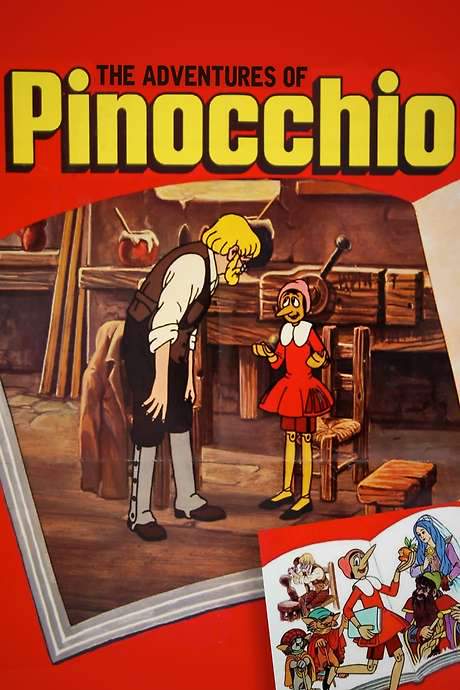
Pinocchio
1971
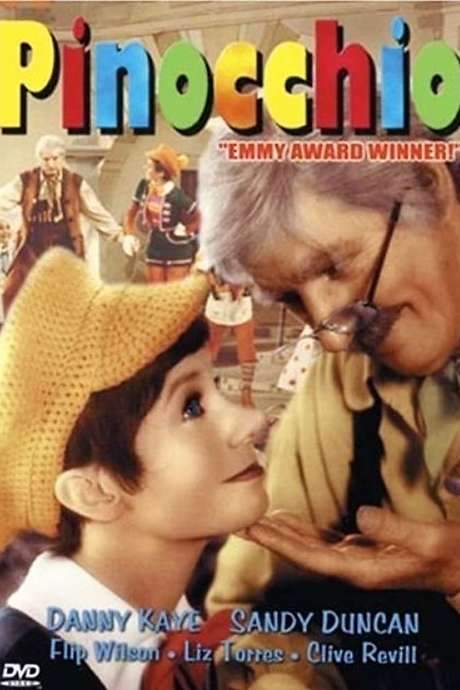
Pinocchio
1976

The New Adventures of Pinocchio
1999
Explore More About Movie The Adventures of Pinocchio
The Adventures of Pinocchio (1000) Scene-by-Scene Movie Timeline
The Adventures of Pinocchio (1000) Movie Characters, Themes & Settings
The Adventures of Pinocchio (1000) Spoiler-Free Summary & Key Flow
Movies Like The Adventures of Pinocchio – Similar Titles You’ll Enjoy
Pinocchio (1940) Film Overview & Timeline
Pinocchio (2020) Movie Recap & Themes
Pinocchio (2022) Spoiler-Packed Plot Recap
Geppetto (2000) Full Movie Breakdown
Pinocchio (1984) Full Summary & Key Details
Pinocchio’s Christmas (1980) Story Summary & Characters
Pinocchio (1911) Film Overview & Timeline
Pinocchio (1992) Story Summary & Characters
The Adventures of Pinocchio (1972) Spoiler-Packed Plot Recap
The Adventures of Pinocchio (1947) Detailed Story Recap
The Adventures of Pinocchio (1996) Movie Recap & Themes
The Adventures of Pinocchio (1000) Complete Plot Breakdown
Pinocchio (1971) Full Movie Breakdown
Pinocchio (1976) Detailed Story Recap
The New Adventures of Pinocchio (1999) Full Movie Breakdown