Plot Explained Spoilers guaranteed!
Plot Explained

Browse by genre

Pangolin: Kulu's Journey (2025) movie poster

Plot Summary

Pangolin: Kulu's Journey (2025) Plot Summary Explained

Release, runtime and language
2025 · 1 h 28 m · English
Echo score 65
Loading streaming availability…
Directed by
Pippa Ehrlich

After participating in a sting operation to combat wildlife trafficking in South Africa, a man finds renewed purpose by helping a baby pangolin. He dedicates himself to rehabilitating the vulnerable animal and preparing it for release back into the wild, embarking on a deeply personal journey.

On this page (5)
  1. 1 Where to watch
  2. 2 What happens: full plot
  3. 3 Plot questions answered
  4. 4 Movie threads
  5. 5 Every angle
Loading streaming availability…

Full plot summary · contains spoilers

What Happens in Pangolin: Kulu's Journey: Full Plot Summary

The whole story of Pangolin: Kulu's Journey (2025) explained, from the opening scene to the final frame: every key event, every twist and what it all adds up to. Read it as a quick recap before the sequel, to check a scene you missed, or to finally understand what really happened.

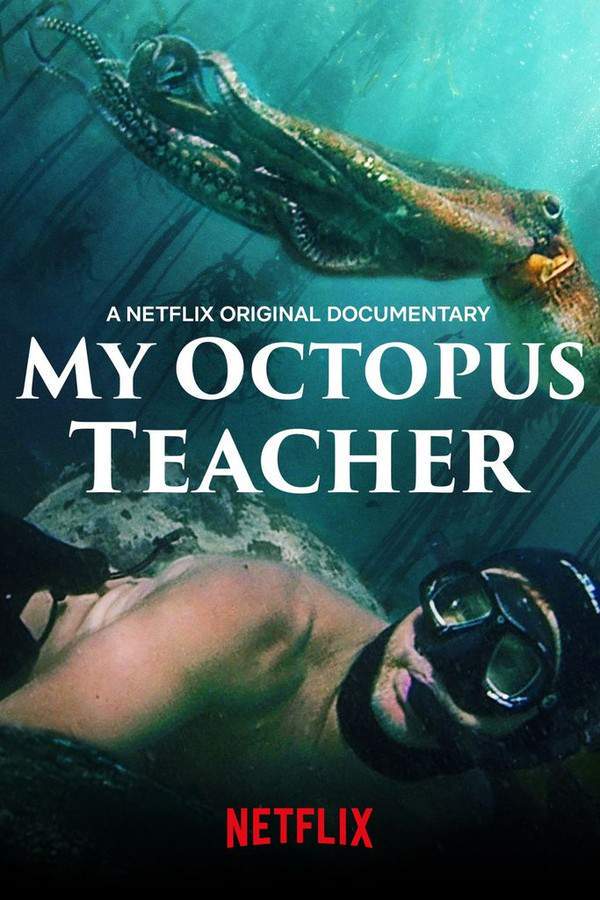
The film tells the true story of a baby pangolin rescued from the illegal wildlife trade and the man determined to return her to the wild. Directed by Academy Award winning director Pippa Ehrlich (My Octopus Teacher), the documentary follows Gareth Thomas, a South African investment manager with no formal background in wildlife rehabilitation, as he unexpectedly becomes the caretaker of Kulu, a critically endangered pangolin pup found after being trafficked in Johannesburg. As Gareth navigates the complexities of nurturing a wild animal, the film highlights his growing connection with Kulu.

The documentary focuses on Kulu’s personal journey, along with the larger narrative of pangolins’ vulnerability to poaching and trafficking as the species is the most illegally traded mammal in the world. It sheds light on the emotional toll of conservation work, the human capacity for compassion and ultimately becomes a call to action, urging global audiences to reconsider their relationship with nature and to protect the world’s most threatened species.

Last updated: October 18, 2026 at 17:05

Was this helpful?

Plot questions answered

Pangolin: Kulu's Journey Plot Explained: Your Questions Answered

The questions people ask most about Pangolin: Kulu's Journey (2025): what happens in the confusing scenes, why the characters do what they do, the twists, hidden details and what the ending means. Each answer contains spoilers.

Q1

Why did Gareth Thomas, an investment manager, take on caring for Kulu?

Gareth Thomas, a South African investment manager with no background in wildlife rehabilitation, stepped in after Kulu was rescued from traffickers in Johannesburg through a sting operation. As a critically endangered pup separated from her mother, Kulu could not survive on her own, and Gareth's willingness to take responsibility filled an urgent gap. His role becomes the foundation of the documentary's emotional arc, launching his transformation from finance into hands-on animal care.

Foreshadowing: The opening scenes establish Gareth's finance background to underline how far he is from wildlife work.

  • gareth thomas
  • investment manager
  • pangolin caretaker
  • kulu
  • wildlife rehabilitation
  • sting operation
Q2

Why did Gareth eventually release Kulu instead of keeping her?

Gareth always understood that Kulu was a wild animal whose survival depended on freedom, not on permanent captivity or human companionship. Returning her to the wild was the entire reason he took on her care in the first place. Letting go was emotionally difficult but the only outcome consistent with the rehabilitation mission that defined the documentary.

Foreshadowing: Kulu's growing independence and natural foraging instincts in earlier scenes hint at her readiness to return to the wild.

  • kulu release
  • gareth let go
  • wildlife rehabilitation
  • return to the wild
  • bond
Q3

Why couldn't Kulu be released into the wild right after being rescued?

Kulu was a critically endangered pup with no mother to teach her how to forage, regulate her body temperature, or avoid predators. Without rehabilitation, she would almost certainly have died within days of release, undoing the rescue. Months of Gareth's care were the only way to give her the strength and instincts she needed before returning to the wild.

  • kulu release
  • orphaned pup
  • rehabilitation
  • wildlife trade
  • survival
Q4

Why is Kulu's release described as a bittersweet ending?

Kulu's return to the wild is a real success for her as an individual, but it comes against the backdrop of a trafficking crisis that still claims tens of thousands of pangolins every year. The documentary refuses to treat her freedom as a happy ending when so many others never get the same chance. That tension is what makes the conclusion feel hopeful but unresolved.

  • bittersweet ending
  • kulu release
  • pangolin trafficking
  • conservation
  • documentary ending
Q5

Why does the documentary end with a call to action about consumer choices?

Director Pippa Ehrlich makes clear that one rescued pangolin cannot offset a global trafficking industry driven by demand. By ending on consumer behavior and enforcement gaps, the film turns Gareth's personal story into a wider conservation argument. The call to action is what the documentary expects viewers to carry with them after Kulu is released.

  • call to action
  • consumer choices
  • pippa ehrlich
  • pangolin trafficking
  • wildlife conservation
Q6

How was Kulu rescued from the illegal wildlife trade?

Kulu was saved through an enforcement operation targeting wildlife traffickers in Johannesburg, an event connected directly to Gareth Thomas's participation in a sting operation against the trade. The intervention pulled her out of a trafficking pipeline that moves thousands of pangolins every year, but it left her as an orphaned pup unable to survive alone. This single rescue is what set up the entire rehabilitation story told in the documentary.

  • kulu rescue
  • sting operation
  • johannesburg
  • wildlife traffickers
  • illegal wildlife trade
Q7

How did Gareth learn to care for a wild baby pangolin?

Gareth had no training as a wildlife rehabilitator, so he taught himself through research, observation, and trial-and-error while caring for Kulu around the clock in his home. He studied pangolin diet, behavior, and instincts, learning how to feed her, keep her warm, and provide the comfort her mother would have given. The documentary treats that steep learning curve as a core part of Gareth's personal transformation.

  • gareth thomas
  • pangolin care
  • rehabilitation
  • learning
  • wildlife
Q8

How was Kulu prepared for life in the wild after months of human care?

Gareth gradually exposed Kulu to natural bushveld terrain, encouraging her to dig for ants and termites, explore on her own, and rely on her instincts instead of human help. Each successful foraging trip proved that she could feed and navigate independently. The documentary follows that transition as the turning point that makes her release possible.

  • kulu rehabilitation
  • foraging
  • bushveld
  • instincts
  • release preparation
Q9

What did Kulu need to learn before she could survive on her own?

Months of human care meant Kulu had to relearn the survival skills a mother pangolin would have given her, including foraging for ants and termites, regulating her body temperature, and recognizing predators. Gareth's rehabilitation focused on gradually restoring those wild behaviors through exposure to natural habitat. Each skill she regained moved her closer to a self-sufficient life in the bushveld.

  • kulu survival skills
  • foraging
  • body temperature
  • predator awareness
  • wild instincts
Q10

Why are pangolins the most illegally trafficked mammals in the world?

Pangolins are hunted at an enormous scale because their scales are used in traditional medicine and their meat is served as a delicacy in some markets, fueling a global black market that runs through multiple countries. Tens of thousands of animals are taken every year, which has pushed the species to the edge of extinction. The documentary uses Kulu's rescue as a window into that broader crisis.

  • pangolin trafficking
  • illegal wildlife trade
  • scales
  • traditional medicine
  • endangered species
Q11

Why does the documentary emphasize the emotional toll of conservation work?

Caring for an animal you love but can never keep is one of the central tensions in the film, and the documentary makes that strain visible through Gareth's growing attachment to Kulu. He had to balance affection with the understanding that release was the only acceptable outcome. By showing that inner conflict, the film reframes conservation as both purposeful and personally costly.

  • emotional toll
  • conservation work
  • gareth kulu bond
  • rehabilitation
  • attachment
Q12

How did Gareth's participation in the sting operation lead to caring for Kulu?

Gareth took part in a sting operation against wildlife traffickers in South Africa, an experience that exposed him to the realities of the illegal trade. Coming face to face with trafficked pangolins during that operation is what eventually placed a critically endangered pup in his care. Without that sting operation, there would be no rehabilitation story for the documentary to tell.

  • sting operation
  • gareth thomas
  • wildlife traffickers
  • kulu rescue
  • south africa

Movie threads

More Movies Like Pangolin: Kulu's Journey, by Mood & Story

Curated lists built around what makes Pangolin: Kulu's Journey tick: the same mood, the same kind of story or the same emotional payoff. Each list explains why these movies belong together.

Tender human-animal bonds like in Pangolin: Kulu's Journey

Stories of patient humans earning the trust of creatures who need healing. Movies like Pangolin: Kulu's Journey that center the quiet bond between a caretaker and a rescued wild animal. If you loved this film's heartwarming moments of trust and rehabilitation, these similar stories offer the same slow, intimate blend of wildlife rescue, gentle human-animal connection, and emotional release back to the wild.

  • heartwarming
  • contemplative
  • trust-building
  • tender
  • patient
  • intimate
  • Tone: hopeful, warm, gentle
  • Pacing: slow, contemplative, meditative
Why these movies?

The story pattern: These stories follow a clear, gentle arc: an animal is rescued or appears in need, a human caretaker devotes themselves to its recovery, a bond of trust builds slowly through daily care and physical closeness, and finally the animal is prepared for independence or return to the wild. Drama is internal and relational rather than external, built out of first contact, feeding breakthroughs, healing milestones, and the emotional difficulty of saying goodbye. Conflict comes from the animal's physical or psychological wounds rather than any human antagonist.

Why they belong together: They share a contemplative pace that lets small, intimate moments breathe. They foreground physical presence, touch, and patient observation over plot mechanics. They celebrate interspecies trust, the quiet dignity of caregiving, and the moral beauty of letting go when the animal is ready. And they all carry a recognizable bittersweet note at the moment of release, balancing personal warmth against the wild life that is waiting beyond the caretaker's arms.

Bittersweet conservation stories like Pangolin: Kulu's Journey

Hopeful small stories set against the heartbreak of a vanishing natural world. Movies like Pangolin: Kulu's Journey that pair intimate nature storytelling with sobering conservation messages. If you were moved by this film's hopeful rehabilitation arc alongside its reminder of the illegal wildlife trade, these similar documentaries blend tender observation with environmental reality and leave you both inspired and quietly heartbroken.

  • bittersweet
  • nature-focused
  • contemplative
  • sobering
  • hopeful undercurrent
  • earnest
  • Tone: bittersweet, hopeful, quietly mournful
  • Pacing: slow, atmospheric
Why these movies?

The story pattern: These stories typically follow a single animal, family, or small population in a defined place, often anchored by a human guide or naturalist. The main arc tracks moments of growth, family bonds, or recovery, but the film is shaped by a wider awareness of the threats pressing in, from poaching and habitat loss to climate change and species decline. The endings deliberately walk a delicate line between celebration of the individual and grief for the whole, refusing easy uplift or pure tragedy.

Why they belong together: They hold two emotional registers at once, the warmth of being close to a creature or ecosystem and the loss of knowing it is at risk. They use slow pacing and quiet observation to build intimacy, then let the wider context carry the sadness. The result is a viewing experience that feels hopeful on the surface and quietly mournful underneath, mirroring the bittersweet release at the heart of this pangolin's story and the species that surrounds it.

Every angle

Pangolin: Kulu's Journey (2025) Explained: Plot, Timeline & Characters

Everything about Pangolin: Kulu's Journey in one place: what happens in the plot summary, the timeline in chronological order, the characters and meaning and a spoiler-free summary. What's After the Movie adds the cast, box office and post-credit scenes.

Coming soon on iOS and Android

The Plot Explained Movie Summary App

Plot summaries, endings explained and timelines on your phone. Catch up on any movie in minutes, save your favorites and never miss a twist again.

Be the first to know when we launch. Your email stays private, always.

Learn more about the app