Plot Explained Spoilers guaranteed!
Plot Explained

Browse by genre

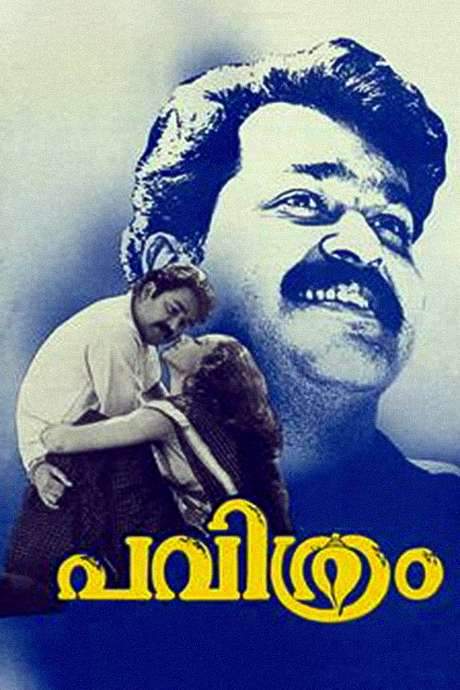
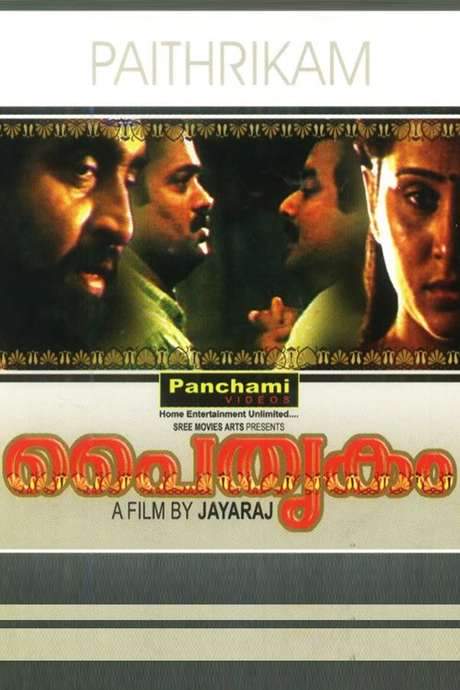
Paithrukam (1992) movie poster

Plot Summary

Paithrukam (1992) Plot Summary Explained

Release, runtime and language
1992 · 123 mins · Malayalam
Loading streaming availability…
Directed by
Jayaraj
Starring
Jayaram, Maniyanpilla Raju, Suresh Gopi, Geetha, Hakim Rawther, Narendra Prasad

The film revolves around a traditional Brahmin family and the fight between their beliefs and atheism.

On this page (6)
  1. 1 Where to watch
  2. 2 What happens: full plot
  3. 3 Plot questions answered
  4. 4 Movie threads
  5. 5 Movies like Paithrukam
  6. 6 Every angle
Loading streaming availability…

Full plot summary · contains spoilers

What Happens in Paithrukam: Full Plot Summary

The whole story of Paithrukam (1992) explained, from the opening scene to the final frame: every key event, every twist and what it all adds up to. Read it as a quick recap before the sequel, to check a scene you missed, or to finally understand what really happened.

Devadathan Chemmathiripadu, a Vedic scholar, is widely respected by everyone, played by Narendra Prasad. He has earned the title Somayajippadu after completing Somayagam and leads a simple life, deeply anchored in family and ritual. He has two sons: Somadathan Suresh Gopi and Chithrabhanu Jayaram. Bhanu Namboothiri serves as the chief priest in the nearby temple, a steady figure in the village’s spiritual rhythms.

During his Delhi days, Somadathan drifted toward atheism, aligning himself with radical groups that questioned the authority of the Vedas. When he returns to the village, the rituals that once bound his family begin to irritate him, and he openly denounces the Vedas as superstition, trying to recruit others into his skeptical fold and challenging the comforting routines that define village life.

Somayaji, the family patriarch, initially brushes off his son’s rebellion, but as the dissent grows, the tension becomes unbearable. He urges Dathan to return to a Brahmin’s life, to which Dathan butts back that he is no longer a Brahmin and had long since abandoned his Yajnopavitam. The clash fractures the old order and pushes Dathan to step away from the house he grew up in.

Dathan marries Gayathri [Geetha], an atheist and his lover, and together with fellow radicals, they move into an old haunted house. The couple, determined to defy superstition, cleans up the place and takes a hammer to the idols of Nagas and the small shrine that once anchored the community’s ritual life. Their actions are a defining act of rebellion, a bid to prove that belief can be toppled by collective will and rational critique.

Meanwhile, Bhanu Namboothiri falls in love with a girl in a neighboring village, Gouri, and asks his mother to speak to Somayaji on his behalf. But Somayaji reveals that Bhanu’s horoscope is not favorable—danger looming at the age of 27—an insight that crushes him and leads to his suicide that very night. The tragedy seeds a growing anger in Somadathan and deepens the rift with his father.

Gayathri becomes pregnant twice, but both pregnancies end in miscarriage, a fate villagers attribute to Sarpadosha. She dreams of serpents and begins to believe their act of destroying the idols of Nagas was the reason for the miscarriages, a superstition that gnaws at her sense of reason and safety.

One evening, Somadathan returns home to find Gayathri lighting a lamp for the idols at a shrine that has been cleansed of superstition. She tries to justify her actions and asks him to accept her perspective, but he remains adamant: to stay with him, she must follow his principles. The tension between love and belief grows sharper, pushing their relationship toward a breaking point.

Gayathri seeks refuge at Somayaji’s house, where Somadathan’s mother welcomes her and performs special pujas for her because she is pregnant for the third time. She gives birth to a boy, a moment that raises questions about lineage and tradition. Somadathan argues that the child should not be raised as a Brahmin and that no Vedic rituals should be conducted for him, signaling a generational rift in how the family views inheritance and religion.

As the village gathers for Athirathram, the highest form of yaga meant to please Lord Indra and summon rain, a group of atheists led by Somadathan rises to oppose the ceremony. They challenge Somayaji, pressing him to defend the value of rituals against a world increasingly skeptical of ancient rites. Somayaji lays down a provocative test: if heavy rain comes without the Vedas, will he abandon the ritual life? He poses a parallel question to Dathan as well, asking whether rain would force him to choose the old path again, and Dathan nods in reluctant agreement.

On the last day of Athirathram, the skies open in a torrent of rain. The test and its rhetoric collide with reality: Somayaji triumphs in his final vow, sacrificing his life in the fire of the inner altar. In that moment, Somadathan chooses his father’s way, stepping into the role of the family’s next priest and reaffirming the cycle of tradition, even as the younger generation questions its relevance. The story closes on a note that honors endurance, lineage, and the cost of choosing between belief and rebellion.
Last updated: October 05, 2025 at 11:42

Was this helpful?

Plot questions answered

Paithrukam Plot Explained: Your Questions Answered

The questions people ask most about Paithrukam (1992): what happens in the confusing scenes, why the characters do what they do, the twists, hidden details and what the ending means. Each answer contains spoilers.

Q1

Why did Bhanu Namboothiri commit suicide?

Bhanu Namboothiri fell in love with a girl named Gouri from a neighboring village and asked his mother to speak to Somayaji about the marriage. Somayaji revealed that Bhanu's horoscope showed danger at age 27, predicting his death. This devastating revelation crushed him, and he committed suicide the same night, believing his fate was sealed.

Foreshadowing: Earlier, Bhanu is established as a steady spiritual figure in the village, making his tragic end more impactful.

  • bhanu namboothiri
  • suicide
  • horoscope
  • gouri
  • death prediction
Q2

Why did Gayathri have miscarriages?

Gayathri became pregnant twice, but both pregnancies ended in miscarriage. The villagers attributed these misfortunes to Sarpadosha, believing the couple's act of destroying the Naga idols had angered the serpent deities. Gayathri herself began dreaming of serpents and started to believe the destruction had caused the miscarriages, though this is presented as superstition versus rational belief.

Foreshadowing: The couple's destruction of Naga idols directly precedes the miscarriages, creating apparent causality in the villagers' eyes.

  • gayathri
  • miscarriage
  • sarpadosha
  • naga idols
  • pregnancy
Q3

Why did Somayaji sacrifice himself in the fire?

During the Athirathram, Somayaji made a vow that if rain came without the Vedas, he would abandon ritual life. When heavy rain arrived on the last day of the ceremony, he interpreted this as a sign that his path had been validated. He chose to end his life by offering himself to the fire of the inner altar, sacrificing his life as the ultimate affirmation of his faith and to fulfill his final vow.

Foreshadowing: Somayaji's earlier challenge to Dathan about rainfall proving the Vedas' power sets up this fateful moment.

  • somayaji
  • sacrifice
  • fire
  • athirathram
  • rain
  • death
Q4

Why did Somadathan choose his father's path at the end?

When rain arrived during Athirathram, Somadathan was forced to confront the reality that his father's faith had produced tangible results. He nodded in reluctant agreement when Somayaji asked if rainfall would prove the old path correct. Witnessing his father's ultimate sacrifice in the fire convinced Somadathan that there was truth in tradition, leading him to step into the role of the family's next priest and embrace the Brahminical heritage he had spent years rejecting.

Foreshadowing: Somayaji's test about rain proving the Vedas' power directly precedes Dathan's change of heart.

  • somadathan
  • tradition
  • priest
  • athirathram
  • rain
  • conversion
Q5

Why did Gayathri light a lamp for the idols despite being an atheist?

One evening, Somadathan returned home to find Gayathri lighting a lamp for the idols at the shrine they had cleansed of superstition. This act represented a moment of internal conflict, she was pregnant for the third time and the villagers' blame over the Sarpadosha curse was wearing her down. She tried to justify the act and asked Somadathan to accept her perspective, showing how fear and superstition can creep back even into rationalist minds.

Foreshadowing: Her earlier pregnancies ending in miscarriage create the psychological pressure that leads to this moment of doubt.

  • gayathri
  • lamp
  • shrine
  • pregnancy
  • superstition
  • doubt
Q6

What is Sarpadosha?

Sarpadosha is a traditional belief in Hindu culture that refers to a curse or affliction caused by serpents or Naga deities. It is believed that harming or disrespecting serpents and their idols can bring misfortune, including childlessness or pregnancy complications. In the film, villagers blame Gayathri's miscarriages on Sarpadosha after she and Dathan destroyed the Naga idols.

Foreshadowing: The destruction of Naga idols directly precedes the miscarriages, establishing the cause-and-effect belief.

  • sarpadosha
  • curse
  • serpent
  • naga
  • misfortune
Q7

What is Athirathram and why is it important?

Athirathram is the highest form of yaga (fire ritual) in Vedic tradition, performed to please Lord Indra and summon rain. The summary describes it as a grand ceremony that the village gathers for. It becomes the pivotal event where Somayaji makes his final test about rainfall proving the power of the Vedas, leading to his ultimate sacrifice.

Foreshadowing: The preparation for Athirathram is mentioned early, building toward the climactic final ceremony.

  • athirathram
  • yaga
  • fire ritual
  • indra
  • rain
  • ceremony
Q8

Why did Somadathan become an atheist?

During his time in Delhi working as a journalist, Somadathan became associated with radical groups that questioned the authority of the Vedas. His exposure to modern ideas and rational critique led him to denounce tradition as superstition. When he returned to the village, he found the daily rituals irritating and began actively promoting atheism among the villagers, even attempting to recruit others into his skeptical fold.

Foreshadowing: His Delhi days are mentioned as the origin of his radical transformation from the traditional Brahmin path.

  • somadathan
  • atheism
  • delhi
  • vedas
  • rationalism
  • journalism
Q9

Why did Somadathan abandon his Brahmin identity?

Somadathan explicitly told his father that he was no longer a Brahmin and had long since abandoned his Yajnopavitam (the sacred thread). This act represented his complete rejection of the Brahminical system and all associated religious practices. He chose to live with Gayathri, an atheist, in a haunted house and led the opposition against traditional rituals.

Foreshadowing: His earlier drift toward atheism in Delhi sets the stage for this complete break from Brahmin identity.

  • brahmin
  • yajnopavitam
  • sacred thread
  • rejection
  • identity
Q10

Why did Somayaji tell Bhanu about his dangerous horoscope?

When Bhanu asked Somayaji to approach the girl's family for marriage, Somayaji revealed that Bhanu's horoscope predicted danger at age 27. This was presented as a sincere warning based on astrological belief, but it ultimately led to Bhanu's suicide. The act reflects the conflict between traditional beliefs and their consequences, with Somayaji's honest but fatal revelation causing tragic consequences.

Foreshadowing: The earlier establishment of Bhanu as a steady spiritual figure makes this revelation's impact more devastating.

  • horoscope
  • astrology
  • danger
  • marriage
  • somayaji
  • warning
Q11

What caused the rift between Somayaji and Somadathan?

The rift began when Somadathan returned from Delhi as an atheist, openly denouncing the Vedas as superstition and trying to recruit villagers to his rationalist cause. When Somayaji confronted him and told him to stay away from the house, Dathan responded that he was no longer a Brahmin and had abandoned his sacred thread. The conflict intensified when Somadathan blamed his father for Bhanu Namboothiri's suicide, accusing Somayaji of causing his death through the horoscope revelation.

Foreshadowing: Each confrontation escalates the tension, from initial disagreement to full estrangement.

  • conflict
  • father
  • son
  • atheism
  • vedas
  • confrontation

Movie threads

More Movies Like Paithrukam, by Mood & Story

Curated lists built around what makes Paithrukam tick: the same mood, the same kind of story or the same emotional payoff. Each list explains why these movies belong together.

Movies about family ideology clashes like Paithrukam

Stories where deep generational divides over faith and tradition tear families apart. If you liked the intense conflict between faith and atheism in Paithrukam, this thread gathers similar movies about family dramas where generational rifts over deeply held beliefs create high-stakes, emotionally heavy narratives. These stories explore the tragic cost when tradition and rebellion collide within a family.

  • tense
  • conflicted
  • tragic
  • philosophical
  • serious
  • oppressive
  • Tone: dark, tense, tragic
  • Pacing: steady, deliberate
Why these movies?

The story pattern: Narratives in this thread typically follow a family unit fractured by a core ideological disagreement, often between an older generation upholding tradition and a younger one embracing change or skepticism. The conflict escalates through heated confrontations and personal tragedies, forcing characters to confront the true cost of their convictions.

Why they belong together: These movies are grouped together because they share a focus on family as the primary battleground for philosophical and religious conflict. They generate high intensity and emotional weight through personal loss and strained relationships, creating a tense, somber, and often tragic viewing experience.

Movies with bittersweet sacrificial endings like Paithrukam

Journeys where a painful sacrifice leads to a resolution that feels both necessary and tragic. For viewers who appreciated the costly resolution in Paithrukam, this collection highlights films that end on a bittersweet note, where a character's ultimate sacrifice leads to a change that is meaningful yet deeply tragic. These are emotionally heavy dramas where the ending provides closure without true happiness.

  • bittersweet
  • tragic
  • somber
  • serious
  • emotional
  • thought-provoking
  • Tone: bittersweet, dark, tragic
  • Pacing: steady, building
Why these movies?

The story pattern: The narrative pattern involves a central conflict that seems unsolvable until a key character makes a grand, often self-sacrificial, gesture. This act forces a resolution or reconciliation for others, but the story ends by emphasizing the immense price paid, creating a feeling of sobering closure rather than celebration.

Why they belong together: These films are united by their specific emotional payoff: a bittersweet ending achieved through sacrifice. They share a heavy emotional weight, a dark tone, and a pacing that builds steadily toward this poignant, costly conclusion, leaving a lasting impact centered on themes of loss and legacy.

If you liked this

Movies Like Paithrukam

Similar movies to Paithrukam: the same genre, themes or kind of story. Each one comes with its own plot summary, timeline and ending explained.

Browse all movie summaries

Every angle

Paithrukam (1992) Explained: Plot, Timeline & Characters

Everything about Paithrukam in one place: what happens in the plot summary, the timeline in chronological order, the characters and meaning and a spoiler-free summary. What's After the Movie adds the cast, box office and post-credit scenes.

Coming soon on iOS and Android

The Plot Explained Movie Summary App

Plot summaries, endings explained and timelines on your phone. Catch up on any movie in minutes, save your favorites and never miss a twist again.

Be the first to know when we launch. Your email stays private, always.

Learn more about the app