







Plot Explained Spoilers guaranteed!
Plot Explained

Browse by genre

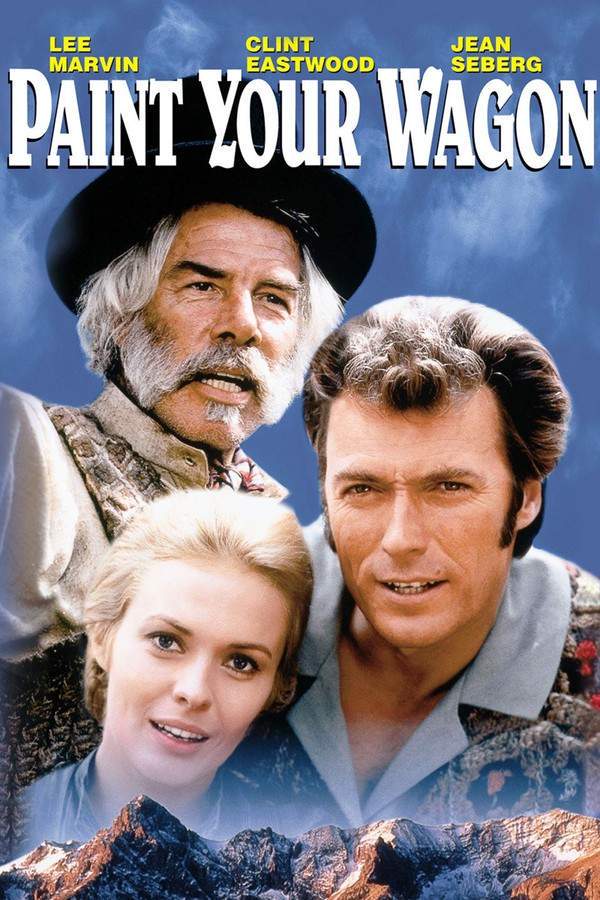
Paint Your Wagon (1969) movie poster

Characters & Themes

Paint Your Wagon (1969) Characters, Setting & Themes Explained

Release, runtime and language
1969 · 164 min · English
Directed by
Joshua Logan
Starring
Lee Marvin, Clint Eastwood, Jean Seberg, Ray Walston, Alan Baxter, William O'Connell

During the Gold Rush in the California wilderness, Ben Rumson and Pardner discover a gold-rich area and establish the mining camp of No Name City. The isolated men long for companionship, and their desires are ignited when a Mormon polygamist arrives with a group of women for sale. A lively bidding war ensues, creating both humorous and tense situations as the men compete for a chance at love and connection in the wild frontier.

On this page (8)
  1. 1 Where to watch
  2. 2 Characters explained (3)
  3. 3 Where & when it takes place
  4. 4 Themes & meaning (3)
  5. 5 Character & meaning questions
  6. 6 Movie threads
  7. 7 Movies like Paint Your Wagon
  8. 8 Every angle

Where to watch

Where to Watch Paint Your Wagon (1969)

Where can you watch Paint Your Wagon? Stream, rent or buy it in the US, including on Kanopy, YouTube Free and Amazon Video: current JustWatch availability with up-to-date prices.

Streaming availability powered by JustWatch

3 main characters · contains spoilers

Paint Your Wagon Characters Explained: Who Is Who

The main characters of Paint Your Wagon (1969), heroes and villains: what drives them, how they change over the course of the story and what each of them reveals about the film's bigger ideas.

  • Ben Rumson (Lee Marvin)

    Ben Rumson is a rugged prospector driven by a tumultuous past and a gambling spirit. Charismatic yet flawed, he grapples with his darker nature as he navigates his relationships with Pardner and Elizabeth. His pursuit of fortune often leads him into morally questionable territory.

    • 👨‍🌾 Prospector
    • 🍺 Flawed
  • Pardner (Clint Eastwood)

    Pardner, initially presented as a supportive figure, wrestles with the ethical complications of his partnership with Ben. His character showcases vulnerability and suspicion in the face of Ben's impulsiveness. Ultimately, he seeks stability and connection, becoming pivotal in the narrative's emotional arc.

    • 🤝 Partner
    • 🕵️‍♂️ Suspicious
  • Elizabeth (Jean Seberg)

    Elizabeth demonstrates fierce independence and strong will in a male-dominated society. Striking a balance between survival and desire, she confronts the realities of her situation with bravery. Her evolving relationships with Ben and Pardner add depth to her character as she seeks respect and security.

    • 👩‍🌾 Strong-willed
    • ❤️ Independent

Last updated: October 22, 2024 at 23:21

Was this helpful?

Setting

Where and When Does Paint Your Wagon Take Place?

The setting of Paint Your Wagon (1969): the year and time period, the places and locations, and how they shape the characters, the mood and the tension of the story.

Time period

Gold Rush Era

The Gold Rush Era marked a significant period of exploration and migration in search of wealth during the mid-19th century. Many flocked to newly discovered territories, resulting in rapid town expansion and often lawless conditions. This chaotic era fostered unique social structures and unconventional relationships as communities formed in the wilderness.

Location

No Name City

No Name City serves as a temporary refuge for prospectors during the gold rush, emerging as a bustling tent metropolis. Characterized by its rough edges and transient populace, it's a place where wild celebrations are intertwined with deep loneliness. Amidst the chaos, miners pursue not just wealth but human connection.

  • 🏙️ Town
  • 🌲 Wilderness

Last updated: October 22, 2024 at 23:21

Was this helpful?

3 major themes

Paint Your Wagon Meaning: Themes & Message Explained

What is Paint Your Wagon (1969) really about? The emotional, social and philosophical themes the film keeps returning to, its symbolism and the message beneath the surface.

  • Love & Loyalty

    Love and loyalty drive the complex relationships in the movie, especially between Ben, Pardner, and Elizabeth. The characters navigate dilemmas of trust and allegiance amidst their pursuit of happiness. The evolution of their bond showcases how love can be both a source of strength and a catalyst for conflict.

  • Prospecting

    Prospecting symbolizes not just the search for gold, but the characters' quests for stability and belonging. As miners delve into the earth, they also explore their desires and fears in a harsh landscape. The act of mining becomes a metaphor for discovering one's true self amid a chaotic environment.

  • Morality

    Themes of morality are woven throughout the narrative, challenging traditional societal norms. The characters face ethical dilemmas regarding love, possession, and respect. Elizabeth's bold suggestion to redefine ownership in relationships questions the morality of both the mining law and personal relationships.

Last updated: October 22, 2024 at 23:21

Was this helpful?

Character & theme questions

Paint Your Wagon Characters & Meaning: Your Questions Answered

The questions people ask about Paint Your Wagon (1969): who the characters really are, their relationships, what the symbols mean, where it takes place and what the movie is really about. Each answer contains spoilers.

Q1

Where is the movie set?

Paint Your Wagon is set in No Name City, a temporary mining camp that emerges during the California Gold Rush. This tent metropolis in the wilderness serves as a rough, transient settlement where prospectors gather in pursuit of wealth while seeking human connection amid the chaotic frontier.

  • no name city
  • gold rush
  • california
  • mining camp
  • setting
  • frontier
Q2

When does the story take place?

The story is set during the Gold Rush Era of the mid-19th century, a period marked by rapid migration, exploration, and lawless conditions as thousands flocked to newly discovered territories in search of fortune.

  • gold rush era
  • 19th century
  • california gold rush
  • historical period
  • mid-1800s
Q3

What are the main themes?

The movie explores three primary themes: Love & Loyalty, which drives the complex relationships between characters; Prospecting as a metaphor for searching stability and self-discovery; and Morality, which challenges traditional societal norms around possession and relationships.

  • themes
  • love
  • loyalty
  • prospecting
  • morality
  • gold rush themes
Q4

Who is Ben Rumson?

Ben Rumson, played by Lee Marvin, is a rugged and charismatic prospector with a gambling spirit and a tumultuous past. He drives the story's central conflict as he navigates morally questionable territory in his pursuit of fortune while managing relationships with Pardner and Elizabeth.

  • ben rumson
  • lee marvin
  • prospector
  • main character
  • protagonist
Q5

Who is Pardner?

Pardner, played by Clint Eastwood, is a prospector who begins as a supportive partner to Ben but increasingly wrestles with ethical complications arising from their scheme. He seeks stability and genuine connection, becoming pivotal to the narrative's emotional arc.

  • pardner
  • clint eastwood
  • prospector
  • partner
  • ben rumson friend
Q6

Who is Elizabeth in the movie?

Elizabeth, played by Jean Seberg, is a woman of fierce independence who navigates a male-dominated society with strong will and bravery. She challenges traditional roles by confronting her circumstances directly and seeking respect and security while balancing survival with desire.

Q7

What is No Name City?

No Name City is the central mining camp setting where most of the film's events unfold. It represents both a place of wild celebration and deep loneliness, a transient tent metropolis where miners pursue not just gold but human connection in a harsh, lawless frontier environment.

  • no name city
  • mining camp
  • boomtown
  • frontier town
  • setting
Q8

Is Paint Your Wagon a musical?

Yes, Paint Your Wagon combines multiple genres including Drama, Comedy, Romance, Western, and Musical. The film features lively musical numbers balanced with comedic situations, though it maintains a bittersweet tone that addresses themes of loneliness, greed, and loss.

  • musical
  • genre
  • western musical
  • comedy
  • romance
  • drama
Q9

What does prospecting symbolize in the film?

Prospecting in the film symbolizes more than the search for gold, it represents the characters' broader quests for stability, belonging, and self-discovery. The act of mining becomes a metaphor for uncovering one's true identity amid the chaotic and harsh frontier environment.

  • prospecting metaphor
  • gold mining
  • self discovery
  • identity
  • search for meaning
Q10

What moral dilemmas does the movie explore?

The film challenges traditional societal norms through ethical dilemmas regarding love, possession, and respect. Characters face questions about the morality of mining claims, relationships, and ownership, particularly through Elizabeth's bold suggestions that redefine how relationships are understood.

  • morality
  • ethics
  • possession
  • relationships
  • societal norms
  • mining law
Q11

What is the overall tone of the film?

The film has a bittersweet tone, balancing hopeful and whimsical energy from community building and romantic entanglements with the melancholic realities of greed, loss, and the transient nature of boomtown life. Musical levity counterbalances themes of loneliness and abandonment.

  • tone
  • bittersweet
  • mood
  • emotional tone
  • western comedy
  • musical tone

Movie threads

More Movies Like Paint Your Wagon, by Mood & Story

Curated lists built around what makes Paint Your Wagon tick: the same mood, the same kind of story or the same emotional payoff. Each list explains why these movies belong together.

Movies about boomtowns with bittersweet endings like Paint Your Wagon

Stories of raucous frontier communities that rise with gold and fall with greed. If you enjoyed the rise and fall of No Name City in Paint Your Wagon, explore these other movies like it. This collection features stories of makeshift frontier communities, gold rush-era settlements, and boomtowns that experience a chaotic, boisterous rise followed by a melancholic or bittersweet collapse.

  • rambunctious
  • melancholic
  • nostalgic
  • boisterous
  • tumultuous
  • frontier spirit
  • Tone: bittersweet, melancholic
  • Pacing: variable, building to chaos
Why these movies?

The story pattern: Narratives in this thread typically follow a pattern: the discovery of opportunity leads to the rapid, often lawless, establishment of a community. The middle act is filled with ambition, conflict, and a sense of shared, if chaotic, purpose. The final act brings the inevitable decline, whether from depleted resources, internal corruption, or the encroachment of a more orderly society, leaving characters to reckon with loss and transience.

Why they belong together: These films are grouped together because they share a specific tonal arc—starting with high-energy, hopeful chaos and ending with a poignant, melancholic reflection. They balance rambunctious humor with underlying sadness and explore universal themes of community, greed, and the impermanence of dreams built on fleeting fortunes.

Movies about unconventional frontier families like Paint Your Wagon

Stories where lonely souls in harsh lands form unexpected bonds and relationships. Fans of the unique relationships in Paint Your Wagon will enjoy these similar movies. This list features stories of found families, polyamorous arrangements, and unconventional communities forming in the wilderness or on the frontier, where characters find love and connection against the odds.

  • lonely
  • romantic
  • heartfelt
  • unconventional
  • nostalgic
  • found family
  • Tone: bittersweet, romantic
  • Pacing: steady, character driven
Why these movies?

The story pattern: The narrative pattern involves isolated individuals, often grappling with loneliness, who are brought together in a remote or harsh environment. Their journey is about negotiating new rules for intimacy, loyalty, and support, creating a 'found family' structure. Conflict arises from both internal dynamics and external pressures that threaten their fragile, newly-formed unit, leading to emotional growth and sacrifice.

Why they belong together: This thread connects movies based on their central theme of redefining family and love in settings where traditional structures don't apply. They share a specific mood blend of loneliness and heartfelt connection, often with a bittersweet tone, as these unconventional arrangements are tested by their surroundings and societal norms.

If you liked this

Movies Like Paint Your Wagon

Similar movies to Paint Your Wagon: the same genre, themes or kind of story. Each one comes with its own plot summary, timeline and ending explained.

Browse all movie summaries

Every angle

Paint Your Wagon (1969) Explained: Plot, Timeline & Characters

Everything about Paint Your Wagon in one place: what happens in the plot summary, the timeline in chronological order, the characters and meaning and a spoiler-free summary. What's After the Movie adds the cast, box office and post-credit scenes.

Coming soon on iOS and Android

The Plot Explained Movie Summary App

Plot summaries, endings explained and timelines on your phone. Catch up on any movie in minutes, save your favorites and never miss a twist again.

Be the first to know when we launch. Your email stays private, always.

Learn more about the app