
Our Lady of the Assassins
Year: 2001
Runtime: 101 min
Language: Spanish
Director: Barbet Schroeder
After years of absence, writer Fernando Vallejo returns to his hometown of Medellin and finds an unexpected connection with Alexis, a sixteen-year-old struggling with a violent upbringing. Their relationship develops into a forbidden love, offering solace amidst the harsh realities of their surroundings. As they navigate their complicated circumstances, the challenges of their world threaten to pull them apart.
Warning: spoilers below!
Haven’t seen Our Lady of the Assassins yet? This summary contains major spoilers. Bookmark the page, watch the movie, and come back for the full breakdown. If you're ready, scroll on and relive the story!
Timeline – Our Lady of the Assassins (2001)
Trace every key event in Our Lady of the Assassins (2001) with our detailed, chronological timeline. Perfect for unpacking nonlinear stories, spotting hidden connections, and understanding how each scene builds toward the film’s climax. Whether you're revisiting or decoding for the first time, this timeline gives you the full picture.
Last Updated: November 16, 2024 at 15:27

Explore Movie Threads
Discover curated groups of movies connected by mood, themes, and story style. Browse collections built around emotion, atmosphere, and narrative focus to easily find films that match what you feel like watching right now.
Movies with doomed love stories like Our Lady of the Assassins
Forbidden romances that offer temporary solace amidst inescapable brutality.If you were captivated by the tragic romance in Our Lady of the Assassins, explore more movies about forbidden love blossoming in violent settings. These films feature relationships that provide fleeting comfort but are ultimately crushed by their harsh surroundings, leading to bleak and emotionally devastating conclusions.

On the Beach
1959

Marguerite & Julien
2016
Our Lady of the Assassins
2001

Loveless
2017

It's All About Love
2004

Veronika Voss
1982

Toxic Love
1983

A Handful of Dust
1988

Crazy Love
1987

Cruel Story of Youth
1960

Without Pity
1948

Double Suicide
1969

Ever in My Heart
1933

Rainy Dog
1997

Black Gravel
1961
Narrative Summary
Movies in this thread follow a narrative where a deep, often forbidden, connection forms between characters as a refuge from a dangerous world. This relationship provides a core of humanity and tenderness, but the external forces of violence, societal pressure, or circumstance relentlessly encroach, leading to a climax where love is sacrificed or destroyed.
Why These Movies?
These films are grouped by their shared focus on the poignant contrast between intimate, tender moments and the crushing weight of a brutal external reality. They explore how love can flourish in the most unlikely places, only to be extinguished, creating a powerfully melancholic and despairing viewing experience.
Bleak crime dramas in decaying cities like Our Lady of the Assassins
Unflinching portrayals of characters consumed by a violent, decaying city.For viewers who appreciated the grim atmosphere of Medellín in Our Lady of the Assassins, this list features similar movies set in decaying urban environments. These films explore the cyclical nature of violence and the crushing impact of a corrupt world on individual lives, resulting in heavy, tragic narratives.
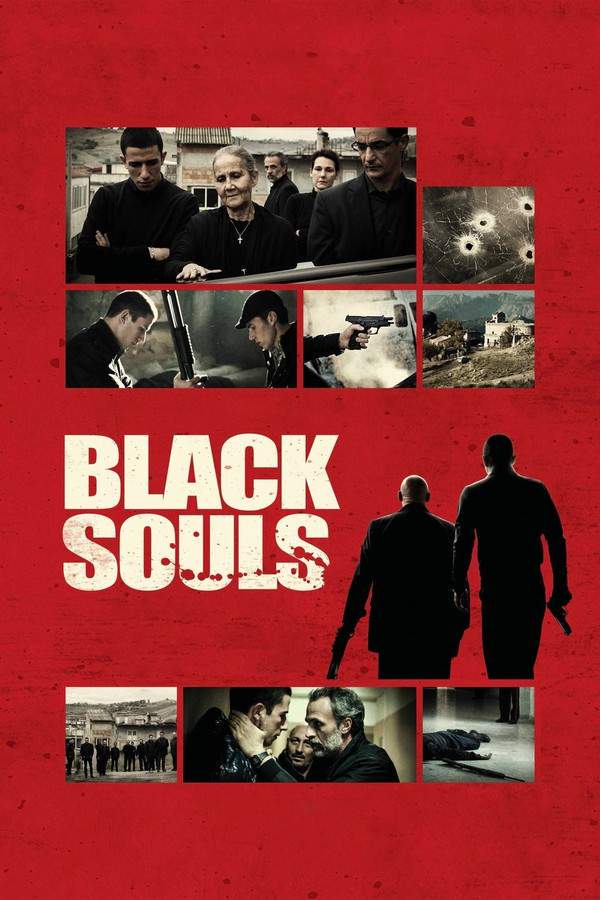
Black Souls
2015

Requiem for a Dream
2000
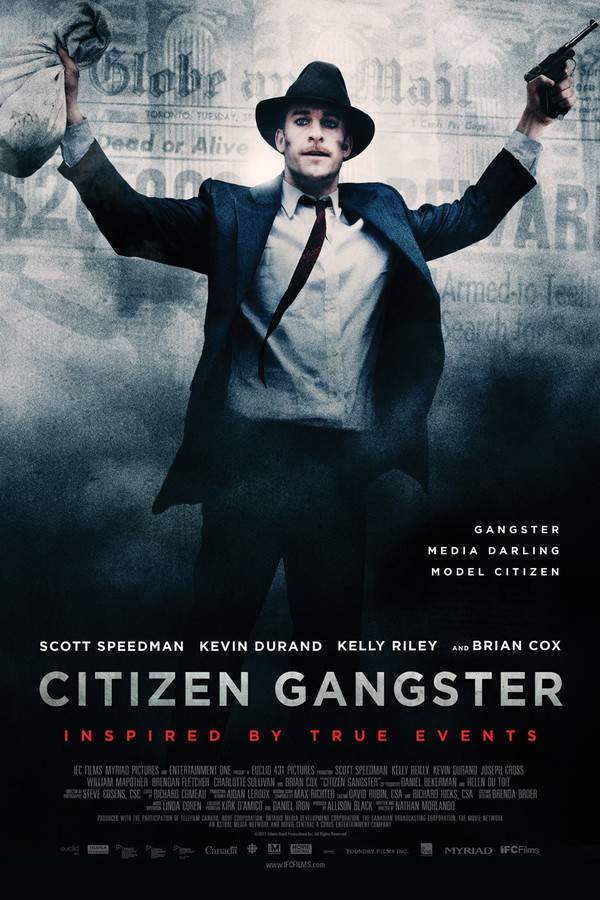
Citizen Gangster
2012

Dallas 362
2005
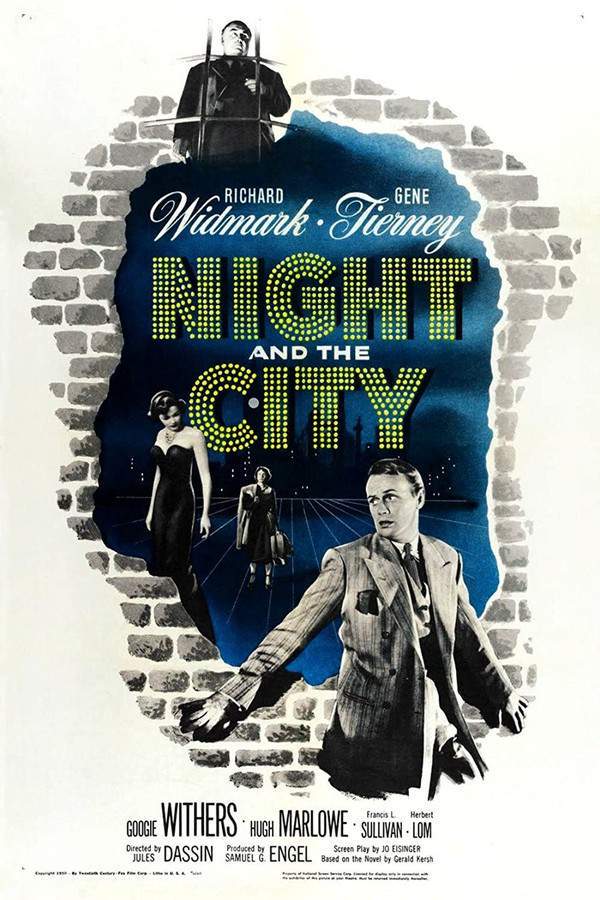
Night and the City
1992

Asphalt City
2024

After This Our Exile
2006

Scene of the Crime
1986

Back Door to Heaven
1939

Small Crime
2008
Rainy Dog
1997

Face
1997

On the Night of the Fire
1939
Black Gravel
1961

Hollywood 90028
1973
Narrative Summary
The narrative pattern involves a protagonist, often an outsider or someone returning, entering a violent urban ecosystem. Their journey is one of gradual immersion into the local codes of brutality, where attempts at redemption or connection are systematically dismantled. The story unfolds with a sense of grim inevitability, emphasizing the city's power to corrupt and destroy.
Why These Movies?
These movies share a suffocating atmosphere defined by their setting. The focus is on the symbiotic relationship between character and environment, where the oppressive mood of urban decay, gang warfare, and moral collapse creates a coherent vibe of despair and futility.
Unlock the Full Story of Our Lady of the Assassins
Don't stop at just watching — explore Our Lady of the Assassins in full detail. From the complete plot summary and scene-by-scene timeline to character breakdowns, thematic analysis, and a deep dive into the ending — every page helps you truly understand what Our Lady of the Assassins is all about. Plus, discover what's next after the movie.
Our Lady of the Assassins Summary
Read a complete plot summary of Our Lady of the Assassins, including all key story points, character arcs, and turning points. This in-depth recap is ideal for understanding the narrative structure or reviewing what happened in the movie.

Characters, Settings & Themes in Our Lady of the Assassins
Discover the characters, locations, and core themes that shape Our Lady of the Assassins. Get insights into symbolic elements, setting significance, and deeper narrative meaning — ideal for thematic analysis and movie breakdowns.