Year: 1980
Runtime: 103 mins
Language: English
Director: Julien Temple
The film offers a chaotic post‑breakup portrait of the Sex Pistols, presented as a documentary narrated by their manager Malcolm McLaren. He maintains—though widely disputed—that the band and the wider punk scene were an elaborate ruse he crafted to earn a million pounds, giving the story a self‑referential, provocative edge.
Warning: spoilers below!
Haven’t seen The Great Rock ’n’ Roll Swindle yet? This summary contains major spoilers. Bookmark the page, watch the movie, and come back for the full breakdown. If you're ready, scroll on and relive the story!
Read the complete plot breakdown of The Great Rock ’n’ Roll Swindle (1980), including all key story events, major twists, and the ending explained in detail. Discover what really happened, and what it all means.
This film offers a sly, stylised portrait of the Sex Pistols’ formation, rise, and breakup, drawn from the perspective of their self-styled manager and told through a sequence of sharp, self-contained set pieces. It opens with a bonfire of Sex Pistols merchandise, a provocative image that recurs as a through-line and backdrop for every volatile moment that follows. The Crook [Steve Jones] steps into the frame as a shady private investigator guiding us through a string of theatrical vignettes—each one peeling back the myth to reveal the messy truth behind the band’s ascent.
The story unfolds as a mosaic of clashes, power plays, and calculated provocations. At the center is the manager’s own ambitious agenda, embodied by the Embezzler [Malcolm McLaren], who uses the group as a means to a larger end. His plan is driven by a conviction that cash can be extracted from chaos, and the film follows how this philosophy shapes the band’s public image, their contracts, and the rapid-fire tempo of their career. Through a carefully staged sequence of appearances and reversals, we see how the Pistols are shaped into a phenomenon, while their music remains both a catalyst and a battleground.
The movie is peppered with vivid cameos that root the fantasia in a colorful, almost documentary-like texture. Mary Millington appears as Mary, The Crook’s girlfriend, adding a layer of personal motive to the unfolding drama, while Irene Handl embodies the Cinema Usherette, and Liz Fraser embodies a Woman in Cinema, underscoring the film’s fascination with cinema as both audience and amplifier of culture. Edward Tudor-Pole appears as Tadpole, a kiosk attendant, threading in a touch of whimsy amid the chaos, and Ronald Biggs makes a brief, offbeat appearance as The Exile. The Collaborator is portrayed by John Lydon, a tricky inclusion given the real-world stance of the frontman who famously refused to participate in the project.
In a notorious footnote to the behind-the-scenes tale, the film references the frontman’s stance head-on: the line about not wanting to be involved is echoed by the character’s irrefutable absence, while the on-screen narrator gestures toward the tension between artistic authenticity and manufactured spectacle. The film uses this tension to frame a larger argument about who truly controls a band’s destiny and who profits from its mythos.
As the narrative threads through the industry’s big names, it nods to EMI, A&M, Virgin, and Warner Bros.—labels that loom large in the Pistols’ story and in McLaren’s grand plan. The result is a deliberately provocative, fictionalized account that blends punchy set pieces, stylised performances, and satirical critique into a continuous, immersive experience. The movie never pretends to be a straight documentary; it toys with reality and myth to ask who benefits when chaos becomes capital.
“a pile of rubbish” and “Malcolm’s vision of what he believed; not true in any form”
The film ultimately presents a portrait of a moment when music, money, and rebellion collide, and where a self-styled Svengali-type figure tries to stitch a perfect narrative from imperfect truths. It is a bold, audacious reimagining that invites viewers to question how much of the Sex Pistols’ story is a product of their music and how much is a product of the storytelling around them.
Last updated: February 18, 2026 at 23:45
Explore frequently asked questions about The Great Rock ’n’ Roll Swindle (1980) with spoiler-rich answers covering the full plot summary, major story beats, character motivations, hidden details, and ending meaning. This movie summary FAQ helps explain confusing scenes, plot twists, and narrative decisions in clear, searchable detail.
McLaren presents himself as the architect of the Sex Pistols, asserting that he conceived the band as a calculated money-making scheme rooted in his 'cash from chaos' philosophy. Throughout the film, he positions his management as the driving force behind the band's provocation, image, and rapid rise. The movie frames this claim as the central tension between artistic authenticity and manufactured spectacle, leaving viewers to question how much of the punk revolution was scripted by the manager rather than driven by the musicians themselves.
Early in the film, when Jones and Cook recruit McLaren as manager, his self-appointed role as the band's mastermind is immediately established.
Johnny Rotten (John Lydon) explicitly refused to participate, calling the project 'a pile of rubbish' and rejecting the film's version of events. His refusal stems from his real-life stance that McLaren's narrative is fabricated and self-serving. The film addresses this directly by having the narrator acknowledge the frontman's absence, using it to underscore the divide between McLaren's crafted myth and the band member's perspective on what actually happened.
The film's opening frames establish McLaren as an unreliable narrator, setting up the tension that Rotten would later reject.
The 'cash from chaos' philosophy is McLaren's stated belief that profitability can be extracted from disorder and provocation. He presents himself as the 'Embezzler' figure who deliberately cultivated controversy, using the Sex Pistols' shocking behavior, provocative image, and media backlash as tools to generate attention and revenue. The film depicts how this approach shaped the band's contracts, public image, and career trajectory, portraying the entire punk phenomenon as a financial maneuver rather than a spontaneous musical movement.
The opening bonfire of merchandise signals a rejection of conventional music industry values, establishing the chaotic tone McLaren would exploit.
The film portrays the breakup as the inevitable collapse of McLaren's manager-driven machine. As tensions between the band members and McLaren escalated, and as his financial manipulations came under scrutiny, the internal conflicts and external pressures culminated in the band's dissolution. The narrative frames the end as a somber epitaph to the spectacle, where the chaos that once generated fame eventually destroyed the group itself.
Throughout the film, McLaren's control over the band's direction creates friction, with the musicians increasingly visibly uneasy with his manipulations.
The film is deliberately a fictionalized, satirical account rather than a straight documentary. McLaren narrates his own version of events, presenting the Sex Pistols' story as an elaborate scheme he orchestrated. While the film references real events, record deals with EMI, A&M, Virgin, and Warner Bros, the narrative is admitted by McLaren himself to be his 'vision of what he believed,' not factually accurate. The mockumentary structure intentionally blurs lines between truth and mythmaking.
The film's prologue with the bonfire establishes from the start that this is a stylized, provocative retelling rather than objective documentation.
Ronnie Biggs, the infamous fugitive train robber, makes a cameo as 'The Exile,' adding to the film's collage-like, sensational atmosphere. His appearance reinforces the movie's mythic tone, pairing the outlaw spirit of the Sex Pistols with another notorious British criminal. The cameo exemplifies the film's approach of weaving together real figures, fictionalized characters, and cultural icons to create a stylized, satirical portrait of the punk era rather than a strict historical record.
The film establishes early on that it operates in a realm of theatrical vignettes and exaggerated storytelling rather than documentary realism.
The film opens with a bonfire burning Sex Pistols merchandise, a provocative image that recurs throughout as a visual motif. This scene frames the entire narrative by signaling a rebellious rejection of the music industry and materialistic aspects of fame. It also foreshadows the chaotic path the band will take, suggesting that the spectacle and manufactured image will ultimately be consumed by its own flames. The bonfire establishes that control, image, and narrative matter more than the actual events themselves.
This opening image recurs as a backdrop for every volatile moment in the film, reinforcing its symbolic weight.
The film depicts EMI, A&M, Virgin, and Warner Bros as part of the machinery that McLaren manipulated to extract profits from the Pistols. Each record deal is shown as part of his grand financial plan, with the labels looming large in the Pistols' story. The narrative presents these companies as either dropping the band or signing them in rapid succession, driven by the controversy and attention McLaren cultivated, portraying the music industry as easily swayed by provocation rather than purely focused on musical merit.
The section on 'cash from chaos' establishes that media attention and industry reaction were deliberately manufactured for profit.
John Lydon (Johnny Rotten) is listed as 'The Collaborator' despite his refusal to participate, a deliberately ironic casting choice. The film uses his absence as a narrative device, acknowledging his refusal to be involved while simultaneously including him in the credits. This creates a self-referential tension that underscores the film's central argument about who controls a band's story and who profits from its myth. It highlights the rift between the manager's narrative and the frontman's reality.
The film's production period explicitly references Rotten's distancing stance, making his 'Collaborator' credit a pointed contradiction.
The film uses McLaren's narration to argue that punk was largely a manufactured spectacle rather than an authentic grassroots movement. Through the 'cash from chaos' philosophy and the portrayal of calculated provocation, the movie suggests that the Sex Pistols' rebellion was scripted for profit. However, the film maintains a satirical self-awareness, inviting viewers to question whether McLaren's claims are themselves another layer of mythmaking. It ultimately asks who truly controls a band's destiny and who profits from its legend.
The tension between McLaren's self-serving narrative and Rotten's refusal to participate plants the question of authenticity from the beginning.
Discover curated groups of movies connected by mood, themes, and story style. Browse collections built around emotion, atmosphere, and narrative focus to easily find films that match what you feel like watching right now.
Satirical films that pull back the curtain on cynical manipulation and greed.If you enjoyed the sharp, satirical look at the music business in The Great Rock ’n’ Roll Swindle, you'll find similar cynical energy in these movies. They expose the greed and manipulation behind various industries with a darkly comedic edge.
These narratives often follow an exposé structure, guided by an unreliable narrator or a chaotic presentation that deconstructs a myth. The plot revolves around revealing a hidden truth about an industry's exploitative practices, culminating in a bittersweet or cynical resolution.
They are grouped by their shared blend of dark satire, fast pacing, and a confrontational tone aimed at deconstructing powerful systems. The focus is on the unsettling yet entertaining revelation of cynical motives.
Chaotic films where the narrator's questionable truth shapes a self-referential story.Fans of the self-referential storytelling in The Great Rock ’n’ Roll Swindle will appreciate these films. They use a mockumentary framework with an unreliable guide to create a chaotic and thought-provoking narrative where nothing is quite as it seems.
The narrative is built around a central storyteller whose version of events is deliberately questionable. The plot unfolds through their perspective, creating tension between what is shown and what the audience suspects is true, leading to an ambiguous or meta-commentary on truth itself.
They share a common structural device: the mockumentary format powered by an unreliable narrator. This creates a specific viewing experience focused on narrative complexity, self-referential humor, and the deconstruction of perceived reality.
Don't stop at just watching - explore The Great Rock ’n’ Roll Swindle in full detail. From the complete plot summary and scene-by-scene timeline to character breakdowns, thematic analysis, and a deep dive into the ending - every page helps you truly understand what The Great Rock ’n’ Roll Swindle is all about. Plus, discover what's next after the movie.
Track the full timeline of The Great Rock ’n’ Roll Swindle with every major event arranged chronologically. Perfect for decoding non-linear storytelling, flashbacks, or parallel narratives with a clear scene-by-scene breakdown.
Discover the characters, locations, and core themes that shape The Great Rock ’n’ Roll Swindle. Get insights into symbolic elements, setting significance, and deeper narrative meaning - ideal for thematic analysis and movie breakdowns.
Discover movies like The Great Rock ’n’ Roll Swindle that share similar genres, themes, and storytelling elements. Whether you’re drawn to the atmosphere, character arcs, or plot structure, these curated recommendations will help you explore more films you’ll love.
The Great Rock ’n’ Roll Swindle (1980) Scene-by-Scene Movie Timeline
The Great Rock ’n’ Roll Swindle (1980) Movie Characters, Themes & Settings
The Great Rock ’n’ Roll Swindle (1980) Spoiler-Free Summary & Key Flow
Movies Like The Great Rock ’n’ Roll Swindle – Similar Titles You’ll Enjoy
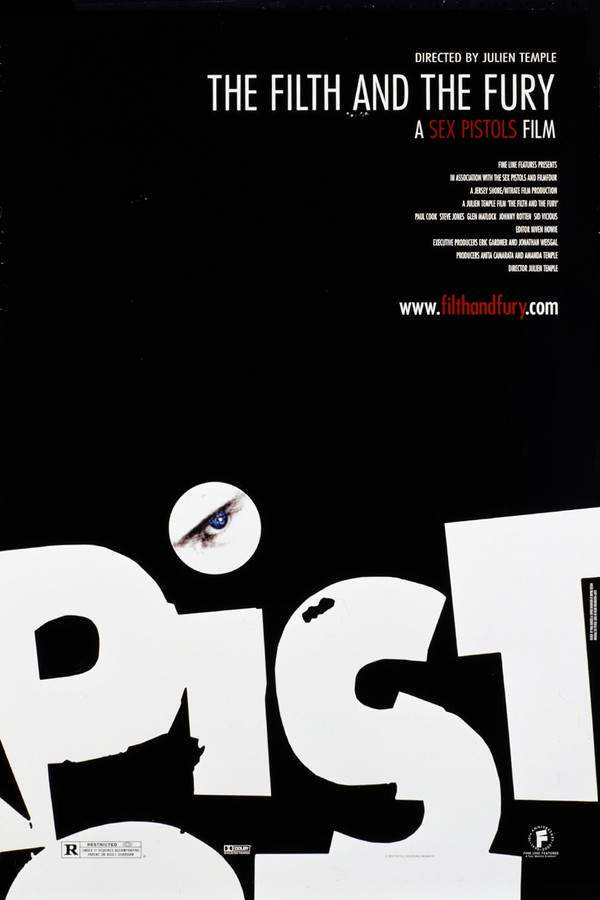
The Filth and the Fury (2000) Full Movie Breakdown
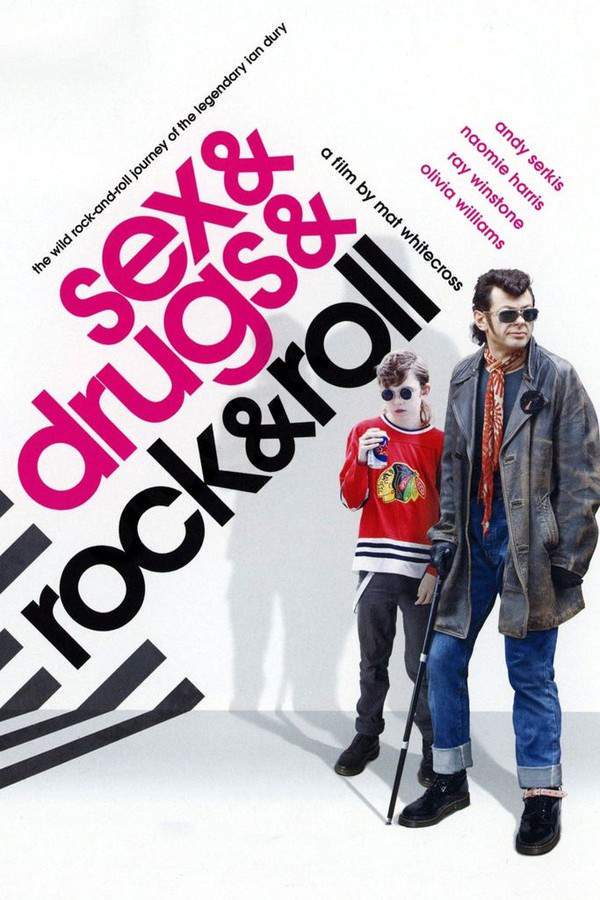
Sex & Drugs & Rock & Roll (2010) Spoiler-Packed Plot Recap
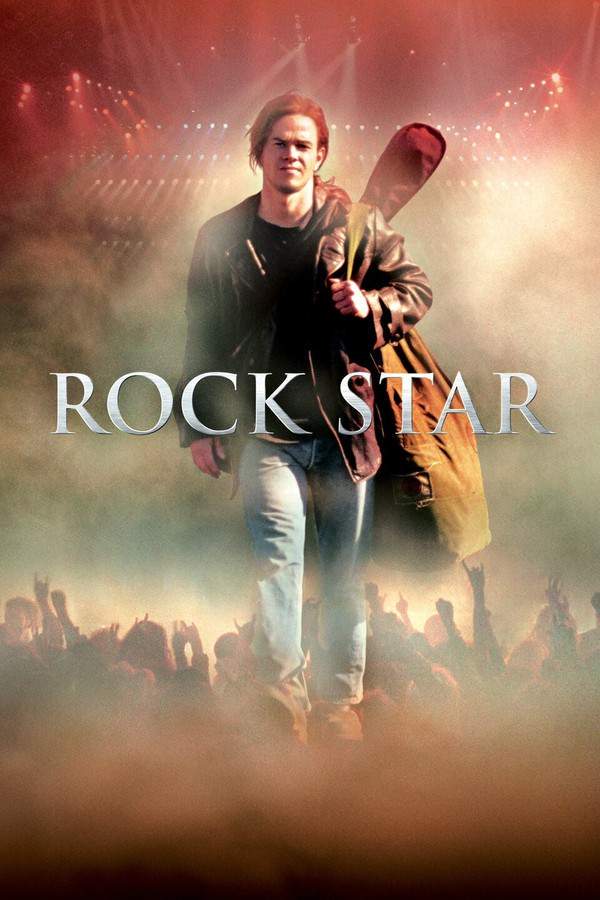
Rock Star (2001) Movie Recap & Themes
The Rocker (2008) Spoiler-Packed Plot Recap
Classic Albums: Sex Pistols - Never Mind The Bollocks, Here’s The Sex Pistols (2002) Film Overview & Timeline
Urgh! A Music War (1981) Detailed Story Recap
Pistol (1000) Full Summary & Key Details
The Punk Rock Movie (1978) Full Summary & Key Details
The London Rock and Roll Show (1973) Film Overview & Timeline
Cocksucker Blues (1972) Spoiler-Packed Plot Recap
Mister Rock and Roll (1957) Full Summary & Key Details
Rock and Roll Fantasy (1992) Story Summary & Characters
Rock Around the Clock (1956) Movie Recap & Themes
Mr. Rock n Roll: The Alan Freed Story (1999) Full Movie Breakdown
Sex Pistols: Agents of Anarchy (2009) Movie Recap & Themes