A ruthless gunslinger is poisoned by a wealthy heiress and given three days to save her sister. The heiress reveals that her sister has been kidnapped by a gang of criminals who possess the antidote. Racing against time, the gunslinger must navigate danger and uncover the gang's motives to secure the antidote and prevent a deadly outcome.
Find where to stream, rent, or buy Once Upon a Time in Deadwood (2019) in the US with current JustWatch availability, up-to-date pricing, and platform listings for subscription, rental, and digital purchase options.
Warning: spoilers below!
Haven’t seen Once Upon a Time in Deadwood yet? This summary contains major spoilers. Bookmark the page, watch the movie, and come back for the full breakdown. If you're ready, scroll on and relive the story!
Read the complete plot breakdown of Once Upon a Time in Deadwood (2019), including all key story events, major twists, and the ending explained in detail. Discover what really happened, and what it all means.
In February 1969, a fading Hollywood icon faces the twilight of his television career. Rick Dalton spends most of his days chasing a spark of relevance, his latest gigs mostly consisting of guest appearances as TV villains. His agent, Marvin Schwarz, nudges him toward spaghetti Westerns in Italy, a path Dalton initially dismisses as a step down. Yet the veteran star clings to a stubborn hope: perhaps a renewed connection with the right project could reignite his star power and, more importantly, his sense of purpose.
Beside Dalton, his longtime ally is Cliff Booth, a loyal stunt double, personal assistant, and driver who lives in a modest trailer with his loyal pit bull, Brandy. Booth is a WWII veteran who has fought hard to stay employed in the dangerous world of stunt work, but whispers about his past—an infamous altercation with a martial arts legend and rumors of uxoricide—have begun to shadow him, making it harder to land gigs. He doesn’t carry these rumors as facts in his own mind, yet the weight of them colors how people treat him and how he sees his own future.
Dalton and Booth share a deep, almost brotherly bond. Dalton longs not just for steady work, but for a chance to befriend the famous neighbors who have become a symbol of a new California—Sharon Tate and her husband, director Roman Polanski, who live nearby. He believes connecting with them might open doors to a brighter acting life, a testament to how much he still wants to be seen.
Meanwhile, Booth keeps a watchful eye on the world around the Spahn Ranch, a derelict western film set turned commune, where hippies led by Tex and others have moved in. As Booth tends to the well‑being of the ranch’s owner, the nearly blind George Spahn, he faces the uncomfortable justice of making sure the younger residents aren’t exploiting a vulnerable ally. A tense moment unfolds when Booth confronts a wayward hippie, Clem, after his car tire is punctured, signaling how fragile the line between old-Hollywood’s codes and the countercultural era has become.
Dalton’s acting gifts reveal themselves in a moment of crisis on the set of a Lancer episode. He collapses under the pressure, only to rebound with a powerful, authentic performance that wins over director Sam Wanamaker and his co-star Trudi. The breakthrough moment proves he still has real talent to offer, if the right role comes along.
Schwarz then books Dalton in a Sergio Corbucci spaghetti Western, a move that takes Dalton abroad for a six‑month shoot in Italy. Booth accompanies him, sharing the journey as both a professional and a friend. The Italian sojourn brings new experiences, three more films, and a surprising personal update when Dalton marries the Italian starlet Francesca Capucci. Before Dalton returns to the United States, he tells Booth that he can no longer rely on his salary, and Booth accepts this with a quiet, gracious understanding.
Back in Los Angeles on August 8, 1969, the two men share a night of celebration, toasting the time they spent together. The mood shifts as Dalton returns home to a quiet evening—Booth smokes an acid‑laced cigarette, and Brandy is walked through the night as Dalton whips up margaritas.
But the city’s tension erupts as Manson’s followers—Tex, Sadie, Katie, and Flowerchild—arrive with deadly intent at Tate’s home. The group is drawn to the victim’s door by the life that Dalton represents on screen, but their plan soon targets him and those he cares about. Dalton, startled by a car’s muffler and overwhelmed by the disruption, orders the trespassers off the private street. Yet the misreading of the situation leads the intruders to target Dalton’s home rather than him—and their violence takes a brutal turn.
The confrontation inside the house becomes a brutal struggle. Booth recognizes some of the intruders from his time at Spahn Ranch and commands Brandy to retaliate. Brandy fights ferociously, mauling Tex and then biting off his genitals before Booth finishes him with a stomp. Katie stabs Booth, but he overpowers her with whatever tools are at hand. Brandy’s assault devastates Sadie, who crashes into the backyard, shocking Dalton as he sits, headphones on, lost in his own world of music.
In a final, incendiary act of defense and consequence, Dalton retrieves a working stunt flamethrower from a shed and uses it to incinerate Sadie, a moment that marks the brutal turning point of the night and its ambiguous moral line.
As the police collect statements and an ambulance carries Booth away to the hospital, Sebring and Tate welcome Dalton into their home to share a drink and the sense that the night’s chaos might give birth to a different future for him. The film lingers on this fragile, uncertain hope—the possibility that a man whose career has drifted could still find a new spark, even amid the shadows of a neighborhood that embodies a changing era.
“the Devil and here to do the Devil’s business”
Last updated: February 25, 2026 at 08:17
Explore frequently asked questions about Once Upon a Time in Deadwood (2019) with spoiler-rich answers covering the full plot summary, major story beats, character motivations, hidden details, and ending meaning. This movie summary FAQ helps explain confusing scenes, plot twists, and narrative decisions in clear, searchable detail.
The Manson followers initially approached the Tate residence looking for Terry Melcher, a music producer who had wronged Charles Manson. When they arrived at the street, they encountered Rick Dalton, who ordered them off his property. Recognizing Dalton from his TV villain roles, the intruders decided to target him instead. This twist of fate redirected their violence toward Dalton's home, where Cliff Booth was able to defend them, whereas the actual Tate residence was largely unprotected that night.
Earlier scenes show Manson followers at the Spahn Ranch and their first approach to the neighborhood seeking Melcher, establishing their targeting logic.
Booth checked on George Spahn, the nearly blind owner of the ranch, to ensure the hippies weren't exploiting him. When he discovered that hippie Clem had punctured his car tire, Booth forcibly made Clem change it, creating a tense confrontation. This escalated to the point where Tex, one of the Manson followers, was summoned to mediate. Booth left before Tex arrived, but this encounter meant he later recognized some of the intruders during the home invasion, giving him crucial context for the fight.
Booth's earlier visit to Spahn Ranch and his confrontation with Clem directly establishes his familiarity with the attackers.
Dalton's agent Marvin Schwarz pushed him toward Italian spaghetti Westerns as a way to revive his fading career in Hollywood. Initially, Dalton dismissed the idea as beneath his status, viewing it as a step down from American television work. However, after a breakthrough moment on the Lancer TV set where he delivered a powerful performance, Dalton accepted the offer. The Italian sojourn resulted in three films and even a marriage to Italian starlet Francesca Capucci, marking an unexpected chapter in his career.
Marvin Schwarz's earlier pitch about Italy's growing film industry sets up this career shift.
During the brutal confrontation, Booth recognized several of the intruders from his time at Spahn Ranch. He commanded his pit bull Brandy to attack, which she did ferociously, mauling Tex and biting off his genitals before Booth finished Tex with a stomp. When Katie stabbed Booth with a knife, he overpowered her using improvised weapons and disabled her. Booth was ultimately stabbed and injured in the fight, requiring an ambulance ride to the hospital, but he survived the attack.
Booth's prior knowledge of the attackers from Spahn Ranch gave him crucial advantage in identifying and fighting them.
Dalton was inside the house with headphones on, listening to music, when he became aware of the violent struggle unfolding. After Brandy had already mauled Tex and disabled Sadie in the backyard, Dalton retrieved a working stunt flamethrower from a shed. He used it to incinerate Sadie in the final act of defense, bringing the brutal confrontation to an end. The flamethrower represented both a practical weapon and a symbolic last line of defense, marking the most extreme moment of the night's violence.
Earlier scenes establish Dalton's connection to Hollywood stunt equipment, making the flamethrower's availability plausible.
Cliff Booth carried whispers of an infamous altercation with martial arts legend Bruce Lee, which had damaged his reputation in the stunt industry. These rumors, along with unconfirmed accusations of uxoricide (killing his wife), made it increasingly difficult for Booth to land stable stunt work. While Booth didn't treat these rumors as facts, the weight of them colored how people in Hollywood treated him and how he viewed his own future. The Bruce Lee story represented the broader Hollywood tendency to build and destroy reputations through gossip.
The film's opening establishes these rumors as a persistent shadow over Booth's career.
Charles Manson believed that a race war would trigger an apocalyptic event, and he sent his followers to commit murders that would spark this revolution. The Manson Family originally targeted the residence because they were looking for Terry Melcher, a music producer who had rejected Manson's music and wronged him financially. Melcher had previously lived at the property, and when Manson followers arrived at what they believed was his house, they found Sharon Tate and Roman Polanski instead. The group decided to murder anyone inside to trigger Manson's predicted apocalypse.
An early scene shows Manson himself approaching the residence asking for Terry Melcher, revealing the initial targeting logic.
By 1969, Rick Dalton was a fading Hollywood icon whose career had eroded as television evolved and younger actors took over leading roles. Most of his recent work consisted of guest appearances playing villains on Western TV shows like Lancer. His agent Marvin Schwarz described him as becoming increasingly irrelevant in an industry that was moving toward a new era. Dalton himself clung to hope that the right project could reignite his star power, reflecting his deep anxiety about obsolescence in a rapidly changing Hollywood.
The film's opening immediately establishes Dalton's status as a man fighting against irrelevance.
During filming of a Lancer episode, Rick Dalton struggled emotionally and had a breakdown in his trailer, seemingly unable to perform. However, he then delivered a powerful, authentic speech in the scene that impressed director Sam Wanamaker and co-star Trudi. This turnaround proved to Dalton that he still possessed real acting talent, providing him with the confidence to reconsider his career path and eventually accept the Italian spaghetti Western offer. The scene served as a crucial proof of his capabilities.
Dalton's Lancer breakthrough directly leads to his decision to travel to Italy for the spaghetti Western films.
On the night of their return to Los Angeles, after a day of celebrating their time together in Italy, Booth smoked a cigarette that turned out to be laced with acid. This occurred as Dalton prepared margaritas at home and Brandy walked through the night. The acid trip added to the surreal, tense atmosphere of the evening, with Booth's altered state potentially affecting his readiness when the Manson Family arrived. This detail emphasizes how unprepared and unaware they were of the danger approaching.
The acid-laced cigarette establishes Booth's altered consciousness during the attack, adding to the night's unpredictability.
The film masterfully blends real historical events, the Manson Family murders of August 1969, with a completely fictional storyline featuring Rick Dalton and Cliff Booth. By placing fictional characters at the scene of the actual murders but diverting the violence to Dalton's home, the film explores how fate, coincidence, and Hollywood mythology intersect. The ending suggests that Dalton's life was fundamentally altered by this night, potentially launching a career revival through the attention from defending against the Manson Family.
The film consistently plays with historical accuracy versus dramatic fiction throughout.
Discover curated groups of movies connected by mood, themes, and story style. Browse collections built around emotion, atmosphere, and narrative focus to easily find films that match what you feel like watching right now.
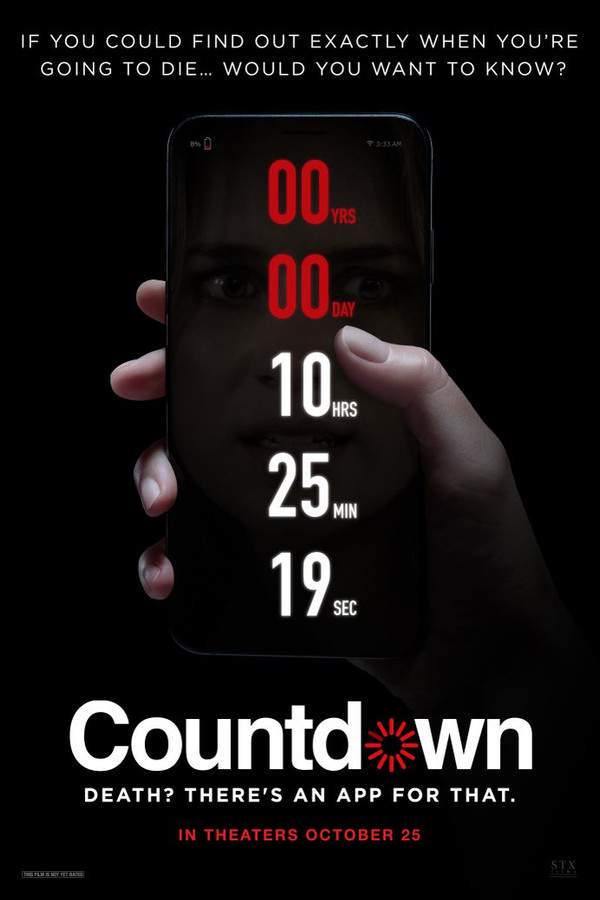
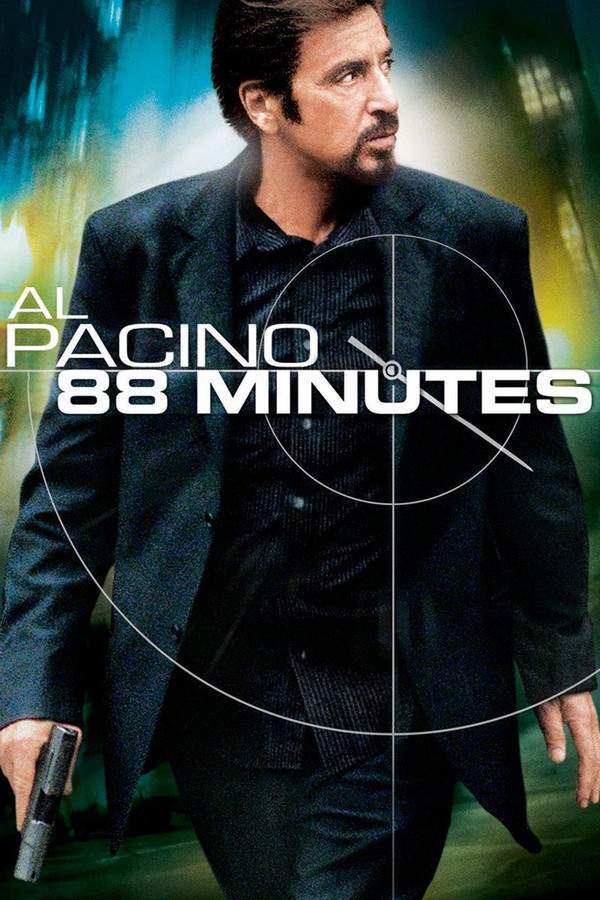
A hero faces a ticking clock to avert a deadly outcome.For viewers who enjoyed the urgent time pressure in 'Once Upon a Time in Deadwood,' this thread features movies with similar high-stakes narratives. Find stories where heroes must beat a ticking clock to prevent disaster, blending suspense, action, and desperate survival.
Stories in this thread follow a clear, high-pressure structure: a protagonist receives a dire ultimatum or discovers a fatal deadline. The plot then becomes a frantic, often action-packed journey against time, with each obstacle and setback carrying enormous consequences.
These films are grouped by their shared core mechanic of a literal or figurative ticking clock. This device creates a uniform sense of urgency and suspense, making the pacing feel relentless and the emotional stakes consistently high.
A flawed outsider finds purpose by safeguarding the innocent.If you liked the story of a reluctant gunslinger finding purpose by protecting someone in 'Once Upon a Time in Deadwood,' explore this thread. Discover movies about antiheroes and outsiders who earn redemption by taking on the role of an unexpected guardian.
The narrative follows a character arc of personal redemption. A protagonist, initially driven by self-interest or haunted by their past, is thrust into a situation where they must protect a vulnerable person or group. Their success in this role serves as their path to absolution and a renewed sense of purpose.
These films share a powerful and resonant character archetype: the redeeming protector. They blend heavy emotional themes of personal atonement with tense, often violent external conflict, creating a satisfying mix of character development and action.
Don't stop at just watching - explore Once Upon a Time in Deadwood in full detail. From the complete plot summary and scene-by-scene timeline to character breakdowns, thematic analysis, and a deep dive into the ending - every page helps you truly understand what Once Upon a Time in Deadwood is all about. Plus, discover what's next after the movie.
Track the full timeline of Once Upon a Time in Deadwood with every major event arranged chronologically. Perfect for decoding non-linear storytelling, flashbacks, or parallel narratives with a clear scene-by-scene breakdown.
Discover the characters, locations, and core themes that shape Once Upon a Time in Deadwood. Get insights into symbolic elements, setting significance, and deeper narrative meaning - ideal for thematic analysis and movie breakdowns.