Plot Explained Spoilers guaranteed!
Plot Explained

Browse by genre

The Big Clock (1948) movie poster

Timeline

The Big Clock (1948) Timeline Explained – Every Event in Order

Release, runtime and language
1948 · 95 mins · English
Directed by
John Farrow
Starring
Harry Morgan, Maureen O'Sullivan, Luis Van Rooten, Elsa Lanchester, Richard Webb, Charles Laughton

When a glamorous blonde is murdered, crusading crime‑magazine editor Stroud cancels his vacation and is tasked by publisher Janoth to find the killer. As the case progresses, his brilliant investigative team mistakenly builds evidence that implicates Stroud, forcing him to outwit his colleagues and prove his innocence.

On this page (6)
  1. 1 Where to watch
  2. 2 Events in order (12)
  3. 3 Timeline questions answered
  4. 4 Movie threads
  5. 5 Movies like The Big Clock
  6. 6 Every angle

Where to watch

Where to Watch The Big Clock (1948)

Where can you watch The Big Clock? Stream, rent or buy it in the US, including on Apple TV Store, Fandango At Home and Google Play Movies: current JustWatch availability with up-to-date prices.

Streaming availability powered by JustWatch

12 events in order · contains spoilers

The Big Clock Timeline: Events in Chronological Order

Every key event of The Big Clock (1948) in order, scene by scene, with when and where it takes place. Use it to untangle flashbacks, time jumps and parallel storylines, to refresh your memory before the sequel or to find the exact scene you are thinking of.

  1. Thirty-six hours earlier: Stroud is fired

    George Stroud is eager to begin his long-postponed honeymoon, but Janoth fires him for refusing to stay on a missing-person story. The dismissal severs his professional stability and sets in motion his entanglement with Janoth’s power. The loss also foreshadows the dangerous game he is about to play.

    When
    Thirty-six hours earlier
    Where
    Janoth Publications building, New York City
  2. York proposes a blackmail plot

    In a bar, Pauline York flirts with Stroud and pitches a blackmail scheme against Janoth. She reasons they could leverage the boss’s personal indiscretions to gain influence. Stroud weighs the risk, aware it could drag him further into crime.

    When
    Thirty-six hours earlier
    Where
    Bar, New York City
  3. Missed train and estrangement at home

    Stroud loses track of time and misses the train to Wheeling, leaving Georgette furious. She departs with their son, and Stroud spends the evening drinking with York. He also buys a painting and a sundial, symbols that recur later in the plot.

    When
    Evening prior to the trip
    Where
    New York City; on the way to Wheeling
  4. York’s apartment confrontation and murder

    Stroud accompanies York to her apartment, but York sees Janoth approaching and Stroud escapes. Janoth misreads the situation as York’s infidelity and strikes her with the sundial, killing her. The murder sets the stage for a calculated cover-up.

    When
    Late night
    Where
    York's apartment, New York City
  5. Hagen convinces Janoth to frame the man

    Janoth plans to surrender to the police, but Hagen persuades him to frame the seen departure as the killer instead. They decide to exploit Crimeways to identify the culprit without admitting guilt. The plan binds the newspaper’s power to a manufactured manhunt.

    When
    Immediately after York's murder
    Where
    Janoth Building, New York City
  6. Stroud reunites with family; Janoth offers his job back

    Stroud has joined his wife and son in Wheeling and reveals he was fired, keeping York’s affair quiet. Janoth calls to rehire him to lead the manhunt, offering him his old position back. Stroud agrees, though Georgette is disappointed by the turn of events.

    When
    Shortly after York's murder
    Where
    Wheeling, West Virginia
  7. Janoth hints to Stroud that he is the suspect

    Back in New York, Janoth drops enough hints for Stroud to realize the mystery man is himself. Stroud reluctantly accepts the assignment to direct the investigation while secretly planning to prove Janoth is guilty. Georgette remains wary of the dangerous path they are on.

    When
    Before the manhunt begins
    Where
    Janoth Publications building, New York City
  8. The manhunt begins

    Stroud must appear to run the investigation diligently while quietly pursuing his own inquiry. He balances the pressure of public accountability with his private push to uncover the truth about York’s death. The hunt tightens as investigators close material and witness gaps.

    When
    During the manhunt
    Where
    Janoth Building, New York City
  9. York identified; witnesses gather

    York is identified by Crimeways, and witnesses who saw her with the mystery man are tracked to the Janoth Building. Louise Patterson, an eccentric painter who created the painting Stroud bought, is among those present and offers a modern portrait that becomes a clue. The investigators assemble the testimonies to piece together the case.

    When
    Before the confrontation
    Where
    Janoth Building, New York City
  10. A witness recognizes Stroud; building sealed

    A witness spots Stroud and identifies him as the mystery man. With all exits sealed, the building’s occupants are forced to leave only through the main door while witnesses watch for the culprit. Security sweeps advance, tightening the net around him.

    When
    Imminent confrontation
    Where
    Janoth Building, New York City
  11. Stroud makes his clock-top escape

    As the net closes, Stroud slips toward the big clock and hides within its inner mechanism. He uses the clock as cover to observe and maneuver, preparing a final move against Janoth and Hagen. The confrontation becomes a battle of wits and nerve inside the clock’s shadow.

    When
    Final confrontation
    Where
    The clock tower inside Janoth Building, New York City
  12. The truth comes out; Janoth dies

    Stroud presents evidence that points to Hagen as the killer, forcing Hagen to reveal Janoth’s true role. Janoth shoots Hagen when confronted, and tries to escape in an elevator, only for the car to jam. Janoth plummets to his death, ending his tyranny and the conspiracy.

    When
    Climax and final resolution
    Where
    Janoth Building, New York City

Last updated: October 09, 2025 at 12:41

Was this helpful?

Timeline questions answered

The Big Clock Timeline Explained: Your Questions Answered

When does it happen, and why in that order? The questions people ask about the chronology of The Big Clock (1948): time jumps, flashbacks, cause and effect between scenes and the correct order of events, each answered with spoilers.

Q1

Why did Earl Janoth kill Pauline York?

Janoth killed Pauline York in a fit of rage after mistakenly believing she was unfaithful. When he arrived at her apartment, he saw a man leaving (George Stroud) and assumed Pauline was having an affair. He struck her with a sundial, a piece Stroud had purchased earlier that evening, killing her instantly.

Foreshadowing: Stroud's purchase of the sundial earlier that night creates the murder weapon that implicates him.

  • earl janoth
  • pauline york
  • murder
  • sundial
  • affair
Q2

Why was George Stroud framed for the murder?

Janoth and his assistant Steve Hagen saw a man leaving Pauline York's apartment and assumed he was her lover and killer. They decided to frame this unknown man rather than turn themselves in. By putting Stroud in charge of the investigation at Crimeways magazine, they unknowingly set up the actual killer to lead the hunt for himself.

Foreshadowing: Hagen's suggestion to use Crimeways to identify the culprit plants the seed for Stroud's impossible position.

  • george stroud
  • frame
  • murder
  • steve hagen
  • crimeways
Q3

Why did Janoth hire Stroud to investigate the murder?

Janoth hired Stroud back to lead the manhunt because he didn't know Stroud was the man seen leaving York's apartment. Hagen convinced Janoth that using Crimeways, the very magazine Stroud edited, would be the most effective way to identify the killer without exposing their own involvement. This placed Stroud in the ironic position of hunting himself.

Foreshadowing: Hagen's plan to use Crimeways as a tool backfires because Stroud knows too much about investigation.

  • janoth
  • stroud
  • crimeways
  • investigation
  • hired
Q4

How did George Stroud prove his innocence?

Stroud used his position leading the investigation to gather evidence pointing to Hagen as the killer while secretly working to expose Janoth's cover-up. During the final confrontation in the clock tower, he presented evidence implicating both men, forcing Hagen to reveal that Janoth himself committed the murder. The elevator crash that killed Janoth occurred when Stroud had jammed the elevator car earlier during his escape.

Foreshadowing: Stroud's earlier navigation through the clock mechanism prepares his final move against Janoth.

  • george stroud
  • innocence
  • evidence
  • hagen
  • janoth
  • clock tower
Q5

Why did Steve Hagen turn against Janoth at the end?

During the confrontation in the clock tower, Stroud presented evidence pointing to Hagen as the killer, putting him in a position where he had to defend himself. Hagen then revealed the truth about Janoth's crime to save his own skin, telling Janoth that he knows Janoth killed Pauline York. In response, Janoth shot Hagen, demonstrating how quickly the conspiracy collapsed when self-preservation kicked in.

Foreshadowing: Hagen's earlier manipulation of Janoth shows his willingness to use others for his own survival.

  • steve hagen
  • janoth
  • betrayal
  • confession
  • murder
Q6

What is the significance of the big clock in the movie?

The clock serves as both a physical setting and a symbol of the relentless pressure facing Stroud. It represents the "ticking clock" of the 36-hour timeframe and Janoth's control over the publishing empire. Stroud's refuge inside the clock mechanism during the climax ties his career to this central symbol, and the frozen clock hands at the end mark the conclusion of his ordeal.

Foreshadowing: Stroud's early hiding inside the clock establishes its importance to his story from the start.

  • clock
  • symbol
  • time
  • stroud
  • janoth building
Q7

Why did George Stroud miss his train to Wheeling?

Stroud missed his train because he was entangled with Pauline York at a bar after being fired by Janoth. York proposed a blackmail scheme against Janoth, and Stroud lost track of time discussing it. When he realized he was running late, it was already too late, his wife Georgette had left with their son, furious at his broken promise.

Foreshadowing: The missed train directly leads to Stroud's presence at York's apartment on the night of the murder.

  • george stroud
  • train
  • wheeling
  • georgette
  • york
Q8

Why did Georgette leave for Wheeling without Stroud?

Georgette left because Stroud had promised to take their long-postponed honeymoon but then missed the train due to his entanglement with Pauline York. She was furious at his broken promise and left with their son, not knowing about the murder investigation that would soon consume Stroud's attention.

Foreshadowing: Georgette's departure sets up the emotional stakes for Stroud's eventual exoneration and reunion.

  • georgette
  • stroud
  • honeymoon
  • wheeling
  • marriage
Q9

How did Stroud realize he was the main suspect?

Janoth dropped subtle hints to Stroud about the investigation, making him realize that the "mystery man" being hunted was actually himself. Stroud understood that if the investigation succeeded, he would be identified as the killer. This forced him to secretly work to prove his own innocence while appearing to lead a competent investigation.

Foreshadowing: Janoth's hints about the investigation create the psychological pressure that drives Stroud's dual role.

  • george stroud
  • suspect
  • janoth
  • hints
  • investigation
Q10

What was Pauline York's blackmail plan against Janoth?

York hinted at a blackmail scheme targeting Janoth's personal indiscretions, which she believed could be leveraged for influence or money. She pitched the idea to Stroud at the bar, but before they could act on it, York was killed. This subplot establishes York's motive for meeting with Janoth and sets up the chain of events leading to her death.

Foreshadowing: York's mention of leverage against Janoth explains her risky behavior with Stroud and her vulnerability.

  • pauline york
  • blackmail
  • janoth
  • plan
  • scheme
Q11

Why did Steve Hagen convince Janoth not to go to the police?

Hagen convinced Janoth that they could manipulate the situation to their advantage rather than simply surrender. He suggested framing the man seen leaving York's apartment as the killer and using Crimeways magazine to identify that person. This plan allowed them to avoid accountability while appearing to pursue justice publicly.

Foreshadowing: Hagen's willingness to scheme rather than confess hints at his manipulative nature.

  • steve hagen
  • janoth
  • police
  • confess
  • frame
Q12

How did Earl Janoth die at the end?

Janoth died by falling down an elevator shaft. After shooting Hagen during the confrontation in the clock tower, Janoth tried to escape in the elevator. Stroud had earlier jammed the elevator car during his own escape attempt. When Janoth entered the elevator, it stalled and he plummeted to his death in the shaft below.

Foreshadowing: Stroud's earlier use of the elevator during his escape establishes the mechanism that ultimately traps Janoth.

  • earl janoth
  • death
  • elevator
  • fall
  • hagen

Movie threads

More Movies Like The Big Clock, by Mood & Story

Curated lists built around what makes The Big Clock tick: the same mood, the same kind of story or the same emotional payoff. Each list explains why these movies belong together.

Movies with a relentless frame-up like The Big Clock

Innocent protagonists pursued by a tightening net of false evidence. If you enjoyed the high-stakes pursuit in The Big Clock, you'll like these other movies where an innocent person is framed. Discover more tense thrillers and crime dramas featuring a race against time and a fight to clear one's name against overwhelming odds.

  • paranoid
  • high-stakes
  • tense
  • suspenseful
  • anxious
  • race against time
  • Tone: tense, paranoid
  • Pacing: fast, urgent
Why these movies?

The story pattern: The narrative typically begins with a false accusation, launching a cat-and-mouse chase where the protagonist is both hunter and hunted, often forced to investigate the crime they're accused of. The structure builds suspense as the walls close in, leading to a climax where the truth is dramatically revealed.

Why they belong together: These films are grouped by their shared core premise of an unjustly accused individual, creating a consistent mood of paranoia and high-stakes tension. The pacing is often fast, driven by the urgency of proving innocence before it's too late, making for an intensely gripping viewing experience.
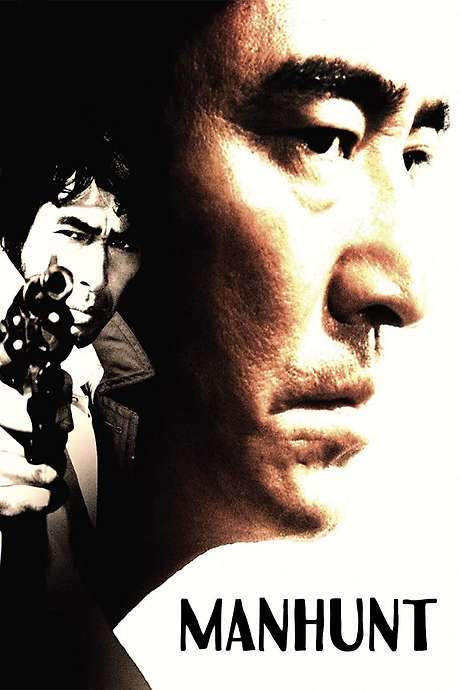
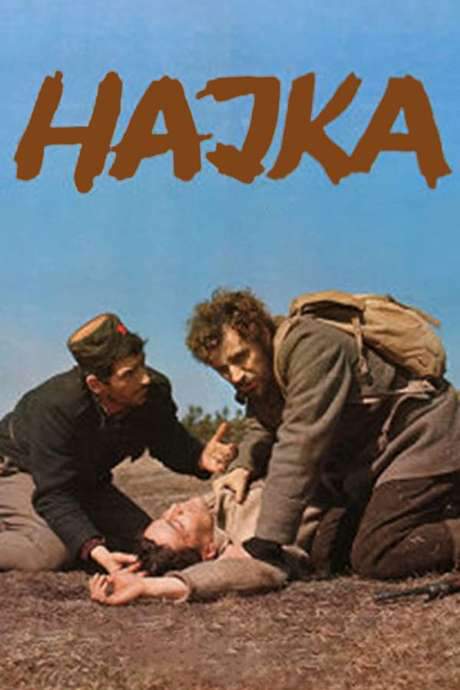
Claustrophobic noir thrillers similar to The Big Clock

Protagonists trapped in a deadly game, hunted by their own world. For fans of the confined, anxious atmosphere of The Big Clock, this list features movies with a similar claustrophobic cat-and-mouse feel. Find more tense thrillers and noir films where the protagonist is cornered by a powerful system or a web of deceit within a confined world.

  • claustrophobic
  • tense
  • anxious
  • methodical
  • paranoid
  • suspenseful
  • Tone: tense, claustrophobic
  • Pacing: fast, methodical
Why these movies?

The story pattern: These narratives often unfold within a specific, controlled environment—like an office, a city, or a social circle—that turns hostile. The protagonist is isolated, forced to navigate a landscape of distrust where allies can become threats, creating a complex puzzle of survival and deception.

Why they belong together: They share a uniquely suffocating vibe where the hero is hunted from within their own sphere of influence. The combination of a fast pace, high intensity, and a tense, methodical tone creates a coherent experience of psychological pressure and narrow escapes.

If you liked this

Movies Like The Big Clock

Similar movies to The Big Clock: the same genre, themes or kind of story. Each one comes with its own plot summary, timeline and ending explained.

Browse all movie summaries

Every angle

The Big Clock (1948) Explained: Plot, Timeline & Characters

Everything about The Big Clock in one place: what happens in the plot summary, the timeline in chronological order, the characters and meaning and a spoiler-free summary. What's After the Movie adds the cast, box office and post-credit scenes.

Coming soon on iOS and Android

The Plot Explained Movie Summary App

Plot summaries, endings explained and timelines on your phone. Catch up on any movie in minutes, save your favorites and never miss a twist again.

Be the first to know when we launch. Your email stays private, always.

Learn more about the app