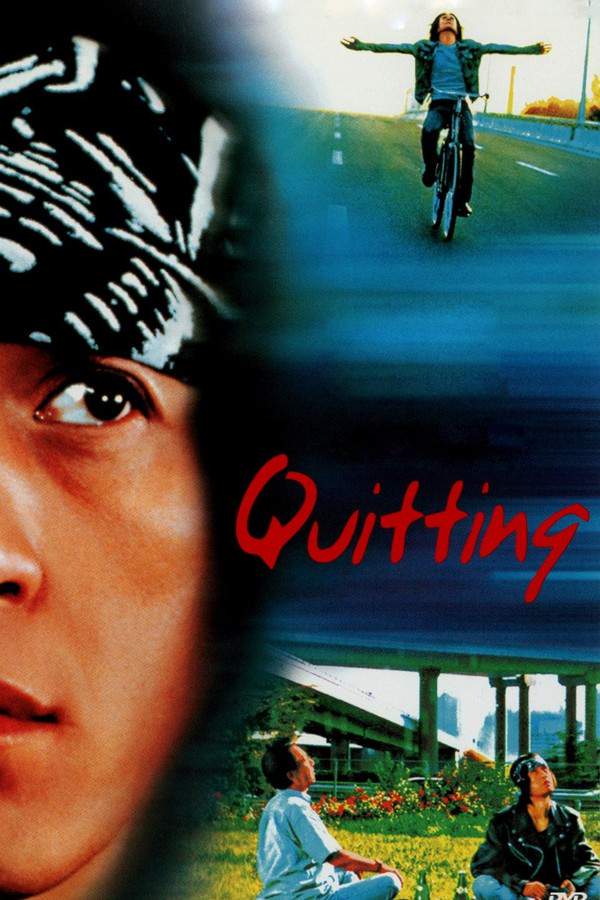
Siddharth Devaih (played by Naveen Shankar) begins as a gifted web designer from Kodagu who finds himself adrift after a brutal sequence of setbacks. A painful breakup shakes his sense of self, a humiliating confrontation at work undermines his confidence, and the sudden death of his father leaves a hollow space that echoes his childhood memory of his mother leaving. This accumulation of blows triggers deep-seated abandonment issues that have quietly shaped his approach to love, work, and the future. The film follows his struggle to maintain faith in himself when life feels relentless and unforgiving, painting a portrait of someone who is both capable and fatigued, talented yet worn down by circumstance.
In a bid to escape the weight pressing on him, Siddharth undertakes an unplanned road trip across Karnataka. The journey becomes a slow, reflective exploration rather than a quick fix, inviting him to trade his screens and schedules for open highways, unfamiliar towns, and small moments of connection. Along the way, he encounters Mallanna, a carefree shepherd whose easygoing presence nudges Siddharth toward a gentler, more forgiving outlook. Mallanna’s warmth and unburdened approach to life gently coax the artist within Siddharth to breathe again, kindling a sense of innocence that he had long discounted.
The road also brings into his path Sarah (Apoorva Bharadwaj), a free-spirited traveler whose worldliness and spontaneity challenge Siddharth’s cynicism. Through her conversations and companionship, he is reminded that life’s possibilities aren’t closed by past hurts or professional missteps. Sarah’s perspective invites him to reimagine hope—not as a denial of pain, but as a way to live with it while still seeking moments of joy, curiosity, and renewal. Her presence helps him begin to see that healing can come from shared experiences, rather than solitary retreat.
A central thread running through the story is Siddharth’s fraught relationship with his estranged mother, Janaki Devi, who has since become a celebrated author. Padmavati Rao embodies the emotional weight of this connection, and their eventual reunion becomes the film’s emotional fulcrum. The narrative explores forgiveness and acceptance as imperfect but essential gifts, underscoring the idea that happiness and healing are found in human ties rather than isolation. The tension between past wounds and the possibility of reconciliation is handled with tenderness, steering the story toward a hopeful understanding of how love can bridge even long-held separations.
As the journey unfolds, Siddharth’s inner world begins to shift. The combination of renewed hope, the encouragement of new friendships, and the long-awaited confrontation with his mother gradually reframe his outlook on life. He moves away from bitterness and toward a willingness to embrace life’s unpredictability, recognizing that meaning is not something to be chased from afar but something that can emerge within the everyday act of connecting with others. The narrative emphasizes that true resilience often grows from honest exchanges, shared meals, and the courage to forgive.
By the end, Siddharth emerges transformed, carrying with him a more open heart and a more grounded sense of purpose. The film leaves him not cured of pain, but strengthened by it, ready to face uncertain days with a renewed sense of curiosity and belonging. The conclusion reinforces the message that when people reach out to one another, even the deepest wounds can give way to compassion, understanding, and a life that feels newly worth living. The arc from a bitter, isolated spirit to someone who embraces life’s twists and turns feels earned, grounded in the relationships he builds along the road and in the reconciliations that finally allow him to claim a future filled with hope.