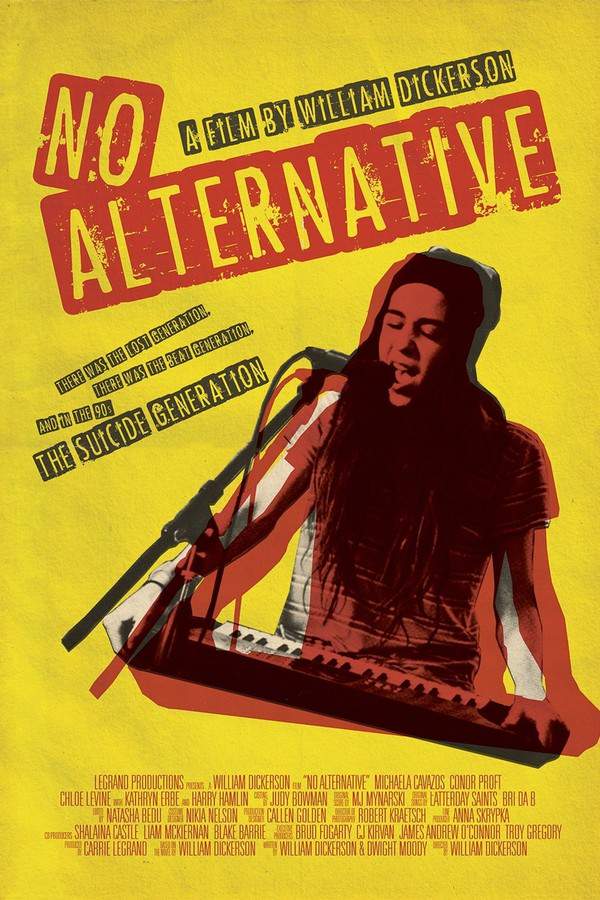
No Alternative

No Alternative

JustWatch#23,3666

Year: 2019

Runtime: 104 min

Language: English

Director: William Dickerson

Echo Score: 87
Drama

Following Kurt Cobain's death, Thomas becomes consumed with creating an alternative band, but in his grief, he misses the vibrant artistic movement taking place. His sister Bridget, however, challenges his focus and his family’s musical legacy by reinventing herself as "Bri Da B," a rapper who rejects the established scene and carves out a unique identity, determined to forge her own path in music.

Where to Watch No Alternative?

Find where to stream, rent, or buy No Alternative (2019) in the US with current JustWatch availability, up-to-date pricing, and platform listings for subscription, rental, and digital purchase options.

Warning: spoilers below!

Haven’t seen No Alternative yet? This summary contains major spoilers. Bookmark the page, watch the movie, and come back for the full breakdown. If you're ready, scroll on and relive the story!

Timeline – No Alternative (2019)

Trace every key event in No Alternative (2019) with our detailed, chronological timeline. Perfect for unpacking nonlinear stories, spotting hidden connections, and understanding how each scene builds toward the film’s climax. Whether you're revisiting or decoding for the first time, this timeline gives you the full picture.

1

Kurt Cobain's death triggers family grief

The Harrison household is rocked by the death of Kurt Cobain, echoing a cultural moment of loss. Grief settles over Thomas, Bridget, and their parents, pushing them toward music as a coping mechanism. The event sows the emotional seed from which their identities and rebellions grow.

1994 Harrison family home, Suburban New York
2

Thomas decides to form a grunge-inspired band

Inspired by the era's music and the desire to break out, Thomas resolves to form his own alternative rock group with a grunge edge. He fixes on the local battle of the bands as a potential pathway toward a record deal. This decision marks the start of his struggle to translate grief into performance.

1994–1995 Harrison family home/garage
3

Band formation and early rehearsals

Thomas starts recruiting friends and rehearsing in a garage, turning teenage energy into loud, guitar-driven ideas. The early sessions test different sounds and personalities as the group tries to find its sound. Underneath the music, tensions simmer about authenticity and belonging.

1994–1995 Garage, Harrison residence
4

The Battle of the Bands becomes the goal

The Battle of the Bands becomes the focal point of Thomas's plan, a tangible chance to stand out in a crowded local scene. The group designs their set, outfits, and stage presence around the hope of getting noticed by scouts or labels. Pressure mounts as the date approaches, shaping choices in rehearsal and song selection.

1995 Local venue/school auditorium
5

Bridget adopts Bri Da B persona

Bridget, a 15-year-old freshman with a history of misdiagnosed mental health issues and prescription-drug use, rebels by creating the Bri Da B persona. She adopts provocative lyrics and a streetwise swagger to express anger, pain, and independence she can't voice at home. Her transformation marks a daring challenge to the suburban status quo.

1994–1995 Home and school, Suburban New York
6

Bridget's Bri Da B shocks the community

Bri Da B's performances shock classmates and neighbors, triggering controversy and gossip. The response exposes a fault line between Bridget's self-expression and the community's expectations for girls and teenagers. The attention fuels Bridget's confidence and deepens her commitment to the alter ego.

1995–1996 School corridors, local venues
7

Thomas dismisses Bridget as instability

Thomas interprets Bridget's new persona as merely another sign of instability, not a legitimate form of self-expression. He remains focused on his band and the possibility of stardom, often underestimating how Bridget's rebellion undermines his own plans. The misunderstanding intensifies the siblings' estrangement.

1995–1996 Family home
8

Thomas pursues conformity under the guise of nonconformity

In his bid for authenticity, Thomas crafts a carefully engineered image that looks rebellious on the surface but fits conventional expectations underneath. He imagines rebellion as a marketable edge, rationalizing compromises as necessary to secure a break in the industry. This tension between image and truth strains every rehearsal and conversation.

1995–1996 Band rehearsals, school events
9

Bridget's alter ego continues to challenge expectations

Bridget doubles down on Bri Da B, using her rap persona to challenge home life, suburbia, and gender norms. Her bold stance draws scrutiny from teachers and peers while strengthening her sense of agency. The more she pushes, the more it highlights the rift between her and Thomas.

1995–1996 School, neighborhood
10

Siblings fail to recognize shared need for reinvention

Both siblings look for escape through art but don’t recognize that they want similar freedoms. They become isolated within their chosen identities and fail to support one another. The growing disconnection pushes the family toward a breaking point.

Mid to late 1990s Home
11

The rift becomes painful and tragic

The tension between the siblings escalates into a painful and irreparable rift. Misunderstandings harden into distance as each pursues a different path, threatening to dissolve the family unit. The film underscores what can happen when reinvention becomes the sole priority.

Late 1990s Home, school, community
12

Ending with unresolved reinvention

The story closes with the siblings' relationship fractured but still yearning for reinvention. Neither fully recognizes the other's need for authenticity, leaving futures uncertain and the no-alternative ethos lingering. The film’s core tension remains a cautionary thread about identity and belonging.

End of 1990s Suburban New York

Last updated: March 05, 2026 at 18:40

Was this helpful?

No Alternative (2019) Timeline Questions Answered – Chronology FAQ

Find frequently asked questions about the No Alternative (2019) timeline, including chronological order, nonlinear jumps, cause-and-effect links, and scene sequence clarifications. This timeline FAQ helps explain when key events happen, how moments connect, and why the story unfolds in that specific order.

Q1

Why does Bridget create the Bri Da B persona?

A.

Bridget adopts the Bri Da B alter ego as a radical form of rebellion against her family's expectations and the conforming suburban environment. As a 15-year-old with a history of misdiagnosed mental health issues and prescription drug use, she uses provocative gangsta rap lyrics to express anger, pain, and independence she cannot voice in her daily life. The persona becomes her way of claiming space in a world that has tried to label her, transforming her struggles into a fearless self-expression that shocks peers and adults alike.

Bridget's transformation foreshadows the film's central theme that true rebellion often comes from those society dismisses as troubled or unstable.

bridget harrisonbri da bteenage rebellionidentityself-expressiongrunge era
Q2

Why does Thomas dismiss Bridget's rap persona?

A.

Thomas interprets Bridget's new persona as merely another sign of instability rather than a legitimate form of self-expression. Focused on his band's success and the possibility of achieving stardom through conventional channels, he underestimates how Bridget's rebellion actually challenges his own assumptions about authenticity. His dismissal reflects his inability to see that both siblings are coping with grief and searching for identity in different ways.

Thomas's dismissal plants the seed for the siblings' growing estrangement throughout the film.

thomas harrisonbridget harrisonsiblingsmisunderstandingband
Q3

How does Kurt Cobain's death trigger the story events?

A.

Kurt Cobain's death in 1994 serves as the emotional catalyst that sends the Harrison family into grief and drives both siblings toward music as a coping mechanism. The cultural loss echoes through the household, pushing Thomas toward forming a grunge-inspired band as his way of processing the era's disillusionment. Simultaneously, the atmosphere of loss and rebellion creates the conditions for Bridget's radical transformation into Bri Da B. The event sows the emotional seed from which both characters' identities and rebellions emerge.

The opening referenceain's death establishes to Cob the 1990s cultural context that shapes both siblings' approaches to music and rebellion.

kurt cobain1990sgrungegriefcultural momentmusic movement
Q4

Why can't Thomas and Bridget connect despite both rebelling?

A.

Thomas and Bridget fail to connect because each views their own form of rebellion as the more legitimate path while dismissing the other's. Thomas pursues his dream through conventional channels, forming a band with the goal of getting a record deal at battle of the bands, while Bridget's persona feels like an unpredictable wildcard he cannot control or understand. Neither recognizes that they share a common need to escape restrictive identities and find authentic voices. Their mutual failure to see past their differences deepens the rift until it becomes irreparable.

The siblings' early misunderstandings about each other's choices foreshadow their eventual painful separation.

thomas harrisonbridget harrisonsibling relationshiprebellionconnectionfamily rift
Q5

How is Thomas's rebellion different from Bridget's?

A.

Thomas's rebellion is ultimately superficial, he crafts a carefully engineered grunge image that appears rebellious on the surface but actually fits conventional industry expectations. He imagines rebellion as a marketable edge, rationalizing compromises as necessary to secure a break in the music industry. In contrast, Bridget's Bri Da B persona represents genuinely uncompromising authenticity; she rejects her family's expectations and suburban values without concern for commercial appeal or approval. Her radical stance is what makes her form of rebellion more authentically "punk" than Thomas's earnest but calculated attempts.

The contrast between their approaches is established early, when Thomas focuses on image while Bridget embraces raw expression.

authenticityconformityrebellionthomas harrisonbridget harrisonpunkgrunge
Q6

Do Thomas and Bridget reconcile by the end of the film?

A.

The siblings do not reconcile by the film's end. Their relationship remains fractured and painful, with neither fully recognizing the other's need for authenticity. The ending leaves their futures uncertain, with the door open only for reflection, regret, and the possibility of reconciliation after the storm has passed, but it does not arrive. The film concludes with the siblings still yearning for reinvention but unable to bridge the gap between them.

The unresolved ending reflects the film's earlier foreshadowing of how reinvention can pull families apart when mutual understanding is absent.

endingreconciliationresolutionsiblingsriftno alternative
Q7

What is the film's message about authenticity versus conformity?

A.

The film explores how the pursuit of authenticity can paradoxically lead to different forms of conformity. Thomas dresses his rebellion in grunge aesthetics while pursuing mainstream success through industry channels, creating a contradiction between his rebellious image and conventional ambitions. Meanwhile, Bridget's genuine rejection of expectations exposes the hollowness of Thomas's performative rebellion. The film suggests that true rebellion requires inner honesty rather than surface-level image crafting, and that failing to recognize this difference can destroy meaningful relationships.

The tension between image and authenticity runs throughout, culminating in the siblings' inability to understand each other's motivations.

authenticityconformityrebellionidentityimageself-discovery1990s
Q8

Why does the rift between the siblings become so painful and tragic?

A.

The rift becomes tragic because both siblings pursue reinvention as their sole priority, abandoning the family bonds that could have supported their individual journeys. As Thomas becomes consumed by his band's potential success and Bridget doubles down on her provocative persona, misunderstandings harden into permanent distance. Their failure to recognize they share similar needs, escape from confining identities and the search for authentic voices, transforms their parallel quests into opposing forces. The tragedy lies not in their different choices but in their inability to see past those differences to their shared humanity.

The gradual escalation from tension to irreparable rift is foreshadowed throughout as each sibling retreats further into their chosen identity.

family rifttragedyreinventionsibling relationshipmisunderstandingseparation
Q9

How does the film address Bridget's mental health struggles?

A.

The film depicts Bridget's mental health struggles through her history of misdiagnosed conditions and prescription drug use, which the family and community misinterpret as mere rebellious behavior. Her transformation into Bri Da B can be understood as both a coping mechanism and an attempted self-treatment, using aggressive rap lyrics to externalize internal pain. However, the film does not romanticize her situation; rather, it shows how the lack of proper understanding and support pushes her toward increasingly radical forms of expression that strain family relationships.

Bridget's troubled background establishes early in the timeline, hinting at the emotional complexity behind her radical transformation.

mental healthbridget harrisonmisdiagnosisprescription drugsrebellionfamily support1990s
Mobile App Preview

Coming soon on iOS and Android

The Plot Explained Mobile App

From blockbusters to hidden gems - dive into movie stories anytime, anywhere. Save your favorites, discover plots faster, and never miss a twist again.

Sign up to be the first to know when we launch. Your email stays private, always.

Explore Movie Threads

Discover curated groups of movies connected by mood, themes, and story style. Browse collections built around emotion, atmosphere, and narrative focus to easily find films that match what you feel like watching right now.

Sibling rivalry and artistic rebellion movies like No Alternative

Brothers and sisters clash through creative expression to find their own identities.If you liked No Alternative, you'll enjoy these films about siblings whose competitive creative spirits drive them apart. This collection features movies about brothers and sisters using art, music, or performance to rebel against family legacies and find their own identities.

sibling rivalryartistic rebellionfamily legacycreative angstnostalgicgrievingidentity crisis

Narrative Summary

These films follow siblings whose parallel artistic journeys create tension as they struggle with shared legacies while desperately trying to differentiate themselves, often within a specific cultural moment or subculture.

Why These Movies?

Movies in this group share a focus on family dynamics expressed through creative conflict, capturing the specific pain of siblings competing in the same artistic arena while grappling with shared grief or expectations.

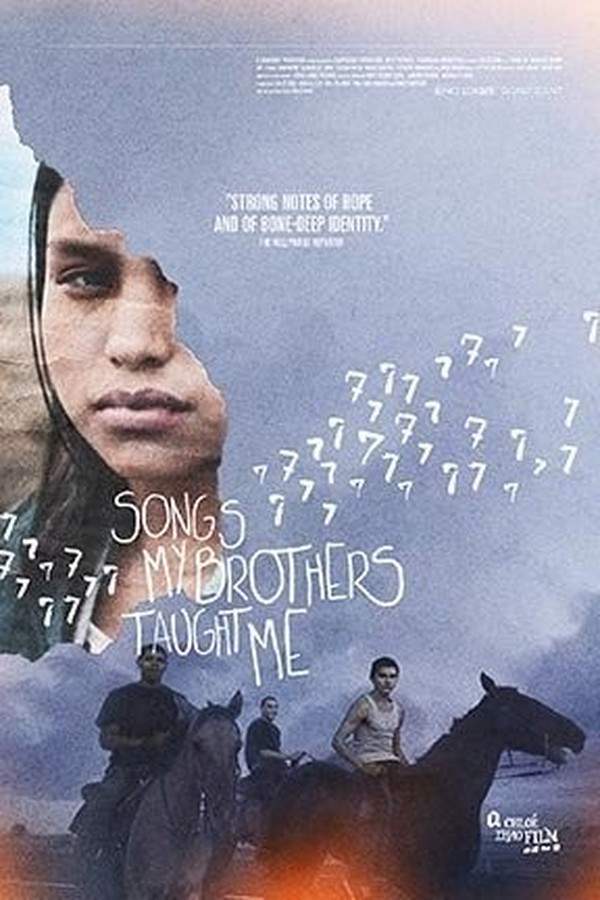
Post-grunge teen angst movies like No Alternative

Coming-of-age stories set against the disillusionment of the grunge era.Discover films similar to No Alternative that explore teenage rebellion and grief in the 90s alternative music scene. These movies capture the raw emotional landscape of adolescents processing disillusionment while searching for authenticity in a changing world.

90s nostalgiateen angstmusical rebellionsuburban disillusionmentgrief processingraw emotionalternative culture

Narrative Summary

Set in the mid-90s, these coming-of-age stories follow characters grappling with the cultural void left by grunge's demise, using music as both escape and confrontation with their pain and suburban realities.

Why These Movies?

These films share a distinct historical moment and emotional texture—the specific grief and rebellion that defined teen experience in the immediate post-grunge years, marked by musical obsession and suburban disillusionment.

Unlock the Full Story of No Alternative

Don't stop at just watching - explore No Alternative in full detail. From the complete plot summary and scene-by-scene timeline to character breakdowns, thematic analysis, and a deep dive into the ending - every page helps you truly understand what No Alternative is all about. Plus, discover what's next after the movie.

No Alternative Summary

Read a complete plot summary of No Alternative, including all key story points, character arcs, and turning points. This in-depth recap is ideal for understanding the narrative structure or reviewing what happened in the movie.

No Alternative Summary

Characters, Settings & Themes in No Alternative

Discover the characters, locations, and core themes that shape No Alternative. Get insights into symbolic elements, setting significance, and deeper narrative meaning - ideal for thematic analysis and movie breakdowns.

Characters, Settings & Themes in No Alternative

No Alternative Spoiler-Free Summary

Get a quick, spoiler-free overview of No Alternative that covers the main plot points and key details without revealing any major twists or spoilers. Perfect for those who want to know what to expect before diving in.

No Alternative Spoiler-Free Summary

More About No Alternative

Visit What's After the Movie to explore more about No Alternative: box office results, cast and crew info, production details, post-credit scenes, and external links - all in one place for movie fans and researchers.

More About No Alternative

Similar Movies to No Alternative

Discover movies like No Alternative that share similar genres, themes, and storytelling elements. Whether you’re drawn to the atmosphere, character arcs, or plot structure, these curated recommendations will help you explore more films you’ll love.