Plot Explained Spoilers guaranteed!
Plot Explained

Browse by genre

Never Too Late (1965) movie poster

Plot Summary

Never Too Late (1965) Plot Summary Explained

Release, runtime and language
1965 · 105 mins · English
Loading streaming availability…
Directed by
Bud Yorkin
Starring
Henry Jones, Paul Ford, Maureen O'Sullivan, Lloyd Nolan, Connie Stevens, Jim Hutton

With over 22 million home accidents reported last year, this comedy follows one unlikely incident. A 60‑year‑old lumber‑supply entrepreneur is shocked when his 50‑year‑old wife discovers she’s pregnant. The film adapts the celebrated Broadway hit, starring Paul Ford reprising his stage role as the bewildered expectant father.

On this page (6)
  1. 1 Where to watch
  2. 2 What happens: full plot
  3. 3 Plot questions answered
  4. 4 Movie threads
  5. 5 Movies like Never Too Late
  6. 6 Every angle
Loading streaming availability…

Full plot summary · contains spoilers

What Happens in Never Too Late: Full Plot Summary

The whole story of Never Too Late (1965) explained, from the opening scene to the final frame: every key event, every twist and what it all adds up to. Read it as a quick recap before the sequel, to check a scene you missed, or to finally understand what really happened.

In a New England lumber town, Harry Lambert leads a predictable, sometimes dull life as a lumber company executive, a routine that feels more suffocating after his defeat in the town mayoral race. The neighborly backdrop includes Mayor Crane, the man who bested him, adding a quiet note of rivalry to the everyday.

At home, he shares a house with his wife Edith Lambert, their adult daughter Kate Clinton, and Kate's husband Charlie Clinton, who has grown into a freeloader figure who works at the lumber mill rather than taking responsibility.

Edith begins experiencing unexplained fatigue, and a friend, Grace, persuades her to visit a doctor. The examination with Dr. Kimbrough reveals a startling fact: Edith is pregnant. The news ripples through the family, and Kate reveals she wishes for such news herself, while pressing her husband Charlie Clinton to make it happen, despite his difficulties.

[Harry Lambert] is frank about his aging and his reluctance to become a father again. In his sixties, he frets that the baby will reach adulthood long after he is gone, a worry that stings with both humor and fear. He also voices irritation with Edith’s spending, tensions that intensify after a miscalculated prank by him and [Charlie Clinton] leads to a costly mistake: the loss of a lumber supply contract for a new stadium.

As the pregnancy progresses, Edith announces she plans to leave for Boston to have the baby on her own. The family reacts with a mix of concern and resolve: Harry pursues Edith to bring her back, while Charlie Clinton finally proves his value by reclaiming the stadium contract, tightening the knot of loyalties, apologies, and reconciliations that the tale traces.

Last updated: March 05, 2026 at 18:40

Was this helpful?

Plot questions answered

Never Too Late Plot Explained: Your Questions Answered

The questions people ask most about Never Too Late (1965): what happens in the confusing scenes, why the characters do what they do, the twists, hidden details and what the ending means. Each answer contains spoilers.

Q1

Why is Harry reluctant about Edith's pregnancy?

Harry is in his sixties and fears he will be elderly by the time the child reaches adulthood. He also worries about the financial burden of raising another child at his age, combined with his frustration over Edith's spending habits. His resistance stems from practical concerns about aging and承担养家责任的能力.

Foreshadowing: Harry's earlier defeat in the mayoral race already shows his struggle with feeling past his prime.

  • harry lambert
  • pregnancy
  • aging
  • fatherhood
  • concerns
Q2

How did Harry's prank cause him to lose the stadium contract?

Harry and Charlie orchestrate a misguided prank targeting Mayor Crane, the man who beat Harry in the mayoral race. The insult to Crane damages the Lambert lumber company's reputation, leading the stadium project to cancel their supply contract. This directly threatens the family's financial stability.

Foreshadowing: The ongoing tension between Harry and Mayor Crane from the mayoral race provides the motivation for the prank.

  • prank
  • stadium contract
  • mayor crane
  • lumber company
  • consequence
Q3

Why does Edith decide to leave for Boston?

Edith announces she will leave Harry and move to Boston to have and raise the baby on her own. This drastic decision reflects her feelings that Harry is unsupportive of the pregnancy and unwilling to embrace the change. The rift in their marriage forces Harry to confront what he's willing to fight for.

Foreshadowing: Harry's repeated complaints about her spending and his resistance to fatherhood foreshadow Edith's decision to leave.

  • edith lambert
  • boston
  • pregnancy
  • leaving
  • marriage
Q4

Why does Charlie finally succeed in getting the contract back?

After years of being seen as a freeloader who only works at the mill when it suits him, Charlie proves his worth by winning back the stadium contract for the lumber company. His redemption comes at a crucial moment when the family needs both financial stability and a reason to reconcile. This success transforms his standing in the household.

Foreshadowing: Kate's pressure on Charlie to 'make it happen' regarding pregnancy hints at his potential for responsibility.

  • charlie clinton
  • stadium contract
  • redemption
  • lumber mill
Q5

Why does Harry go after Edith when she leaves?

Harry pursues Edith on the road toward Boston, determined to bring her back. His pursuit represents a turning point where he chooses to fight for his marriage rather than let it fall apart. The threat of losing his wife and child forces him to overcome his resistance and commit to the family.

Foreshadowing: The loss of the stadium contract and Charlie's redemption create the circumstances for Harry to refocus on what matters.

  • harry lambert
  • edith
  • pursue
  • reconciliation
  • marriage
Q6

Why does Kate wish she were pregnant too?

When Kate learns of Edith's pregnancy, she reveals her own desire to become pregnant. This highlights the generational contrast in the household, Kate, the younger daughter, wants what her mother unexpectedly has. Her wish also creates pressure on Charlie to step up, intensifying his subplot.

Foreshadowing: Kate's continued pushing of Charlie throughout the film builds toward his eventual redemption.

  • kate clinton
  • pregnancy
  • envy
  • charlie
Q7

What was the mayoral race that Harry lost?

Harry Lambert recently lost the town mayoral race to his neighbor, Mayor Crane. This defeat adds to Harry's sense of stagnation and frustration, making him feel past his prime. The rivalry with Crane directly motivates the ill-fated prank that costs him the stadium contract.

Foreshadowing: The mayoral defeat establishes Harry's wounded pride as a driving force behind his poor decisions.

  • harry lambert
  • mayor crane
  • mayoral race
  • defeat
Q8

What is Charlie's role in the household?

Charlie Clinton is Kate's husband who lives with Harry and Edith. He works at the lumber mill only when it suits him, earning a reputation as a freeloader. Kate resents his lack of ambition and pushes him to contribute more. The dynamic adds strain to the household until Charlie finally proves his value.

Foreshadowing: Kate's frustration with Charlie's懒散 sets up his eventual redemption arc.

  • charlie clinton
  • freeloader
  • kate
  • lumber mill
Q9

Does the movie have a happy ending?

Yes, the film ends on a hopeful note. Harry reconciles with Edith after pursuing her, and Charlie earns redemption by successfully reclaiming the stadium contract. The family navigates their upheaval and finds a new balance, with the core family remaining intact despite the challenges.

Foreshadowing: The steady, straightforward pacing of the film builds toward this light, comedic resolution.

  • ending
  • reconciliation
  • family
  • happy
  • resolution

Movie threads

More Movies Like Never Too Late, by Mood & Story

Curated lists built around what makes Never Too Late tick: the same mood, the same kind of story or the same emotional payoff. Each list explains why these movies belong together.

Gentle Domestic Comedies like Never Too Late

Lighthearted stories about family life and its humorous surprises. Discover movies like Never Too Late that deliver gentle, optimistic humor from family and marital situations. These comedies focus on simple, relatable domestic conflicts resolved with warmth and charm.

  • domestic
  • gentle
  • comical
  • relieved
  • optimistic
  • warm
  • Tone: light, gentle, optimistic
  • Pacing: steady, character-driven
Why these movies?

The story pattern: Stories typically follow a central, relatable family conflict—often a surprise or minor crisis—that creates gentle friction. The narrative unfolds at a steady pace, focusing on character reactions and humorous misunderstandings until a satisfying, optimistic resolution is reached.

Why they belong together: Movies in this thread are grouped by their shared focus on lighthearted domestic situations, gentle pacing, and an overall optimistic tone. They avoid heavy drama or intense conflict, prioritizing warmth and comedic charm.
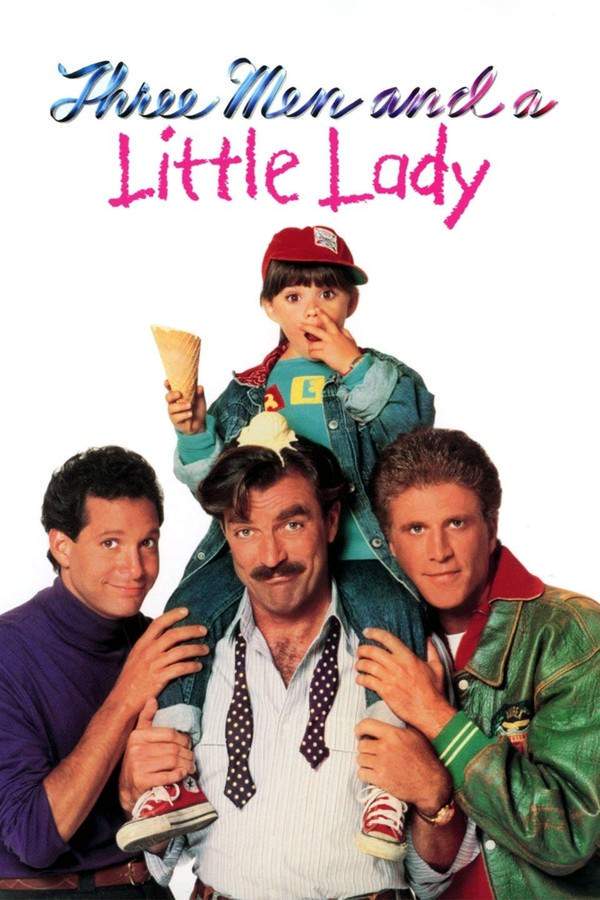
Late-Life Reinvention Comedies like Never Too Late

Comedies about unexpected changes shaking up established lives. If you enjoyed the humorous shock of a late-life pregnancy in Never Too Late, you'll like these other comedies about midlife surprises forcing characters to adapt with optimism.

  • surprised
  • frustrated
  • relieved
  • midlife crisis
  • generational humor
  • optimistic
  • Tone: comical, surprised, ultimately relieved
  • Pacing: steady, event-driven
Why these movies?

The story pattern: The narrative pattern involves a comfortable, established life being disrupted by an unforeseen event. After initial shock and resistance, the characters embark on a journey of adaptation and acceptance, leading to personal growth and a reaffirmation of their relationships.

Why they belong together: These movies share a specific narrative arc focused on midlife or late-life characters confronting a surprising event that challenges their status quo. The tone is consistently comedic and optimistic, celebrating adaptability and the enduring potential for happiness.

If you liked this

Movies Like Never Too Late

Similar movies to Never Too Late: the same genre, themes or kind of story. Each one comes with its own plot summary, timeline and ending explained.

Browse all movie summaries

Every angle

Never Too Late (1965) Explained: Plot, Timeline & Characters

Everything about Never Too Late in one place: what happens in the plot summary, the timeline in chronological order, the characters and meaning and a spoiler-free summary. What's After the Movie adds the cast, box office and post-credit scenes.

Coming soon on iOS and Android

The Plot Explained Movie Summary App

Plot summaries, endings explained and timelines on your phone. Catch up on any movie in minutes, save your favorites and never miss a twist again.

Be the first to know when we launch. Your email stays private, always.

Learn more about the app