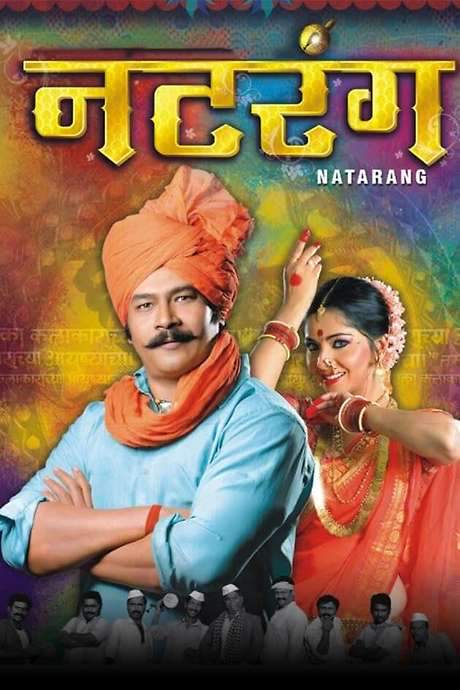
Natrang

Natrang

Year: 2010

Runtime: 127 mins

Language: Marathi

Director: Ravi Jadhav

DramaMusic

Guna, a labourer from a remote Maharashtrian village, dreams of the vibrant tamasha theatre. Determined, he forms his own troupe, only to be cast not as the regal king he imagined but as a ‘nachya’—an effeminate, homosexual role. Accepting the part reshapes his life and strains his family's standing, pulling him between artistic fulfillment and societal respect.

Warning: spoilers below!

Haven’t seen Natrang yet? This summary contains major spoilers. Bookmark the page, watch the movie, and come back for the full breakdown. If you're ready, scroll on and relive the story!

Natrang (2010) – Full Plot Summary & Ending Explained

Read the complete plot breakdown of Natrang (2010), including all key story events, major twists, and the ending explained in detail. Discover what really happened, and what it all means.

Gunvantrao Kagalkar, known as Guna, is a poor village labourer who nurtures a deep, enduring love for Tamasha, the vibrant folk theatre that’s a heartbeat of Maharashtra.

When his job disappears, he teams up with his friend and mentor Pandoba to start a small theatre company. To give the project a chance to thrive, Guna believes the troupe must have a female dancer. Pandoba finds Naina, the daughter of his former lover Yamunabai, who is willing to join on one condition: the show must include a “Nachya”—a man who performs in an intentionally effeminate way.

With no easy support from his family, Guna takes on the challenging role himself, driven by an unyielding passion for the art. His dedication helps the performances take off, and the troupe’s work quickly attracts audiences and attention.

But success soon pulls the production into a political power struggle between two local politicians who want to ride its popularity for their own ends. Meanwhile, tragedy strikes at home: Guna’s father dies in the village, and his wife and son endure harassment from angry neighbors. Violence escalates as rival gangs attack the theatre and torch the venue. Guna is unfairly branded as a eunuch and subjected to brutal assault, yet he remains determined to continue.

Despite the rejection of his family and the discouragement of some friends, Guna presses on, kept company by Naina as the show endures and grows. It is implied that Guna and Naina marry, and that their performances gain national and international acclaim, spreading the reach and reputation of their troupe far beyond their village.

The story closes with an older Gunvantrao Kagalkar, celebrated as a living legend of the stage, stepping onto a major awards ceremony stage to accept a lifetime achievement award.

Last updated: October 09, 2025 at 16:58

Was this helpful?

Natrang (2010) Plot Questions Answered – Summary FAQ

Explore frequently asked questions about Natrang (2010) with spoiler-rich answers covering the full plot summary, major story beats, character motivations, hidden details, and ending meaning. This movie summary FAQ helps explain confusing scenes, plot twists, and narrative decisions in clear, searchable detail.

Q1

Why does Guna agree to play the Nachya role in the troupe?

A.

Guna takes on the Nachya role because the troupe needs a male performer for the effeminate part, and no one else is willing or available. His deep passion for Tamasha theatre drives him to make this sacrifice, despite knowing it will bring social stigma and family shame. He volunteers himself to keep the troupe alive and the art form alive.

nachya roletamashatheatre troupeguna sacrifice
Q2

What is a Nachya in Tamasha folk theatre?

A.

Nachya is a male performer who plays effeminate, comedic characters in Tamasha, a traditional folk theatre of Maharashtra. This role is traditionally performed by men and involves exaggerated feminine mannerisms. While socially looked down upon in conservative communities, the Nachya is essential to the art form's traditional structure and comedic elements.

nachyatamashamarathi folk theatregender roles
Q3

Why does Guna's family reject him after he becomes a Nachya?

A.

Guna's family rejects him because playing the Nachya role is considered shameful in their conservative village society. The role is associated with effeminacy and homosexuality, which brings disgrace upon the entire family. His decision to perform this role directly conflicts with traditional values of masculinity and family honor, leading his family to disown and harass him.

family rejectionsocial stigmavillage societyshame
Q4

Why is the theatre attacked and torched?

A.

The theatre is attacked and torched due to the political conflict surrounding the troupe. Two local politicians try to exploit the troupe's popularity for their own political gain. When the troupe resists becoming a tool for political propaganda, rival gangs aligned with these politicians attack the venue, setting it on fire. This violence represents the dangerous intersection of art and local politics.

Earlier in the timeline, the film establishes that two politicians have taken interest in the troupe's growing popularity.

theatre attackpolitical conflictfiretorched venue
Q5

What happens to Guna's father in the story?

A.

Guna's father dies in the village while Guna is away pursuing his theatre work. The death comes during a period when Guna's family is already facing harassment from angry neighbors due to Guna's Nachya role. This tragedy adds to Guna's emotional burden, as he cannot be present with his family during their time of grief.

father deathvillageguna familytragedy
Q6

Why is Guna branded as a eunuch and assaulted?

A.

Guna is branded as a eunuch and assaulted because the village community confuses his theatrical Nachya role with actual gender identity. Despite being a heterosexual man who plays an effeminate character for art, the social stigma around the Nachya role leads people to view him as physically effeminate or a eunuch. This misunderstanding, combined with the political enemies he has made, results in brutal assault.

eunuchassaultsocial stigmanachya confusion
Q7

Does Guna marry Naina in Natrang?

A.

It is implied that Guna and Naina eventually marry. Their partnership begins when Naina joins the troupe and becomes its star performer. Throughout the film's difficult moments, including family rejection, violence, and assault, Naina remains steadfastly by Guna's side. The narrative suggests they marry as their troupe gains national and international acclaim.

gunanainamarriagetroupe partnership
Q8

How does the troupe achieve success despite the obstacles?

A.

The troupe succeeds through Guna's unwavering dedication and Naina's talent as a dancer. Despite facing family rejection, political interference, violence, and social stigma, they continue performing. Their perseverance, combined with the unique appeal of their performances featuring the traditional Nachya element, attracts audiences beyond the village, eventually leading to national and international recognition.

successfamenational recognitiontroupe achievement
Q9

Why do politicians want to control Guna's theatre troupe?

A.

Local politicians see the troupe's growing popularity as a valuable tool for political gain. The troupe's performances draw large audiences and command respect in the community. By controlling or endorsing the troupe, politicians can boost their own image and influence among villagers. When Guna and his troupe resist this exploitation, the politicians use intimidation and violence to pressure them.

politicianspower strugglecontrolexploitation
Q10

What is the significance of Guna receiving a lifetime achievement award?

A.

The ending shows an older Gunvantrao Kagalkar accepting a lifetime achievement award, symbolizing that his decades of artistic dedication have been officially recognized. While the film presents this as a triumphant moment, it remains bittersweet, he achieved legendary status but at enormous personal cost, including family alienation and trauma. The award represents validation of Tamasha as a respected art form.

lifetime achievementlegacyrecognitionbittersweet ending
Q11

Why does Naina continue supporting Guna despite all the difficulties?

A.

Naina stays with Guna because she recognizes his genuine passion for Tamasha and respects his artistic sacrifice. Having joined the troupe herself under the condition that a Nachya be included, she understands the importance of the role he plays. Her loyalty represents shared artistic purpose and mutual respect, rather than romantic motivation alone.

naina loyaltysupportartistic partnership
Q12

What personal costs does Guna pay for pursuing his theatre dream?

A.

Guna pays a tremendous personal cost including the loss of his family's respect and support, the death of his father whom he cannot be with, harassment of his wife and son by neighbors, violent assault that leaves him branded as a eunuch, and years of social stigma. Despite achieving artistic triumph, his victory comes at the price of profound personal suffering and fractured family relationships.

personal costsacrificefamily alienationsuffering
Mobile App Preview

Coming soon on iOS and Android

The Plot Explained Mobile App

From blockbusters to hidden gems - dive into movie stories anytime, anywhere. Save your favorites, discover plots faster, and never miss a twist again.

Sign up to be the first to know when we launch. Your email stays private, always.

Explore Movie Threads

Discover curated groups of movies connected by mood, themes, and story style. Browse collections built around emotion, atmosphere, and narrative focus to easily find films that match what you feel like watching right now.

Movies about artistic sacrifice like Natrang

Stories where achieving artistic greatness comes at an immense personal cost.If you were moved by the heavy emotional weight and personal cost of Guna's artistic journey in Natrang, explore these similar films. This collection features powerful dramas about characters who sacrifice everything for their passion, often facing societal prejudice and personal loss on their path to creative expression.

painfultriumphantresilientenduringhopefuloppressivelonely

Narrative Summary

These narratives typically follow a determined protagonist who pursues a non-traditional or stigmatized art form. Their journey is marked by societal rejection, family estrangement, and personal suffering, yet they persevere, finding a profound sense of purpose and identity within their art, even if outward success is bittersweet.

Why These Movies?

Movies in this thread share a heavy emotional weight and a bittersweet tone. They explore the theme of passion as both a salvation and a burden, creating a powerful, resonant experience centered on resilience, identity, and the high price of authenticity.


Movies about defying societal norms like Natrang

Intense journeys of individuals challenging oppressive traditions and gender norms.Fans of Natrang's exploration of gender identity and societal prejudice will find similar themes here. Discover other intense dramas about characters who challenge oppressive traditions, facing ostracism and violence in their fight for personal freedom and self-expression against a judgmental world.

oppressiveresilientpainfuldeterminedlonelyenduringhopeful

Narrative Summary

The central plot involves a protagonist whose identity or desires clash violently with the conservative values of their environment. The story is a steady, intense build of conflict, showcasing their resilience against harassment, alienation, and violence, as they forge a new, often lonely, path defined by their own truth.

Why These Movies?

These films are grouped by their high intensity, oppressive mood, and focus on the painful but necessary act of non-conformity. They share a heavy emotional weight and a narrative structure built on enduring hardship for the sake of personal authenticity.

Unlock the Full Story of Natrang

Don't stop at just watching - explore Natrang in full detail. From the complete plot summary and scene-by-scene timeline to character breakdowns, thematic analysis, and a deep dive into the ending - every page helps you truly understand what Natrang is all about. Plus, discover what's next after the movie.

Natrang Timeline

Track the full timeline of Natrang with every major event arranged chronologically. Perfect for decoding non-linear storytelling, flashbacks, or parallel narratives with a clear scene-by-scene breakdown.

Natrang Timeline

Characters, Settings & Themes in Natrang

Discover the characters, locations, and core themes that shape Natrang. Get insights into symbolic elements, setting significance, and deeper narrative meaning - ideal for thematic analysis and movie breakdowns.

Characters, Settings & Themes in Natrang

Natrang Spoiler-Free Summary

Get a quick, spoiler-free overview of Natrang that covers the main plot points and key details without revealing any major twists or spoilers. Perfect for those who want to know what to expect before diving in.

Natrang Spoiler-Free Summary

More About Natrang

Visit What's After the Movie to explore more about Natrang: box office results, cast and crew info, production details, post-credit scenes, and external links - all in one place for movie fans and researchers.

More About Natrang