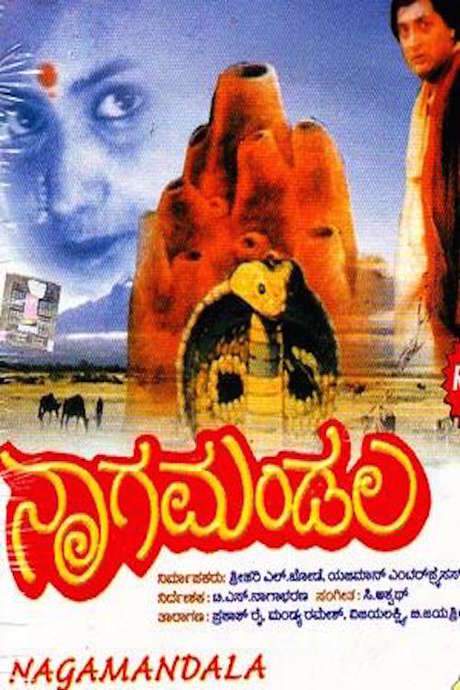
The film traces a tense, unfolding drama around Kurudamma, a blind woman, her son Kappanna, and her daughter Rani, beginning as Kurudamma travels with them to a Devi festival at her nephew’s home. There, she recognizes Rani’s beauty and the family urges her to find a suitable match for the young woman. Believing that Appanna would be a perfect husband for Rani, Kurudamma persistently nudges him toward consent, and eventually he agrees to marry Rani.
On their first night at Rani’s maternal home, the newlyweds’ stark difference in temperament comes to light: a timid Rani is overwhelmed by Appanna’s lustful and overbearing nature, leaving her terrified and retreating to a corner. After they return to Appanna’s village, Rani shares her fear with Kurudamma, who counsels a tactic of teasing and playfulness to win him over. Yet the fear returns that very night, and Rani locks herself in the pooja room. Appanna scolds her and departs, and he heads to Chelvi, Vanitha Vasu’s house.
The next day, Kurudamma discovers Rani still locked inside and gives her a small root to mix with milk and feed Appanna, hoping it will help consummate the marriage. The following day, Rani tries the plan, but Appanna passes out briefly and then leaves as usual. Once more Kurudamma intervenes, providing a larger root. Rani’s attempt to drug the milk catches fire, and when Appanna returns, she quickly pours the mixture under a tree, where it drains into an anthill. An uncanny turn follows: a snake emerges, consumes the milk, and later takes Appanna’s form to approach Rani, soothing her and winning her affection. The next morning the snake, in disguise, is gone, and the real Appanna arrives to find a cheerful, changed wife, though he remains suspicious.
Night after night, the snake in Appanna’s form returns to Rani, and they consummate again. The symbolically repeated scene—Rani waking to find her husband absent or transformed—continues until the pattern is interrupted by a revelation: Rani’s behavior attracts suspicion when a gym teacher, who agrees to watch the house, is killed by the snake in Appanna’s form. The death shocks the community and heightens the tension surrounding the marriage.
Days pass with this troubling rhythm until Rani discovers she is pregnant. The snake, still in Appanna’s form, advises secrecy about the pregnancy. When Kurudamma and Kappanna hear the news, they rush to the gym to celebrate, but Appanna lashes out, demanding to know who the father is and denying the very night he spent with Rani. The elders intervene and organize a panchayat to resolve the matter.
During the panchayat, a harsh demand arises: a dramatic test, the naga divya, where one swears by the truth while holding a live snake. Rani agrees to take the test and chooses the snake from the anthill—the same creature that had impregnated her. In a remarkable turn, the village publicly accepts her innocence.
Meanwhile, the snake resurfaces as Appanna and confronts Rani. The real Appanna arrives unseen; the snake, realizing this, directs Rani to fetch milk. It then assumes Appanna’s form and slips away. Appanna follows and confronts the snake at the anthill, where a fierce battle ensues. The snake nearly defeats him, but a realization dawns: Rani’s unwavering love has purged the poison within him, and he spares his wife. Still, he defeats the snake and hurls it into the fire, where it reverts to its true form and dies.
In the months that follow, Appanna becomes a transformed, caring husband, devoted to his heavily pregnant wife. The film closes on a quiet, hopeful note as the couple heads to a fair together, embodying a renewed partnership built on trust and love.