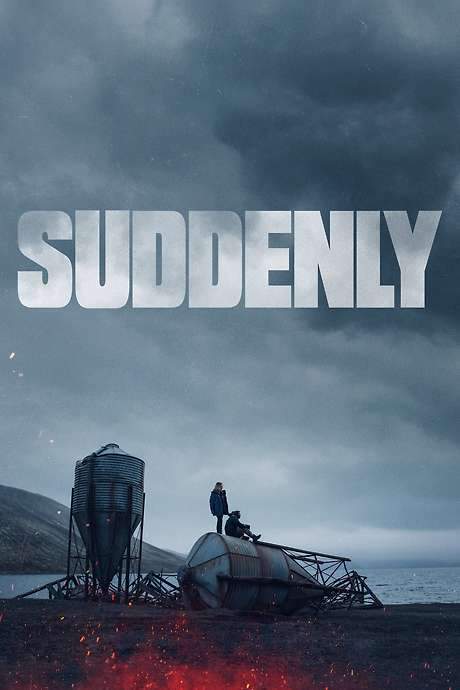
Rodrigo Rojas, a 19-year-old who lives in Santiago and is currently serving in the military, is deployed as a conscript to Punta Arenas to face an looming conflict over control of the Picton, Nueva, and Lennox Islands. On this mission, he travels with a small unit that includes three other conscripts and a professional soldier, all of them venturing into the harsh Patagonian plains where the border between Chile and Argentina becomes a confusing, shifting veil rather than a clear line.
In the desolate landscape, the two groups become disoriented and unknowingly cross into the other side’s territory, sparking a tense standoff that could spark a broader invasion. The men on both sides are suddenly faces in the same cold wind, unsure who is truly on which side, and the risk of escalating violence grows with every uncertain step they take.
Amid the risk and fatigue, one Chilean soldier sustains a cut that becomes infected, prompting Rodrigo to seek help from the Argentinean force. He requests assistance from Enrique Ocampo, the Argentine 1st Sergeant, and this act of cooperation softens the mood between the divided troops. The two sides begin to understand that a full-blown clash isn't necessary at that moment, and a fragile sense of cooperation starts to form.
The narrative threads through moments of humor embedded in the tension—a make-shift border that temporarily separates rivals, and even the odd soccer match that punctuates the absurdity of a border war that feels almost farcical in its setup. Yet beneath these lighter notes lies an imminent fear: a real invasion could still unfold if negotiations fail and anger swells again.
As night falls and the danger intensifies, Ocampo is warned that an Argentinean invasion could commence on December 22. He informs Ferrer, who remains determined to withdraw, but the Chilean commander refuses to retreat, clinging to the resolve to protect his men.
With the border still a fragile line on a map, the two sides agree that letters to families back home should be delivered, a humane gesture that underscores the human cost of conflict. Then a radio warning reveals the mediation of Pope John Paul II, signaling a broader call for restraint and the order to withdraw troops. Ocampo steps out of the trench to approach the Chileans in a spirit of peace, but the moment is shattered when Orozco, a professional soldier who views any friendship with the Argentines as treachery, opens fire, triggering a crossfire that tightens the tightening choke of war.
The skirmish leaves its mark: Ocampo is wounded, and José Almonacid, a conscript from Puqueldón, falls in the gunfire. The moment crystallizes the cost of the stand-off and the fragile line between peace and conflict.
Back in Santiago, Rodrigo returns with a renewed sense of purpose but also a personal heartbreak. He intends to pursue his love for Gloria, only to be met with rejection, and a society that, in the moment, seems to forget the brave actions of those who risked their lives to defend their country, both in Chile and Argentina. The story lingers on the tension between personal desire and collective duty, and on how historical crises can shape a community’s memory long after the guns fall silent.