Set in the 1980s and 1990s, this film charts the evolution of Bombay into Mumbai. It's a tense cat-and-mouse game between a ruthless crime boss, Amartya Rao, known for his violent methods, and a determined police officer relentlessly pursuing him. The story explores their dangerous conflict as the city undergoes a significant transformation.
Warning: spoilers below!
Haven’t seen Mumbai Saga yet? This summary contains major spoilers. Bookmark the page, watch the movie, and come back for the full breakdown. If you're ready, scroll on and relive the story!
Trace every key event in Mumbai Saga (2021) with our detailed, chronological timeline. Perfect for unpacking nonlinear stories, spotting hidden connections, and understanding how each scene builds toward the film’s climax. Whether you're revisiting or decoding for the first time, this timeline gives you the full picture.
Last updated: October 01, 2025 at 10:24
Find frequently asked questions about the Mumbai Saga (2021) timeline, including chronological order, nonlinear jumps, cause-and-effect links, and scene sequence clarifications. This timeline FAQ helps explain when key events happen, how moments connect, and why the story unfolds in that specific order.
Amartya kills Khaitan because the mill owner refused to heed his warnings and instead aligned with Gaitonde to push workers out of mill land for a real estate project in the newly liberalized economy. This murder is Amartya's way of reasserting control and eliminating a rival who threatens his growing power base in Mumbai.
Earlier, Amartya had warned Khaitan to stay out of Gaitonde's deal, foreshadowing the fatal confrontation.
Arjun is shot in court by Gaitonde's men as direct retaliation for Khaitan's murder. Vijay Savarkar had secured a TADA court order against Arjun, and while under police custody, Gaitonde's network infiltrates the courtroom and opens fire. Arjun survives but is left permanently paralyzed from the attack.
The bounty placed on Amartya's head by Sonali after Khaitan's death sets the stage for escalating violence against his family.
Vijay Savarkar is driven by his role as a police officer dedicated to bringing down Amartya's criminal empire. However, a crucial revelation shows Vijay is an ex-supporter of Bhau, and his ascent within the police force was aided by Bhau's political influence. This complex background adds depth to his single-minded pursuit.
The revelation that Bhau helped Vijay's career creates dramatic irony, as Bhau simultaneously supports Amartya.
Amartya returns to India after learning that his brother Arjun was shot and paralyzed in the courtroom attack. Driven by anger and resolve, he comes back to rescue Arjun from the police dragnet and plans to take him to London for medical treatment.
Earlier, Amartya had sent Arjun to boarding school and later arranged his marriage to Nilam in an attempt to shield him from the violence of criminal life.
Bhau helps Amartya because he harbors a personal vendetta against the dominant gangster Gaitonde and sees Amartya's brutal strength as a weapon to topple his rival. Bhau secures Amartya's bail, provides political backing, and helps him infiltrate the criminal landscape in exchange for using him as muscle against Gaitonde.
Bhau's alliance with Amartya is transactional from the start, setting up the later revelation about his connection to Vijay.
Amartya sends Arjun to boarding school to shield him from the violence that surrounds his own criminal rise. Recognizing that his path in the underworld puts his family at risk, Amartya attempts to keep Arjun distant from the criminal lifestyle, though this separation ultimately proves temporary as Arjun returns and gets drawn into the conflict.
This protective gesture underscores the tragic irony that Arjun ultimately becomes more deeply entangled in the very violence Amartya tried to prevent.
Sonali Khaitan places a ₹10 crore bounty on Amartya's head as retaliation for the murder of her husband Sunil Khaitan. This bounty draws both criminal elements and police attention to Amartya, intensifying the manhunt against him and triggering attacks on his family members, including Arjun.
The bounty directly leads to Arjun's attack by Gaitonde's men and sets the stage for the courtroom shooting.
At the desolate runway, Amartya arrives aboard Khan's chartered flight intending to ferry the paralyzed Arjun to London for treatment. Vijay Savarkar launches a final assault. In the chaos, Amartya detonates a petrol tanker, killing Vijay inside and creating a diversion that allows Arjun to be rushed onto the aircraft. However, Khan escapes with Arjun, leaving Amartya to face the aftermath alone.
This confrontation represents the culmination of the cat-and-mouse chase that has defined the film.
Arjun survives the courtroom shooting but is left permanently paralyzed from the attack. His paralysis fundamentally alters his life and becomes the driving force behind Amartya's return to India. Amartya plans to take Arjun to London for treatment, though Khan ultimately escapes with Arjun at the end, leaving his fate uncertain.
The brutal consequences of the shooting transform Arjun from a character trying to distance himself from crime into someone whose survival depends on the very underworld he rejected.
Baba is Amartya Rao's trusted ally who inherits control of Mumbai's underworld in the film's epilogue. After Amartya's sacrifice at the runway and the resolution of the immediate crisis, Bhau, whose loyalties have always been self-serving, transfers power to Baba, signaling a full-circle reset of the city's power structure while hinting at the cyclical nature of criminal control.
The power shift reflects the film's theme that control in Mumbai is a constant negotiation where allies can become liabilities.
TADA (Terrorist and Disruptive Activities Act) is an Indian law that allows for extended detention without bail. Vijay Savarkar uses this court order against Arjun to keep him in custody and prevent his release. The TADA order creates the legal framework that leads to Arjun being in court when he's shot, and Vijay warns of an 'absentia encounter walks freely' if Arjun.
The TADA order tightens the net around Arjun, making him vulnerable to the retaliatory attack.
Arjun arranges a park meeting to test Sadashiv as the potential rat feeding information to Vijay's police. When Sadashiv arrives, Vijay's men are already lying in ambush, confirming the betrayal. Arjun then kills Sadashiv, who was under police protection, and bribes constables to stage a faux ambush, demonstrating his willingness to protect the gang at any cost.
This episode highlights Arjun's growing role as a leader willing to make brutal decisions.
Discover curated groups of movies connected by mood, themes, and story style. Browse collections built around emotion, atmosphere, and narrative focus to easily find films that match what you feel like watching right now.
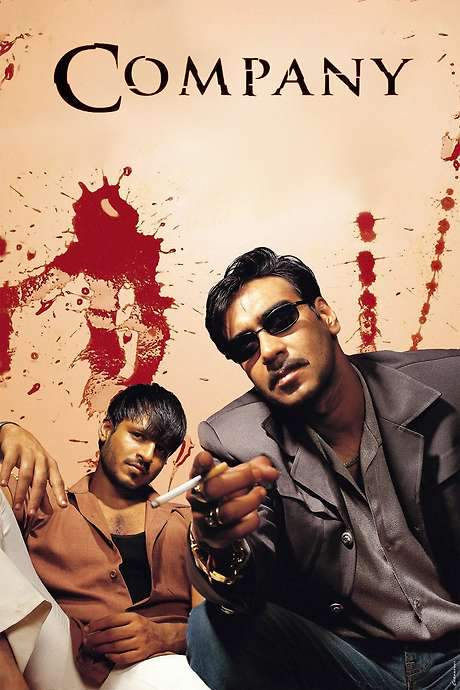
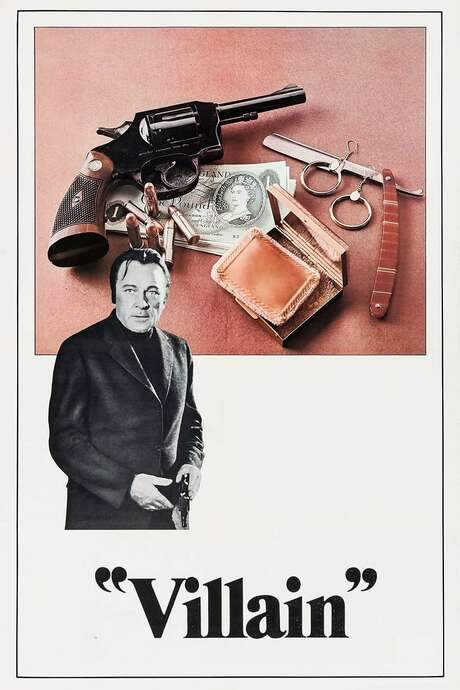
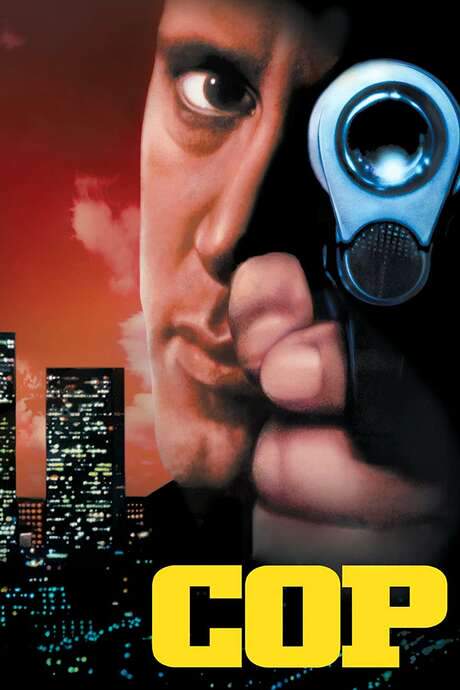
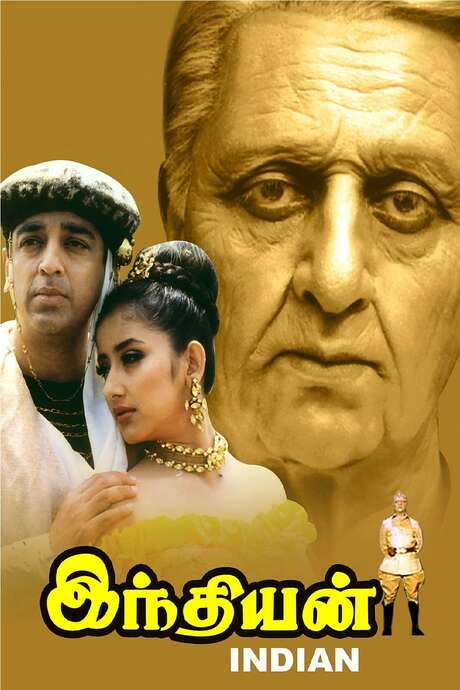
Violent crime sagas set against the backdrop of a city's monumental transformation.Discover more movies like Mumbai Saga that explore the gritty intersection of organized crime and urban development. If you enjoyed the high-stakes power struggle set against Bombay's transformation into Mumbai, you'll find similar stories in these intense crime epics.
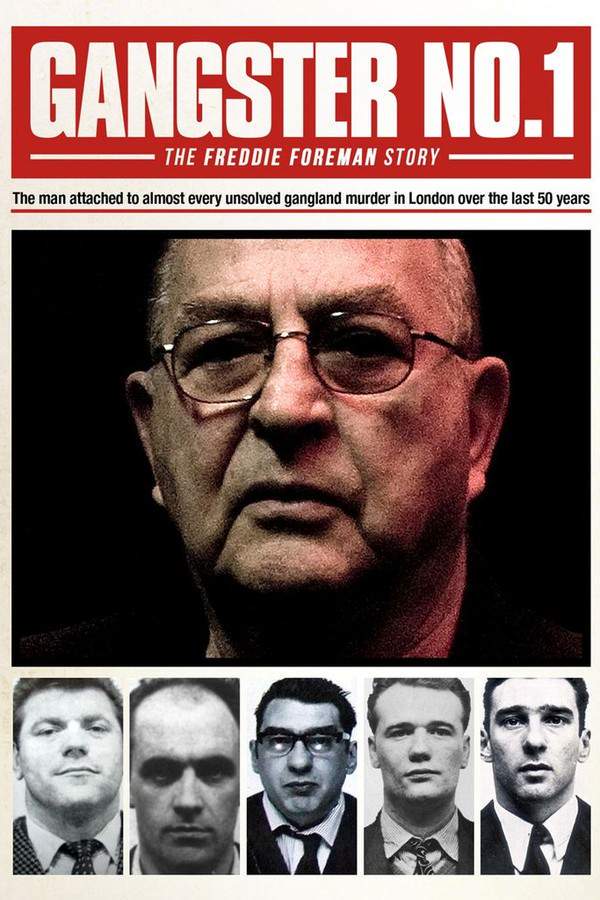
Stories in this thread typically follow a ambitious individual's ruthless ascent through the criminal ranks, often clashing with equally determined law enforcement. The narrative is driven by territorial battles, political corruption, and the personal cost of power, all set during a period of significant urban change.
Movies are grouped here for their shared focus on the symbiotic relationship between crime and a city's identity, their gritty and violent tone, and their epic scale that intertwines personal ambition with historical transformation.
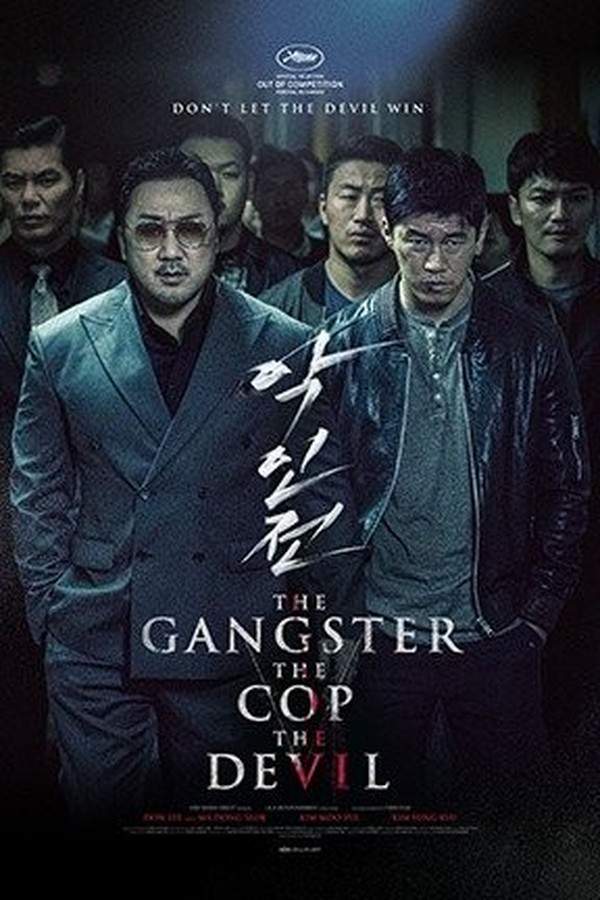
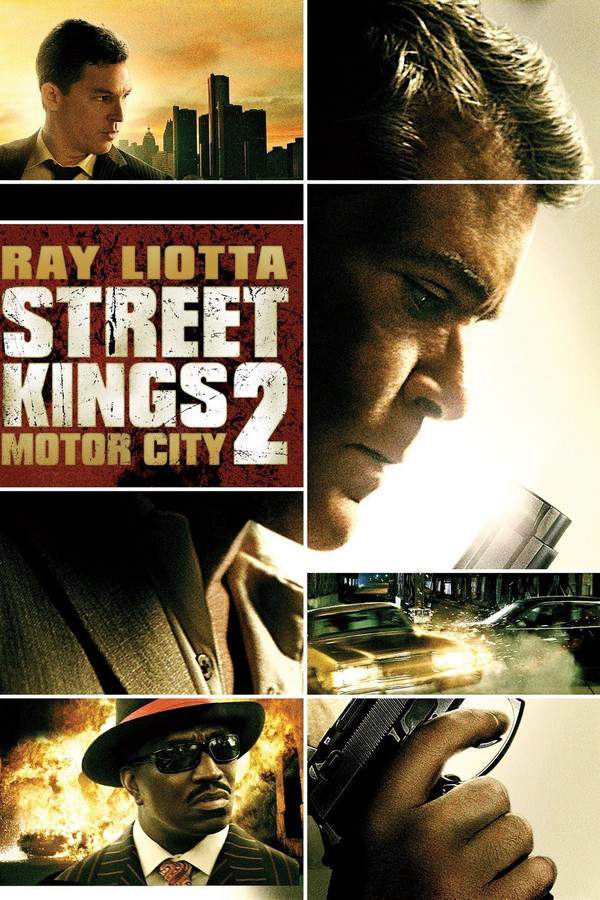
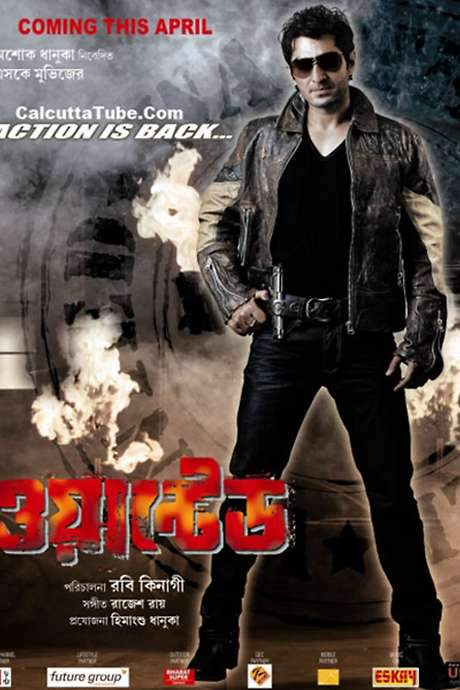
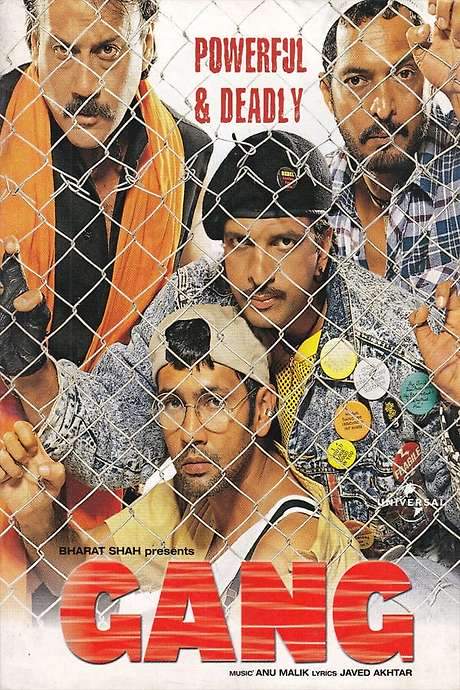
High-stakes duels between a determined lawman and an unforgiving crime lord.If you liked the tense cat-and-mouse game between Amartya Rao and the police in Mumbai Saga, explore these similar movies. This list features other high-intensity crime dramas centered on the deadly duel between a ruthless kingpin and a relentless officer.
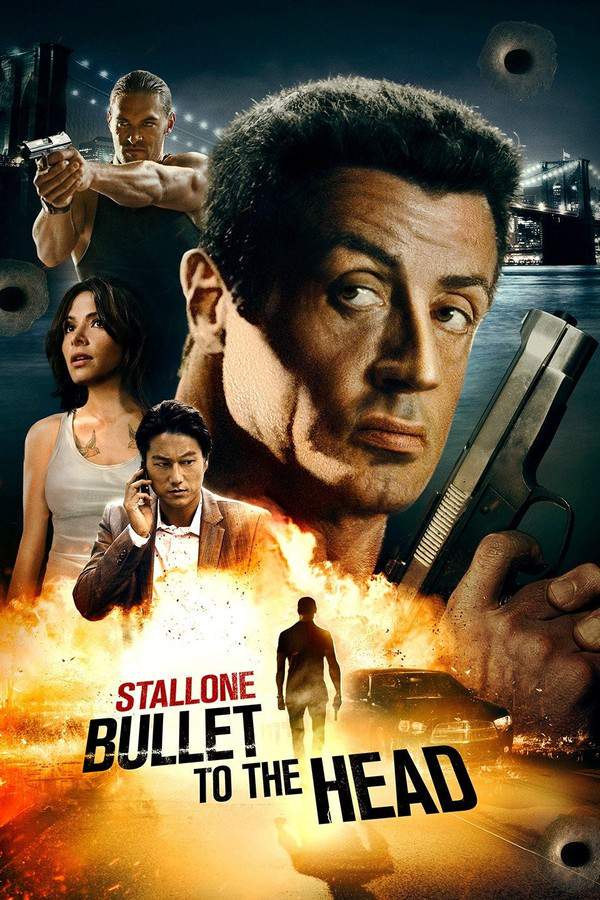
The narrative pattern is a direct, escalating conflict where both hunter and hunted are deeply flawed, driven characters. The plot is propelled by a series of attacks, counterattacks, and betrayals, creating a fast-paced, tense experience where the lines between justice and vengeance often blur.
These films are united by their core antagonist-protagonist dynamic, fast pacing, high levels of tension and violence, and an exploration of the moral gray areas inherent in such a brutal conflict.
Don't stop at just watching - explore Mumbai Saga in full detail. From the complete plot summary and scene-by-scene timeline to character breakdowns, thematic analysis, and a deep dive into the ending - every page helps you truly understand what Mumbai Saga is all about. Plus, discover what's next after the movie.
Read a complete plot summary of Mumbai Saga, including all key story points, character arcs, and turning points. This in-depth recap is ideal for understanding the narrative structure or reviewing what happened in the movie.

Discover the characters, locations, and core themes that shape Mumbai Saga. Get insights into symbolic elements, setting significance, and deeper narrative meaning - ideal for thematic analysis and movie breakdowns.