Plot Explained Spoilers guaranteed!
Plot Explained

Browse by genre

Mother Night (1996) movie poster

Characters & Themes

Mother Night (1996) Characters, Setting & Themes Explained

Release, runtime and language
1996 · 114 mins · English
Loading streaming availability…
Directed by
Keith Gordon
Starring
Kirsten Dunst, John Goodman, David Strathairn, Zach Grenier, Alan Arkin, Nick Nolte

The truth behind his uniform is far more disturbing: he was an American spy operating behind enemy lines in World War II, forced to masquerade as a Nazi propagandist. That false identity follows him after the war, and he is compelled to keep his true mission secret, leaving his future haunted by the deception.

On this page (9)
  1. 1 Where to watch
  2. 2 Characters explained (7)
  3. 3 Character relationship map
  4. 4 Where & when it takes place
  5. 5 Themes & meaning (4)
  6. 6 Character & meaning questions
  7. 7 Movie threads
  8. 8 Movies like Mother Night
  9. 9 Every angle
Loading streaming availability…

7 main characters · contains spoilers

Mother Night Characters Explained: Who Is Who

The main characters of Mother Night (1996), heroes and villains: what drives them, how they change over the course of the story and what each of them reveals about the film's bigger ideas.

  • Howard Campbell Jr. (Nick Nolte)

    A brilliant, disillusioned playwright who becomes the 'voice' of English-language Nazi broadcasts. He engineers a secret, coded channel through distinctive speech patterns that convey information to Allied intelligence. His life is defined by a tense double life and relentless self-questioning, ending in a hollow choice to surrender to Israel’s justice system and his own sense of meaning.

    • 🕵️ Spy
    • 🧠 Clever
    • 🎭 Double life
  • Major Frank Wirtanen

    played by John Goodman

    A War Department operative who recruits Campbell and uses pragmatic pressure to steer him toward becoming a spy. He offers no rewards, only a demand for truth through action. Wirtanen reappears later to influence Campbell's fate and shield him from discovery.

    • 🎖️ Agent
    • 🕵️ Handler
    • 🧭 Pragmatic
  • Joseph Goebbels

    played by Zach Grenier

    The Ministry of Propaganda's influential figure who oversees the spread of Nazism and anti-Semitic messaging. He embodies propaganda’s charisma and cruelty, shaping Campbell’s world while the war consumes millions.

    • 🎭 Propaganda
    • 🗣️ Orator
  • Helga Noth

    played by Sheryl Lee

    Campbell's wife, believed dead on the Eastern Front. Her memory haunts him and motivates his choices, representing the personal costs of war and political violence.

    • ❤️‍🔥 Wife
    • 💔 Loss
  • Resi Noth

    played by Sheryl Lee

    Helga's younger sister who confesses love for Campbell and later assumes Helga's identity to flee East Germany. Her actions complicate loyalties and force Campbell to confront the consequences of his past. Her suicide adds to the film’s tragic tone.

    • 💘 Forbidden love
    • 🧭 Identity
  • Adolf Eichmann (voice)

    played by Henry Gibson

    A central Nazi official who appears in the Haifa cell. He embodies the bureaucratic horror of genocide and anchors the film’s meditation on accountability and the reach of war crimes.

    • ⚔️ Nazi official
    • 🧊 Bureaucracy
  • George Kraft

    played by Alan Arkin

    An elderly painter in New York who is secretly a Soviet intelligence asset. He becomes Campbell's confidant, guiding him through strategic revelations and illustrating the moral ambiguities of espionage.

    • 🧭 Intelligence
    • 🎨 Artist

Last updated: October 30, 2026 at 13:37

Was this helpful?

6 characters · 7 connections · contains spoilers

Mother Night Character Relationship Map

Who is connected to whom in Mother Night: family, love, friendships, rivalries and hidden ties, colour-coded. Pick a character to see their side of the story, or a connection to see what brings two characters together.

How much of the story to show
HCHowardCampbell Jr.Nick NolteMFMajor FrankWirtanenJohn GoodmanJGJoseph GoebbelsZach GrenierHNHelga NothSheryl LeeRNResi NothSheryl LeeGKGeorge KraftAlan Arkin

Last updated: October 30, 2026 at 13:37

Was this helpful?

Setting

Where and When Does Mother Night Take Place?

The setting of Mother Night (1996): the year and time period, the places and locations, and how they shape the characters, the mood and the tension of the story.

Time period

1930s–1960s

The narrative spans the buildup to World War II, the war years, and the postwar era. It follows Campbell from the Nazi propaganda machine in the 1930s and 1940s, through wartime Berlin and late-war events, to his life in New York City after the war and eventual return to a Haifa prison setting in the 1960s.

Location

Berlin, New York City, Haifa

The story unfolds across wartime Germany near Berlin, then shifts to wartime and postwar New York City, and finally to Haifa in Israel. These settings contrast rigid, propaganda-driven spaces with clandestine, high-stakes environments where secrets determine life or death. The locations underscore the global scale of the conflict and the personal costs of espionage.

  • 🏙️ Historic
  • 🧭 International

Last updated: October 30, 2026 at 13:37

Was this helpful?

4 major themes

Mother Night Meaning: Themes & Message Explained

What is Mother Night (1996) really about? The emotional, social and philosophical themes the film keeps returning to, its symbolism and the message beneath the surface.

  • Identity & Secrets

    Campbell builds a public Nazi-propaganda persona while privately transmitting coded information to Allied intelligence. The gap between how he presents himself and who he truly is becomes the central moral conflict. His double life drives loneliness, fear, and relentless self-scrutiny.

  • Guilt & Morality

    The character grapples with complicity in crimes against humanity and the price of survival. The story probes whether a person can be redeemed or if their actions condemn them regardless of intent. The war creates a personal moral landscape with few absolutes.

  • Propaganda & Truth

    The film contrasts public broadcasts that indoctrinate with covert exchanges that relay critical information. Propaganda acts as a mask for truth, while Campbell's coded cadence becomes a lifeline for the Allies. It questions how often what we hear reflects reality and at what cost truth must be protected.

  • Memory & Fallout

    Years after the war, Campbell is haunted by hidden history, personal loss, and displacement. Memory collides with a society eager to forget, showing how the past can sustain or erode a person long after battles end.

Last updated: October 30, 2026 at 13:37

Was this helpful?

Character & theme questions

Mother Night Characters & Meaning: Your Questions Answered

The questions people ask about Mother Night (1996): who the characters really are, their relationships, what the symbols mean, where it takes place and what the movie is really about. Each answer contains spoilers.

Q1

Where does Mother Night take place?

The story unfolds across three main locations: wartime Germany near Berlin, New York City during and after the war, and Haifa in Israel. These settings move from the propaganda-driven environment of Nazi Germany to the clandestine world of espionage in New York, ending in an Israeli prison. The contrast between these locations underscores the global scale of the conflict and the personal toll of living a double life.

  • berlin
  • new york
  • haifa
  • setting
  • locations
  • germany
  • israel
Q2

What time period does the movie cover?

Mother Night spans several decades, from the 1930s buildup to World War II through the war years and into the postwar era. The narrative concludes in the 1960s when Campbell is held in a Haifa prison. This extensive time frame allows the film to explore not just the wartime deception but its lasting psychological consequences decades later.

  • 1930s
  • 1940s
  • 1960s
  • time period
  • wwii
  • postwar
  • era
Q3

Who is Howard Campbell in the movie?

Howard Campbell Jr. is a brilliant, disillusioned playwright who becomes the English-language voice of Nazi propaganda broadcasts during WWII. Behind this public persona, he secretly works as an American spy, transmitting coded information to Allied intelligence through distinctive speech patterns in his broadcasts. After the war, he must maintain his false identity while living in New York, haunted by the duality of his existence.

  • howard campbell
  • nick nolte
  • protagonist
  • spy
  • nazi propaganda
Q4

What is Major Wirtanen's role in the story?

Major Frank Wirtanen is a War Department operative who recruits Campbell for intelligence work. He uses pragmatic pressure to steer Campbell toward becoming a spy, offering no rewards, only a demand for truth through action. Wirtanen reappears later in the narrative to influence Campbell's fate and help shield his secret identity from discovery.

  • major wirtanen
  • john goodman
  • war department
  • recruiter
  • operative
Q5

What is the propaganda theme in Mother Night?

The film contrasts public broadcasts that indoctrinate masses with covert exchanges that relay critical intelligence. Propaganda serves as a mask for truth, while Campbell's coded cadence becomes a lifeline for the Allies. The movie questions how often what we hear reflects reality and at what cost truth must be protected, exploring the duality between public performance and private purpose.

  • propaganda
  • truth
  • broadcasts
  • nazi
  • information
  • deception
Q6

How does the movie explore identity and secrets?

The gap between how Campbell presents himself, as a Nazi propagandist, and who he truly is an Allied spy becomes the central moral conflict. His double life drives relentless loneliness, fear, and self-scrutiny. The film examines how a person can live with such fundamental disunity between public persona and private truth, and what psychological toll this deception exacts.

  • identity
  • secrets
  • double life
  • deception
  • psychological
  • moral conflict
Q7

What does Mother Night say about guilt and morality?

The story probes Campbell's complicity in crimes against humanity through his propaganda work, even though he was secretly helping the Allies. It explores whether a person can be redeemed or if their actions condemn them regardless of intent. The war creates a personal moral landscape with few absolutes, forcing Campbell to confront whether survival justifies participation in evil systems.

  • guilt
  • morality
  • redemption
  • complicity
  • survival
  • war crimes
Q8

Who is Helga Noth in the story?

Helga Noth is Howard Campbell's wife, believed to have died on the Eastern Front during the war. Her memory haunts Campbell throughout the narrative and motivates many of his choices. She represents the personal costs of war and political violence, embodying the human connections lost amid the larger conflict and espionage drama.

  • helga noth
  • sheryl lee
  • wife
  • death
  • eastern front
Q9

What happens to Resi Noth in the film?

Resi Noth is Helga's younger sister who confesses love for Campbell and later assumes Helga's identity to flee East Germany. Her actions complicate questions of loyalty and force Campbell to confront the consequences of his past. Her eventual suicide adds to the film's tragic tone, illustrating how the war's ripples continue to destroy lives long after the fighting ends.

  • resi noth
  • sheryl lee
  • helga's sister
  • east germany
  • suicide
Q10

Who is George Kraft in Mother Night?

George Kraft is an elderly painter living in New York who becomes Campbell's confidant. He is secretly a Soviet intelligence asset, illustrating the moral ambiguities of espionage during the Cold War era. Through Kraft, the film expands its exploration of double identities and the complex loyalties that exist beyond simple national allegiances.

  • george kraft
  • alan arkin
  • painter
  • soviets
  • intelligence
  • confidant
Q11

What does the Memory and Fallout theme explore?

Years after the war, Campbell is haunted by hidden history, personal loss, and displacement. The film shows how memory collides with a society eager to forget the past. This theme demonstrates how the past can sustain or erode a person long after battles end, examining the psychological long-term effects of living under false identities.

  • memory
  • fallout
  • trauma
  • postwar
  • haunting
  • displacement
Q12

What is Joseph Goebbels' role in the movie?

Joseph Goebbels appears as the Ministry of Propaganda's influential figure who oversees the spread of Nazism and anti-Semitic messaging. He embodies propaganda's charisma and cruelty, shaping Campbell's world while the war consumes millions. His presence underscores the magnitude of the system Campbell had to infiltrate and the moral weight of his deception.

  • joseph goebbels
  • propaganda minister
  • nazi
  • minister
Q13

How is Adolf Eichmann featured in the film?

Adolf Eichmann appears through voice only, occupying a cell in Haifa where Campbell is also held. He embodies the bureaucratic horror of genocide and anchors the film's meditation on accountability. His presence forces Campbell to confront questions about justice, responsibility, and whether any individual can escape consequences for crimes against humanity.

  • adolf eichmann
  • haifa
  • prison
  • accountability
  • war crimes
  • nazi
Q14

What happens to Howard Campbell at the end?

Campbell ultimately chooses to surrender to Israel's justice system and faces trial for his wartime propaganda work. Rather than continue living with the burden of his false identity, he commits suicide as a final act of personal judgment. This bleak ending represents his attempt to find meaning through accepting responsibility for his actions, even though he was secretly working for the Allies.

  • ending
  • suicide
  • israel
  • trial
  • haifa
  • death

Movie threads

More Movies Like Mother Night, by Mood & Story

Curated lists built around what makes Mother Night tick: the same mood, the same kind of story or the same emotional payoff. Each list explains why these movies belong together.

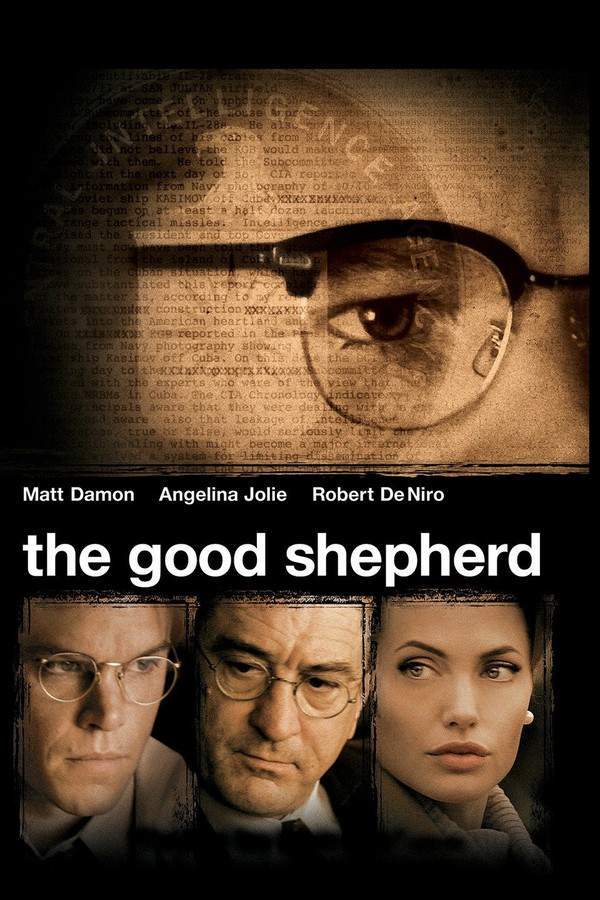
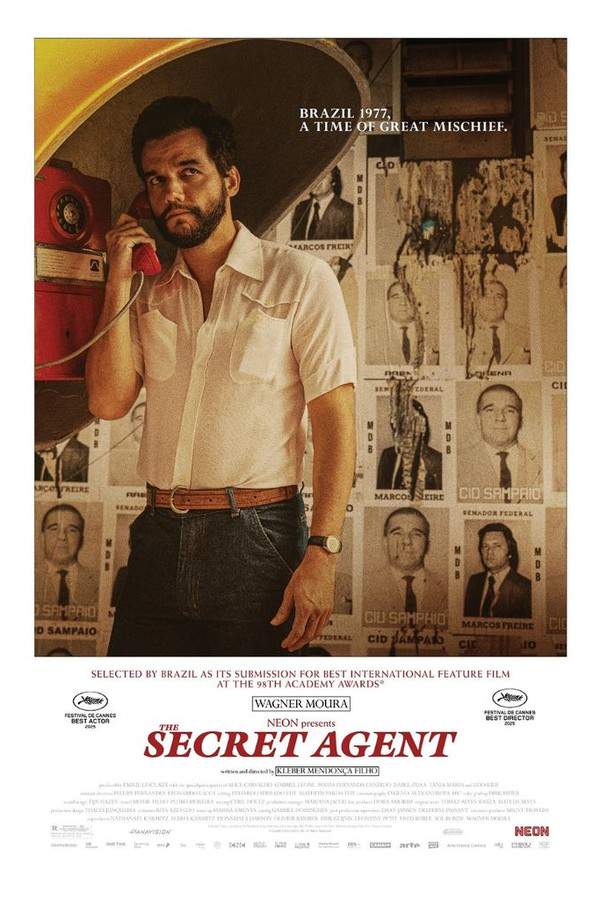
Spy identity crisis stories like Mother Night

Undercover agents lose themselves in the role they were meant to play. For viewers seeking movies like Mother Night that explore the heavy burden of a double life. These films feature undercover agents whose fabricated identities begin to consume them, leading to profound moral and psychological crises within tense, high-stakes settings.

  • claustrophobic
  • paranoid
  • morally gray
  • anxious
  • lonely
  • identity crisis
  • Tone: dark, paranoid
  • Pacing: steady, deliberate
Why these movies?

The story pattern: This narrative pattern follows an operative who must deeply inhabit a cover identity, often one that is morally repugnant. The central conflict shifts from external mission objectives to an internal struggle for identity, as the protagonist grapples with the guilt of their actions and the fear of being permanently defined by their lie.

Why they belong together: These films are grouped by their intense focus on the psychological decay of the spy. They share a tone of claustrophobic paranoia, a steady pacing that allows the moral weight to build, and a bleak sensibility regarding the personal cost of geopolitical games.
Movies about moral compromise like Mother Night

Characters are forced into impossible choices that haunt their future. If you liked the heavy emotional weight and bleak outlook of Mother Night, this collection features films where protagonists make devastating moral choices. These are complex, character-driven dramas exploring guilt, survival, and the difficult price of one's actions.

  • morally gray
  • guilt-ridden
  • melancholic
  • oppressive
  • anxious
  • somber
  • Tone: dark, bleak
  • Pacing: steady, character-driven
Why these movies?

The story pattern: The narrative typically involves a 'lesser evil' decision made under extreme duress, which then becomes an inescapable shadow over the protagonist's life. The story unfolds as a slow, steady reckoning with this past action, leading to isolation and a bleak confrontation with the personal cost of survival or duty.

Why they belong together: These films share a dark, heavy tone and a complex exploration of guilt and responsibility. They create an anxious, oppressive atmosphere through steady pacing and a focus on internal turmoil, almost always culminating in a somber or tragic resolution for the protagonist.

If you liked this

Movies Like Mother Night

Similar movies to Mother Night: the same genre, themes or kind of story. Each one comes with its own plot summary, timeline and ending explained.

Browse all movie summaries

Every angle

Mother Night (1996) Explained: Plot, Timeline & Characters

Everything about Mother Night in one place: what happens in the plot summary, the timeline in chronological order, the characters and meaning and a spoiler-free summary. What's After the Movie adds the cast, box office and post-credit scenes.

Coming soon on iOS and Android

The Plot Explained Movie Summary App

Plot summaries, endings explained and timelines on your phone. Catch up on any movie in minutes, save your favorites and never miss a twist again.

Be the first to know when we launch. Your email stays private, always.

Learn more about the app