Plot Explained Spoilers guaranteed!
Plot Explained

Browse by genre

Moon Knight (1000) movie poster

Timeline

Moon Knight (1000) Timeline Explained – Every Event in Order

Release, runtime and language
1000 · 282 mins · English
Directed by
Mohamed Diab, Justin Benson
Starring
Oscar Isaac, F. Murray Abraham, Ethan Hawke, Ann Akinjirin, May Calamawy, David Ganly

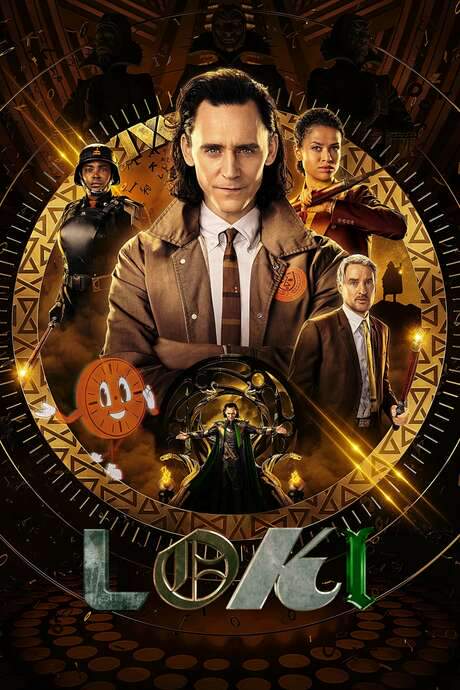
Embrace the chaos. When gift‑shop employee Steven Grant suffers blackouts and memories of another life, he learns he has dissociative identity disorder and shares his body with Marc Spector, a moon‑god avatar. As enemies from both sides converge, they must unite their fractured selves while confronting a deadly Egyptian‑god mystery.

On this page (5)
  1. 1 Events in order (12)
  2. 2 Timeline questions answered
  3. 3 Movie threads
  4. 4 Movies like Moon Knight
  5. 5 Every angle

12 events in order · contains spoilers

Moon Knight Timeline: Events in Chronological Order

Every key event of Moon Knight (1000) in order, scene by scene, with when and where it takes place. Use it to untangle flashbacks, time jumps and parallel storylines, to refresh your memory before the sequel or to find the exact scene you are thinking of.

  1. Opening Ritual and House Scene

    The film begins with a man performing a mysterious ritual involving smashing a glass and shifting it into slippers at a large, empty house. This surreal opening sets a tone of mysticism and disorientation, hinting at deeper themes of memory and identity. The scene is atmospheric, accompanied by mellow music that introduces the ambiguous reality of the story.

  2. Steven Grant Wakes Up

    Steven Grant awakens in his apartment, immediately demonstrating signs of sleepwalking and disorientation. He relieves himself of restraints, feeds his goldfish Gus, and leaves a voicemail for his mother, highlighting his fragmented state of mind. The morning routine reveals his mundane life and underlying sense of confusion.

    Where
    London, Steven's apartment
  3. Museum Tour and Conflict with Donna

    Steven works at the British Museum, explaining Egyptian mummification to visitors but faces scolding from his boss Donna for being late and making historical inaccuracies. Their interaction underscores Steven’s struggle with his role and memory, as he remains distracted and confused about his responsibilities.

    Where
    British Museum, London
  4. Sleepwalking Rituals and Awakening in a Field

    At night, Steven performs rituals to stay awake, including listening to a podcast and fiddling with a Rubik's cube, but he suddenly wakes up in a grassy field in pain. A mysterious voice instructs him to go back to sleep, introducing the theme of controlling his consciousness and hinting at a deeper, supernatural influence.

    Where
    Field of grass (dream/reality blurred)
  5. Encounter with the Castle and Harrow’s Rituals

    Steven finds himself trespassing into a castle-like setting where Harrow, a man with a long red outfit, judges townspeople with a ritual involving a scale. Steven witnesses Harrow’s assessment, including a judgment that results in a woman's death, revealing Harrow’s role as an antagonist driven by Egyptian mythological themes.

    Where
    Town square and castle-like environment
  6. Steven's Capture and Magical Confrontation

    Steven is captured when trying to stop Harrow, leading to a blackout. When he regains consciousness, he is in a chaotic chase involving violence, car crashes, and blackouts, as the voice in his head urges him to hold onto a mysterious scarab. These scenes depict his struggle with identity and control amidst action and confusion.

    Where
    Various locations including roads, vehicles, and a museum
  7. Steven's Blurry Memory and the Truth About Marc

    Steven discovers mysterious calls from Layla and finds his true name, Marc, to be different from Steven Grant. Verifications and hallucinations lead him to realize he has multiple identities, deepening his confusion about reality and his past. This revelation is central to understanding the fractured nature of his mind.

    Where
    Steven’s apartment and reflective surfaces
  8. Hospital and Asylum Memories

    In a series of hallucinations and memories, Marc confronts his troubled childhood and the traumatic death of his brother. These flashbacks reveal the origins of his dissociative identity disorder, including the guilt and pain stemming from his family tragedy, shaping his complex character.

    Where
    Hospital and childhood home
  9. Egyptian Mythology and the Search for Ammit

    Marc and Layla travel to Egypt, where they explore archaeological sites and learn about the mythological creature Ammit. Their quest involves retrieving the ushabti and confronting the villain Harrow, whose plans threaten to unleash chaos by releasing Ammit, setting up the film's supernatural conflict.

    Where
    Egyptian desert and archaeological sites
  10. The Final Confrontation and Ammit’s Release

    As the gods gather, Khonshu and Layla team up to prevent Harrow from releasing Ammit, a monstrous goddess of vengeance. A climactic battle ensues atop a pyramid, with Moon Knight and Layla fighting Harrow’s followers as Ammit begins consuming souls, embodying the film’s themes of justice and moral ambiguity.

    Where
    Pyramid in Egypt
  11. Closing Battles and the Reconciliation of Identities

    Marc and Steven unite within the afterlife, confronting their past trauma and balancing their hearts in the Duat. Taweret guides them through their memories, and they work to restore their sense of self, culminating in a final redemption and acceptance of both their identities.

    Where
    Duat/Field of Reeds
  12. Post-Credits and Introduction of Jake Lockley

    The mid-credits scene reveals Arthur Harrow/Ammit as a patient with Marc’s third personality, Jake Lockley, who is portrayed as a vengeful figure. Jake shoots Harrow and drives Khonshu away, hinting at further complexities and threats in the upcoming storylines, and establishing future conflicts.

    Where
    Psychiatric hospital

Last updated: August 19, 2025 at 05:12

Was this helpful?

Timeline questions answered

Moon Knight Timeline Explained: Your Questions Answered

When does it happen, and why in that order? The questions people ask about the chronology of Moon Knight (1000): time jumps, flashbacks, cause and effect between scenes and the correct order of events, each answered with spoilers.

Q1

Why does Steven Grant have blackouts and lose time?

Steven Grant experiences blackouts because he shares his body with Marc Spector, a mercenary who has dissociative identity disorder. Marc's consciousness takes over Steven's body during key moments, leaving Steven with no memory of what happened. These blackouts increase in frequency as the series progresses, leading Steven to discover the truth about his fragmented identity.

Foreshadowing: The opening ritual scene with the mysterious figure hints at the fractured nature of the protagonist's mind.

  • dissociative identity disorder
  • blackouts
  • marc spector
  • steven grant
  • mental health
Q2

Who is Marc Spector in the series?

Marc Spector is Steven Grant's primary alter ego and the original identity of the man whose body they share. He is a former soldier and mercenary who became the avatar of Khonshu, the Egyptian moon god. Marc is hardened, vengeful, and possesses superhuman abilities when transformed into Moon Knight. His violent past and trauma have shaped both his relationship with Khonshu and his fractured psychological state.

Foreshadowing: Early scenes show Steven waking in unfamiliar locations with no recollection of how he got there, hinting at Marc's control over the body.

  • marc spector
  • moon knight
  • khonshu
  • avatar
  • mercenary
Q3

Who is Arthur Harrow and what does he want?

Arthur Harrow is the series' primary antagonist who leads a community practicing ritualistic judgment based on Egyptian mythology. He believes in preemptive justice, punishing people for sins they haven't committed yet because Ammit, the goddess he serves, can judge souls before death. His iconic scale tattoo represents the Egyptian practice of weighing hearts against feathers. Harrow seeks to release Ammit from her prison so she can judge and consume all unworthy souls worldwide.

  • arthur harrow
  • ammit
  • antagonist
  • egyptian goddess
  • judgment
Q4

What is Ammit and why is she dangerous?

Ammit is an ancient Egyptian goddess known as the Devourer of Souls. She sits beside the scales of truth and consumes the hearts of those whose sins outweigh the feather of Ma'at. Unlike other Egyptian gods who judge souls after death, Ammit pre-emptively punishes people for crimes they haven't yet committed. If released, she would consume the souls of billions, making her one of the most dangerous entities in the Marvel cosmic realm.

  • ammit
  • egyptian goddess
  • devourer of souls
  • ma'at
  • scales
Q5

Why does Marc Spector have dissociative identity disorder?

Marc Spector developed dissociative identity disorder as a result of severe childhood trauma. Flashbacks reveal he witnessed his younger brother Randall die during a childhood accident, a traumatic event compounded by abuse from his mother. The guilt and pain from this tragedy caused his mind to fragment, creating Steven Grant as a protective alternate identity seeking a normal, innocent life that Marc never had.

Foreshadowing: Early hints of childhood trauma appear in fragmented flashbacks showing a young Marc in distress.

  • childhood trauma
  • brother
  • dissociative identity disorder
  • guilt
  • randall
Q6

What is Khonshu and what is his relationship with Marc?

Khonshu is the Egyptian god of the moon and vengeance, one of the Ennead (the nine major Egyptian gods). He chooses humans as his avatars to carry out his will, granting them superhuman abilities in exchange for serving his justice. Marc Spector became Khonshu's avatar after making a pact with the god while dying in the desert. Khonshu is ruthless, demanding total obedience, and his influence transforms Marc into Moon Knight whenever justice needs to be served.

  • khonshu
  • moon god
  • egyptian god
  • avatar
  • vengeance
Q7

What is the Duat in the series?

The Duat is the Egyptian underworld or afterlife where souls are judged after death. In the series, Marc and Steven both experience passing through the Duat during the climax, where they must weigh their hearts against the feather of Ma'at. The Duat appears as a mystical realm with a starry sky and a scales ceremony, representing the final judgment of one's moral life.

Foreshadowing: The recurring imagery of Egyptian death rituals and the scale of justice foreshadows the Duat's importance.

  • duat
  • egyptian afterlife
  • underworld
  • judgment
  • ma'at
Q8

Who is Layla El-Faouly and what is her role in the story?

Layla El-Faouly is Marc Spector's wife, revealed through Steven's discovery of her missed calls and messages throughout the series. She is an archaeologist and formidable fighter who assists Marc in recovering Egyptian artifacts. In the finale, she becomes the hero known as Scarlet Scarab, donning magical armor to fight alongside Moon Knight against Ammit. Her role represents both emotional anchor and active warrior in the battle against Harrow.

Foreshadowing: Steven finds Layla's contact information early on, hinting at a deeper connection beyond his apparent single life.

  • layla el-faouly
  • scarlet scarab
  • wife
  • archaeologist
  • may calamawy
Q9

Why did Marc Spector become Khonshu's avatar?

Marc Spector became Khonshu's avatar after being left for dead in the Egyptian desert following a botched mercenary mission. Near death, he made a deal with Khonshu: if the god saved him, Marc would serve as Khonshu's fist of justice. Khonshu accepted, and Marc survived to become Moon Knight, the god's instrument of vengeance against those who prey on the innocent.

Foreshadowing: The series hints at Marc's past in the military and his history in the Middle East before meeting Steven.

  • khonshu avatar
  • desert
  • mercenary deal
  • moon knight origin
Q10

How do Marc and Steven reconcile their identities in the ending?

In the finale, Marc and Steven confront their shared trauma in the Duat, working together to balance their hearts on the scales of judgment. Rather than fighting for control, they reach a mutual agreement to share the body equally, Steven gets Tuesdays and Thursdays while Marc takes the rest. This compromise represents healing from their fractured past and accepting both identities as part of a whole self.

Foreshadowing: The dynamic between Steven and Marc evolves from conflict to cooperation throughout the series.

  • identity reconciliation
  • duat
  • healing
  • shared body
  • equilibrium
Q11

What is revealed in the mid-credits scene?

The mid-credits scene reveals that Arthur Harrow has been institutionalized in a psychiatric hospital, but he encounters Marc Spector's third personality: Jake Lockley. Jake is portrayed as a darker, more ruthless incarnation who is revealed to be the one who actually killed Harrow in the tomb. The scene ends with Jake shooting Harrow and driving away with Khonshu, setting up future storylines and establishing a menacing new threat.

Foreshadowing: Hints of a third personality appear subtly throughout the series in moments of unexplained violence.

  • jake lockley
  • mid-credits
  • third personality
  • cliffhanger
  • marc spector alter
Q12

What is the significance of Arthur Harrow's scale tattoo?

Arthur Harrow's scale tattoo represents the Egyptian practice of weighing a person's heart against the feather of Ma'at during judgment in the afterlife. The tattoo glows when Harrow judges someone, revealing whether their heart is heavy with sin or light enough to pass. This visual element connects directly to Ammit's mythology and Harrow's role as her disciple, performing judgment on behalf of the goddess.

Foreshadowing: The scale imagery appears early in Harrow's town square rituals, establishing his thematic purpose.

  • scale tattoo
  • ma'at
  • judgment
  • egyptian mythology
  • harrow
Q13

Why does Arthur Harrow want to release Ammit?

Arthur Harrow believes that humanity is fundamentally corrupt and that Ammit's preemptive judgment is the only way to create a truly just world. He views current justice systems as failures and sees Ammit's ability to judge souls before they commit sins as the ultimate solution. His obsession stems from witnessing suffering caused by those he believes should have been punished earlier. Releasing Ammit would allow her to consume all souls deemed unworthy at once.

  • ammit release
  • justice
  • preemptive judgment
  • harrow motivation
  • corruption
Q14

What happened to Marc Spector's brother?

Marc Spector's younger brother Randall died during their childhood in Chicago. Marc was supposed to watch Randall while their mother was at work, but something went terribly wrong, Randall drowned or died in an accident that Marc feels responsible for. This tragedy haunted Marc throughout his life, contributing to his guilt, trauma, and the creation of Steven Grant as an alternate identity seeking the innocent life Marc believed he couldn't have.

Foreshadowing: Flashbacks throughout the series show a young Marc's distress and a shiva scene mourning a family member.

  • randall
  • brother death
  • childhood trauma
  • chicago
  • guilt

Movie threads

More Movies Like Moon Knight, by Mood & Story

Curated lists built around what makes Moon Knight tick: the same mood, the same kind of story or the same emotional payoff. Each list explains why these movies belong together.

Superhero Identity Crisis Stories like Moon Knight

Stories where supernatural events force a confrontation with deep-seated psychological trauma. If you liked Moon Knight's exploration of dissociative identity disorder within a superhero mythos, you'll find similar themes here. This collection groups movies where characters grapple with fractured psyches and internal conflicts while facing epic, supernatural threats, blending intense psychological drama with action.

  • psychological
  • supernatural
  • disorienting
  • intense
  • chaotic
  • mysterious
  • Tone: tense, psychological, dark
  • Pacing: steady, unraveling mystery
Why these movies?

The story pattern: The narrative pattern follows a character with a fractured or hidden identity who is thrust into a supernatural conflict. The story unfolds by paralleling the external threat with the internal journey of integrating disparate selves or confronting traumatic memories, often using non-linear storytelling to reveal the truth of the protagonist's past.

Why they belong together: Movies are grouped here because they share a core focus on the interplay between profound psychological conditions and grand supernatural plots. They deliver a specific vibe: the disorienting tension of an unstable protagonist reality combined with the high stakes of a mythic battle, resulting in an emotionally heavy and complex viewing experience.
Dark Egyptian Mythology Action like Moon Knight

Where ancient godly powers clash with the flawed humans who wield them. Fans of Moon Knight's use of Egyptian gods and morally gray heroes will enjoy these films. Discover movies that weave ancient mythologies into modern settings, featuring protagonists chosen by deities who must navigate complex moral dilemmas and violent conflicts with a bittersweet tone.

  • mythological
  • epic
  • violent
  • morally ambiguous
  • mysterious
  • intense
  • Tone: tense, epic, morally gray
  • Pacing: steady, mythic scale
Why these movies?

The story pattern: The plot typically involves a human, often scarred by trauma, being chosen by or forced into servitude of a god from an ancient pantheon. The central conflict revolves around interpreting the god's will, grappling with the violence required, and questioning whether their actions serve true justice or personal vengeance, leading to a resolution that is rarely a clear victory.

Why they belong together: These films are connected by their unique blend of real-world mythology with dark, psychologically complex thrillers. They share a specific mood: epic in scope yet intimately focused on a tormented hero, tense and violent, with a pervasive sense of mystery and the existential weight of serving forces beyond human understanding.

If you liked this

Movies Like Moon Knight

Similar movies to Moon Knight: the same genre, themes or kind of story. Each one comes with its own plot summary, timeline and ending explained.

Browse all movie summaries

Every angle

Moon Knight (1000) Explained: Plot, Timeline & Characters

Everything about Moon Knight in one place: what happens in the plot summary, the timeline in chronological order, the characters and meaning and a spoiler-free summary. What's After the Movie adds the cast, box office and post-credit scenes.

Coming soon on iOS and Android

The Plot Explained Movie Summary App

Plot summaries, endings explained and timelines on your phone. Catch up on any movie in minutes, save your favorites and never miss a twist again.

Be the first to know when we launch. Your email stays private, always.

Learn more about the app