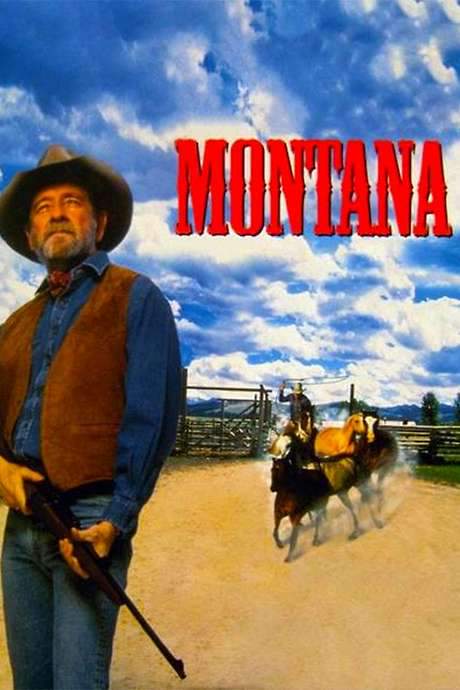
Montana
Year: 1990
Runtime: 100 mins
Language: English
Director: William A. Graham
Long‑time Montana ranchers Hoyce and Bess Guthrie confront a life‑changing decision when an oil company offers to buy their land. Hoyce views the offer as a chance for a fresh start, while Bess is determined to keep the family ranch intact for future generations, creating a tense struggle between progress and heritage.
Warning: spoilers below!
Haven’t seen Montana yet? This summary contains major spoilers. Bookmark the page, watch the movie, and come back for the full breakdown. If you're ready, scroll on and relive the story!
Timeline – Montana (1990)
Trace every key event in Montana (1990) with our detailed, chronological timeline. Perfect for unpacking nonlinear stories, spotting hidden connections, and understanding how each scene builds toward the film’s climax. Whether you're revisiting or decoding for the first time, this timeline gives you the full picture.
Last updated: March 05, 2026 at 18:38
Montana (1990) Timeline Questions Answered – Chronology FAQ
Find frequently asked questions about the Montana (1990) timeline, including chronological order, nonlinear jumps, cause-and-effect links, and scene sequence clarifications. This timeline FAQ helps explain when key events happen, how moments connect, and why the story unfolds in that specific order.
Why does Hoyce Guthrie want to sell the family ranch?
Hoyce sees the coal company's offer as a chance for a fresh start after years of struggling with mounting debt and lean markets in the 1980s. He views the sale as an opportunity to secure financial relief for his family rather than continuing to fight against declining cattle ranching profits. His perspective represents the practical reality that the traditional ranching way of life has become economically unsustainable.
Earlier scenes establish the family's financial strain through their daily struggles with branding and maintaining the herd.
Why is Bess Guthrie determined to keep the family ranch?
Bess is committed to preserving the ranch for future generations, viewing the land as more than just property, it represents her family's legacy and identity built over generations. Her determination stems from a deep connection to the land and a sense of responsibility to ancestors who worked the same soil. She represents the tension between progress and heritage that defines the film's central conflict.
The opening scenes show Bess working alongside her family, emphasizing her hands-on dedication to the ranching lifestyle.
What would happen to the land if the Guthries sold to the coal company?
The coal company intended to open a strip mine on the Guthrie land, which would completely reshape the landscape. Strip mining involves removing top layers of soil and rock to access coal seams beneath, which would destroy the grazing land, contaminate water sources, and permanently alter the ecosystem. The once-pristine valley would become an industrial site, erasing the ranching environment that has existed for generations.
Environmental concerns rise early in the film as characters discuss strip mining's impact on water, soil, and wildlife.
What role does Pierce play in the conflict over the Guthrie land?
Pierce arrives as a persuasive and divisive figure tied directly to the development push, representing the coal company's interests in acquiring the ranch. His interactions with the Guthries ignite the broader debate about progress, power, and modernization. He embodies the clash between traditional values and corporate interests, serving as the external force that pressures the family to make their difficult decision.
Pierce's introduction coincides with the arrival of the coal company's offer, signaling the external threat to the family's way of life.
Why is there conflict between generations in the Guthrie family over selling?
The younger generation, represented by characters like Peg, feels pulled between loyalty to family traditions and the pull of modern economic opportunities. Older generations like Hoyce and Bess have built their entire identity around ranching and view the land as a sacred legacy. The younger voices see changing economic realities as a chance for different futures, while older members cannot imagine abandoning the lifestyle their families have maintained for generations.
The family council scenes reveal how different members push for opposing futures based on their generational perspectives.
How does the local Montana community respond to the mining proposal?
The town's response is deeply divided, with neighbors and local workers voicing mixed opinions about the mining development. Some welcome the potential jobs and economic opportunity that strip mining would bring to the struggling region. Others warn about environmental disruption and fear irreversible changes to their landscape. The community tension reflects the broader national debate about development versus preservation during the 1980s.
Community concerns surface early as neighbors discuss both the economic benefits and environmental risks.
What is the central thematic conflict in the movie?
The film explores the clash between romantic frontier myths and modern capitalist forces that upend traditional ways of life. It examines whether development can honor both dreams of progress and duties to heritage. The tension asks whether the American legend of land, independence, and sovereignty can survive in the face of modern economic forces. This theme elevates the local dispute into a meditation on American identity and the cost of progress.
The narrative frames the Guthrie struggle within the larger context of Montana's changing frontiers from the opening.
What economic challenges are the Guthries facing before the offer?
The Guthries struggle to keep their land afloat amid mounting debt and lean markets throughout the 1980s. Cattle ranching has become economically unviable as commodity prices drop and operating costs rise. The family's identity is deeply tied to the land they work, but the financial pressure threatens their ability to maintain the ranch. This economic hardship creates the conditions that make the coal company's offer so tempting despite the environmental costs.
The opening establishes the daily struggles of ranch work against a backdrop of financial difficulty.
What makes Peg Guthrie's decision particularly difficult?
Peg stands at a crossroads as the younger generation wrestles with loyalty to family and tradition while feeling the pull of change. She represents the difficult position of those who must decide whether to honor their ancestors' way of life or pursue new opportunities. Her internal conflict embodies the broader question of whether staying true to the old ways serves future generations or limits their potential.
Peg's crossroads is established early, positioning her as a key voice in the family's generational divide.
What does the Montana landscape represent in the story?
The landscape itself becomes a character, home to memories and a symbol of a way of life now confronted with economic gravity. The land represents not just property but identity, heritage, and the physical embodiment of family history. As the threat of strip mining looms, the natural environment transforms from a workplace into something sacred worth defending. The film's visual emphasis on the landscape underscores its thematic importance.
From the opening, the film fills the narrative with detailed descriptions of the Montana terrain and ranch life.
Why is the coal company so determined to acquire the Guthrie land?
The coal company sees the Guthrie ranch as valuable real estate containing mineral wealth beneath the surface. Strip mining requires large areas of land to access coal deposits, and the company's determination to secure this specific property suggests significant reserves exist there. Their persistent pressure through incentives and deadlines demonstrates that the financial opportunity for the corporation outweighs concerns about the environmental damage or community impact.
The company pressure intensifies with offers and deadlines, showing their economic incentive to acquire the land.
What is Foreman's role in the community conflict?
Foreman represents local authority and mirrors a community torn between caution and opportunity. His character embodies the difficult position of those in leadership roles who must balance economic pressures against community wellbeing. He serves as a gauge for the town's stance, reflecting how development policies could reshape the region. His authority figures highlight the broader question of who gets to decide the fate of the landscape.
Foreman's introduction establishes him as a voice of authority in the community's debate over development.
Why is the family's decision to sell or keep the ranch morally complex?
The decision is morally complex because it involves competing legitimate values with no clear right answer. Selling would provide financial security and relief from debt, but at the cost of destroying the environment and abandoning a way of life. Keeping the ranch honors heritage but may doom the family to continued financial struggle. The film presents this as a genuine dilemma where progress and preservation both have real costs and benefits.
The family council scenes reveal the genuine moral weight of each position without easy resolution.
Why does the Guthrie family's story have broader significance?
The narrative becomes more than a local dispute over mining, it serves as a meditation on how American legends of land and independence intersect with modern economic forces. The Guthries' choices illuminate the delicate balance between preserving a cherished way of life and embracing a future that promises opportunity but risks erasing the landscape. Their struggle reflects universal tensions between tradition and progress that resonate across American communities facing similar development pressures.
The film explicitly frames the conflict as a microcosm of broader American frontier debates.

Explore Movie Threads
Discover curated groups of movies connected by mood, themes, and story style. Browse collections built around emotion, atmosphere, and narrative focus to easily find films that match what you feel like watching right now.
Family Land and Legacy Conflict Movies like Montana
Stories where family bonds are tested by the fate of their ancestral land.Explore movies like Montana where families face tense internal divisions over land ownership and legacy. These grounded dramas explore traditional values clashing with economic pressure, offering similar contemplative, melancholic vibes.
The Sons of Katie Elder
1965
Open Range
2003
Blood on the Mountain
2016

The Long Ride Home
2003
Montana
1990

Crossfire Trail
2001

The Quick and the Dead
1987

Raton Pass
1951

The Wonderful Country
1959

Last Stand at Saber River
1997

The Light in the Forest
1958

Three Violent People
1956

The Tall Stranger
1957

Legion of the Lawless
1940

Return of the Frontiersman
1950
Narrative Summary
The narrative follows a family unit pushed to a breaking point by an external offer or threat to their land. This external pressure exposes deep-seated conflicts between generations or spouses, forcing characters to choose between financial security and emotional heritage. The journey is one of tense deliberation and moral weight.
Why These Movies?
These films are grouped together because they share a core focus on land as a symbol of legacy, family identity, and tradition. They feature a moderate, steady-paced narrative intensity driven by dialogue and relationship dynamics, rather than action, resulting in a grounded and melancholic viewing experience.
Grounded Rural Melancholy Movies like Montana
Quiet stories of change and loss set against the backdrop of the American landscape.Find movies like Montana that capture a sense of grounded melancholy set in rural America. If you liked the tense, contemplative vibe of a family facing industrial change on their land, you'll appreciate these similar slow-burn dramas.
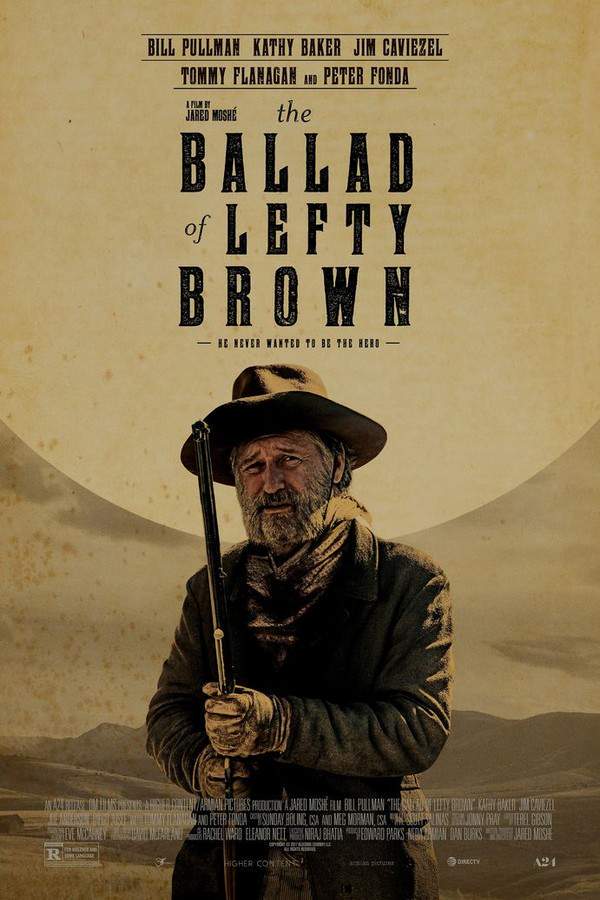
The Ballad of Lefty Brown
2017
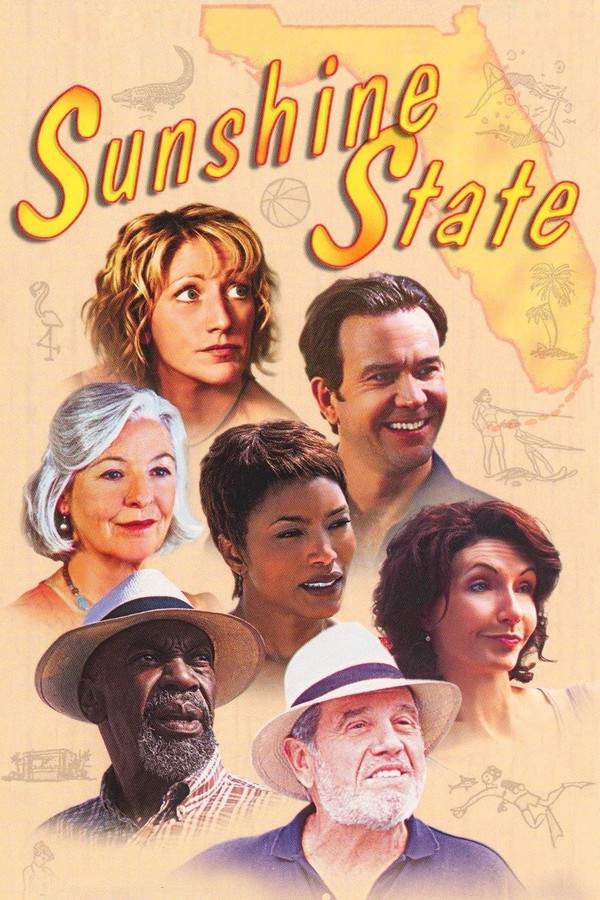
Sunshine State
2002
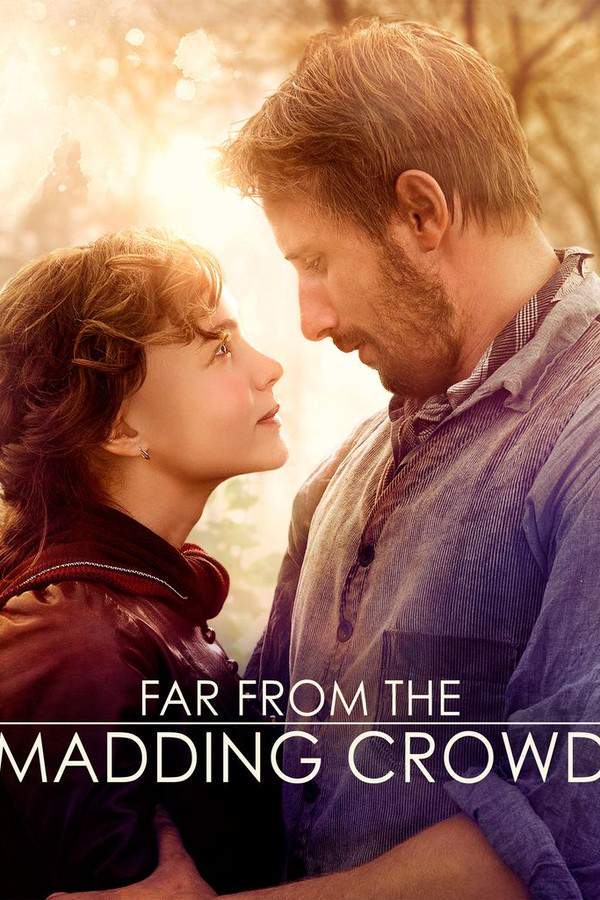
Far from the Madding Crowd
2015
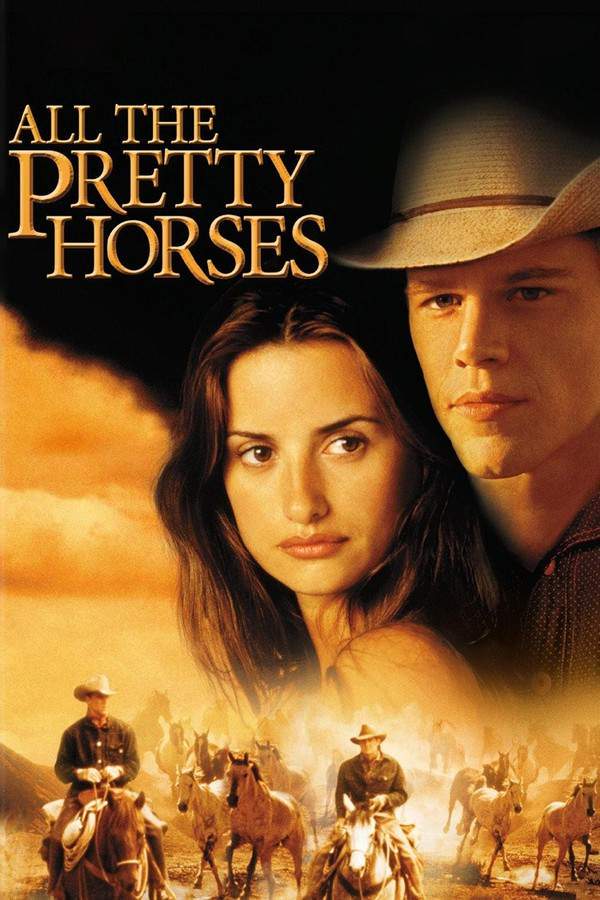
All the Pretty Horses
2000

River of Grass
1995
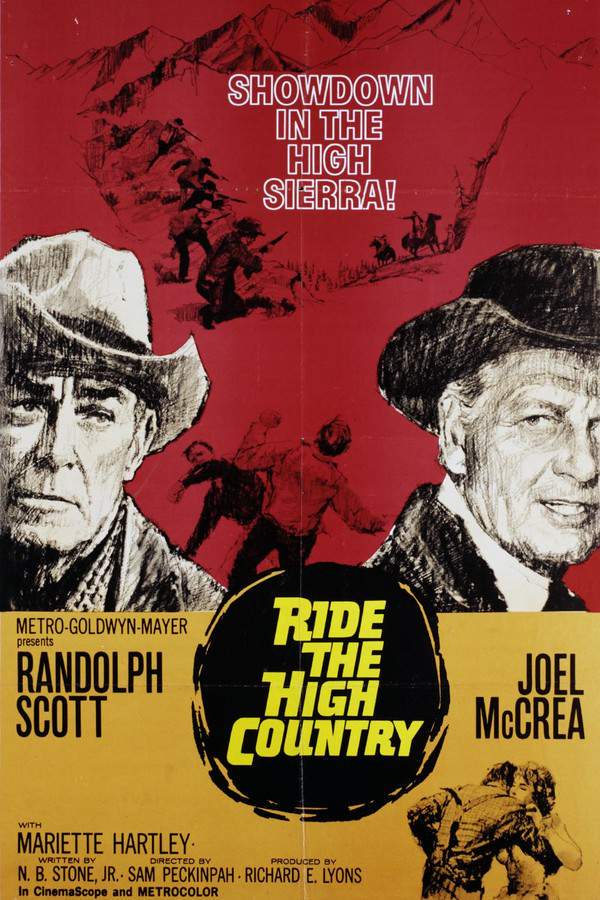
Ride the High Country
1962

From Noon Till Three
1976

The Ballad of a Gunfighter
1964

From the Terrace
1960

God’s Little Acre
1958

Bad for Each Other
1953

Saturday Night and Sunday Morning
1960

Bitter Harvest
1963

Mackintosh and T.J.
1975

The Great Meadow
1931
Narrative Summary
Stories unfold in a steady, deliberate pace, often centered on a protagonist or family facing an irreversible change to their environment or livelihood. The conflict is often internal and philosophical, pitting a longing for the past against the inevitability of the future. The expansive landscape contrasts with the characters' feelings of confinement and loss.
Why These Movies?
These films share a specific atmospheric blend: a melancholic and nostalgic mood, a grounded sense of place, and a tense or bittersweet tone. They are connected by their focus on the emotional impact of industrialization, economic shifts, and the fading of rural traditions, told with a medium emotional weight.
Unlock the Full Story of Montana
Don't stop at just watching - explore Montana in full detail. From the complete plot summary and scene-by-scene timeline to character breakdowns, thematic analysis, and a deep dive into the ending - every page helps you truly understand what Montana is all about. Plus, discover what's next after the movie.
Montana Summary
Read a complete plot summary of Montana, including all key story points, character arcs, and turning points. This in-depth recap is ideal for understanding the narrative structure or reviewing what happened in the movie.

Characters, Settings & Themes in Montana
Discover the characters, locations, and core themes that shape Montana. Get insights into symbolic elements, setting significance, and deeper narrative meaning - ideal for thematic analysis and movie breakdowns.


