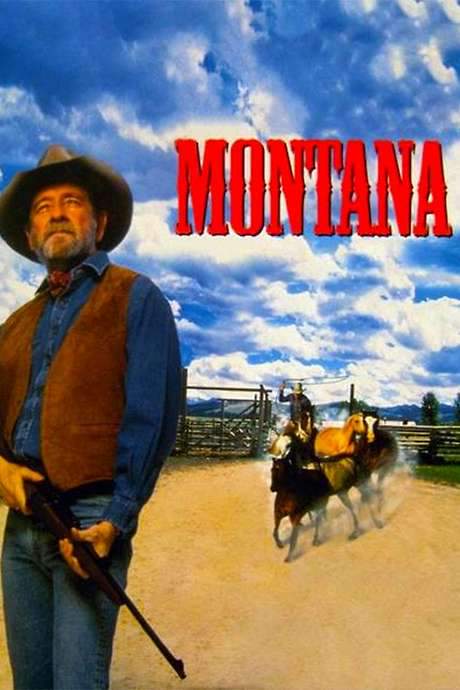
Montana
Year: 1990
Runtime: 100 mins
Language: English
Director: William A. Graham
Long‑time Montana ranchers Hoyce and Bess Guthrie confront a life‑changing decision when an oil company offers to buy their land. Hoyce views the offer as a chance for a fresh start, while Bess is determined to keep the family ranch intact for future generations, creating a tense struggle between progress and heritage.
Warning: spoilers below!
Haven’t seen Montana yet? This summary contains major spoilers. Bookmark the page, watch the movie, and come back for the full breakdown. If you're ready, scroll on and relive the story!
Timeline & Setting – Montana (1990)
Explore the full timeline and setting of Montana (1990). Follow every major event in chronological order and see how the environment shapes the story, characters, and dramatic tension.
Last updated: March 05, 2026 at 18:01
Main Characters – Montana (1990)
Meet the key characters of Montana (1990), with detailed profiles, motivations, and roles in the plot. Understand their emotional journeys and what they reveal about the film’s deeper themes.
Last updated: March 05, 2026 at 18:01
Major Themes – Montana (1990)
Explore the central themes of Montana (1990), from psychological, social, and emotional dimensions to philosophical messages. Understand what the film is really saying beneath the surface.
Last updated: March 05, 2026 at 18:01
Montana (1990) Character & Theme Questions Answered – Info FAQ
Browse frequently asked questions about Montana (1990) focused on characters, relationships, themes, symbols, setting, and story context. This movie info FAQ gives spoiler-aware explanations for character arcs, world details, and thematic interpretation so readers can better understand what the film is really about.
Where is the movie Montana set?
The film takes place on a remote cattle ranch in Montana, set against the state's wide-open landscapes. The Guthrie ranch sits at the center of a growing controversy as a coal company proposes a strip mine that could permanently alter the region.
When does the story take place?
Montana is set in the 1980s, during a period of significant economic shifts in rural America. The decade's mix of optimism and anxiety about energy development and corporate deals colors every choice the Guthrie family makes.
What is the Frontier vs Modernity theme in Montana?
The film contrasts the myth of the rugged frontier with the encroachment of industrial capital. The Guthries' traditional cattle ranching is tested by strip mining plans, forcing questions about what the land means beyond profit and how the frontier story holds up when landscapes are bought and transformed.
What does the Wealth and Power theme explore?
The theme examines how money and power drive the conflict, as the coal company offers financial relief at the cost of the town's identity. It highlights the uneasy balance between opportunity and sacrifice in a region dependent on land and labor, testing loyalties and long-standing bonds.
How does Montana handle the Community and Justice theme?
The film shows neighbors and kin becoming divided as development proposals spark debates about property, jobs, and environmental impact. It examines who gets to shape a place's future and whose voices are heard, suggesting true justice emerges from the community's ability to stand together rather than profit alone.
Who is Bess Guthrie in the film?
Bess Guthrie, played by Gena Rowlands, is the matriarch of the Guthrie family. She embodies resilience and stubborn pride in the ranching way of life. Facing mounting financial strain as pressure to sell grows, she questions how the land should be used for future generations and anchors the family as it grapples with change.
Who is Hoyce Guthrie and what are his motivations?
Hoyce Guthrie, played by Richard Crenna, is the patriarch who tries to balance tradition with practicality. He weighs the ranch's survival against the lure of a lucrative deal, navigating the moral and logistical challenges the family faces amidst corporate pressure. He represents a pragmatic strand of frontier spirit in a changing economy.
What role does Peg Guthrie play?
Peg Guthrie, played by Lea Thompson, serves as a voice of caution and care within the family. She worries about the community's cohesion and the long-term impact on land and legacy, acting as a mediator between generations. She embodies the tension between preserving heritage and embracing possible new opportunities.
Who is Willie Guthrie and what does he represent?
Willie Guthrie, played by Scott Coffey, represents the younger generation wrestling with loyalty to family and the desire for a future that may diverge from traditional ranch life. His perspective highlights how the conflict affects the next generation and illustrates the broader generation gap in rural communities facing economic change.
What does the Foreman character represent?
The Foreman, played by Dean Norris, is a tough, practical figure representing the industrial side of the conflict. He oversees operations and interactions with the community, embodying the pressures of modernization and corporate priorities. His presence heightens the tension between work interests and local life.
What is the main conflict in Montana?
The primary conflict is the tense division within the Guthrie family over whether to sell their ranch to a coal company. Hoyce views the offer as a chance for a fresh start, while Bess is determined to keep the family ranch intact for future generations. This creates a struggle between progress and heritage that defines the entire film.
What is the tone of Montana?
The film has a tense and contemplative tone rather than outright bleak or dark. While the subject matter of economic hardship and losing a way of life carries sadness, it explores a universal moral dilemma with steady pacing focused on dialogue and family dynamics. The overall vibe is a melancholic examination of a family under pressure from external forces.

Explore Movie Threads
Discover curated groups of movies connected by mood, themes, and story style. Browse collections built around emotion, atmosphere, and narrative focus to easily find films that match what you feel like watching right now.
Family Land and Legacy Conflict Movies like Montana
Stories where family bonds are tested by the fate of their ancestral land.Explore movies like Montana where families face tense internal divisions over land ownership and legacy. These grounded dramas explore traditional values clashing with economic pressure, offering similar contemplative, melancholic vibes.
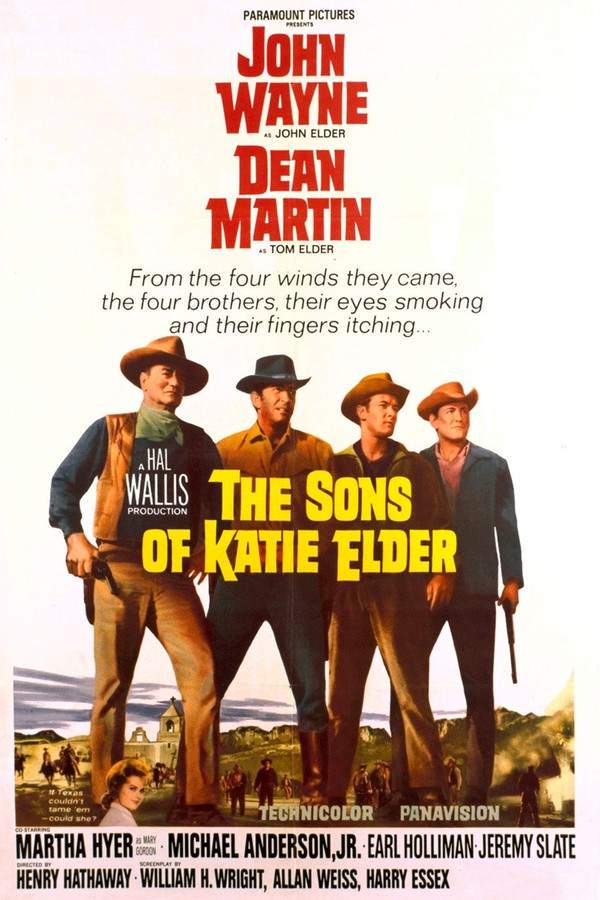
The Sons of Katie Elder
1965
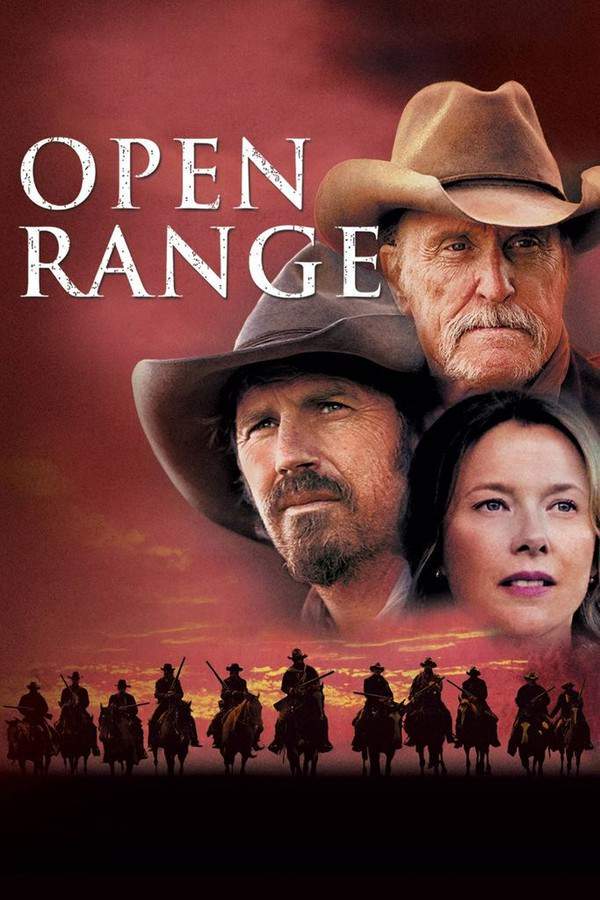
Open Range
2003
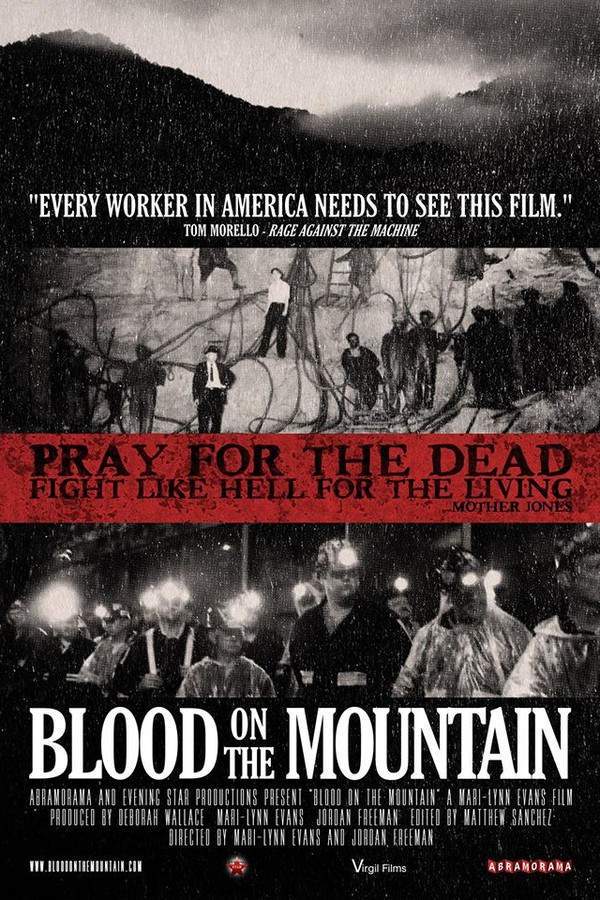
Blood on the Mountain
2016

The Long Ride Home
2003
Montana
1990

Crossfire Trail
2001

The Quick and the Dead
1987

Raton Pass
1951

The Wonderful Country
1959

Last Stand at Saber River
1997

The Light in the Forest
1958

Three Violent People
1956

The Tall Stranger
1957

Legion of the Lawless
1940

Return of the Frontiersman
1950
Narrative Summary
The narrative follows a family unit pushed to a breaking point by an external offer or threat to their land. This external pressure exposes deep-seated conflicts between generations or spouses, forcing characters to choose between financial security and emotional heritage. The journey is one of tense deliberation and moral weight.
Why These Movies?
These films are grouped together because they share a core focus on land as a symbol of legacy, family identity, and tradition. They feature a moderate, steady-paced narrative intensity driven by dialogue and relationship dynamics, rather than action, resulting in a grounded and melancholic viewing experience.
Grounded Rural Melancholy Movies like Montana
Quiet stories of change and loss set against the backdrop of the American landscape.Find movies like Montana that capture a sense of grounded melancholy set in rural America. If you liked the tense, contemplative vibe of a family facing industrial change on their land, you'll appreciate these similar slow-burn dramas.
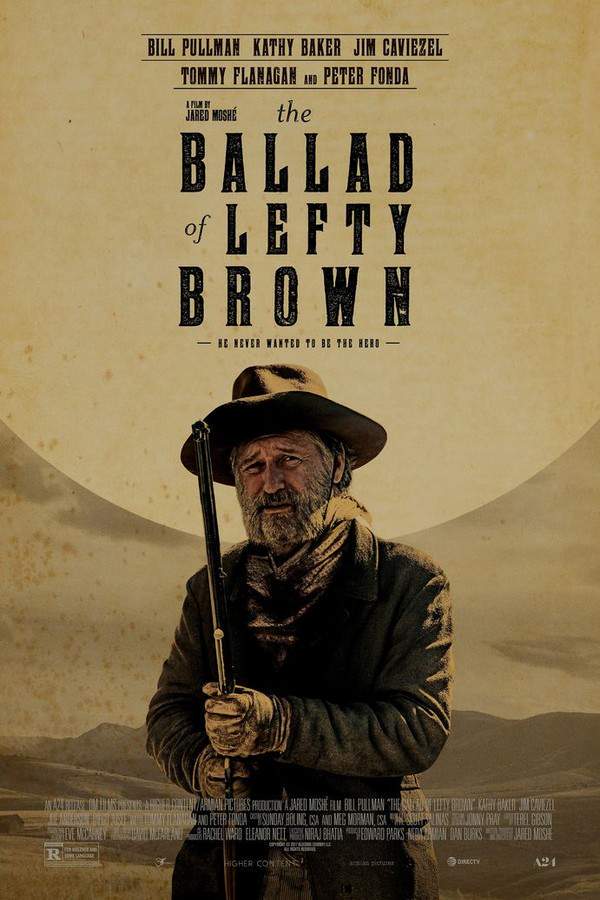
The Ballad of Lefty Brown
2017
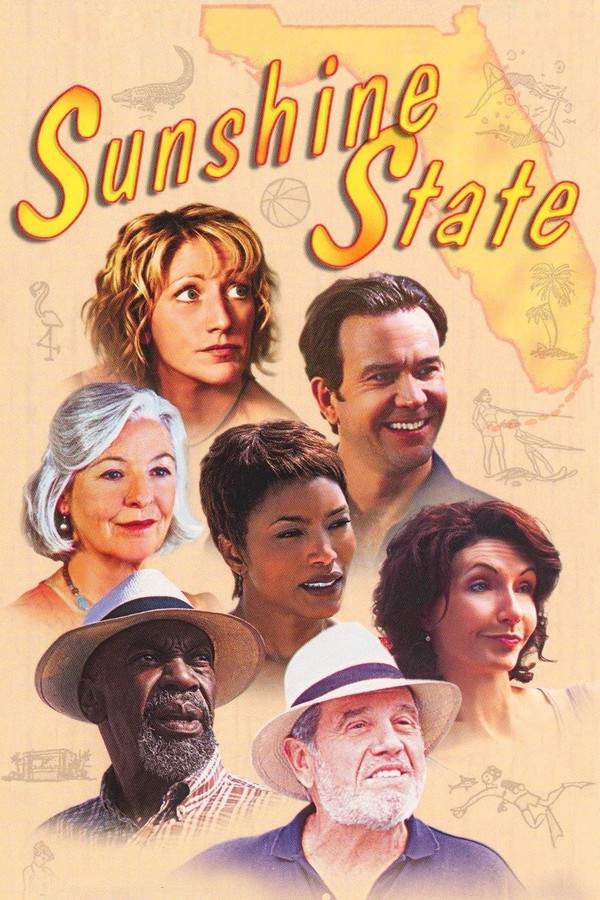
Sunshine State
2002
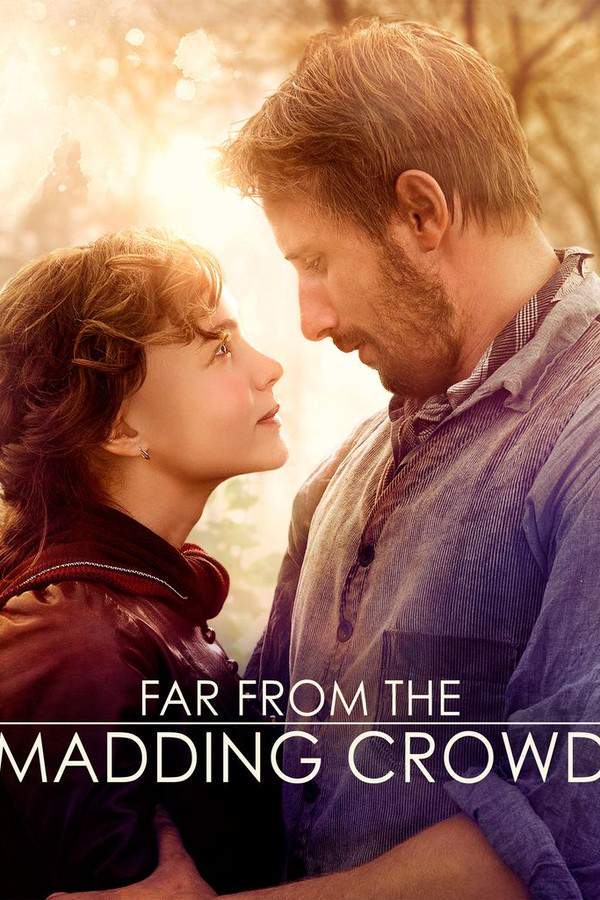
Far from the Madding Crowd
2015
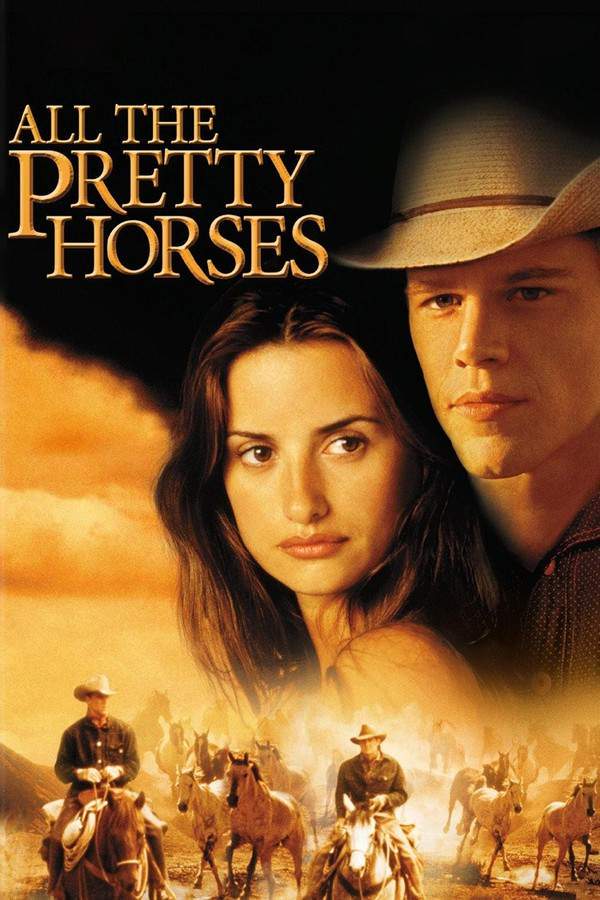
All the Pretty Horses
2000

River of Grass
1995
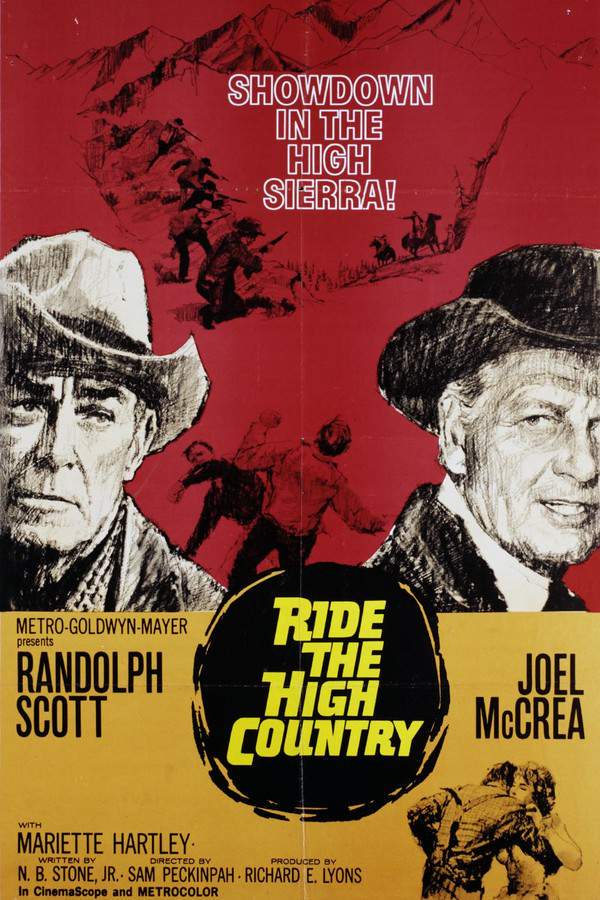
Ride the High Country
1962

From Noon Till Three
1976

The Ballad of a Gunfighter
1964

From the Terrace
1960

God’s Little Acre
1958

Bad for Each Other
1953

Saturday Night and Sunday Morning
1960

Bitter Harvest
1963

Mackintosh and T.J.
1975

The Great Meadow
1931
Narrative Summary
Stories unfold in a steady, deliberate pace, often centered on a protagonist or family facing an irreversible change to their environment or livelihood. The conflict is often internal and philosophical, pitting a longing for the past against the inevitability of the future. The expansive landscape contrasts with the characters' feelings of confinement and loss.
Why These Movies?
These films share a specific atmospheric blend: a melancholic and nostalgic mood, a grounded sense of place, and a tense or bittersweet tone. They are connected by their focus on the emotional impact of industrialization, economic shifts, and the fading of rural traditions, told with a medium emotional weight.
Unlock the Full Story of Montana
Don't stop at just watching - explore Montana in full detail. From the complete plot summary and scene-by-scene timeline to character breakdowns, thematic analysis, and a deep dive into the ending - every page helps you truly understand what Montana is all about. Plus, discover what's next after the movie.
Montana Summary
Read a complete plot summary of Montana, including all key story points, character arcs, and turning points. This in-depth recap is ideal for understanding the narrative structure or reviewing what happened in the movie.

Montana Timeline
Track the full timeline of Montana with every major event arranged chronologically. Perfect for decoding non-linear storytelling, flashbacks, or parallel narratives with a clear scene-by-scene breakdown.


