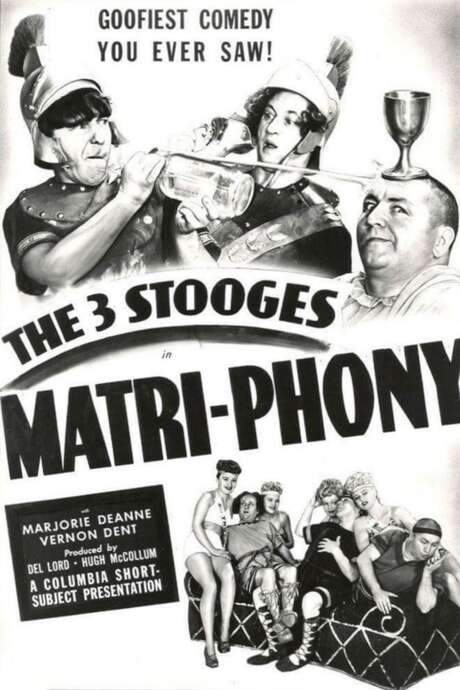
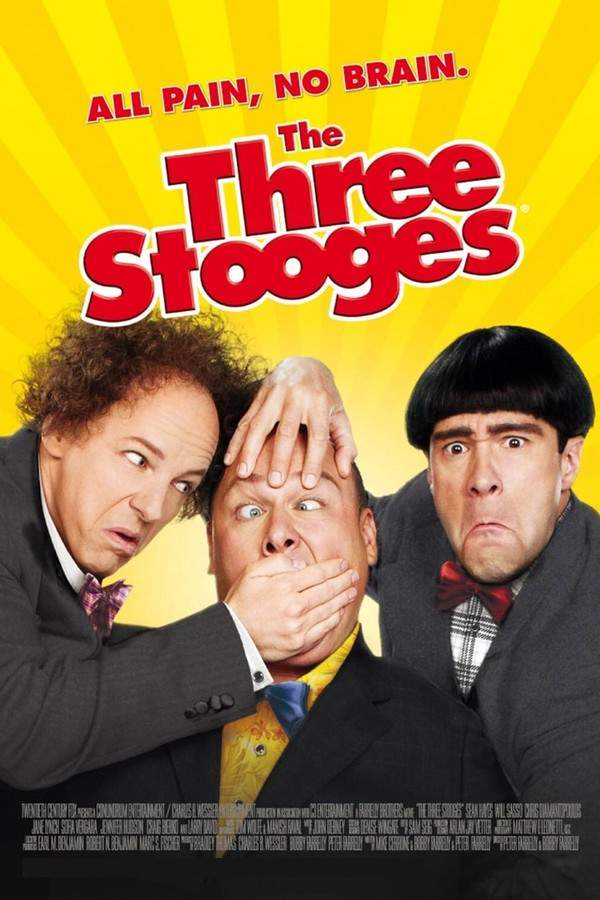
During the era of Ancient Erysipelas, the Stooges, Moe Howard as Mohicus, Larry Fine as Larrycus, and Curly Howard as Curleycue, preside over Ye Olde Pottery shop, a quaint little haven tucked along a bustling street. The shop serves as a warm, chaotic cradle for their misadventures, a place where clay, laughter, and a steady stream of curious customers mix with the trio’s trademark slapstick timing. The air is thick with the scent of glaze and the occasional gaffe, each moment punctuated by friendly bickering and a readiness to help anyone who wanders in, even when trouble finds its way through the door.
Into this lighthearted balance strides the formidable Emperor Octopus Grabus, Vernon Dent. Grabus is on a royal quest to secure a new consort, his eyes set on red-haired maidens as the perfect match for an emperor who craves beauty and spectacle. His arrival shakes the quiet rhythm of the pottery shop, turning a simple day into a stage for grand schemes and grander consequences. The emperor’s presence casts a shadow over the shop’s shelves, as if every chipped vase and every pot he passes might be part of a larger, silent decree.
Grabus quickly fixes his sights on Diana, Marjorie Deanne, a fair maiden who seeks refuge inside the Stooges’ sanctuary to dodge the emperor’s advances. Diana’s craving for safety becomes the spark that ignites a perilous domino effect: the walls of their modest shop feel suddenly thinner, the space between danger and rescue razor-close. The tension rises as the guards, swift and unrelenting, close in on the ruse. In a tense moment, the trio is seized and brought before Grabus, their fates suddenly up in the air and their beloved Diana hanging in the balance of royal whim.
Enraged by the deception, Grabus condemns the Stooges to execution within the Colosseum, a brutal arena where lions prowl and every roar seems to echo through the stones of a world that promises either glory or demise. The stakes soar as the trio confronts a grim end, their improvisational cunning tested against a backdrop of roaring crowds and perilous blades. The image of the arena—vast, ceremonial, and merciless—looms over the narrative, turning a lighthearted potter’s workshop into a crucible for courage and comic peril.
Yet the Stooges refuse to surrender. Moe, Larry, and Curly forge a daring plan to rescue Diana from an fate sealed by royal decree. Curly conjures a bold ruse, disguising himself as Grabus’ intended bride, a ploy that hinges on appearances and timing as much as it does on nerve. The ruse leverages Grabus’ distraction and the momentary confusion within the palace walls, giving the trio a chance to slip closer to freedom. The operation is a delicate dance of deception and bravado, a testament to their stubborn resilience and their uncanny ability to turn danger into comedy.
A crucial edge in their plan comes from Grabus’ visual impairment, which is intensified by the destruction of his spectacles. With the emperor momentarily blind to the world around him, the Stooges press their advantage, weaving through corridors and courtyards in a bid for escape. The chase is a cascade of near-misses, quick thinking, and physical gags that keep the tension taut while never losing the film’s cheerful energy. The moment underscores a playful inversion of power: the rulers and their guards are momentarily outmatched by three determined performers and their makeshift strategy.
The escape spirals toward a chaotic, laugh-filled climax as the Stooges finally slip away from the palace. Yet the tale doesn’t end with a simple retreat; it culminates in an outrageous, inverted suspension on the spears of the guards—an audacious finish that leaves the audience incredulous, amused, and strangely triumphant. In the end, the trio’s bold rescue succeeds, Diana’s safety is secured, and the shop’s ordinary life resumes, forever colored by a day when a pottery glaze, a royal misstep, and a clever ruse collided in a memorable, music-hued moment of theatrical folly.