Year: 1934
Runtime: 70 mins
Language: English
Director: Alan Crosland
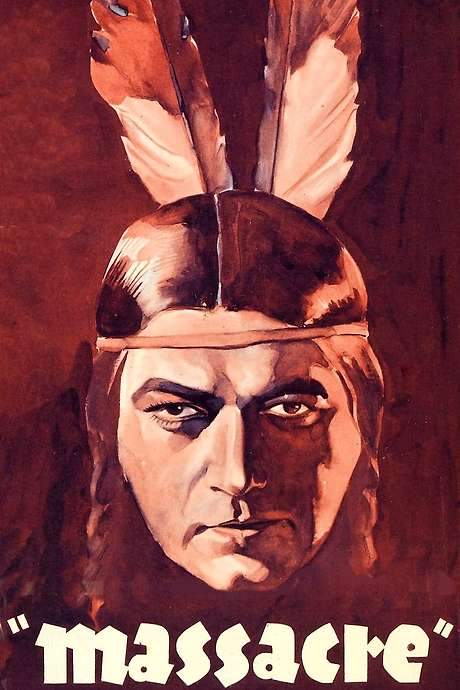
After his father, the tribal chief, dies, Joe Thunder Horse returns to his youth reservation only to discover his people are dying from disease and are being systematically stripped of their possessions and basic rights by corrupt Indian agents. Determined to right these wrongs, he journeys to Washington, confronting prejudice and hostility at every turn.
Get a spoiler-free look at Massacre (1934) with a clear plot overview that covers the setting, main characters, and story premise—without revealing key twists or the ending. Perfect for deciding if this film is your next watch.
In the dazzling world of a 1930s Chicago exposition, Joe Thunder Horse stars as the charismatic chief of a wild‑west show, his rugged skill and heritage presented as spectacle for a fascinated audience. Away from the reservation he once called home, his life is a blend of performance and uneasy partnerships, most notably with his affluent white companion Norma, whose social circles treat his identity as a curiosity rather than a culture. A loyal African‑American valet, Sam, offers a steady, if understated, counterpoint to the flamboyance that surrounds Joe onstage.
When word reaches him that his father, the tribal chief, is dying, Joe abandons the bright lights and returns to the Stone Eagle Reservation. The landscape he encounters is starkly different from the staged landscapes of the show: disease spreads among the people, and basic rights and possessions are being eroded under the watchful eyes of government officials whose policies have left the community vulnerable. The contrast forces Joe to confront a history he has long been apart from, and the weight of his lineage presses him toward a purpose that goes far beyond entertainment.
Compelled by a growing sense of responsibility, Joe sets his sights on Washington, D.C., intent on confronting the prejudice and systemic indifference that have defined his people’s relationship with the nation. The journey promises a clash of worlds—his personal grit against bureaucratic inertia, and the raw spirit of his culture against a capital that often reduces it to statistics. Along the way, allies such as the educated Lydia emerge, hinting at the possibility of bridging divide and forging a new path grounded in dignity and self‑determination.
The film’s tone balances the stark realism of a community under siege with moments of fierce optimism, rendering a portrait of a man torn between the glitter of show business and the solemn call of his ancestors. Its atmosphere is steeped in the stark beauty of the reservation, the oppressive corridors of power, and a lingering hope that perseverance might rewrite the story of a people long ignored.
Last Updated: December 05, 2025 at 10:16
Discover curated groups of movies connected by mood, themes, and story style. Browse collections built around emotion, atmosphere, and narrative focus to easily find films that match what you feel like watching right now.
Stories where a character's anger fuels a grim, determined fight against a corrupt system.If you were moved by the righteous fury in Massacre, explore other films where characters confront powerful, corrupt systems. These movies often share a dark tone, heavy emotional weight, and a steady pacing that builds tension as the protagonist battles against overwhelming injustice, leading to a complex and impactful resolution.
These narratives typically begin with a personal or communal tragedy that exposes a deep-seated systemic flaw. The protagonist, often an outsider or someone deeply affected, embarks on a mission to confront the corrupt power structure. The journey is fraught with hostility and setbacks, building to a climax that may involve direct confrontation or a difficult appeal to a higher authority, with the ending acknowledging that systemic change is slow and costly.
Movies are grouped here because they share a core narrative of challenging a powerful, unjust system. They create a cohesive experience through their dark tone, heavy emotional weight driven by themes of oppression, and a protagonist defined by their righteous anger and determination in the face of overwhelming odds.
Character-driven Westerns where a steady pace builds towards tense, morally complex conflicts.For viewers who appreciated the dark, dramatic tension of Massacre, this collection features other Westerns with a steady pacing and heavy themes. These films focus on character journeys through grim settings, dealing with injustice and moral conflicts, resulting in a tense and emotionally resonant experience rather than a simple action adventure.
The narrative pattern involves a protagonist returning to or confronting a familiar place plagued by conflict. The story unfolds methodically, introducing a series of injustices or threats that create a sense of oppressive tension. The focus is on the character's internal and external struggles, leading to a climax that is often violent and cathartic but leaves lasting emotional scars, reflecting the complexity of the themes.
These films are grouped by their shared vibe: a dark, dramatic tone within the Western genre, a steady pacing that builds palpable tension, and a focus on heavy themes like grief and injustice. They offer a more sober and intense take on the Western, distinguished by their emotional weight and moral seriousness.
Don't stop at just watching — explore Massacre in full detail. From the complete plot summary and scene-by-scene timeline to character breakdowns, thematic analysis, and a deep dive into the ending — every page helps you truly understand what Massacre is all about. Plus, discover what's next after the movie.
Read a complete plot summary of Massacre, including all key story points, character arcs, and turning points. This in-depth recap is ideal for understanding the narrative structure or reviewing what happened in the movie.
Track the full timeline of Massacre with every major event arranged chronologically. Perfect for decoding non-linear storytelling, flashbacks, or parallel narratives with a clear scene-by-scene breakdown.
Discover the characters, locations, and core themes that shape Massacre. Get insights into symbolic elements, setting significance, and deeper narrative meaning — ideal for thematic analysis and movie breakdowns.
Visit What's After the Movie to explore more about Massacre: box office results, cast and crew info, production details, post-credit scenes, and external links — all in one place for movie fans and researchers.
Discover movies like Massacre that share similar genres, themes, and storytelling elements. Whether you’re drawn to the atmosphere, character arcs, or plot structure, these curated recommendations will help you explore more films you’ll love.
Massacre (1934) Scene-by-Scene Movie Timeline
Massacre (1934) Movie Characters, Themes & Settings
Massacre (1934) Spoiler-Free Summary & Key Flow
Movies Like Massacre – Similar Titles You’ll Enjoy
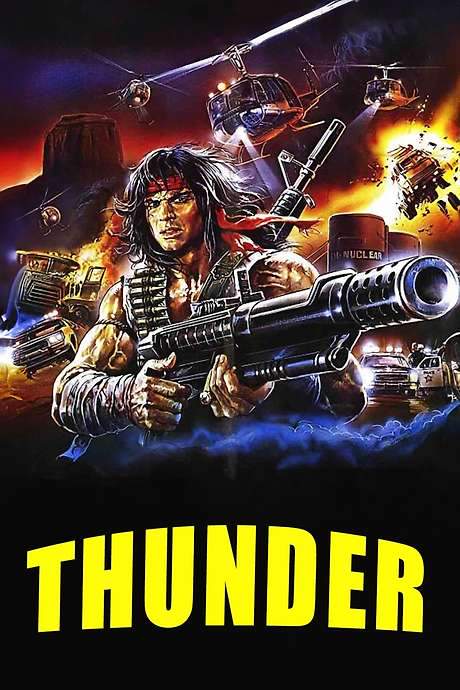
Thunder (1983) Full Movie Breakdown
Massacre (1989) Full Movie Breakdown
Massacre Canyon (1954) Detailed Story Recap
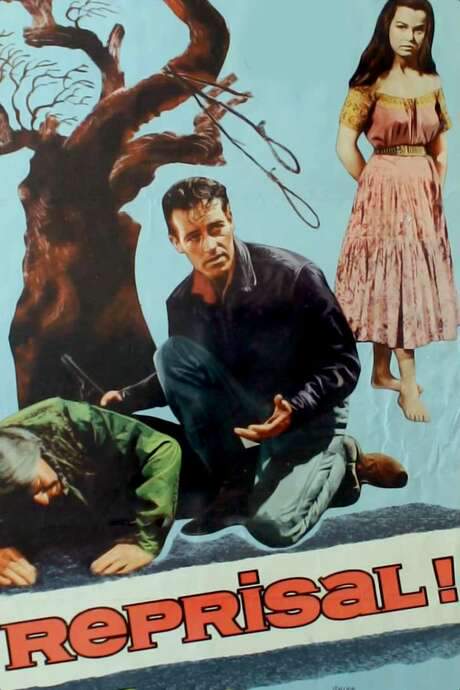
Reprisal! (1956) Full Summary & Key Details
$10,000 for a Massacre (1967) Full Summary & Key Details
Massacre At Grand Canyon (1964) Film Overview & Timeline
Fort Massacre (1958) Film Overview & Timeline
General Massacre (1973) Full Movie Breakdown
The Great Sioux Massacre (1965) Full Movie Breakdown
Ride Out for Revenge (1957) Full Summary & Key Details
Massacre River (1949) Spoiler-Packed Plot Recap
Red Tomahawk (1967) Ending Explained & Film Insights
Massacre Time (1966) Movie Recap & Themes
The Long Day of the Massacre (1968) Detailed Story Recap
Massacre (1956) Spoiler-Packed Plot Recap