
Marie and Bruce
Year: 2004
Runtime: 90 mins
Language: English
Director: Tom Cairns
A surreal, day‑in‑the‑life portrait of a couple locked in a sadomasochistic dynamic. When Marie tries to end the relationship with Bruce, their exchange erupts into a relentless stream of profanity‑laden barbs and sharply witty reflections on their marriage, love, hate and the very notion of commitment.
Where to Watch Marie and Bruce?
Find where to stream, rent, or buy Marie and Bruce (2004) in the US with current JustWatch availability, up-to-date pricing, and platform listings for subscription, rental, and digital purchase options.








Warning: spoilers below!
Haven’t seen Marie and Bruce yet? This summary contains major spoilers. Bookmark the page, watch the movie, and come back for the full breakdown. If you're ready, scroll on and relive the story!
Timeline & Setting – Marie and Bruce (2004)
Explore the full timeline and setting of Marie and Bruce (2004). Follow every major event in chronological order and see how the environment shapes the story, characters, and dramatic tension.
Last updated: October 03, 2025 at 14:16
Main Characters – Marie and Bruce (2004)
Meet the key characters of Marie and Bruce (2004), with detailed profiles, motivations, and roles in the plot. Understand their emotional journeys and what they reveal about the film’s deeper themes.
Last updated: October 03, 2025 at 14:16
Major Themes – Marie and Bruce (2004)
Explore the central themes of Marie and Bruce (2004), from psychological, social, and emotional dimensions to philosophical messages. Understand what the film is really saying beneath the surface.
Last updated: October 03, 2025 at 14:16
Marie and Bruce (2004) Character & Theme Questions Answered – Info FAQ
Browse frequently asked questions about Marie and Bruce (2004) focused on characters, relationships, themes, symbols, setting, and story context. This movie info FAQ gives spoiler-aware explanations for character arcs, world details, and thematic interpretation so readers can better understand what the film is really about.
Where is the movie set?
The film takes place in New York City, using sleek high-rises, a restaurant, and an unusual sunlit field accessed via a guiding dog as its primary locations. The urban environment serves as both a literal backdrop and a metaphor for the couple's isolated emotional state within a populous city.
What time period does the film take place in?
The movie is set in the late 1990s, specifically within a contemporary urban milieu. Everyday scenes like lunch with a friend and a dinner party anchor the story in late-20th-century city life, where modern social norms shape how romance and jealousy are performed.
What does the film say about performance in relationships?
The film explores how love can feel like a performed act, with Marie's fourth-wall breaks and the couple's public/private paradox showing that sincerity is often masked by social expectations. The narrative examines how people curate themselves for others rather than being fully truthful.
How does jealousy drive the story?
Jealousy emerges from Bruce's attentions to others and Marie's sense of being eclipsed by his charm. The tension between longing and fidelity creates the emotional core of the story, as insecurity and desire collide within their fragile marriage.
How does the film portray communication in relationships?
The film illustrates how words fail to bridge the distance between partners. Dialogue alternates between biting narration and muted silences, while fourth-wall moments reveal how perception can differ from reality. Confession, miscommunication, and performative talk shape the relationship's trajectory.
Why does the film use surreal dream sequences?
Dreamlike sequences and shifts between reality and whimsy create a sense of fluid identity and perception. These surreal moments echo the characters' inner turmoil and longing, blending domestic critique with surreal imagery to question what is real in love versus what is imagined.
Who is Marie and what defines her?
Marie is a sharp, emotionally volatile wife portrayed by Julianne Moore. She uses narration that breaks the fourth wall to expose the comfortable surface of her marriage. Her jealousy and longing for sincerity drive the story toward a revealing dinner confrontation, using fearsome wit and confrontational voice as her primary tools.
Who is Bruce and what defines him?
Bruce is a writer portrayed by Matthew Broderick whose calm, affectionate surface masks emotional distance. He responds with hollow terms of endearment and drifts into flirtatious banter, revealing a capacity for self-absorption that sets off Marie's anger and propels the couple toward their dramatic turning point.
What is the nature of Marie and Bruce's relationship?
Their relationship is a sadomasochistic dynamic where Marie attempts to end the relationship but their exchange erupts into relentless profanity-laden barbs. The couple oscillates between love and hate while examining commitment, with the power dynamic constantly shifting between them.
What is the tone and style of the film?
The film balances high emotional stakes within a toxic relationship against slow, contemplative pacing and surreal asides. The dominant tone is tense due to constant hostility, Marie's venomous narration, and the skewed power dynamic. However, the stylized, often absurdist lens creates enough distance to prevent it from becoming overwhelming.
Is there resolution to their conflict?
The ending remains ambiguous, with a small gesture from Bruce shifting the dynamic toward an uncertain future. The resolution is deliberately open-ended, leaving whether the couple has found genuine connection or simply continued their toxic pattern open to interpretation.

Explore Movie Threads
Discover curated groups of movies connected by mood, themes, and story style. Browse collections built around emotion, atmosphere, and narrative focus to easily find films that match what you feel like watching right now.
Movies about toxic relationships like Marie and Bruce
Intimate stories of couples trapped in psychologically complex and destructive dynamics.If you enjoyed the raw and claustrophobic portrayal of a dysfunctional marriage in Marie and Bruce, explore these other movies about toxic relationships. Discover similar stories of domestic strife, psychological power games, and couples trapped in a cycle of love and hate.

The Cobweb
1955
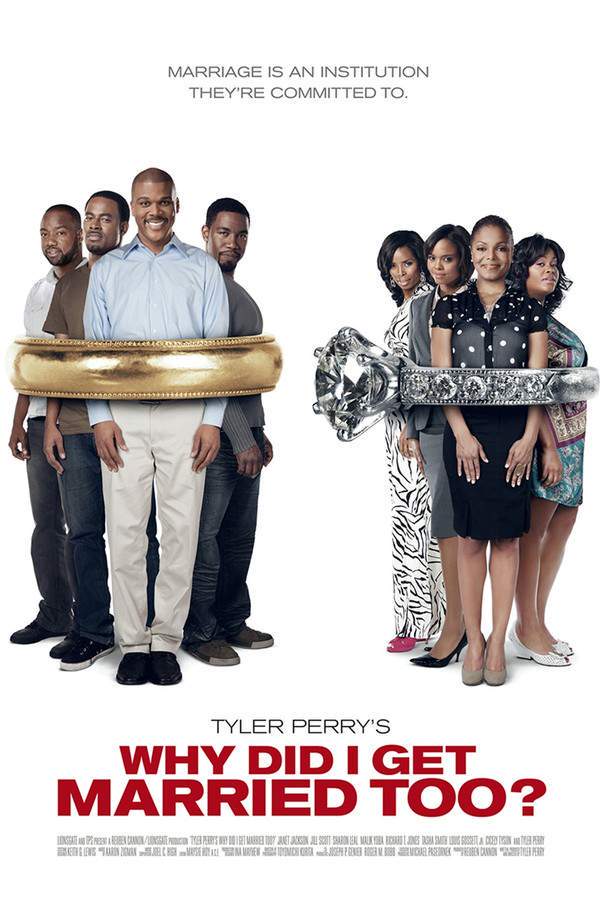
Why Did I Get Married Too?
2010
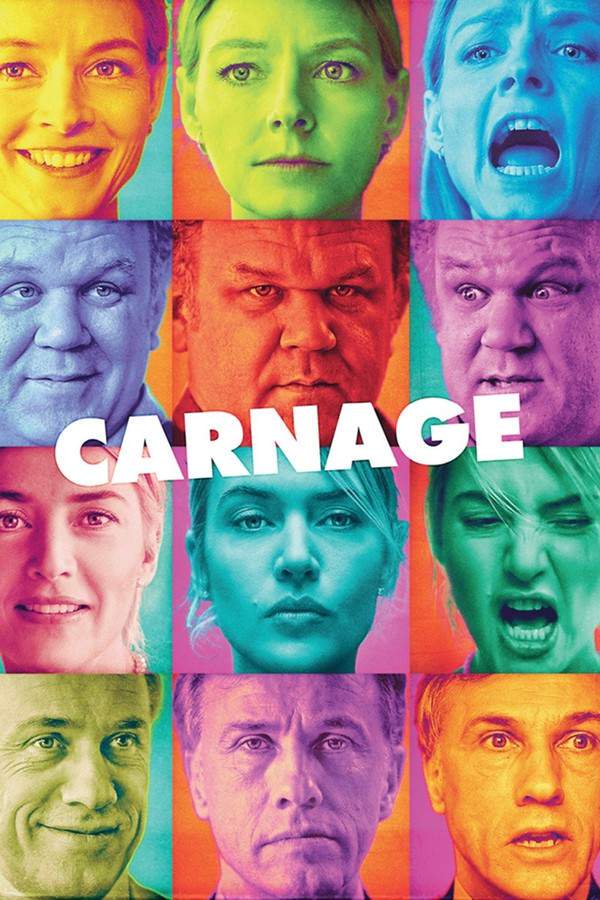
Carnage
2011
Marie and Bruce
2004

Losing Ground
1982
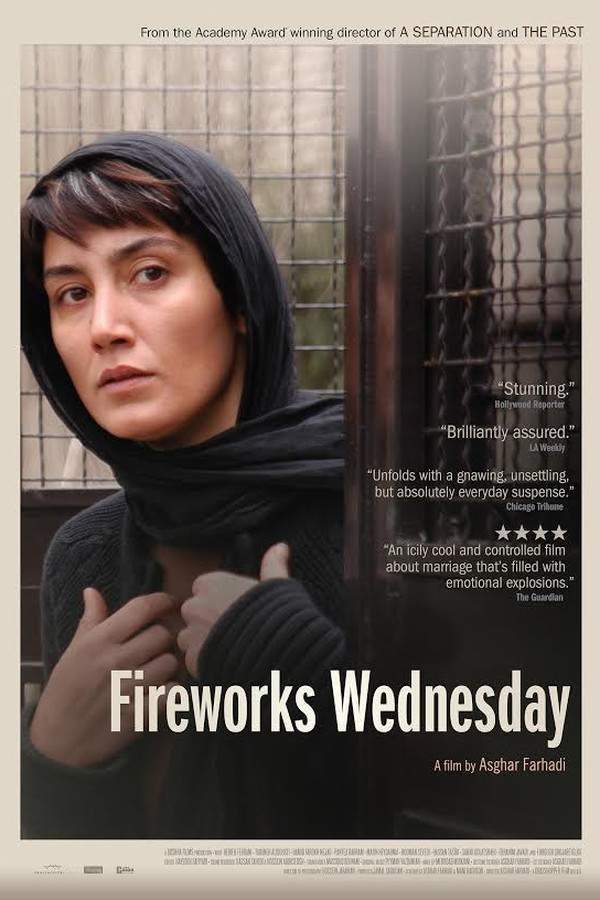
Fireworks Wednesday (2006)
2016

Show
2002

A Noisy Day
1961
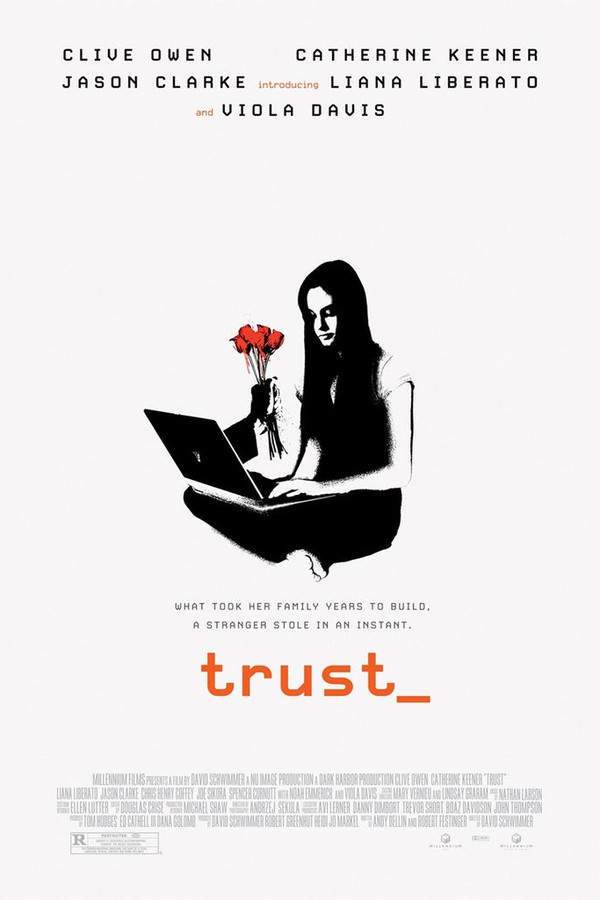
Trust
2021

Gang of Four
1989
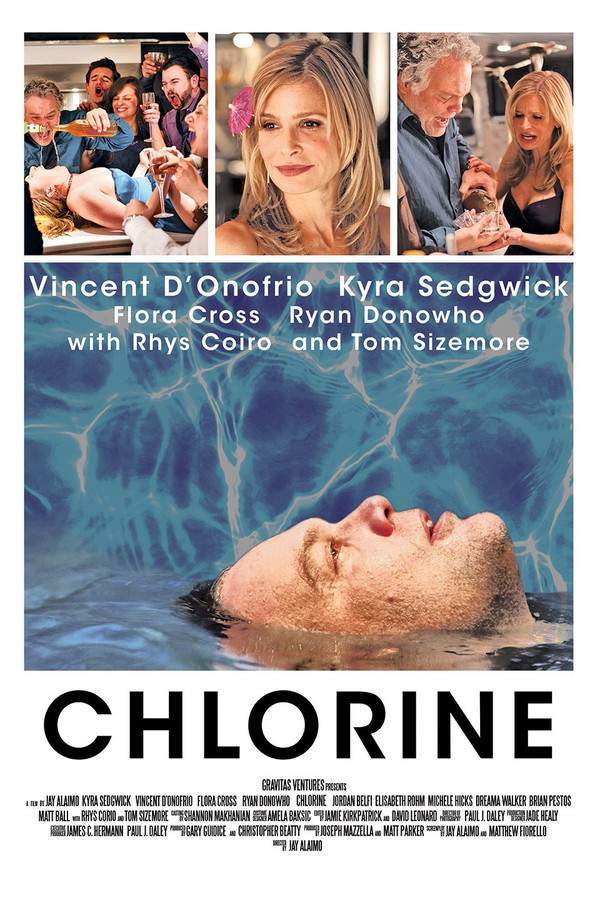
Chlorine
2014

My Name Is Julia Ross
1945
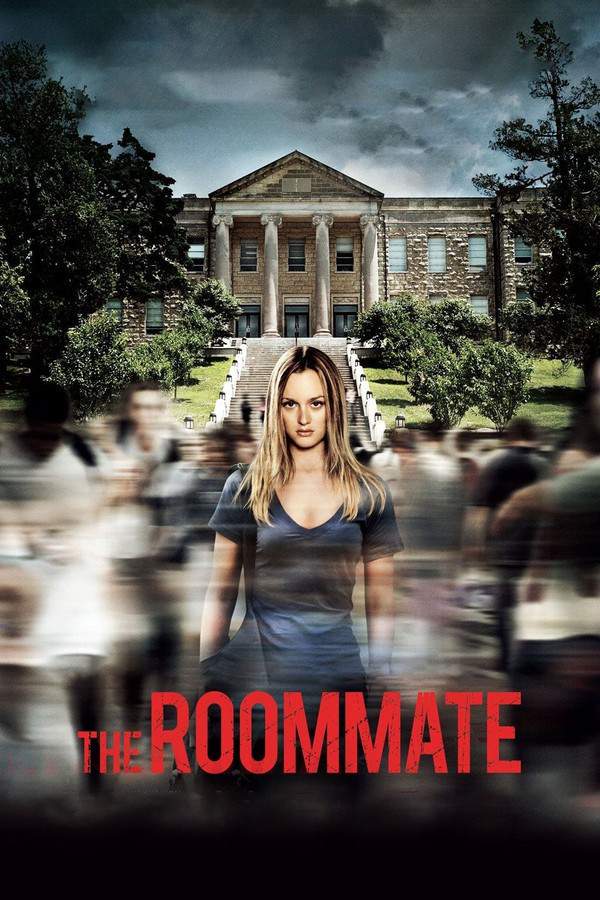
The Roommate
2011
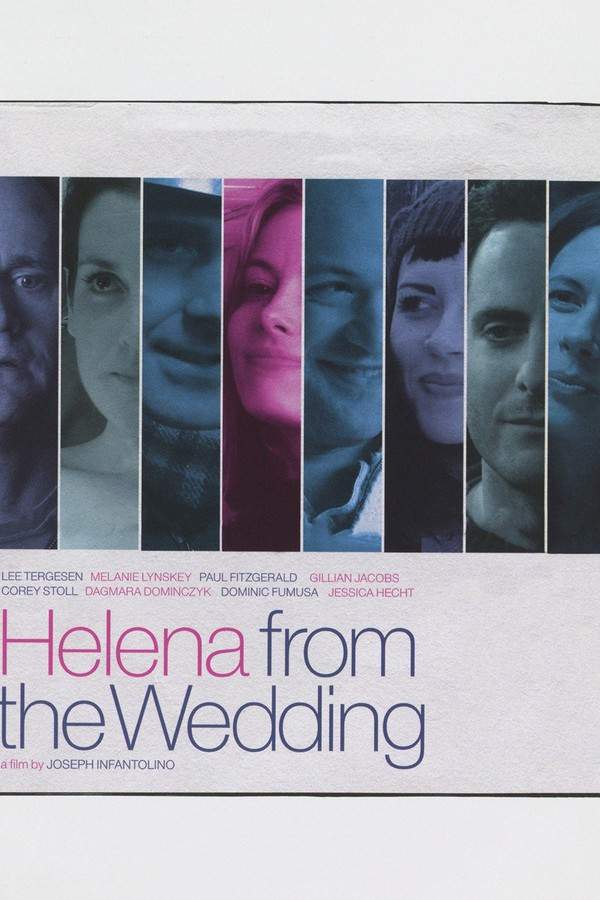
Helena from the Wedding
2010
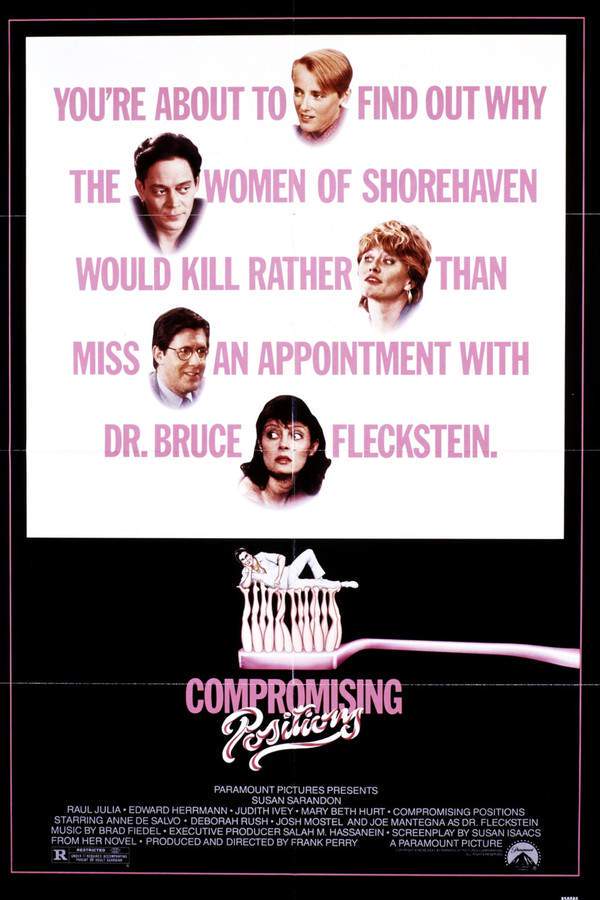
Compromising Positions
1985
Narrative Summary
Stories in this thread often unfold over a short, intense period, focusing on the micro-aggressions and major conflicts within a single relationship. The narrative is typically character-driven, exploring the emotional and psychological ties that bind people together even in dysfunction, often leading to ambiguous or bittersweet resolutions.
Why These Movies?
Movies are grouped here for their shared focus on the intense, often uncomfortable dynamics between partners. They share a mood of psychological unease, a tone that is tense and revealing, and a commitment to exploring the complexities of love, dependency, and resentment.
Surreal domestic dramas like Marie and Bruce
Everyday life is filtered through a dreamlike, absurd, and emotionally raw lens.For viewers who liked the dreamlike diversions and absurdist humor mixed with domestic strife in Marie and Bruce, this list features similar surreal dramas. Find movies where everyday life is interrupted by surrealism, exploring themes of alienation and psychological unrest in a stylized way.

The Happy Ending
1969

Family Romance, LLC
2019

Flights in Dreams and in Reality
1982
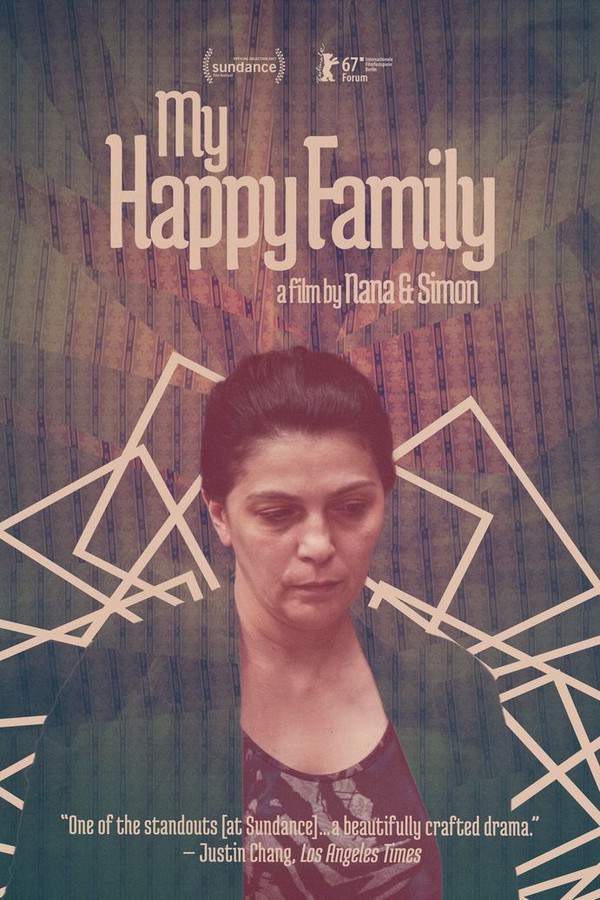
My Happy Family
2017

My Michael
1974
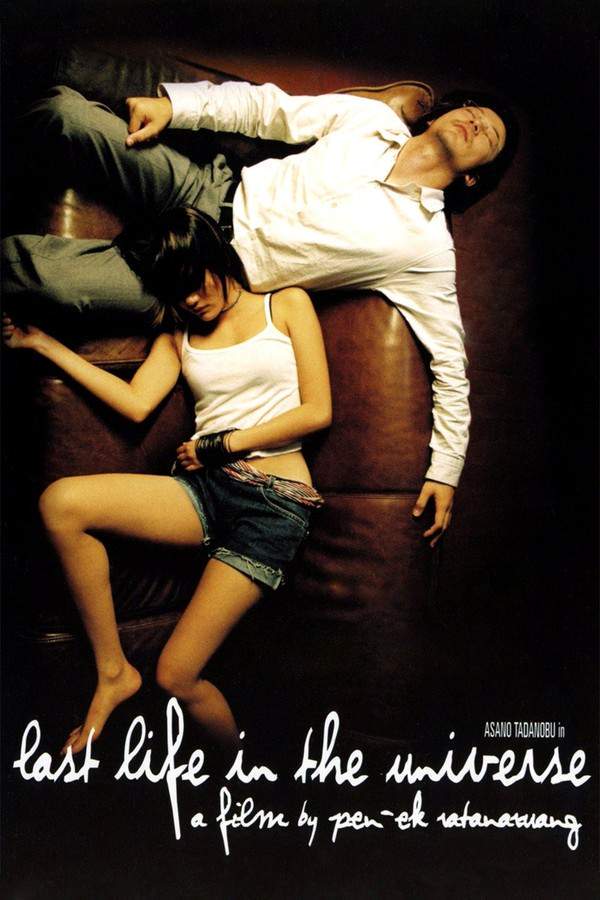
Last Life in the Universe
2004
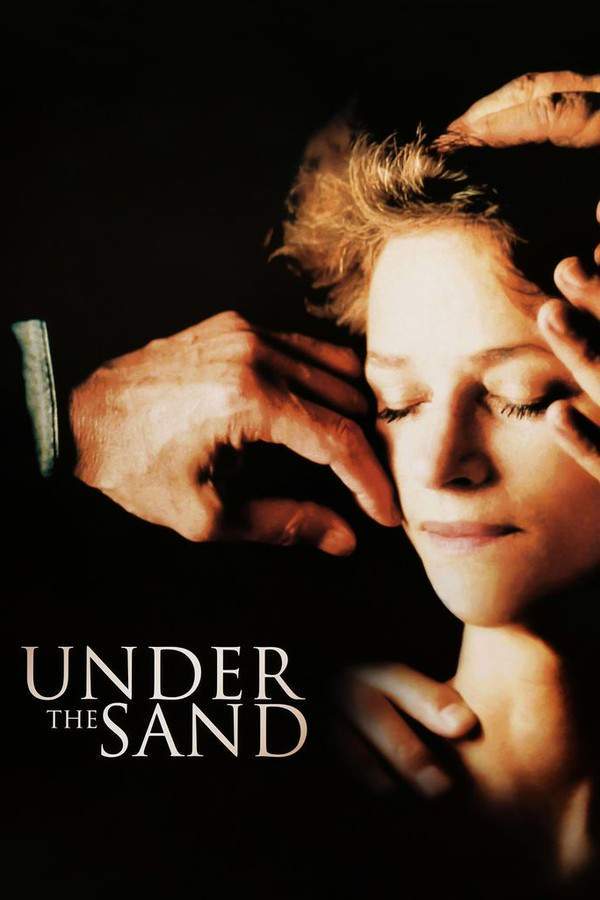
Under the Sand
2001

10:30 P.M. Summer
1966
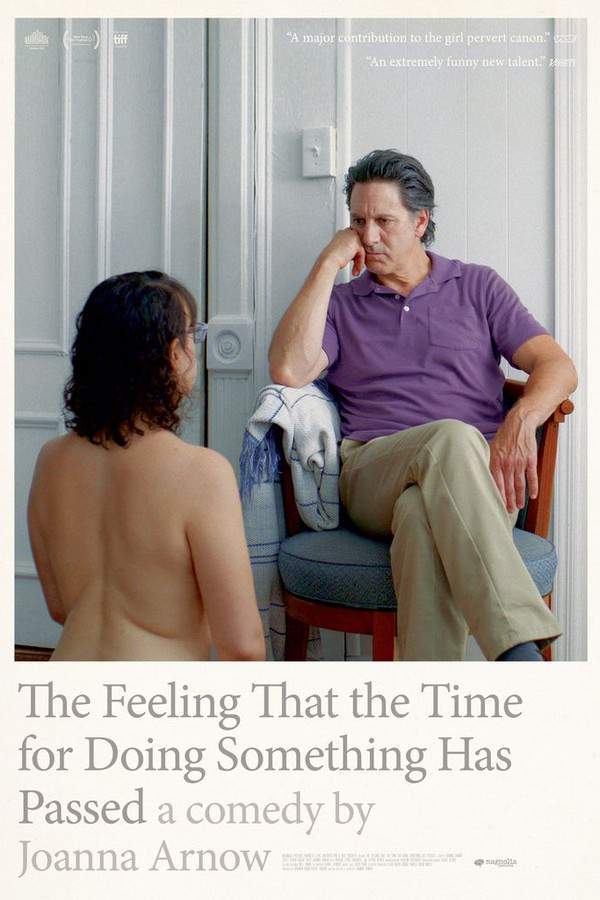
The Feeling That the Time for Doing Something Has Passed
2024

Ploy
2007
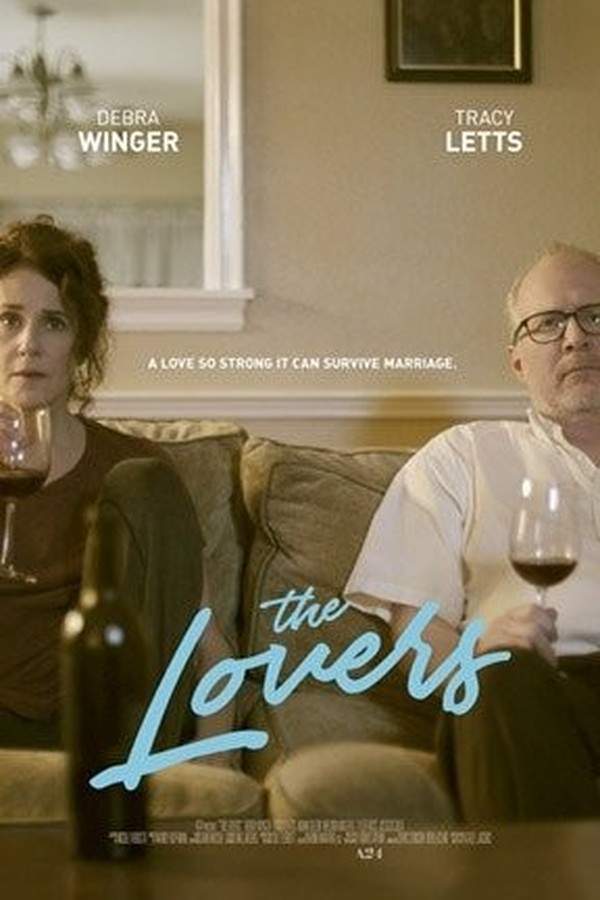
The Lovers
2017
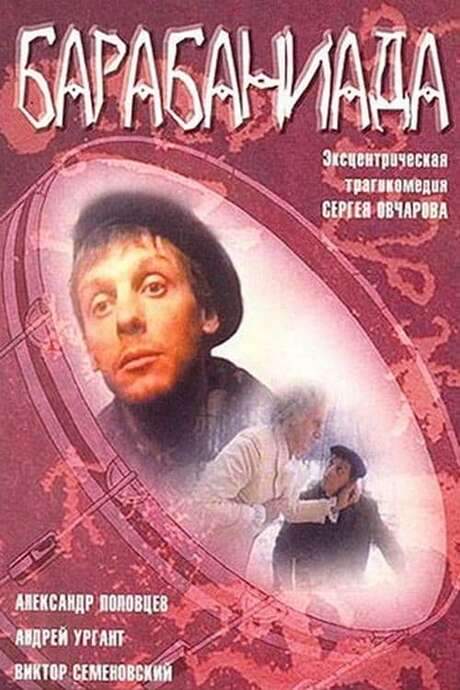
Drumroll
1993

Forty Shades of Blue
2005
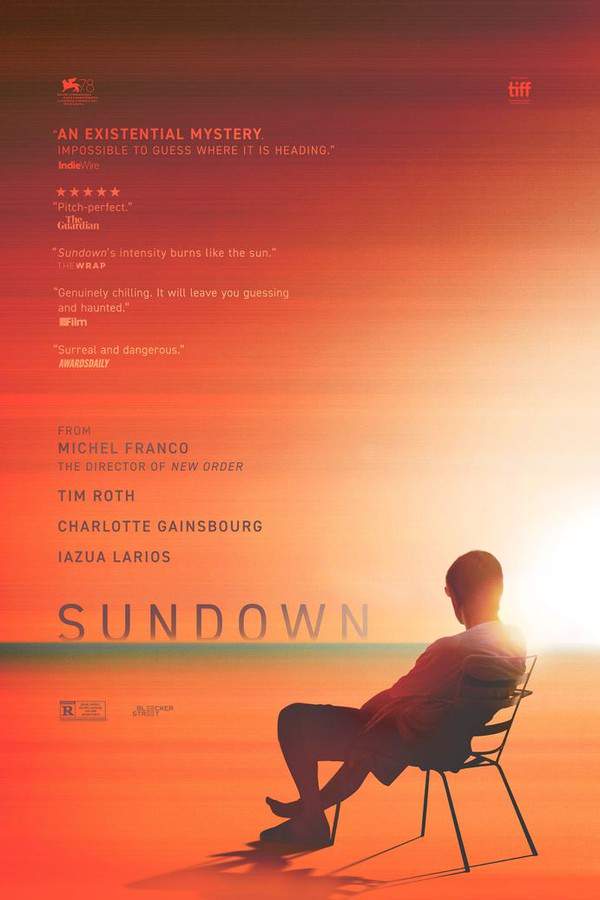
Sundown
2022

Landscape in the Mist
1988
Narrative Summary
The narrative pattern often involves a 'day-in-the-life' structure that is disrupted by flashbacks, fantasies, or fourth-wall breaks. The plot is secondary to the atmosphere and the characters' internal states, using surrealism to externalize emotions like resentment, ennui, or alienation, frequently culminating in an ambiguous ending.
Why These Movies?
These films are connected by their unique blend of tone, mixing melancholic realism with absurdist or surreal flourishes. They share a slow, contemplative pacing that allows for atmospheric immersion and a moderate complexity that challenges viewers to interpret the line between reality and perception.
Unlock the Full Story of Marie and Bruce
Don't stop at just watching - explore Marie and Bruce in full detail. From the complete plot summary and scene-by-scene timeline to character breakdowns, thematic analysis, and a deep dive into the ending - every page helps you truly understand what Marie and Bruce is all about. Plus, discover what's next after the movie.
Marie and Bruce Summary
Read a complete plot summary of Marie and Bruce, including all key story points, character arcs, and turning points. This in-depth recap is ideal for understanding the narrative structure or reviewing what happened in the movie.

Marie and Bruce Timeline
Track the full timeline of Marie and Bruce with every major event arranged chronologically. Perfect for decoding non-linear storytelling, flashbacks, or parallel narratives with a clear scene-by-scene breakdown.


