
Marie and Bruce
Year: 2004
Runtime: 90 mins
Language: English
Director: Tom Cairns
A surreal, day‑in‑the‑life portrait of a couple locked in a sadomasochistic dynamic. When Marie tries to end the relationship with Bruce, their exchange erupts into a relentless stream of profanity‑laden barbs and sharply witty reflections on their marriage, love, hate and the very notion of commitment.
Where to Watch Marie and Bruce?
Find where to stream, rent, or buy Marie and Bruce (2004) in the US with current JustWatch availability, up-to-date pricing, and platform listings for subscription, rental, and digital purchase options.

Warning: spoilers below!
Haven’t seen Marie and Bruce yet? This summary contains major spoilers. Bookmark the page, watch the movie, and come back for the full breakdown. If you're ready, scroll on and relive the story!
Marie and Bruce (2004) – Full Plot Summary & Ending Explained
Read the complete plot breakdown of Marie and Bruce (2004), including all key story events, major twists, and the ending explained in detail. Discover what really happened, and what it all means.
The story opens with a typewriter gliding from a high-rise window, crashing onto the sidewalk, and being scooped up by a waiting garbage truck. Marie explains that this odd incident traces back to last night, when she lost her temper because of the relentless clatter of her writer husband Bruce's machine.
Throughout the film, Marie regularly breaks the fourth wall, addressing the audience in sharp, venomous narration, while he responds with hollow terms of endearment, creating a tense, skewed rhythm between them. A flashback reveals that yesterday she had decided to leave him after he cried in her arms.
Bruce heads out for a lunch date with a male friend, and their banter drifts into strangely flirtatious territory, as if they are sharing profound insights about mundane topics, only to part with a stiff, uneasy goodbye.
Marie is drawn into the day by a Golden Retriever who seems to guide her through a door into a sunlit grassy field. She falls asleep, and the landscape morphs into waves of the ocean that slowly swallow the scene before the dog’s soothing lick wakes her, nudging her toward the party.
At the gathering, the host greets her but largely overlooks her presence. Bruce flits among the guests, keeping her at a distance and fueling her jealousy as he spends little time focusing on her. When she tries to rest, she drifts in and out of dreams that replay the same dull conversations in a loop.
In one dream, Bruce speaks of fantasizing about a young woman; rather than acting on the impulse, he rents a room and watches a woman across the way undress, an image that lingers with troubling ambivalence.
The dinner that caps the story unfolds in a restaurant where Marie finally voices her seething contempt for him, but the outburst seems to wash over him with limited effect. The couple talks about their future together, and Bruce surprises her by presenting a gift he bought for the house, a small gesture that shifts the dynamic and marks a turning point in their relationship.
Across scenes that tilt between surreal whimsy and sharp domestic critique, the film uses silence, confession, and mockery to map the fragility of love when performance begins to eclipse sincerity.
Last updated: October 09, 2025 at 16:48
Marie and Bruce (2004) Plot Questions Answered – Summary FAQ
Explore frequently asked questions about Marie and Bruce (2004) with spoiler-rich answers covering the full plot summary, major story beats, character motivations, hidden details, and ending meaning. This movie summary FAQ helps explain confusing scenes, plot twists, and narrative decisions in clear, searchable detail.
Why does Marie decide to leave Bruce?
Marie decides to leave Bruce after finding him crying in her arms yesterday. This moment reveals the emotional vulnerability she cannot tolerate in their relationship - his tears expose a weakness that clashes with the performative nature of their marriage. The flashback shows this decision as the catalyst for the present day's events.
The typewriter incident at the beginning stems from Marie's anger over Bruce's relentless writing, connecting to her earlier decision to leave.
Why does Marie throw the typewriter out the window?
Marie throws Bruce's typewriter out the window because she loses her temper over the relentless clatter of his writing machine. This violent act of destruction sets the surreal tone for the film and symbolizes her attempt to silence his work - and by extension, his presence - in their relationship.
The opening typewriter scene establishes the toxic dynamic that will play out throughout the day.
What does the Golden Retriever in Marie's dream represent?
The Golden Retriever appears to guide Marie through a door into a sunlit field, representing an unconscious desire for escape or guidance toward emotional clarity. The field then morphs into ocean waves that swallow the scene, suggesting her feeling of being overwhelmed by the relationship before the dog's soothing lick wakes her.
The dog leads her toward the party, hinting at her forced re-entry into the social world she wants to avoid.
Why does Bruce's lunch date feel strange and flirtatious?
Bruce's lunch with a male friend carries unexpected flirtatious undertones, with their banter drifting into deep observations about mundane topics before ending with an uneasy, stiff goodbye. This scene highlights the performative nature of all Bruce's relationships - even his friendships feel hollow and emotionally evasive.
This pattern of emotional distance continues at the party where Bruce keeps Marie at arm's length.
What does Bruce's dream about watching a woman undress mean?
In Bruce's dream, he fantasizes about a young woman but instead of acting on it, he rents a room to watch a woman across the way undress. This reveals his pattern of emotional vicariousness - he desires connection but only observes from a safe distance, never fully engaging. The dream exposes his inner contradictions and Marie's fear of infidelity.
This dream sequence reflects Bruce's emotional unavailability throughout the film.
Why does Marie constantly address the audience?
Marie breaks the fourth wall to deliver sharp, venomous narration directly to the audience, creating a skewed rhythm between her and Bruce. This technique exposes her internal state and transforms the film into a psychological dissection of their relationship. Her narration contrasts sharply with Bruce's hollow terms of endearment.
Her fourth-wall addresses establish the critical, detached tone that permeates the entire film.
Why does Bruce giving a gift change the relationship?
After Marie's dinner outburst, Bruce surprises her with a small gift he bought for the house. This gesture shifts their dynamic because it represents an authentic attempt at connection rather than performance. The gift arrives after they've confronted their issues, suggesting a fragile possibility of reconciliation rather than a resolution.
This turning point occurs only after Marie's seething contempt is fully voiced.
Why does Marie's dinner outburst seem to wash over Bruce?
When Marie finally voices her seething contempt at dinner, Bruce appears largely unaffected, as if her anger passes over him without penetration. This highlights the fundamental disconnect between them - she feels deeply while he remains emotionally guarded. His limited reaction suggests either emotional numbness or a defense mechanism against her volatility.
This pattern of emotional disconnect began when Marie found Bruce crying and decided to leave.
Is there reconciliation between Marie and Bruce at the end?
The ending remains ambiguous - Bruce's gift creates a fragile shift in their dynamic toward an uncertain future, but it does not guarantee reconciliation. The film suggests performance has eclipsed sincerity in their relationship, leaving the possibility of change open but unresolved. Their future together remains genuinely unclear.
The gift's timing after confrontation suggests this could be either genuine change or another performance.
What do the repetitive conversations in Marie's dreams represent?
When Marie drifts into dreams at the party, she experiences the same dull conversations looping repeatedly. These repetitive dreams underscore the mechanical, performative nature of their relationship - dialogue that goes nowhere, echoing the emptiness she perceives in their marriage. The blur between dream and reality reinforces that their love has become scripted rather than authentic.
This mechanical repetition reflects the hollow terms of endearment Bruce uses throughout the film.
Why is Bruce crying in Marie's arms significant?
Bruce crying in Marie's arms is the pivotal moment that triggers Marie's decision to leave him. His vulnerability - showing genuine emotion - destabilizes the performative structure of their marriage. Marie seems unable to accept him as emotionally fragile, viewing his tears as a breaking of the act that defines their relationship.
This event is the flashback that explains why Marie wants to end the relationship.

Explore Movie Threads
Discover curated groups of movies connected by mood, themes, and story style. Browse collections built around emotion, atmosphere, and narrative focus to easily find films that match what you feel like watching right now.
Movies about toxic relationships like Marie and Bruce
Intimate stories of couples trapped in psychologically complex and destructive dynamics.If you enjoyed the raw and claustrophobic portrayal of a dysfunctional marriage in Marie and Bruce, explore these other movies about toxic relationships. Discover similar stories of domestic strife, psychological power games, and couples trapped in a cycle of love and hate.

The Cobweb
1955
Why Did I Get Married Too?
2010
Carnage
2011
Marie and Bruce
2004

Losing Ground
1982

Fireworks Wednesday (2006)
2016

Show
2002

A Noisy Day
1961
Trust
2021

Gang of Four
1989
Chlorine
2014

My Name Is Julia Ross
1945
The Roommate
2011
Helena from the Wedding
2010
Compromising Positions
1985
Narrative Summary
Stories in this thread often unfold over a short, intense period, focusing on the micro-aggressions and major conflicts within a single relationship. The narrative is typically character-driven, exploring the emotional and psychological ties that bind people together even in dysfunction, often leading to ambiguous or bittersweet resolutions.
Why These Movies?
Movies are grouped here for their shared focus on the intense, often uncomfortable dynamics between partners. They share a mood of psychological unease, a tone that is tense and revealing, and a commitment to exploring the complexities of love, dependency, and resentment.
Surreal domestic dramas like Marie and Bruce
Everyday life is filtered through a dreamlike, absurd, and emotionally raw lens.For viewers who liked the dreamlike diversions and absurdist humor mixed with domestic strife in Marie and Bruce, this list features similar surreal dramas. Find movies where everyday life is interrupted by surrealism, exploring themes of alienation and psychological unrest in a stylized way.

The Happy Ending
1969

Family Romance, LLC
2019

Flights in Dreams and in Reality
1982

My Happy Family
2017

My Michael
1974
Last Life in the Universe
2004
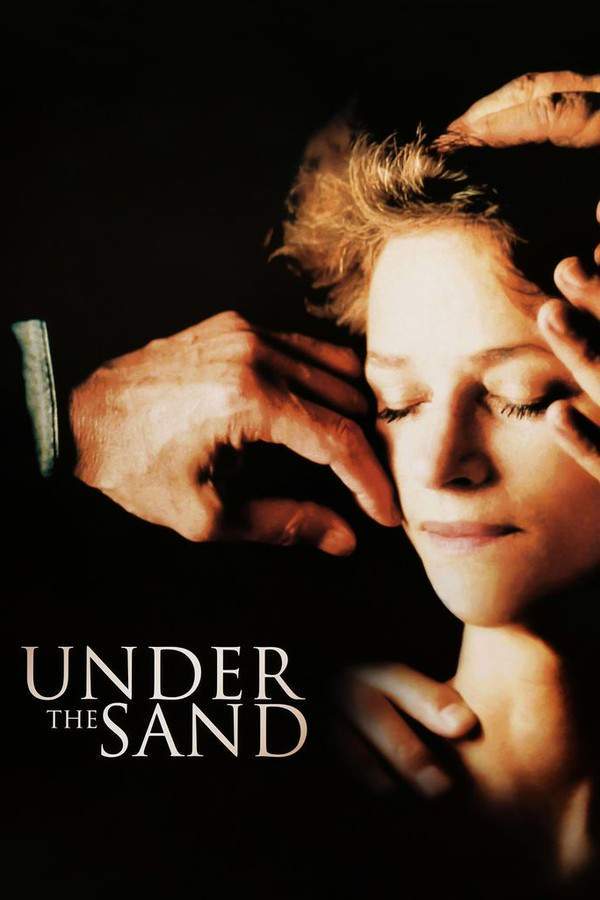
Under the Sand
2001

10:30 P.M. Summer
1966
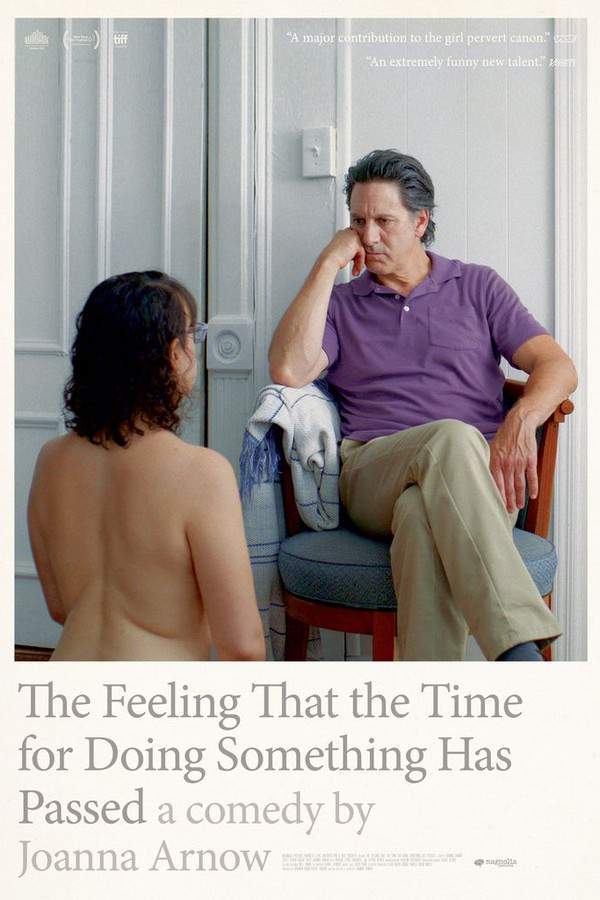
The Feeling That the Time for Doing Something Has Passed
2024

Ploy
2007

The Lovers
2017
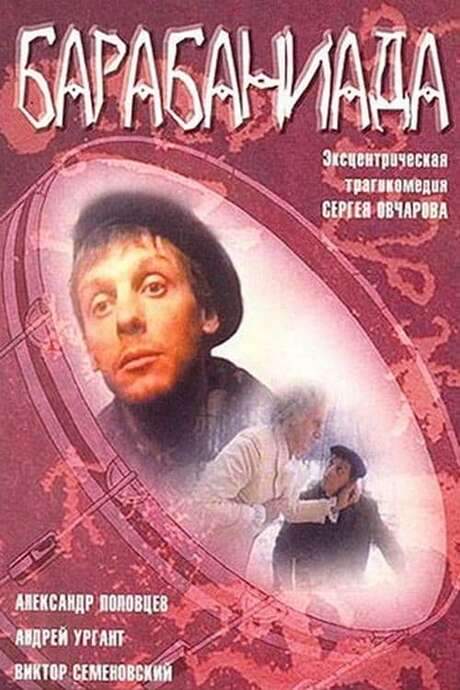
Drumroll
1993

Forty Shades of Blue
2005
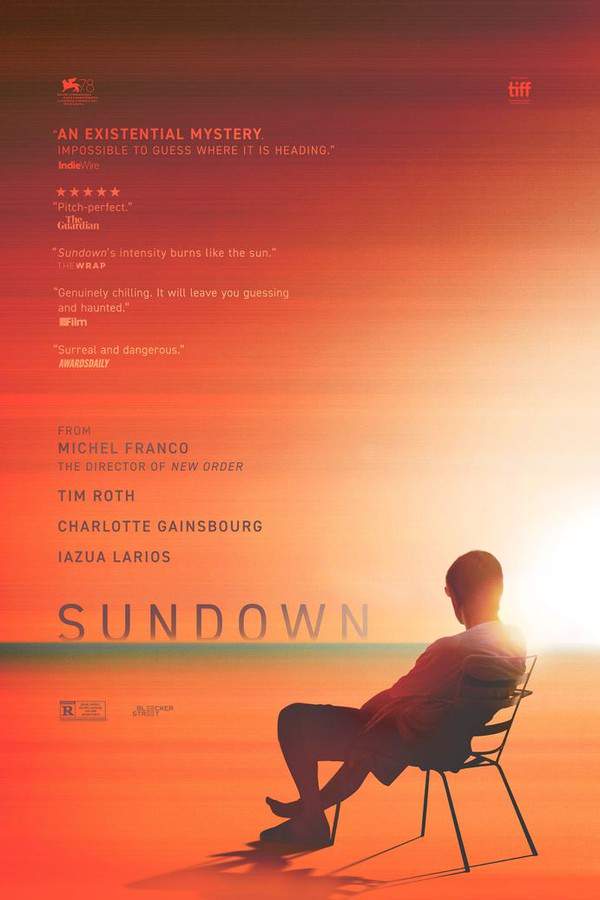
Sundown
2022

Landscape in the Mist
1988
Narrative Summary
The narrative pattern often involves a 'day-in-the-life' structure that is disrupted by flashbacks, fantasies, or fourth-wall breaks. The plot is secondary to the atmosphere and the characters' internal states, using surrealism to externalize emotions like resentment, ennui, or alienation, frequently culminating in an ambiguous ending.
Why These Movies?
These films are connected by their unique blend of tone, mixing melancholic realism with absurdist or surreal flourishes. They share a slow, contemplative pacing that allows for atmospheric immersion and a moderate complexity that challenges viewers to interpret the line between reality and perception.
Unlock the Full Story of Marie and Bruce
Don't stop at just watching - explore Marie and Bruce in full detail. From the complete plot summary and scene-by-scene timeline to character breakdowns, thematic analysis, and a deep dive into the ending - every page helps you truly understand what Marie and Bruce is all about. Plus, discover what's next after the movie.
Marie and Bruce Timeline
Track the full timeline of Marie and Bruce with every major event arranged chronologically. Perfect for decoding non-linear storytelling, flashbacks, or parallel narratives with a clear scene-by-scene breakdown.

Characters, Settings & Themes in Marie and Bruce
Discover the characters, locations, and core themes that shape Marie and Bruce. Get insights into symbolic elements, setting significance, and deeper narrative meaning - ideal for thematic analysis and movie breakdowns.


