Plot Explained Spoilers guaranteed!
Plot Explained

Browse by genre

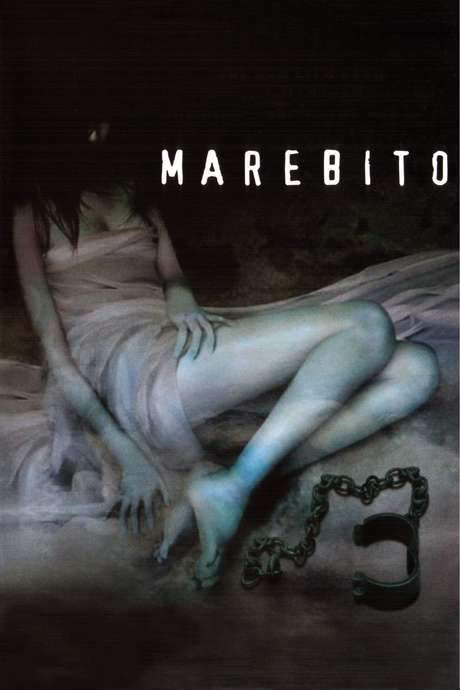
Marebito (2004) movie poster

Characters & Themes

Marebito (2004) Characters, Setting & Themes Explained

Release, runtime and language
2004 · 92 mins · Japanese
Directed by
Takashi Shimizu
Starring
Shinya Tsukamoto, Shun Sugata, Masayoshi Haneda, Mami Nakamura, Ayumu Saito, Hikohiko Sugiyama

A fear-obsessed freelance cameraman investigates an urban legend involving mysterious spirits that haunt the subways of Tokyo.

On this page (7)
  1. 1 Characters explained (5)
  2. 2 Where & when it takes place
  3. 3 Themes & meaning (3)
  4. 4 Character & meaning questions
  5. 5 Movie threads
  6. 6 Movies like Marebito
  7. 7 Every angle

5 main characters · contains spoilers

Marebito Characters Explained: Who Is Who

The main characters of Marebito (2004), heroes and villains: what drives them, how they change over the course of the story and what each of them reveals about the film's bigger ideas.

  • Masuoka (Shinya Tsukamoto)

    A freelance cameraman whose obsession with fear drives him to descend into Tokyo’s underground. He treats F less as a person and more as a subject of study, filming his actions and feeding his curiosity with dangerous experiments. His moral compass deteriorates as his fixation on fear consumes him.

    • 🧭 Obsession
    • 🎬 Filmmaker
    • 🩸 Morally ambiguous
  • F (Tomomi Miyashita)

    A nude young woman with uncanny features who does not eat or speak. She subsists on blood and becomes the object of Masuoka’s fixation, initially treated as a pet and later as something dangerous and other. Her presence propels the descent into the underworld and raises questions about humanity and care.

    • 🩸 Non-human
    • 🧬 Creature
    • 🧭 Enigmatic
  • MIB (Shun Sugata)

    A menacing man in black who appears to warn and confront Masuoka, telepathically delivering threats and disappointment. He embodies the elusive force pursuing Masuoka’s misdeeds in the underworld and acts as a dark mirror of Masuoka’s obsession.

    • 🕶️ Mysterious
    • 👁️ Shadowy figure
    • 🚨 Threatening
  • Killer in snuff film (Hideto Katsuya)

    A brutal killer who appears in the snuff film sequences Masuoka records. His actions escalate the violence that Masuoka witnesses and, later, participates in feeding his own F. The character represents raw predatory violence that underpins the film’s horror.

    • 🔪 Killer
    • 🩸 Bloodthirsty
  • News Programme Reporter (Mami Nakamura)

    A reporter who appears at the scene of the crime and in the film’s media frames. The character highlights the media’s role in presenting violence and shaping audience perception, while intersecting with Masuoka’s disturbing project.

    • 📰 Media presence
    • 🎤 Reporter

Last updated: October 04, 2025 at 12:02

Was this helpful?

Setting

Where and When Does Marebito Take Place?

The setting of Marebito (2004): the year and time period, the places and locations, and how they shape the characters, the mood and the tension of the story.

Time period

Location

Tokyo, Underground tunnels beneath Tokyo

The film unfolds in modern Tokyo, with a key subterranean labyrinth beneath the city where eerie, dero-like beings dwell. Masuoka moves from cramped apartments and neon streets into a sprawling network of tunnels and underground ruins. The setting contrasts surface-level urban life with a hidden, claustrophobic underworld that drives the story's paranoia. The urban landscape and its shadowy underworld create a claustrophobic mood that heightens the horror.

  • 🗺️ Urban environment
  • 🕳️ Underground spaces
  • 🌃 City setting
  • 🍂 Gritty atmosphere

Last updated: October 04, 2025 at 12:02

Was this helpful?

3 major themes

Marebito Meaning: Themes & Message Explained

What is Marebito (2004) really about? The emotional, social and philosophical themes the film keeps returning to, its symbolism and the message beneath the surface.

  • Fear

    Masuoka’s search for the origin of fear pulls him deeper underground, suggesting fear is a primal form of knowledge tucked away in the subconscious. The labyrinthine spaces and encounters with deros force him to confront the limits of perception and control. As he records scenes with his camera, fear becomes both his motivation and his moral test, blurring the line between observer and participant.

  • Voyeurism

    The camera and observation drive the narrative: Masuoka films F and the unfolding violence, turning real danger into a recorded spectacle. The act of watching becomes a form of power, enabling manipulation and a chilling detachment from the consequences. The film questions ethics of surveillance, consent, and the voyeur’s complicity in violence.

  • Otherness

    F embodies a disturbing non-human presence that unsettles Masuoka and those around him. Her blood-based sustenance and inscrutable nature blur humanity with monstrosity, forcing a confrontation with boundaries between caretaker and captor. The underworld and the people who encounter her reveal societies’ uneasy fascination with the unknown.

Last updated: October 04, 2025 at 12:02

Was this helpful?

Character & theme questions

Marebito Characters & Meaning: Your Questions Answered

The questions people ask about Marebito (2004): who the characters really are, their relationships, what the symbols mean, where it takes place and what the movie is really about. Each answer contains spoilers.

Q1

Where is Marebito set?

The film takes place in modern Tokyo, primarily in the city's underground tunnels and labyrinthine spaces beneath the streets. The story contrasts the surface-level urban environment of cramped apartments and neon-lit streets with a hidden, claustrophobic underworld where mysterious dero-like beings dwell. This subterranean setting drives much of the film's paranoid atmosphere.

  • tokyo
  • underground tunnels
  • setting
  • underworld
  • city setting
Q2

What are the dero-like beings in the underground?

The dero are eerie, subterranean creatures that inhabit the tunnels beneath Tokyo. They represent the primal fear and unknown forces that Masuoka seeks in his descent. These beings embody the film's exploration of the unconscious mind and the terrifying entities that lurk beneath the surface of civilized society.

  • deros
  • underground creatures
  • monsters
  • supernatural beings
Q3

What does the film say about fear?

Marebito presents fear as a primal form of knowledge tucked away in the subconscious. Masuoka's obsessive search for the origin of fear pulls him deeper into Tokyo's underground, where he confronts the limits of perception and control. The film suggests that facing fear is both a destructive and revelatory experience, ultimately blurring the line between understanding fear and becoming consumed by it.

  • fear
  • theme
  • psychology
  • subconscious
  • knowledge
Q4

How does voyeurism factor into the story?

The camera serves as both a narrative device and thematic metaphor throughout the film. Masuoka films F and the unfolding violence, transforming real danger into a recorded spectacle. This act of watching becomes a form of power and control, enabling manipulation while creating a chilling detachment from consequences. The film questions the ethics of surveillance, consent, and how the observer becomes complicit in violence.

  • voyeurism
  • camera
  • surveillance
  • observation
  • ethics
Q5

Who is F in Marebito?

F is a nude young woman with uncanny features whom Masuoka discovers in the underground. She does not eat or speak and subsists on blood, making her a disturbing non-human presence that unsettles everyone around her. Initially treated as a pet and research subject, she later becomes something more dangerous and other. F embodies the film's themes of otherness and forces characters to confront boundaries between caretaker and captor.

  • F
  • character
  • otherness
  • blood
  • supernatural
Q6

What motivates the protagonist Masuoka?

Masuoka is a freelance cameraman whose obsession with fear drives his entire descent into Tokyo's underground. Rather than treating F as a person, he views her as a subject of study, filming her actions and conducting dangerous experiments to satisfy his curiosity. His moral compass deteriorates as his fixation on fear consumes him, ultimately leading to his psychological breakdown.

  • Masuoka
  • protagonist
  • motivation
  • fear
  • obsession
  • cameraman
Q7

Who is the man in black in the film?

MIB is a menacing figure who appears to warn and confront Masuoka, telepathically delivering threats and disappointment. He embodies the elusive force pursuing Masuoka's misdeeds in the underworld and acts as a dark mirror of Masuoka's own obsession with fear. The character represents the inevitable consequences and moral judgment that follow the protagonist's descent into darkness.

  • MIB
  • man in black
  • antagonist
  • consequences
  • telepathic
Q8

What does the film explore about otherness?

Marebito examines otherness through F's non-human presence and the underworld inhabitants who encounter her. F's blood-based sustenance and inscrutable nature blur the lines between humanity and monstrosity. The film explores society's uneasy fascination with the unknown and how encountering truly alien existence forces characters to question their own humanity and moral boundaries.

  • otherness
  • humanity
  • monstrosity
  • unknown
  • alienation
Q9

What does the underground setting represent?

The underground tunnels beneath Tokyo function as both a literal location and a psychological metaphor. They represent the hidden, primal spaces of the human mind where fear originates. The claustrophobic underworld creates a sense of descent into madness and the unconscious, mirroring Masuoka's psychological journey deeper into his own obsessions and the darker aspects of human nature.

  • underground
  • metaphor
  • psychology
  • unconscious
  • descent
Q10

What role does the snuff film play in the story?

The snuff film sequences depict brutal violence committed by a killer that Masuoka records and witnesses. These scenes escalate the violence in the film and represent raw predatory horror that underpins the story's themes. Masuoka's involvement with this content, including feeding his own F, demonstrates how his obsession with fear has corrupted his moral compass and turned him into something similar to the killer he films.

  • snuff film
  • violence
  • killer
  • recording
  • corruption
Q11

How does the film address media and violence?

Through the News Programme Reporter character, Marebito explores how media presents violence and shapes audience perception. The film questions the ethics of observing and distributing violent content, suggesting that the camera creates distance that enables viewers to remain detached from real consequences. Media frames throughout the film highlight society's desensitization to violence and the voyeuristic relationship between audience and suffering.

  • media
  • violence
  • journalism
  • society
  • perception
Q12

What is the film's ending about?

The ending is bleak, with Masuoka achieving his goal of understanding fear only by becoming its subject. He becomes trapped in a cycle of violence and insanity without redemption. The finale merges fantasy and reality in an ambiguous way, suggesting that his descent into the underground has permanently transformed him into something monstrous, frozen in an endless loop of fear and obsession.

  • ending
  • bleak
  • redemption
  • cycle
  • madness

Movie threads

More Movies Like Marebito, by Mood & Story

Curated lists built around what makes Marebito tick: the same mood, the same kind of story or the same emotional payoff. Each list explains why these movies belong together.

Films about a descent into madness like Marebito

Characters spiral into insanity through a dangerous, all-consuming obsession. Movies like Marebito that explore a character's obsessive and terrifying psychological unraveling. If you liked watching the cameraman's descent in Marebito, you'll find similar stories of paranoia, obsession, and the collapse of sanity in these films.

  • obsessive
  • paranoid
  • unsettling
  • unreliable narrator
  • psychological breakdown
  • descent
  • Tone: dark, paranoid
  • Pacing: steady, deliberate
Why these movies?

The story pattern: The narrative arc is defined by a character's progressive psychological deterioration. Starting from a point of curiosity or compulsion, the story escalates through paranoid delusions and disturbing actions, culminating in a complete loss of grasp on reality, often with a bleak and ambiguous resolution.

Why they belong together: Movies in this thread are grouped by their shared focus on the internal collapse of a protagonist. They utilize a steady, deliberate pacing to build unease and feature a dark tone, high emotional weight, and a focus on themes like obsession, fear, and the fragility of the mind.

Claustrophobic urban horror movies like Marebito

Unearthing ancient fears and supernatural terrors within the modern cityscape. Discover movies similar to Marebito that uncover supernatural horror within a modern city setting. If you enjoyed the eerie exploration of Tokyo's underworld, these films feature terrifying urban legends, claustrophobic atmospheres, and a feeling of unease lurking just beneath the city's surface.

  • claustrophobic
  • urban decay
  • uncanny
  • anxious
  • supernatural
  • eerie
  • Tone: dark, eerie
  • Pacing: steady, investigative
Why these movies?

The story pattern: Stories often begin with an investigation into an urban myth or a series of strange occurrences. The protagonist delves deeper into the city's hidden layers—subways, tunnels, derelict buildings—confronting a supernatural presence that challenges their perception and traps them in an inescapable, oppressive environment.

Why they belong together: These films share a distinct vibe defined by their setting and atmosphere. They combine the unease of psychological horror with the tangible dread of a sprawling, indifferent city. The experience is characterized by a steady pace, high intensity, and moods like claustrophobic, anxious, and uncanny.

If you liked this

Movies Like Marebito

Similar movies to Marebito: the same genre, themes or kind of story. Each one comes with its own plot summary, timeline and ending explained.

Browse all movie summaries

Every angle

Marebito (2004) Explained: Plot, Timeline & Characters

Everything about Marebito in one place: what happens in the plot summary, the timeline in chronological order, the characters and meaning and a spoiler-free summary. What's After the Movie adds the cast, box office and post-credit scenes.

Coming soon on iOS and Android

The Plot Explained Movie Summary App

Plot summaries, endings explained and timelines on your phone. Catch up on any movie in minutes, save your favorites and never miss a twist again.

Be the first to know when we launch. Your email stays private, always.

Learn more about the app