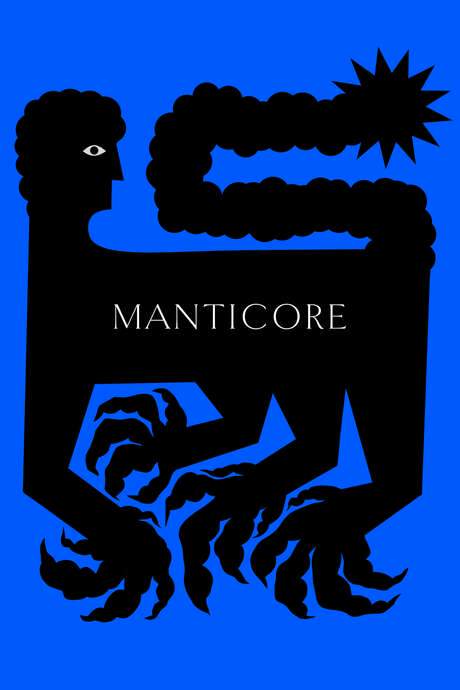
Living alone in a central Madrid apartment, Julián is a successful game designer who crafts monsters for video games using advanced VR tools. When a fire in the neighboring flat traps a boy named Cristian, Julián rushes to pull him to safety. After a brief medical check, Julián forms a bond with the boy, who confides that he wants to become a gardener when he grows up; Julián shares that in his own childhood he dreamed of being a tiger.
Back in his own space, Julián struggles to sleep and suffers a panic attack. A physician prescribes anxiolytics and urges him to connect with others as part of his recovery. A troubling night leads to a bad sexual encounter with a woman he meets at a bar, and he begins to feel an unsettling fixation on Cristian’s physical presence. In response, Julián uses human NPC templates from his work and a hand-drawn sketch of Cristian to reproduce the boy inside the VR, and he finds himself growing aroused as this fabrication takes shape.
At a party organized for a colleague, Julián meets Diana, a Barcelona-born young woman who cares for her ailing father in Madrid while studying for a distance learning degree in art history. Their paths cross again near the Filmoteca, and a relationship begins to bloom, marked by curiosity and a tentative trust. Julián then erases all traces of his VR work on Cristian, choosing to dedicate himself to Diana and to leave the darker impulses behind.
A new apartment on Madrid’s outskirts becomes the stage for the next chapter of their bond, where an intimate moment with Diana unfolds even as the news of her father’s sudden death ripples through her life. The emotional shock deepens Julián’s urge to reach out, but Diana’s grief also pushes them apart for a time. He later visits the funeral home to offer condolences, and to avoid further contact with her mother, Diana accompanies him to her seaside hometown in Catalonia.
There, another panic attack hits Julián, and Diana helps soothe him, even as he awaits a company meeting that reveals a chilling reality: the company maintains a comprehensive register of all works created with its tools by its employees, effectively exposing Julián’s entire portfolio. When he tries to reach out to Diana by phone, she ghosts him, leaving him unsure of how to repair the damage.
Desperation leads Julián to bring Japanese food to Diana’s home and insist that no one has ever harmed anyone with his actions, but Diana reacts with disgust and tells him to leave. For Julián, the moment becomes a test of limits and consequence. He returns to his old apartment building and uses the gate intercom to reach Cristian, finding the boy home alone while his mother is out. In Cristian’s apartment, Julián prepares a drink for them, but he is torn about what to do next. A drawing in the boy’s room—an image of a tiger with a human head titled “Julián”—forces him to confront the gravity of his actions, and he ultimately leaves, overwhelmed by guilt and fear, attempting to end his life by defenestration. He awakens in a hospital to a stark medical reality: a severe spinal cord injury requiring multiple surgeries, with Diana by his side as he recovers.
The film closes on a quiet, intimate note: Diana returns to her own home and begins to care for a paralyzed Julián, speaking to him in Catalan as their fragile bond lingers amid the shadows of what happened.