Plot Explained Spoilers guaranteed!
Plot Explained

Browse by genre

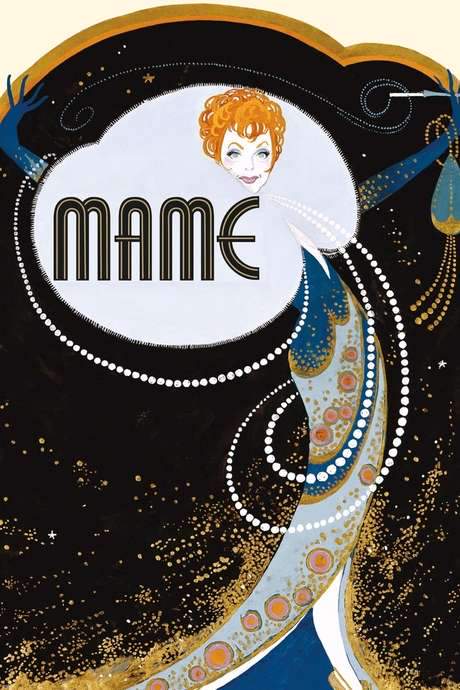
Mame (1974) movie poster

Characters & Themes

Mame (1974) Characters, Setting & Themes Explained

Release, runtime and language
1974 · 132 mins · English
Loading streaming availability…
Directed by
Gene Saks
Starring
Ruth McDevitt, John McGiver, Robert Preston, Lucille Ball, Bruce Davison, Audrey Christie

Her flamboyant, bohemian world erupts when her late brother leaves his ten‑year‑old son, Patrick, in her care. Rather than imposing conventional rules, Mame Dennis whisks the boy into her whirlwind of art, parties and daring adventures, teaching him her motto that “life is a banquet” and brightening everyone’s spirits along the way.

On this page (7)
  1. 1 Where to watch
  2. 2 Characters explained (9)
  3. 3 Where & when it takes place
  4. 4 Themes & meaning (3)
  5. 5 Character & meaning questions
  6. 6 Movie threads
  7. 7 Every angle
Loading streaming availability…

9 main characters · contains spoilers

Mame Characters Explained: Who Is Who

The main characters of Mame (1974), heroes and villains: what drives them, how they change over the course of the story and what each of them reveals about the film's bigger ideas.

  • Mame Dennis (Lucille Ball)

    An energetic, unconventional guardian who fills Patrick's life with adventure. She shows warmth and generosity, defies social norms, and remains devoted to Patrick even when faced with loss and financial hardship.

    • 🎭
    • 🧭
    • 💖
  • Vera Charles (Bea Arthur)

    A sharp-tongued, glamorous actress and Mame's confidante. Their rivalry-tinged friendship sparks witty banter that exposes social pretensions while deepening mutual care.

    • 🎭
    • 💬
    • ✨
  • Beauregard Jackson Pickett Burnside (Robert Preston)

    Wealthy Southern gentleman whose arrival triggers romance and changes in Mame's life. His generosity and larger-than-life persona contrast with rigid social norms.

    • 💰
    • 🏛️
    • ❤️
  • Patrick Dennis (Bruce Davison)

    A bright boy who grows into a young man navigating school, social expectations, and evolving family dynamics. His loyalty to Mame and eventual romantic entanglements highlight themes of identity and belonging.

    • 👦
    • 🎓
    • 🧭
  • Agnes Gooch (Jane Connell)

    Mame's loyal companion and sometime ward who experiences a personal transformation. Her makeover and changing circumstances reflect the societal shifts the characters weather.

    • 🧥
    • 🔄
    • 🧸
  • Gloria Upson (Doria Cook-Nelson)

    A snobbish, conservative member of the upper class who clashes with Mame's free-spirited worldview. Her views epitomize social prejudice and the pressure to conform.

    • 🏛️
    • 🗝️
    • 💬
  • Peter Burnside (Patrick Labyorteaux)

    The child of Patrick and Pegeen, representing the next generation and the continuity of the family’s story. His presence anchors the film's sense of time passing and legacy.

    • 🧒
    • 👶
    • 👨‍👩‍👧
  • Pegeen (Bobbi Jordan)

    The household helper who becomes a close confidante and, by the end, part of the family’s next chapter. Her presence underscores themes of class, care, and shared life.

    • 👩‍🏫
    • 🧹
    • 🤝
  • Cousin Fan (Ruth McDevitt)

    A relative who participates in the social sphere surrounding Mame, contributing to the sense of family and community that frames the story.

    • 👵
    • 🏷️
    • 🗣️

Last updated: October 04, 2025 at 16:45

Was this helpful?

Setting

Where and When Does Mame Take Place?

The setting of Mame (1974): the year and time period, the places and locations, and how they shape the characters, the mood and the tension of the story.

Time period

1929-1950s

The narrative begins with the stock market crash and the Great Depression, throwing Mame and Patrick into economic upheaval. It spans the 1930s and 1940s, including a World War II-era backdrop, and moves into the postwar years when the next generation grows up. The time frame captures shifts in wealth, class, and social norms that drive the characters' choices and relationships.

Location

Peckerwood, Georgia, Connecticut, Siberia

The story moves from a Southern plantation setting in Peckerwood, Georgia, to the refined homes of Connecticut and the bustling life of a department-store era. It also follows Mame on a whirlwind world tour and finally a journey to Siberia, underscoring the film's rotation between luxury, travel, and humble roots. Each setting reflects a different facet of American society during the early-to-mid 20th century.

  • 🏡 Rural
  • 🗽 Historic
  • 🚢 Travel

Last updated: October 04, 2025 at 16:45

Was this helpful?

3 major themes

Mame Meaning: Themes & Message Explained

What is Mame (1974) really about? The emotional, social and philosophical themes the film keeps returning to, its symbolism and the message beneath the surface.

  • Family

    The story centers on Mame as a surrogate guardian for Patrick and a wider chosen family built with friends and staff. Their bonds sustain them through financial crises, social scrutiny, and personal growth. The film suggests that love and loyalty can define family beyond bloodlines. It also shows how unconventional kinship can shape identity and resilience.

  • Class and Society

    Wealth, status, and prejudice are tested as Mame navigates high society and a plantation-owning milieu. The stock market crash exposes fragilities in the social order, while Mame challenges norms by helping those on the margins. The contrast between elite expectations and lived experiences drives much of the conflict and humor.

  • Freedom and Reinvention

    Mame embodies improvisation, optimism, and a refusal to be confined by convention. The narrative follows her from social adventures to humanitarian projects, illustrating reinvention as a path to resilience. Patrick's coming-of-age journey mirrors this theme, showing how personal choices reshape families and futures.

Last updated: October 04, 2025 at 16:45

Was this helpful?

Character & theme questions

Mame Characters & Meaning: Your Questions Answered

The questions people ask about Mame (1974): who the characters really are, their relationships, what the symbols mean, where it takes place and what the movie is really about. Each answer contains spoilers.

Q1

Where does the story of Mame take place?

The movie spans multiple locations across the early-to-mid 20th century American landscape. It begins in Peckerwood, a rural Southern plantation setting in Georgia, then moves to refined Connecticut homes, the bustling world of the department-store era, and includes Mame's whirlwind world tour. The story even extends to Siberia, creating a contrast between luxury, international travel, and humble roots that reflects different facets of American society.

  • settings
  • locations
  • peckerwood georgia
  • connecticut
  • travel
  • siberia
Q2

What time period does Mame cover?

Mame spans from 1929 through the 1950s, beginning with the stock market crash and Great Depression. The narrative follows Mame and Patrick through the 1930s and 1940s, including the World War II era, and extends into the postwar years when the next generation grows up. This time frame allows the film to capture the shifts in wealth, class, and social norms that shape the characters' choices and relationships.

  • time period
  • 1929
  • 1950s
  • great depression
  • world war ii
  • postwar
Q3

What does Mame say about family?

The film centers on Mame as a surrogate guardian for Patrick and a wider chosen family built with friends and staff. Their bonds sustain them through financial crises, social scrutiny, and personal growth. The story suggests that love and loyalty can define family beyond bloodlines, and shows how unconventional kinship can shape identity and resilience.

  • family
  • chosen family
  • adoption
  • guardianship
  • loyalty
Q4

How does Mame explore class and society?

Wealth, status, and prejudice are tested as Mame navigates high society and a plantation-owning milieu. The stock market crash exposes fragilities in the social order, while Mame challenges norms by helping those on the margins. The contrast between elite expectations and lived experiences drives much of the conflict and humor in the film.

  • class
  • society
  • high society
  • wealth
  • prejudice
  • social norms
Q5

What does Mame say about freedom and reinvention?

Mame embodies improvisation, optimism, and a refusal to be confined by convention. The narrative follows her from social adventures to humanitarian projects, illustrating reinvention as a path to resilience. Patrick's coming-of-age journey mirrors this theme, showing how personal choices can reshape families and futures.

  • freedom
  • reinvention
  • nonconformity
  • optimism
  • resilience
  • choices
Q6

Who is Mame Dennis?

Mame Dennis is the flamboyant, bohemian protagonist played by Lucille Ball. She is an energetic, unconventional guardian who fills Patrick's life with adventure after her late brother leaves the ten-year-old in her care. She shows warmth and generosity, defies social norms, and remains devoted to Patrick even when faced with loss and financial hardship, living by her motto that 'life is a banquet.'

  • mame dennis
  • lucille ball
  • protagonist
  • guardian
  • bohemian
Q7

Who is Patrick Dennis in the movie?

Patrick Dennis is the ten-year-old boy left in Mame's care after his father's death. Played first by a child actor and later by Bruce Davison, Patrick is a bright boy who grows into a young man navigating school, social expectations, and evolving family dynamics. His loyalty to Mame and eventual romantic entanglements highlight themes of identity and belonging.

  • patrick dennis
  • bruce davison
  • orphan
  • ward
  • coming of age
Q8

Who is Vera Charles?

Vera Charles, played by Bea Arthur, is a sharp-tongued, glamorous actress and Mame's confidante. Their rivalry-tinged friendship sparks witty banter that exposes social pretensions while deepening mutual care. Vera serves as both a comic counterpart and a supportive friend to Mame throughout the story.

  • vera charles
  • bea actress
  • confidante
  • friendship
  • rivalry
Q9

Who is Beauregard and what role does he play?

Beauregard Jackson Pickett Burnside, played by Robert Preston, is a wealthy Southern gentleman whose arrival triggers romance and significant changes in Mame's life. His generosity and larger-than-life persona contrast with the rigid social norms Mame challenges, making him an important figure in her journey.

  • beauregard burnside
  • robert preston
  • southern gentleman
  • romance
  • wealthy
Q10

Why does Mame go to Siberia?

Mame's journey to Siberia represents the pinnacle of her adventurous spirit and humanitarian outlook. The trip underscores the film's theme of reinvention and global perspective, showing Mame's willingness to embrace new experiences and challenges far beyond her initial social circle. It serves as a testament to her philosophy of living life fully and without conventional boundaries.

Foreshadowing: Earlier scenes establish Mame's love for travel and adventure through her world tour.

  • siberia
  • travel
  • adventure
  • world tour
  • humanitarian
Q11

What is the custody battle in Mame about?

After Mame becomes Patrick's guardian, she faces a custody battle from conservative relatives who want to remove the boy from her unconventional care. This conflict represents the broader clash between Mame's free-spirited worldview and the rigid expectations of upper-class society. The custody struggle tests her commitment to Patrick and forces her to defend her lifestyle choices.

  • custody battle
  • conservatives
  • upper class
  • legal conflict
  • family
Q12

What does 'life is a banquet' mean in Mame?

'Life is a banquet' is Mame's central philosophy that encourages embracing all experiences, opportunities, and joys that life offers. Rather than imposing conventional rules on Patrick, she whisks him into her whirlwind of art, parties, and daring adventures. This optimistic approach becomes her answer to hardship, as she uses it to sustain herself and those around her through financial ruin, loss, and social scrutiny.

  • life is a banquet
  • motto
  • philosophy
  • optimism
  • enjoyment

Movie threads

More Movies Like Mame, by Mood & Story

Curated lists built around what makes Mame tick: the same mood, the same kind of story or the same emotional payoff. Each list explains why these movies belong together.

Movies with Eccentric Guardians Like Mame

Colorful characters bring joyful chaos and unconventional wisdom to rigid worlds. If you enjoyed the whirlwind energy of Mame Dennis, you'll love these movies featuring charismatic, unconventional guardians who teach their charges to live life to the fullest. Discover similar stories of eccentric aunts, uncles, and mentors who bring music, laughter, and a unique perspective to family life.

  • whimsical
  • heartwarming
  • fun-loving
  • celebratory
  • uplifting
  • eccentric
  • Tone: light, whimsical, heartwarming
  • Pacing: steady
Why these movies?

The story pattern: These narratives typically follow a free-spirited character who becomes responsible for a more conventional or sheltered individual, often a child. The central conflict arises from the clash between the whimsical guardian's worldview and a rigid, often judgmental, society. The journey involves teaching life lessons through unconventional means, culminating in a celebration of found family and individuality.

Why they belong together: Movies are grouped here based on the shared archetype of the life-affirming, eccentric guardian and the lighthearted, uplifting tone they create. They blend comedy with heartwarming character arcs, focusing on personal growth through joy and defiance of dull norms.

Uplifting Musicals with a Steady Pace Like Mame

Stories where characters sing and dance their way through life's setbacks with optimism. Fans of Mame's catchy songs and buoyant spirit will find more to love in this collection of joyful musicals. These films share a steady pace, a light tone, and a focus on characters who use music to overcome challenges, ensuring a fun and heartwarming experience reminiscent of Mame.

  • uplifting
  • celebratory
  • catchy songs
  • extravagant
  • fun-loving
  • heartwarming
  • Tone: light, hopeful, celebratory
  • Pacing: steady
Why these movies?

The story pattern: The plot follows a linear, steady progression through a series of life events—both highs and lows. While setbacks like financial ruin or personal loss may occur, they are never permanent, and the narrative quickly returns to a positive trajectory. The musical numbers are integrated to highlight key moments of character growth, humor, and emotional connection, reinforcing the central theme of resilience.

Why they belong together: This thread connects movies based on their shared musical-comedy genre, consistently light and uplifting tone, and the thematic use of music as an expression of resilience. The pacing is steady, and the emotional weight remains light, ensuring the overall experience is celebratory and fun.

Every angle

Mame (1974) Explained: Plot, Timeline & Characters

Everything about Mame in one place: what happens in the plot summary, the timeline in chronological order, the characters and meaning and a spoiler-free summary. What's After the Movie adds the cast, box office and post-credit scenes.

Coming soon on iOS and Android

The Plot Explained Movie Summary App

Plot summaries, endings explained and timelines on your phone. Catch up on any movie in minutes, save your favorites and never miss a twist again.

Be the first to know when we launch. Your email stays private, always.

Learn more about the app