Year: 1999
Runtime: 76 mins
Language: English
Director: Stan Phillips
When Madeline’s long‑lost uncle Horst shows up, claiming he will whisk her away to a Viennese finishing school, Miss Clavel, the eleven little girls and Pepito sense that something is off. Together they investigate Horst’s true motives, uncovering a surprising twist that threatens their Parisian school life.
Warning: spoilers below!
Haven’t seen Madeline: Lost in Paris yet? This summary contains major spoilers. Bookmark the page, watch the movie, and come back for the full breakdown. If you're ready, scroll on and relive the story!
Read the complete plot breakdown of Madeline: Lost in Paris (1999), including all key story events, major twists, and the ending explained in detail. Discover what really happened—and what it all means.
Madeline, Andrea Libman is an orphan living at a Parisian boarding school. She receives a letter from her long-lost Uncle Horst in Vienna, Jason Alexander who announces that he will visit and has been designated Madeline’s guardian by the court. The news sends a ripple through the school as Horst prepares to take Madeline away, planning to move her to Vienna for a fancy finishing school, with a quick departure the next day aboard the Orient Express. Madeline’s classmates react with a mix of shock, joy, and worry as they try to imagine a life beyond the familiar halls of their Paris home.
The morning after the revelation, the duo sets out for the railway by train, but the mood shifts from expectation to fear when Madeline and Horst slip away from the group to the Paris Métro. It quickly becomes clear that Madeline is being kidnapped. In a desperate bid to leave a trace, she weaves a trail with beads from her mother’s treasured necklace, hoping someone will find the pattern and follow. The trail leads to a hidden danger, and Madeline realizes she has been taken far from the safety of the school and into a world she does not recognize.
It is soon revealed that Horst is not her uncle at all; he is a Frenchman named Henri who works for Madame LaCroque, Lauren Bacall, the calculating owner of a lace shop and factory. The two of them have forged Madeline’s custody papers, with the aim of seizing her family inheritance while Madeline toils as a laborer in their lace operation. The basement where the factory operates houses a chorus of orphan girls who endure long hours and harsh treatment, their lives reduced to the steady rhythm of lace-making. Among the workers is Fifi, who befriends Madeline and becomes a cautious ally in a place where kindness is scarce and danger is always nearby. Fifi is portrayed by Tabitha St. Germain, Tabitha St. Germain.
Back at the school, Miss Clavel, the devoted teacher who keeps a watchful eye over her students, along with Pepito and the other children, tries to track Madeline’s whereabouts. Pepito, Alex Hood, brings a small, personal gift—a shrunken head from Brazil—as a parting gesture to Madeline. The group follows a trail of clues across the city, racing against time to intercept the criminals and rescue their friend. They eventually realize that the pair took the Métro, not the Orient Express, and that Genevieve is left abandoned at a station, prompting Miss Clavel to alert the police for help.
Inside the lace shop, the workers endure emotional and physical abuse as LaCroque solidifies her grip on power. She narrates a grim backstory: once a cabaret dancer who faced a humiliating collapse, she cut her hair and turned to lace-making as a mechanism of control. With Henri, she has created a system in which the girls are kept under tight pressure, more like slaves than students or workers. The story of LaCroque’s rise to power helps explain the fear that Madeline and her friends confront as they seek a way to free themselves from the factory’s oppressive climate.
Using the bead trail and the help of Pepito, the group begins to close in on their friends. Pepito uses his shrunken head in a bold move to strike at LaCroque from the outside, first revealing LaCroque’s shaved head by tugging away her wig, then frightening her enough to undermine her control. In parallel, Miss Clavel and the police close in on Henri as he wanders the streets of Paris, planning to auction off Madeline’s belongings. A plea bargain allows Henri to guide authorities to the lace factory, yielding a crucial, albeit uneasy, path toward justice.
The confrontation culminates in a dramatic rescue as the police arrive just as the criminals are cornered. Henri’s effort to escape is thwarted by a well-timed prank that sends him tumbling, leaving him tangled in endless rolls of lace and at the mercy of the law. The villains are arrested and taken away, but the factory’s workers—left without a home or a clear future—face a daunting question: what comes next?
With the threat neutralized, Madeline receives a substantial financial reward for LaCroque’s capture. She uses the money to found a school for her lace-factory coworkers, ensuring that the girls from both their worlds can share a future built on opportunity rather than exploitation. The story closes on a hopeful note, as the children from the two schools come together as one big, supportive family—proof that resilience, friendship, and community can transform hardship into a new beginning. The film leaves audiences with a sense of renewal and the quiet belief that even in a city as vast as Paris, a group of determined young friends can change their own destinies.
Last Updated: October 09, 2025 at 10:51
Discover curated groups of movies connected by mood, themes, and story style. Browse collections built around emotion, atmosphere, and narrative focus to easily find films that match what you feel like watching right now.
Plucky children outsmart treacherous grown-ups in perilous rescue missions.If you liked watching Madeline outsmart her deceptive uncle, you'll enjoy these movies where brave kids take on sinister adults. This thread gathers animated and live-action family films featuring thrilling rescues, clever investigations, and the heartwarming power of friendship overcoming exploitation.
The narrative pattern involves a child protagonist or group facing a direct threat from an untrustworthy adult figure. The story follows their investigation, capture, and subsequent clever escape or rescue, often aided by loyal friends. The journey reinforces themes of resourcefulness and solidarity.
Movies are grouped here for their shared focus on child protagonists confronting adult villains, a mix of tense peril with a hopeful, determined tone, and a fast-paced adventure structure that builds to a satisfying, heartwarming rescue.
Animated adventures where dark themes are balanced by a relentlessly optimistic heart.For viewers who enjoyed the mix of tense kidnapping drama and hopeful resolution in Madeline: Lost in Paris, this section finds similar animated movies. These stories skillfully balance child-friendly adventure with medium-stakes danger, always landing on a happy, heartwarming ending.
The emotional journey typically moves from a state of safety into a period of significant danger or oppression for the protagonist. The narrative navigates this peril without becoming overly grim, using friendship and determination as key forces to overcome adversity and restore an improved, happier status quo.
These films share a specific tonal blend: they are animated adventures with medium intensity, addressing disturbing themes in a way that is accessible and ultimately uplifting. The consistent thread is a fast pace, straightforward plot, and a happy ending that validates the hopeful tone.
Don't stop at just watching — explore Madeline: Lost in Paris in full detail. From the complete plot summary and scene-by-scene timeline to character breakdowns, thematic analysis, and a deep dive into the ending — every page helps you truly understand what Madeline: Lost in Paris is all about. Plus, discover what's next after the movie.
Track the full timeline of Madeline: Lost in Paris with every major event arranged chronologically. Perfect for decoding non-linear storytelling, flashbacks, or parallel narratives with a clear scene-by-scene breakdown.
Discover the characters, locations, and core themes that shape Madeline: Lost in Paris. Get insights into symbolic elements, setting significance, and deeper narrative meaning — ideal for thematic analysis and movie breakdowns.
Get a quick, spoiler-free overview of Madeline: Lost in Paris that covers the main plot points and key details without revealing any major twists or spoilers. Perfect for those who want to know what to expect before diving in.
Visit What's After the Movie to explore more about Madeline: Lost in Paris: box office results, cast and crew info, production details, post-credit scenes, and external links — all in one place for movie fans and researchers.
Discover movies like Madeline: Lost in Paris that share similar genres, themes, and storytelling elements. Whether you’re drawn to the atmosphere, character arcs, or plot structure, these curated recommendations will help you explore more films you’ll love.
Madeline: Lost in Paris (1999) Scene-by-Scene Movie Timeline
Madeline: Lost in Paris (1999) Movie Characters, Themes & Settings
Madeline: Lost in Paris (1999) Spoiler-Free Summary & Key Flow
Movies Like Madeline: Lost in Paris – Similar Titles You’ll Enjoy
Madeline's Madeline (2018) Ending Explained & Film Insights
Dilili in Paris (2019) Movie Recap & Themes
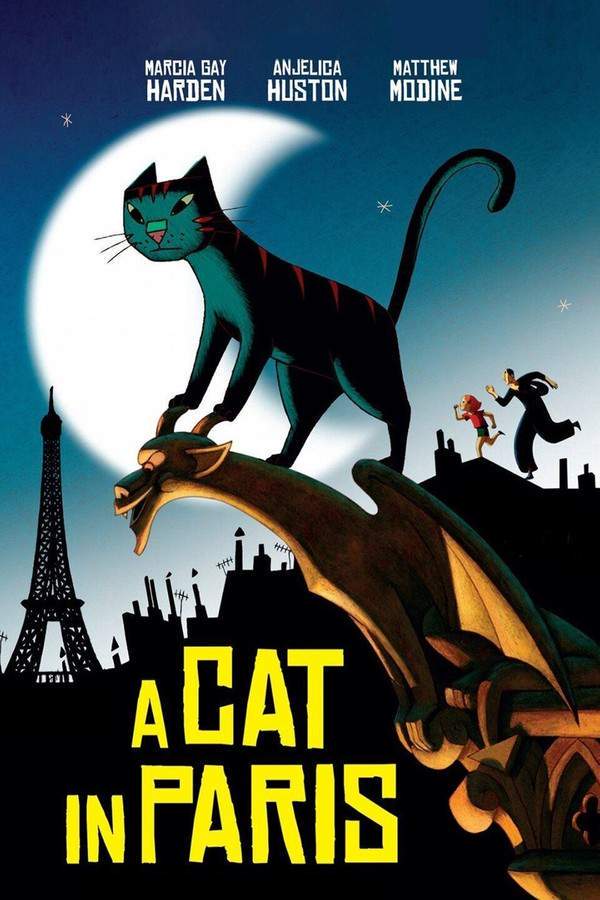
A Cat in Paris (2012) Story Summary & Characters
Mademoiselle Paradis (2017) Full Movie Breakdown
Mademoiselle (2001) Movie Recap & Themes
My Life in Versailles (2019) Detailed Story Recap
Madeline’s Christmas (1990) Ending Explained & Film Insights
Madicken of June Hill (1980) Story Summary & Characters
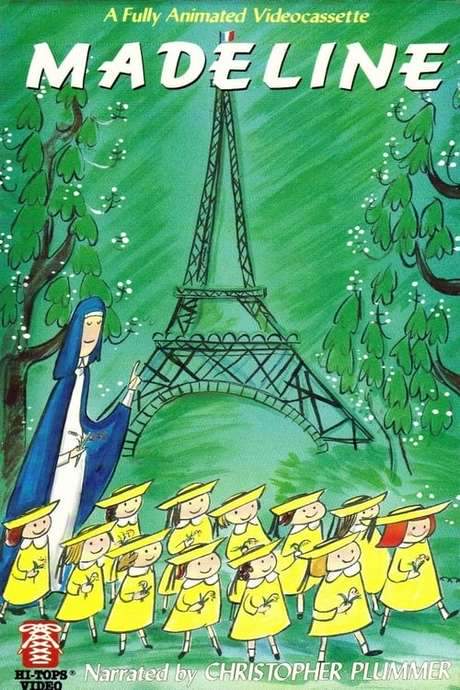
Madeline (1988) Ending Explained & Film Insights
The Child of Paris (1913) Movie Recap & Themes
Alice of Wonderland in Paris (1966) Full Summary & Key Details
Madeleine Is… (1971) Full Summary & Key Details
Mad About Music (1938) Film Overview & Timeline
Dancing on the Moon (1997) Story Summary & Characters
Mademoiselle de Maupin (1966) Movie Recap & Themes