Plot Explained Spoilers guaranteed!
Plot Explained

Browse by genre

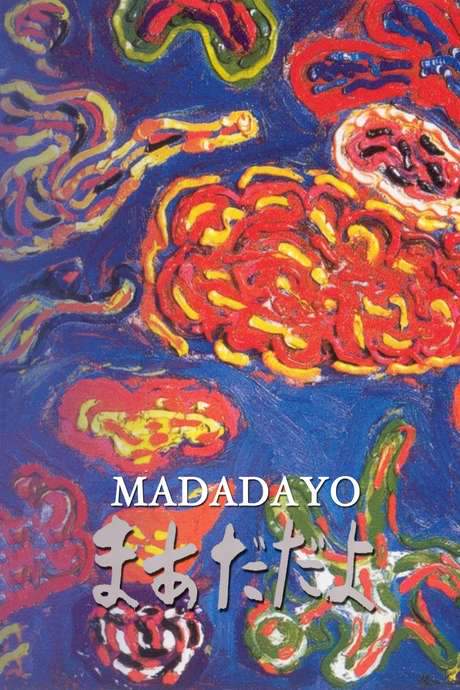
Madadayo (2000) movie poster

Timeline

Madadayo (2000) Timeline Explained – Every Event in Order

Release, runtime and language
2000 · 134 min · Japanese
Loading streaming availability…
Directed by
Akira Kurosawa

During wartime in 1943, Professor Hyakken Uchida leaves his academic career to pursue his passion for writing. His former students visit the wise and humorous professor, offering a chance to reflect on his unique teaching methods and unconventional personality. These visits create a heartwarming atmosphere, demonstrating the lasting impact of his guidance and fostering a deep appreciation for his wisdom.

On this page (5)
  1. 1 Where to watch
  2. 2 Events in order (15)
  3. 3 Timeline questions answered
  4. 4 Movie threads
  5. 5 Every angle
Loading streaming availability…

15 events in order · contains spoilers

Madadayo Timeline: Events in Chronological Order

Every key event of Madadayo (2000) in order, scene by scene, with when and where it takes place. Use it to untangle flashbacks, time jumps and parallel storylines, to refresh your memory before the sequel or to find the exact scene you are thinking of.

  1. Uchida's Farewell

    In a heart-wrenching moment, Hyakken Uchida bids farewell to his students as he announces his retirement from teaching. This farewell symbolizes the end of an era for both Uchida and his students, who feel a deep sense of loss as they prepare to transition into a world overshadowed by the upcoming war.

  2. Moving to a Larger Home

    In 1943, Uchida and his wife relocate to a larger residence as a result of growing family needs. However, this decision is marred by his wife's anxiety about the safety of their new neighborhood amidst the mounting tensions of World War II.

    When
    1943
  3. Mischievous Break-in

    Two of Uchida's students, motivated by playful antics, decide to stage a break-in at Uchida's home. In an unexpected turn, they discover a collection of his handwritten notes, which intriguingly detail steps for burgling their own residence.

  4. Dinner Party and Wartime Rationing

    Uchida hosts several students for dinner, yet he feels a sense of embarrassment due to the meager wartime rations available. The meal, limited to venison and horse meat, reflects the struggles of the time and Uchida's deep care for his students.

  5. Heartbreaking Loss of Home

    Tragedy strikes when Uchida's home is engulfed in flames due to U.S. bombing raids. He and his wife are left without shelter, forced to seek refuge in a cramped shack while holding onto the remnants of their belongings.

  6. Celebratory Banquet

    As peace returns after the war, Uchida's former students organize a festive gathering to honor him. The banquet is whimsically dubbed the 'Not Yet Banquet' after Uchida's poignant response when asked about leaving this world.

  7. Two American MPs Appear

    During the lively festivities of the 'Not Yet Banquet,' two American military policemen arrive at the scene. However, they are soon disarmed by the overwhelming joy and camaraderie prevalent among Uchida's students and friends.

  8. Building a New House

    With unwavering support from his students, Uchida constructs a new home for him and his wife, incorporating a tranquil pond with a tiny island at its center. This new residence symbolizes hope and renewal after the devastation of war.

  9. The Arrival of Alley

    Uchida adopts a stray alley cat, whom he affectionately names Alley. This feline companion brings joy to Uchida's life, helping to ease the emotional scars left by the war and the loss of their home.

  10. Developer's Threat

    A developer purchases the lot across from Uchida's new home, causing distress as he insists on acquiring Uchida's property as well. Uchida's refusal is pivotal, leading him to realize that this development would block his cherished view.

  11. Students Come to the Rescue

    In a united effort, Uchida's former students band together to buy the contested lot, demonstrating their loyalty and appreciation for their teacher. They successfully return the lot to the seller, ensuring that Uchida's view remains unobstructed.

  12. Alley Goes Missing

    During a storm, Uchida's beloved cat Alley goes missing, plunging him into deep sorrow. His desperate search for Alley rallies support from students and townspeople, yet he faces frustrations and false leads that deepen his despair.

  13. Brief Hope and Heartbreak

    Uchida experiences a fleeting moment of hope on a train when he believes he spots Alley at a station. Unfortunately, as the train pulls away, he realizes that it was just an illusion, amplifying his feelings of loss.

  14. New Feline Companion Kurz

    In time, Uchida finds a new feline companion, which he names Kurz, meaning 'short' in German. This new arrival rekindles a sense of joy in Uchida's life, helping him cope with the sadness of Alley's absence.

  15. The Seventeenth Not Yet Banquet

    His students organize the seventeenth iteration of the 'Not Yet Banquet,' this time featuring their children, who present beautiful flowers, and grandchildren, who surprise him with a cake. Tragically, during the festivities, Uchida collapses from arrhythmia, leading to a moment of reflection in his timeless dream.

Last updated: November 16, 2024 at 18:01

Was this helpful?

Timeline questions answered

Madadayo Timeline Explained: Your Questions Answered

When does it happen, and why in that order? The questions people ask about the chronology of Madadayo (2000): time jumps, flashbacks, cause and effect between scenes and the correct order of events, each answered with spoilers.

Q1

Why is the celebration called the 'Not Yet Banquet'?

The banquet gets its name from Uchida's response when his students ask if he is ready to leave this world. He firmly answers 'Not yet' (Madadayo), which becomes the whimsical title for the annual gathering. This phrase encapsulates his enduring spirit and refusal to accept mortality, even as he grows older.

  • not yet banquet
  • madadayo
  • uchida
  • death
  • celebration
Q2

Why does Uchida refuse to sell his property to the developer?

Uchida refuses because the development would obstruct his cherished view of the pond and tiny island at the center, a view he has specifically built his new house to enjoy. The view represents his hard-won peace after losing his previous home to bombing raids, making it emotionally priceless to him.

  • developer
  • property
  • view
  • pond
  • house
  • land
Q3

What happens to Alley the cat and why is it significant?

Alley goes missing during a storm, sending Uchida into profound sorrow. He searches exhaustively with help from students, schools, and townspeople, even experiencing a brief hope when he thinks he spots Alley at a train station, only to have the train pull away. The loss parallels earlier losses (his career, his home to bombing) and represents the recurring theme of impermanence in his life.

Foreshadowing: The film earlier establishes Alley's arrival as a source of comfort after the devastation of war.

  • alley
  • cat
  • missing
  • storm
  • search
  • loss
Q4

Why do Uchida's former students continue to visit him year after year?

The students visit out of deep appreciation for Uchida's unique teaching methods and unconventional wisdom. Their bond with him transcended the classroom, and they view him as a lifelong mentor whose guidance shaped their lives. The annual banquets symbolize their enduring gratitude and the lasting impact of his mentorship.

  • students
  • visits
  • mentor
  • gratitude
  • teaching
  • banquet
Q5

What causes Uchida to collapse at the seventeenth banquet?

Uchida collapses from arrhythmia, a heart condition. During the festivities of the seventeenth Not Yet Banquet, surrounded by his students' children and grandchildren presenting flowers and cake, he suddenly collapses. This marks the end of his life, though he is brought home to rest rather than dying at the banquet itself.

  • collapse
  • arrhythmia
  • heart
  • seventeenth banquet
  • death
Q6

What is the meaning of Uchida's final dream about hide-and-seek?

In his final dream, Uchida as a child plays hide-and-seek. When the children ask if he is ready to be found, he replies 'not yet', echoing his answer about leaving the world. He then discovers a perfect hiding spot while gazing at a golden sun. This dream represents his peaceful acceptance of death while maintaining his playful spirit, completing the cycle of his life and connecting his final moments to his enduring refusal to surrender.

  • dream
  • hide-and-seek
  • childhood
  • not yet
  • golden sun
  • acceptance
Q7

Why do the American military policemen leave without incident during the banquet?

The two American MPs who arrive at the Not Yet Banquet are disarmed by the overwhelming joy and warmth emanating from the gathering. Rather than intervening, they become absorbed in the celebration, symbolizing how Uchida's students' love for their teacher transcends the post-war tensions between Japan and the American occupation forces.

  • american mps
  • occupation
  • banquet
  • joy
  • peace
  • postwar
Q8

Why do Uchida's students break into his house?

Two of Uchida's students stage a mischievous break-in with playful intent, wanting to surprise or test their professor. Instead, they discover Uchida's handwritten guidelines for burgling their own house, a humorous reflection of his unconventional personality and perhaps a warning to them about their mischief.

  • break-in
  • students
  • burgling notes
  • mischief
  • humor
Q9

Why do the students buy the contested lot to help Uchida?

Uchida's former students unite to purchase the lot across from his home when the developer insists he must buy Uchida's property too. Their collective action ensures the seller keeps both the money and the land while promising not to build on the lot, thus preserving Uchida's beloved view. This demonstrates their loyalty and gratitude, returning the support he gave them throughout their education.

  • students
  • lot
  • developer
  • view
  • unity
  • loyalty
Q10

Why does Uchida name the new cat 'Kurz'?

Uchida names the new feline companion Kurz, which means 'short' in German, a nod to his profession as a German professor. After losing Alley, this new cat brings a spark of happiness back into his life, helping him cope with the sadness of his loss and symbolizing renewal after grief.

  • kurz
  • cat
  • german
  • short
  • new companion
  • renewal

Movie threads

More Movies Like Madadayo, by Mood & Story

Curated lists built around what makes Madadayo tick: the same mood, the same kind of story or the same emotional payoff. Each list explains why these movies belong together.

Movies about impactful teachers like in Madadayo

Stories about the profound and lasting impact of a memorable teacher. If you enjoyed the heartfelt student-teacher dynamic in Madadayo, this list features similar movies about memorable mentors and their enduring legacies. Discover films that explore the profound bonds and lasting wisdom shared between educators and their students.

  • heartwarming
  • nostalgic
  • reflective
  • appreciative
  • melancholic
  • gentle
  • Tone: bittersweet, appreciative
  • Pacing: slow, reflective
Why these movies?

The story pattern: These narratives often unfold episodically, showing key moments of connection and guidance across time. The central conflict is rarely external but internal, focusing on personal growth, the acceptance of aging, and the quiet fulfillment of seeing one's values passed on. The journey is one of reflection and appreciation.

Why they belong together: Movies are grouped here for their shared focus on the teacher-student relationship as the emotional core. They share a tone of warm appreciation and gentle melancholy, often exploring themes of aging, legacy, and the passage of time through the lens of mentorship.
Gentle bittersweet dramas similar to Madadayo

Slow-paced, character-focused films that blend warmth with the melancholy of time passing. Fans of the reflective and bittersweet atmosphere of Madadayo will find more movies here with a similar gentle pace and emotional tone. Explore character-driven stories that thoughtfully examine aging, loss, and the quiet beauty of a life well-lived.

  • bittersweet
  • reflective
  • gentle
  • melancholic
  • nostalgic
  • heartwarming
  • Tone: bittersweet, melancholic, gentle
  • Pacing: slow, contemplative
Why these movies?

The story pattern: The narrative pattern is often straightforward and chronological, eschewing complex plots for a series of vignettes that build a portrait of a person and their world. The emotional journey moves between joy and sorrow, ultimately arriving at a place of thoughtful, if somewhat sad, acceptance of life's transitions.

Why they belong together: These films are united by a specific mood mix: a slow, gentle pace combined with a bittersweet tone that thoughtfully balances warmth and melancholy. They prioritize atmospheric reflection over high-stakes drama, creating a deeply contemplative viewing experience.

Every angle

Madadayo (2000) Explained: Plot, Timeline & Characters

Everything about Madadayo in one place: what happens in the plot summary, the timeline in chronological order, the characters and meaning and a spoiler-free summary. What's After the Movie adds the cast, box office and post-credit scenes.

Coming soon on iOS and Android

The Plot Explained Movie Summary App

Plot summaries, endings explained and timelines on your phone. Catch up on any movie in minutes, save your favorites and never miss a twist again.

Be the first to know when we launch. Your email stays private, always.

Learn more about the app