
LUV

Eleven-year-old Woody is coming of age without his parents and finds himself unexpectedly drawn into the life of his charming but troubled Uncle Vincent, recently released from prison. As they experience the challenges of Baltimore together, Woody confronts difficult realities and must decide whether to emulate his uncle or chart his own course toward a more hopeful future.
Where to Watch LUV?
Find where to stream, rent, or buy LUV (2013) in the US with current JustWatch availability, up-to-date pricing, and platform listings for subscription, rental, and digital purchase options.













Streaming availability powered by 
Warning: spoilers below!
Haven’t seen LUV yet? This summary contains major spoilers. Bookmark the page, watch the movie, and come back for the full breakdown. If you're ready, scroll on and relive the story!
LUV (2013) – Full Plot Summary & Ending Explained
Read the complete plot breakdown of LUV (2013), including all key story events, major twists, and the ending explained in detail. Discover what really happened, and what it all means.
Woody Watson, Michael Rainey Jr., wakes from a dream about his mother in the woods, only to face a hard reality in the rough streets of Baltimore. He shares a tight life with his grandmother in a city where safety is scarce and hope feels distant, and he longs to be reunited with his mother, who is in rehab in North Carolina. The mood shifts when his charismatic uncle Vincent, Common, returns home after serving twelve years of a twenty-year sentence. Vincent is determined to turn his life around by opening a high-end crab shack, and he sees Woody as part of that new path. After dropping Woody at school, he notices the boy’s embarrassment when a girl glances his way, so Vincent decides to take on the role of a mentor, teaching him how to move with confidence and how to navigate danger with a steadier hand.
Vincent and Woody seek guidance from Cofield, a friend who runs a crab shack and still keeps a finger on the pulse of their old world. Cofield warns that their old crime boss, Mr. Fish, is looking for Vincent, setting the stage for the choices that follow. With a bank loan proving insufficient—requiring an additional $22,000—Vincent faces a hard truth: the future his dream demands may require him to reach back into the past. The decision is stark: commit to one more drug deal for Mr. Fish, the man who still holds their fates in his hands, to prove loyalty and unlock the money they need. In this moment, the weight of responsibility lands squarely on Woody, who accompanies Vincent as they weave through the city, learning to drive and even handling a gun as Vincent drills him in survival. Mr. Fish’s world is never far away, and the tension climbs as the plan tightens.
The two set up a deal with Jamison at his place, a tense encounter that escalates into a confrontation. When the moment comes for Woody to fire, fear freezes him, and Vincent ends up killing Jamison himself. The violence leaves a scar on both of them, and a furious Vincent lashes out at Woody, insisting that Woody’s mother doesn’t want him. Overwhelmed and hurting, Woody bolts toward the train station, hoping to ride north to North Carolina. Vincent catches him, but Woody ultimately agrees to stay and help finish the drug operation, driven by a promise that they will someday reach his mother and that this is a step toward a better life.
The pair head to the lake to rendezvous with Cofield, who warns them that meeting their next dealer, Enoch, would be too risky—yet Woody devises a plan to reduce the danger. When they reach Enoch’s location, the henchmen close in, but the deal goes through without incident. They press on to Beverly, Vincent’s former girlfriend, now with a new boyfriend and expecting a child, where Vincent violently confronts the man. The mood darkens further as the trio gathers with Mr. Fish and Arthur at a mansion for dinner. Vincent vents his fury about being used in a deal that led to his arrest, and the night spirals into betrayal and violence. In a shocking turn, Mr. Fish reveals that it was Vincent who helped get Woody’s mother hooked on drugs, a revelation that crushes Woody’s trust and pushes him toward a breaking point. In a moment of raw confrontation, Woody pulls a gun on Vincent, and Arthur, who is present, grabs a rifle and opens fire, killing Vincent. Vincent, still alive, shoots Arthur in return, and Mr. Fish is killed in the chaos.
Woody clamps down on fear as he escapes with his backpack, fleeing into the woods with Vincent mortally wounded close behind. The police arrive, and Woody is taken into custody along with his grandmother for questioning, but the charges against him are not pursued. The aftermath leaves Woody physically free but emotionally bound to the violence that surrounded him; as they drive him home, Detectives Holloway and Pratt outline the next steps for the family.
Back at the family home, Woody makes a final reckoning with the money tied to the wreckage of the past. He returns to the woods, where a hidden stash of drug money is buried under a tree, and retrieves it before slipping away in Vincent’s car. His grandmother discovers money Woody has left in her Bible, a tangible remnant of the life they’ve tried to build and the costs they’ve paid to survive. The closing images pivot on memory and loss, with Woody sliding toward an uncertain future and the memory of his mother moving through his thoughts like a guiding shadow.
The film closes with a stark line of reflection: as Woody drives toward North Carolina, a voiceover frames the moral question Vincent posed in life—there are two types of people: owners and renters. But the more pressing question, haunting him as he negotiates the road ahead, remains: what will he own? In the woods that whisper of the past, Woody confronts a looming sense of self and the choices that will define his future, underscored by the lingering image of his mother and the price of family loyalty.
Last updated: October 09, 2025 at 16:14
LUV (2013) Plot Questions Answered – Summary FAQ
Explore frequently asked questions about LUV (2013) with spoiler-rich answers covering the full plot summary, major story beats, character motivations, hidden details, and ending meaning. This movie summary FAQ helps explain confusing scenes, plot twists, and narrative decisions in clear, searchable detail.
Why does Vincent agree to do another drug deal after getting the bank loan?
Vincent needs an additional $22,000 beyond what the bank loan provides to open his crab shack. With limited legal options and Mr. Fish pressuring him, Vincent sees one final drug deal as the only way to secure the remaining funds quickly. He rationalizes it as a last resort to build a legitimate future for himself and Woody.
Earlier, Cofield warns that Mr. Fish is looking for Vincent, establishing that the criminal world won't let him simply walk away.
Why does Vincent involve Woody in the drug deals?
Vincent views the deals as a way to mentor Woody and prepare him for survival in Baltimore's dangerous streets. He teaches Woody to drive and handle a gun, framing it as practical life skills. However, Woody is also useful as a trusted person who can accompany him without raising suspicion, making Vincent's mentorship blur into child endangerment.
Vincent's initial return seems focused on being a positive mentor figure, but the criminal activities quickly overshadow that intent.
Why does Woody freeze when asked to shoot Jamison?
Woody freezes because he's an eleven-year-old child thrust into a violent situation he never chose. Despite Vincent's training and pressure, the reality of pointing a gun at another person overwhelms him. His fear is a normal human response to life-threatening pressure, and it ultimately leads Vincent to commit the violence himself.
Earlier scenes show Woody is still a child adjusting to his uncle's sudden presence in his life, not prepared for criminal violence.
Why does Vincent tell Woody that his mother doesn't want him?
After the Jamison confrontation, Vincent lashes out at Woody in frustration, claiming Woody's mother doesn't want him. This cruel statement is driven by Vincent's own anger and perhaps projection, he himself was abandoned to the streets. It's a moment of emotional abuse that deeply hurts Woody and contributes to his decision to flee.
Woody's longing for his mother runs throughout the film, making this betrayal particularly devastating.
What does Mr. Fish reveal about Woody's mother at dinner?
During the dinner confrontation at the mansion, Mr. Fish reveals that Vincent was the one who got Woody’s mother hooked on drugs. This devastating revelation exposes Vincent's hypocrisy, he presents himself as a mentor trying to save Woody, yet he's directly responsible for destroying Woody's family. It shatters Woody's trust and represents the film's darkest betrayal.
Woody's mother being in rehab in North Carolina gains tragic new meaning once this truth emerges.
Why does Arthur shoot Vincent at the mansion?
Arthur shoots Vincent after Vincent confronts Mr. Fish about being used in the deal that led to his original arrest. The tension escalates when Woody pulls a gun on Vincent in response to learning about his mother's addiction. Arthur, present as security or associate, grabs a rifle and fires at Vincent, triggering the violent shootout that kills Arthur and Mr. Fish.
The dinner was already tense as Vincent vented his anger about past betrayals, building toward explosive violence.
What happens to Mr. Fish and Arthur in the mansion showdown?
Arthur shoots Vincent first, but Vincent, despite being mortally wounded, shoots and kills Arthur in return. During the chaos, Vincent also shoots and kills Mr. Fish. The confrontation results in all three adult men dying, leaving Woody as the sole witness and survivor of the violence.
Mr. Fish revealing the truth about Woody's mother was the catalyst that caused Woody to turn on Vincent.
Why does Woody go back to retrieve the buried money?
After the traumatic night at the mansion, Woody returns to the woods where he had previously buried some of the drug money during the deal with Enoch. He retrieves it before leaving in Vincent's car. The money represents both a tangible escape resource and a dark inheritance from the criminal world he's been pulled into.
Earlier, Woody devises a plan at the lake to reduce danger during the Enoch deal, showing his growing involvement in the criminal operations.
What does the owners and renters metaphor mean at the end?
Vincent's philosophy that there are two types of people, owners and renters, reflects his worldview about power and control. Owners have agency and build lasting futures, while renters are trapped in cycles of dependence. At the end, Woody is haunted by what he will actually own, suggesting he's grappling with whether he'll claim ownership of his future or remain trapped in the same cycles that destroyed Vincent.
Vincent's mentorship throughout the film framed criminal success as a path to ownership, but the violent outcome questions that ideology.
Where is Woody headed at the end of the movie?
Woody drives toward North Carolina, where his mother is in rehab. The ending is ambiguous, he has money and freedom, but he's emotionally scarred and driving toward an uncertain future. His mother's memory guides him like a "guiding shadow," representing both hope and the pain of his fractured family.
Woody's opening dream and constant longing for his mother established North Carolina as his emotional destination throughout the film.

Explore Movie Threads
Discover curated groups of movies connected by mood, themes, and story style. Browse collections built around emotion, atmosphere, and narrative focus to easily find films that match what you feel like watching right now.
Movies about failed mentorship and lost innocence like LUV
Stories of vulnerable youth led astray by charismatic but dangerous figures.If you liked LUV, explore this collection of movies like it that focus on the dangerous bond between a troubled mentor and a vulnerable youth. These similar stories capture the gritty realism of urban survival, the emotional weight of betrayal, and the painful loss of innocence that defines this powerful narrative pattern.
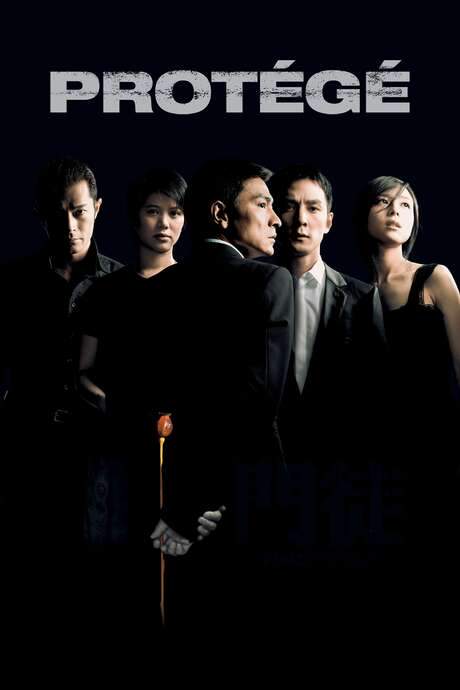



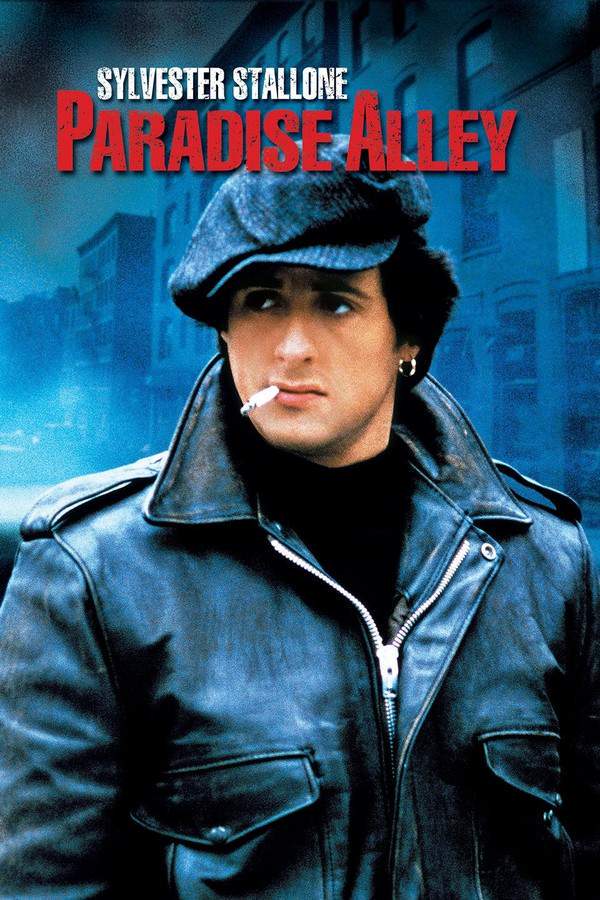

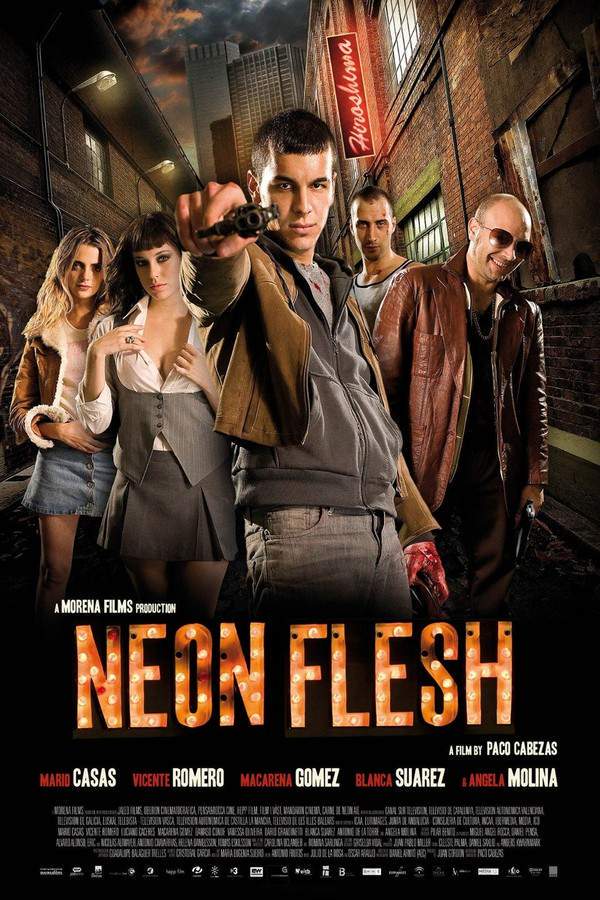

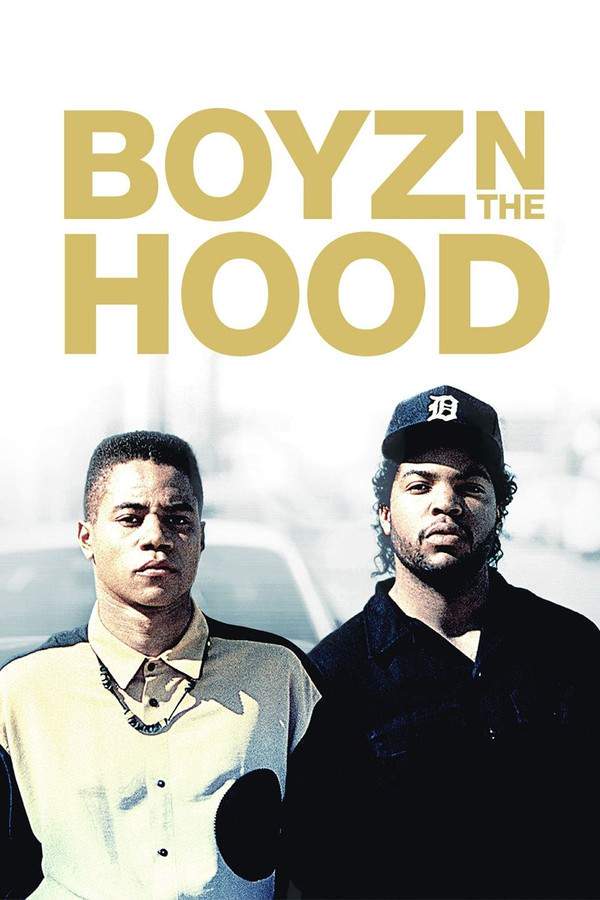

Narrative Summary
These stories typically follow a linear, steady-paced arc where a young character, often in a precarious situation, is taken under the wing of a charismatic but morally compromised adult. The narrative builds tension through escalating criminal activities or dangerous situations, culminating in a climax where the mentor's true nature is revealed, shattering the youth's idealism and forcing a drastic, often bittersweet, maturation.
Why These Movies?
Movies are grouped here based on their shared focus on the poignant and tragic dynamic of a failed mentorship. They unite through a dark, gritty tone, high emotional weight, and a steady pacing that allows the tension and disillusionment to build authentically, creating a powerful and often heartbreaking viewing experience.
Movies set over one intense day like LUV
Intense, compressed dramas where a single day forces a life-altering choice.Fans of LUV will appreciate this selection of movies with a similar compressed timeline, where a single day becomes a crucible for the main character. These films share a high-intensity, steady pacing and a dark, gritty tone, delivering stories of urban survival and life-altering decisions that resonate with the feel of LUV.

Night and the City
1950

Another Day in Paradise
1998

City of Hope
1991

Over the Edge
1979

Sun and Concrete
2023
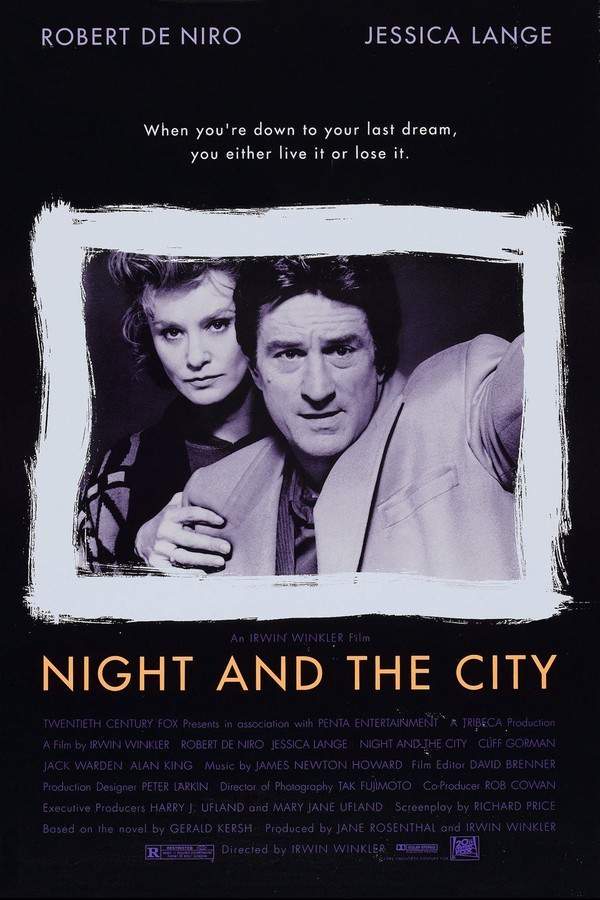
Night and the City (re-release)
2003
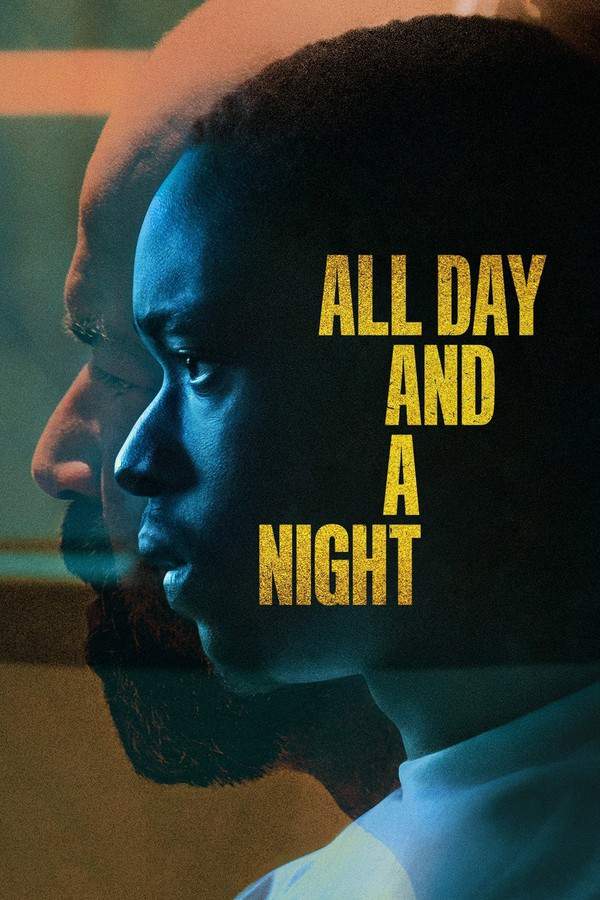
All Day and a Night
2020
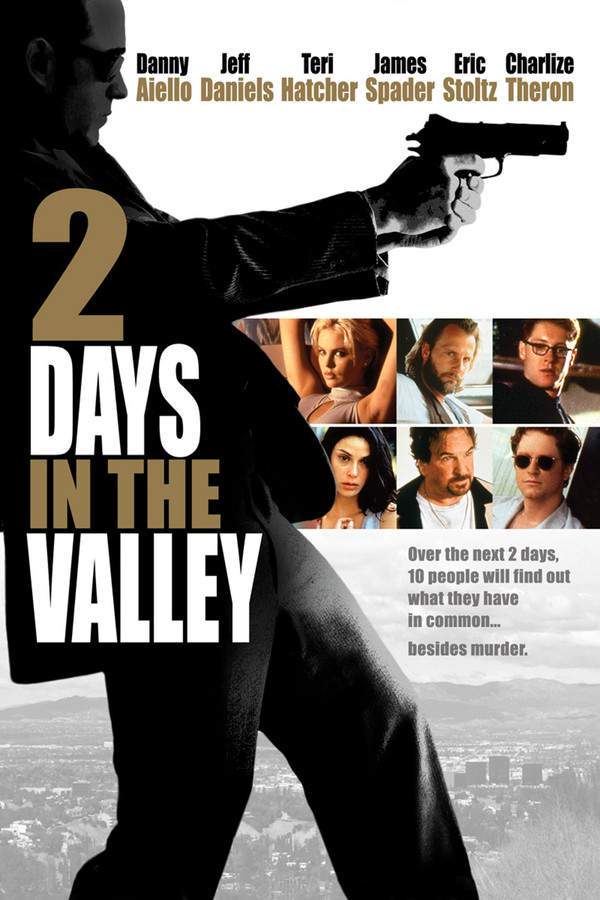
2 Days in the Valley
1996
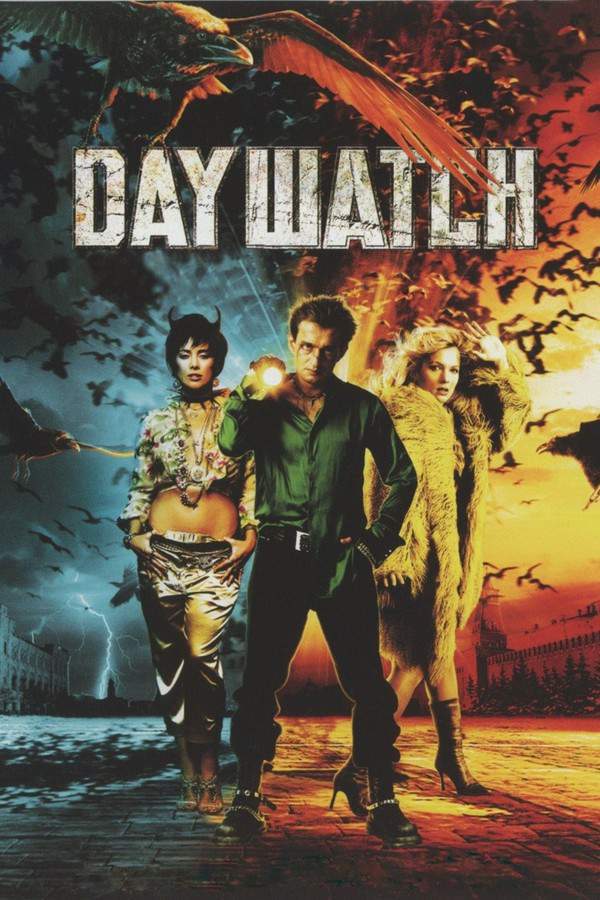
Day Watch
2007

City Lights
2014

City of Tiny Lights
2016
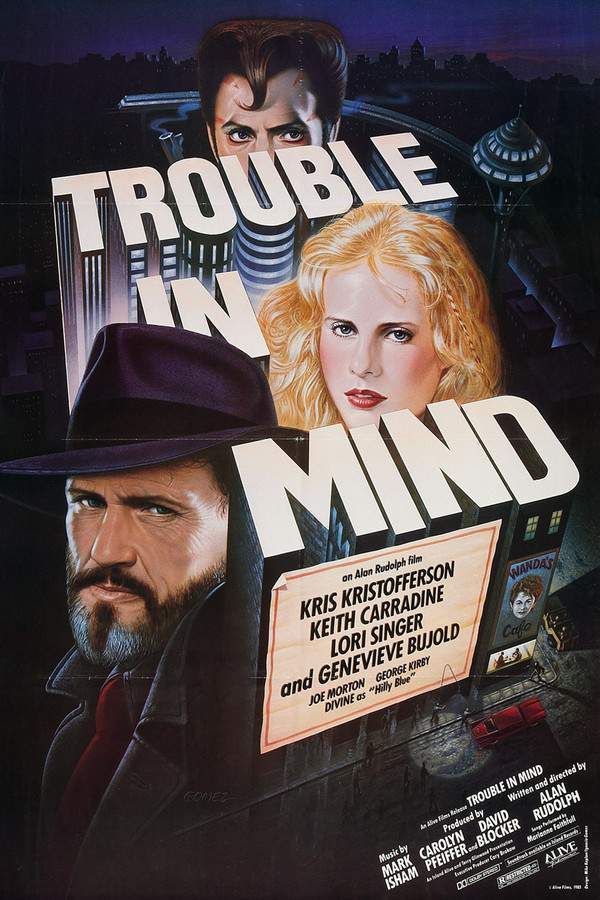
Trouble in Mind
1986

City of Industry
1997

Night Always Comes
2025
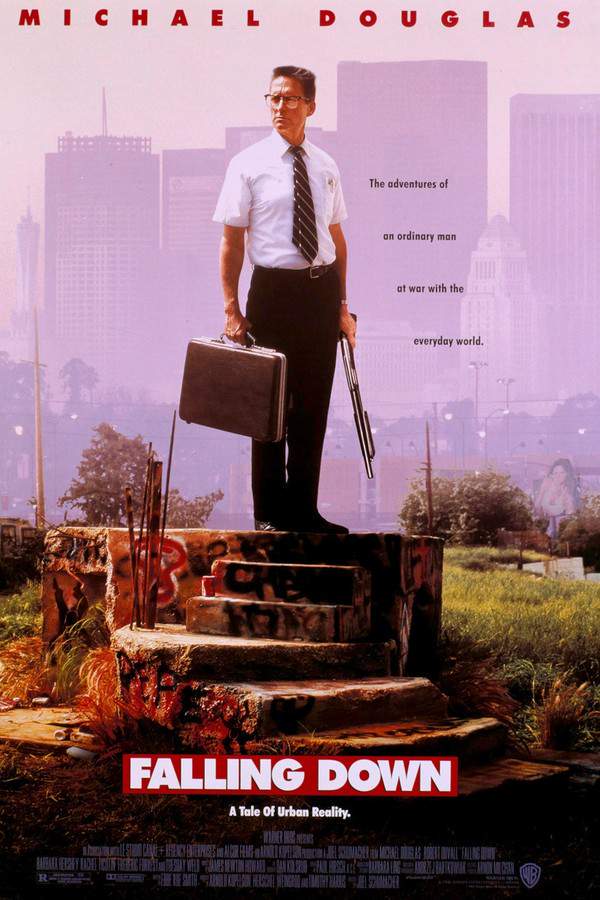
Falling Down
1993
Narrative Summary
The narrative pattern involves a condensed timeline—often just one day—that serves as a pressure cooker for the main character. A steady pace builds through a sequence of interconnected, tense encounters, gradually raising the stakes until a violent or emotionally shattering climax forces a irreversible decision or realization, resulting in a bittersweet or bleak ending where the character's life is fundamentally changed.
Why These Movies?
These films are connected by their structural choice of a compressed timeline, which amplifies tension and emotional impact. They share a high-intensity, gritty aesthetic, a steady pacing that mimics real-time pressure, and a focus on how a short period of extreme stress can catalyze a profound loss of innocence or moral turning point.
Unlock the Full Story of LUV
Don't stop at just watching - explore LUV in full detail. From the complete plot summary and scene-by-scene timeline to character breakdowns, thematic analysis, and a deep dive into the ending - every page helps you truly understand what LUV is all about. Plus, discover what's next after the movie.
LUV Timeline
Track the full timeline of LUV with every major event arranged chronologically. Perfect for decoding non-linear storytelling, flashbacks, or parallel narratives with a clear scene-by-scene breakdown.

Characters, Settings & Themes in LUV
Discover the characters, locations, and core themes that shape LUV. Get insights into symbolic elements, setting significance, and deeper narrative meaning - ideal for thematic analysis and movie breakdowns.


