Year: 1991
Runtime: 96 mins
Language: English
Director: Michael Schultz
A Comedy About Going From Downtown To Uptown, From Hip-Hop To Straight To The Top! A young black reporter begins to lose his identity.
Warning: spoilers below!
Haven’t seen Livin’ Large! yet? This summary contains major spoilers. Bookmark the page, watch the movie, and come back for the full breakdown. If you're ready, scroll on and relive the story!
Read the complete plot breakdown of Livin’ Large! (1991), including all key story events, major twists, and the ending explained in detail. Discover what really happened, and what it all means.
Dexter Jackson (Terrence C. Carson) is a young, Black deliveryman in Atlanta who dreams of becoming a news reporter. He gets what he considers his big break when he drives up to a hostage situation. When the reporter on the scene is killed, Dexter steps in and confronts the hostage-taker, who threatens to kill himself on live television. However, Dexter talks the man out of it, and ratings-obsessed executive producer Kate Penndragin (Blanche Baker) offers Dexter a reporter position at News 4 Atlanta.
A recurring gag throughout the film involves Jackson seeing himself on TV with notably different facial features, i.e. thinner lips, straight hair, and a lighter complexion. As Kate tries to transform Dexter’s urban image (mainly his dreadlocks, clothing, and vocabulary), he begins questioning whether he’s starting to sell out as he becomes more and more successful. In other words, he wonders whether becoming successful also means becoming “white”.
Although Dexter begins to fulfill his dream, he also starts forgetting where he came from and begins destroying his important relationships. He alienates those close to him with tabloid-style exposé stories, such as a local barber’s illegal numbers racket and a restaurant’s unhealthy cooking style. Dexter loses his fiancée Toynelle Davis (Lisa Arrindell) after a night on the town results in him spending the night with ditzy weather forecaster Missy Carnes (Julia Campbell). Dexter also betrays his best friend and narrator Baker Moon (Nathaniel Hall) by revealing a local criminal’s plan to commit grand theft auto, a plan Baker secretly confided to Dexter. As a result of the report, Baker winds up in the hospital.
After longtime anchor Clifford Worthy (Bernie McInerney) loses it on the air, Kate promotes Dexter to lead anchor and teams him with Missy, much to his chagrin. Kate also arranges a live marriage between the two, which she plans to exploit for ratings. However, in the end, Dexter comes to his senses and calls off the wedding, deciding to go back to Toynelle. Finally admitting his fault for the entire ordeal, he publicly apologizes to those he stepped over. Dexter finally (and truly) reaches his goal, becoming co-anchor at News 4 Atlanta, alongside Clifford Worthy.
Last updated: October 09, 2025 at 15:00
Explore frequently asked questions about Livin’ Large! (1991) with spoiler-rich answers covering the full plot summary, major story beats, character motivations, hidden details, and ending meaning. This movie summary FAQ helps explain confusing scenes, plot twists, and narrative decisions in clear, searchable detail.
Dexter revealed Baker's inside knowledge about a criminal's grand theft auto plan on air, even though Baker had confided it to him in confidence. Dexter prioritized a ratings-boosting exposé over his friendship, prioritizing his career advancement over loyalty. The betrayal resulted in Baker being hospitalized, showing the extreme cost of Dexter's willingness to sacrifice personal relationships for professional success.
The gag shows Dexter's transformed appearance on screen, thinner lips, straighter hair, lighter complexion, representing how his image is being sanitized to fit mainstream television. It visually demonstrates his internal conflict about selling out his Black identity to achieve mainstream success. The surreal moment recurs as he rises in prominence, foreshadowing his loss of authentic self.
After a night on the town, Dexter spent the night with ditzy weather forecaster Missy Carnes, ending his engagement with Toynelle. This represents how Dexter's pursuit of his new lifestyle and career caused him to abandon his roots and the people who supported him before his success. His growing ambition and disconnection from his past led him to make impulsive, self-destructive choices.
Kate orchestrated a televised marriage between Dexter and Missy purely for ratings. As an executive producer obsessed with viewership, she wanted to exploit the personal lives of her anchors to boost News 4 Atlanta's numbers. The marriage was entirely a ratings stunt, not a genuine relationship, which is why Dexter ultimately called it off.
Dexter came to his senses and realized he was losing himself completely to his career and image. He chose to return to his true roots and real love, Toynelle Davis, rejecting the artificial persona his career was pushing him toward. This decision represents his rejection of superficial success in favor of authentic identity and genuine relationships.
Dexter's rapid rise happened after he talked a hostage-taker out of killing himself on live television during a crisis. Executive producer Kate Penndragin was impressed by the ratings his heroic moment generated and offered him a reporter position. When longtime anchor Clifford Worthy had an on-air meltdown, Kate immediately promoted Dexter to lead anchor, capitalizing on his ratings potential.
Dexter agreed to the image makeover because executive producer Kate Penndragin convinced him his urban appearance, dreadlocks, clothing, vocabulary, wasn't suitable for mainstream television. Believing success meant conforming to white corporate standards, Dexter went along with the transformation. This represents the film's central theme about whether achieving mainstream success requires abandoning one's racial identity.
As Dexter's career climbed, he systematically destroyed his important relationships. He lost his fiancée Toynelle after cheating, betrayed his best friend Baker Moon by revealing confidential information, and alienated people close to him with tabloid-style exposés. His pursuit of ratings and success came at the cost of everyone who supported him before his fame.
Dexter publicly admitted his faults to those he had stepped over during his rise to fame, acknowledging the harm his pursuit of ratings caused. This public accountability marked his redemption arc, showing he had learned that authentic success requires respecting others. The apology was the turning point where he reconciliated his career goals with his moral values.
Dexter achieved his original dream of becoming a news anchor, but this time authentically and alongside the seasoned Clifford Worthy. Unlike his earlier superficial success, this achievement came after he rejected the fake marriage, apologized for his betrayals, and returned to his roots. The ending suggests he can now succeed without selling out his identity.
Discover curated groups of movies connected by mood, themes, and story style. Browse collections built around emotion, atmosphere, and narrative focus to easily find films that match what you feel like watching right now.
Comedic stories about achieving success at the cost of your authentic self.If you liked the comedic rise and identity crisis in Livin’ Large!, you'll enjoy these movies that explore ambition and selling out with a satirical edge. Discover similar energetic comedies and dramas about characters navigating career success and personal authenticity.
Stories in this thread typically feature a protagonist from humble beginnings who experiences a rapid ascent in a glamorous or high-pressure world. The central conflict arises as their success forces them to compromise their values and relationships, leading to an identity crisis that is resolved through self-awareness, often culminating in a happy ending where they reclaim their true self.
Movies are grouped here for their shared focus on the comedic exploration of ambition, their use of satire to comment on media or culture, and their examination of the personal cost of success. They balance a light tone with introspective themes, creating an entertaining yet thought-provoking vibe.

Fast-paced stories blending humor with light introspective themes.Find more movies like Livin’ Large! that capture the specific energetic and introspective vibe of 90s comedy-dramas. These films blend humor with light drama, featuring fast-paced stories about ambition, relationships, and finding your place in the world.
The narrative pattern involves a protagonist navigating a specific slice of 90s life—career, relationships, or personal growth—through a series of comedic misadventures and lessons. The storytelling is straightforward and driven by charismatic characters, leading to a conclusively happy ending that reinforces a feel-good, hopeful message.
These movies are grouped by their shared era-specific aesthetic, their successful blend of comedy and light drama, and their overall energetic and optimistic mood. They provide a cohesive experience defined by a particular time period and a balanced, accessible approach to storytelling.
Don't stop at just watching - explore Livin’ Large! in full detail. From the complete plot summary and scene-by-scene timeline to character breakdowns, thematic analysis, and a deep dive into the ending - every page helps you truly understand what Livin’ Large! is all about. Plus, discover what's next after the movie.
Track the full timeline of Livin’ Large! with every major event arranged chronologically. Perfect for decoding non-linear storytelling, flashbacks, or parallel narratives with a clear scene-by-scene breakdown.
Discover the characters, locations, and core themes that shape Livin’ Large!. Get insights into symbolic elements, setting significance, and deeper narrative meaning - ideal for thematic analysis and movie breakdowns.
Discover movies like Livin’ Large! that share similar genres, themes, and storytelling elements. Whether you’re drawn to the atmosphere, character arcs, or plot structure, these curated recommendations will help you explore more films you’ll love.
Livin’ Large! (1991) Scene-by-Scene Movie Timeline
Livin’ Large! (1991) Movie Characters, Themes & Settings
Livin’ Large! (1991) Spoiler-Free Summary & Key Flow
Movies Like Livin’ Large! – Similar Titles You’ll Enjoy
Life or Something Like It (2002) Film Overview & Timeline
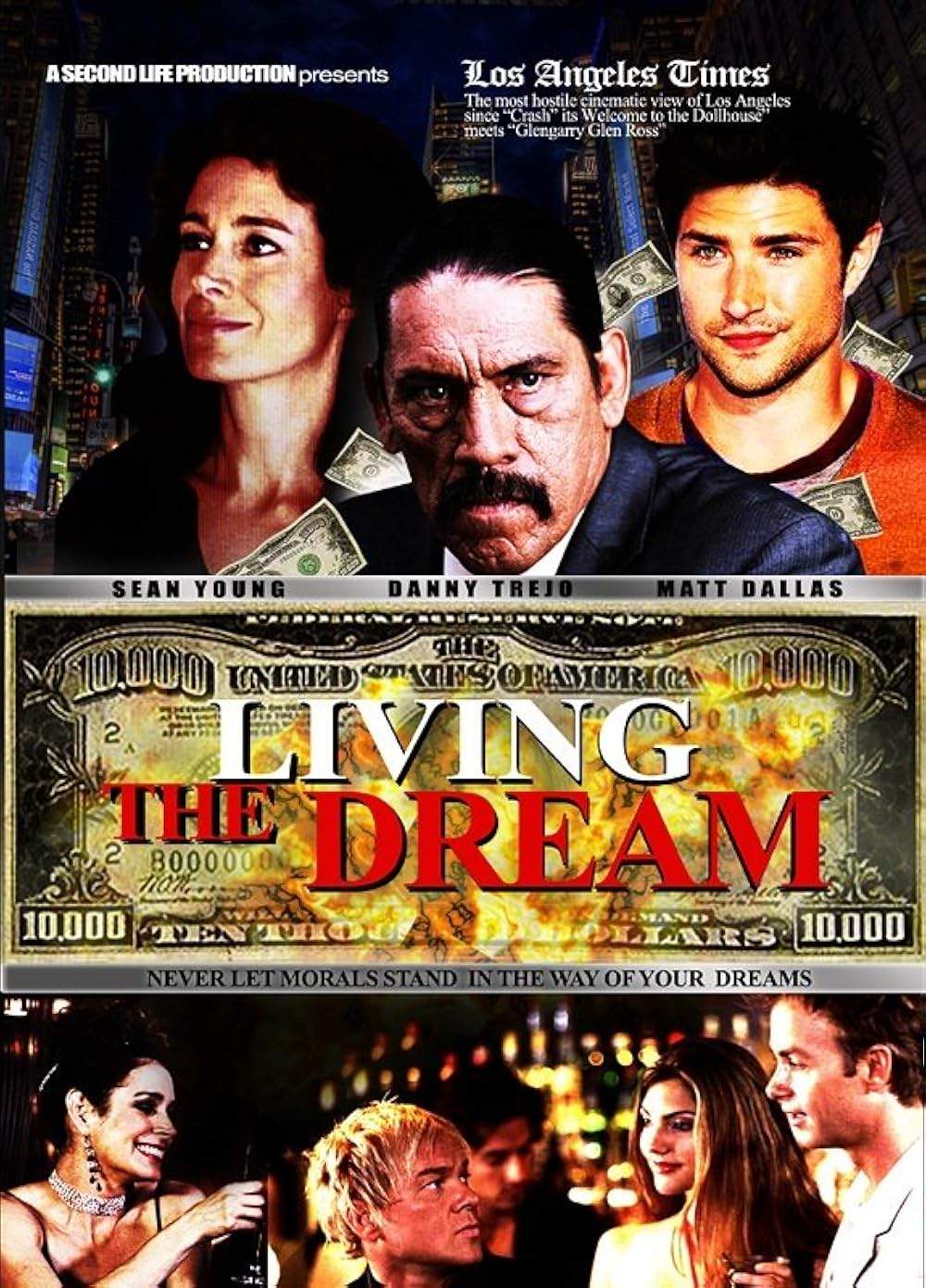
Living the Dream (2006) Movie Recap & Themes
Man About Town (2006) Movie Recap & Themes
Rappin’ (1985) Full Summary & Key Details
Big City (1948) Film Overview & Timeline
Living in a Big Way (1947) Film Overview & Timeline
Small Town Girl (1953) Detailed Story Recap
Big Business Girl (1931) Story Summary & Characters
Big City Blues (1932) Story Summary & Characters
Let’s Live a Little (1948) Story Summary & Characters
C’mon, Let’s Live a Little (1967) Detailed Story Recap
Live It Up! (1963) Detailed Story Recap
Uptown Saturday Night (1974) Plot Summary & Ending Explained
I Live My Life (1935) Spoiler-Packed Plot Recap
Easy Living (1937) Full Summary & Key Details