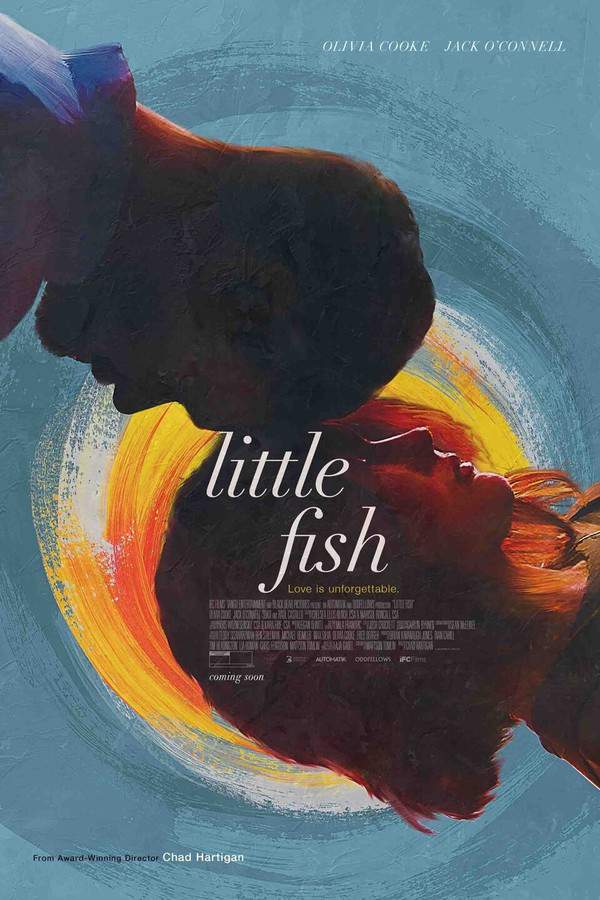
Little Fish follows Tracy Heart, a former heroin addict who is determined to outpace her troubled past and carve out a new future, set against the backdrop of Cabramatta, a Sydney suburb where heroin is all too easy to obtain. She lives with her mother and her brother Ray, and she dreams of earning enough money to become a partner in the video store where she works. Yet every loan application she submits is turned down by finance providers who are wary of her past: a criminal record, strained credit card debt, a history of drug use, and a lack of collateral. To cope, Tracy fabricates a story about having received the loan, a convenient lie she shares with both her mother and her boss. This pattern of casual deception—the little falsehoods people tell to keep moving forward—becomes one of the central threads of the film’s exploration of honesty, fear, and the costs of ambition.
Amid this financial pressure, Tracy also tries to support her drug-addicted stepfather, Lionel Dawson, a former National Rugby League star, in his battle to kick heroin. The family’s struggles are complicated by Tracy’s own needs and the sense that time is slipping away. Into this precarious mix returns her former partner, Jonny Nguyen, after a four-year absence in Vancouver. He arrives wearing a business-like suit and claims to work as a stockbroker at a large firm, suggesting he might be able to unlock the money Tracy desires through share trading. The rekindling of their romance introduces hope, but it is shaded by the truth that Jonny’s life has not been as straightforward as he presents.
Tracy’s optimism is jolted when she visits Jonny’s supposed workplace and uncovers a difficult truth: Jonny is not a stockbroker, and his stated job is a lie. Worse, he has become entangled in a drug deal with Ray. Faced with the reality that legitimate avenues for financing are closed off and that deception has long shadowed her life, Tracy makes a hard choice. She decides to involve herself in the drug deal, seeing it as the only route to secure the funds she believes will finally let her become a partner in the video store and provide for those she cares about.
Together, Tracy, Ray, and Jonny set their plan in motion, stepping into a dangerous world where trust frays and every decision carries a heavy consequence. The execution of the deal spirals toward tragedy, testing loyalties and exposing the fragility of the relationships that Tracy holds dear. In the climactic moments, Tracy’s courage and her deep love for her family and those she wants to protect are laid bare, revealing a woman who is willing to risk everything in the name of a future she desperately seeks.
Little Fish is a restrained, character-driven drama that uses its intimate scope to examine how past choices reverberate through the present. It probes the costs of striving for a better life, the moral gray areas that people inhabit when survival is at stake, and the complicated bonds of family, loyalty, and desire. The film’s quiet, observational style invites viewers to weigh the appeals and dangers of each decision Tracy makes, delivering a story that is as much about the look of a community and the weight of history as it is about the outcomes of second chances.