









Plot Explained Spoilers guaranteed!
Plot Explained

Browse by genre

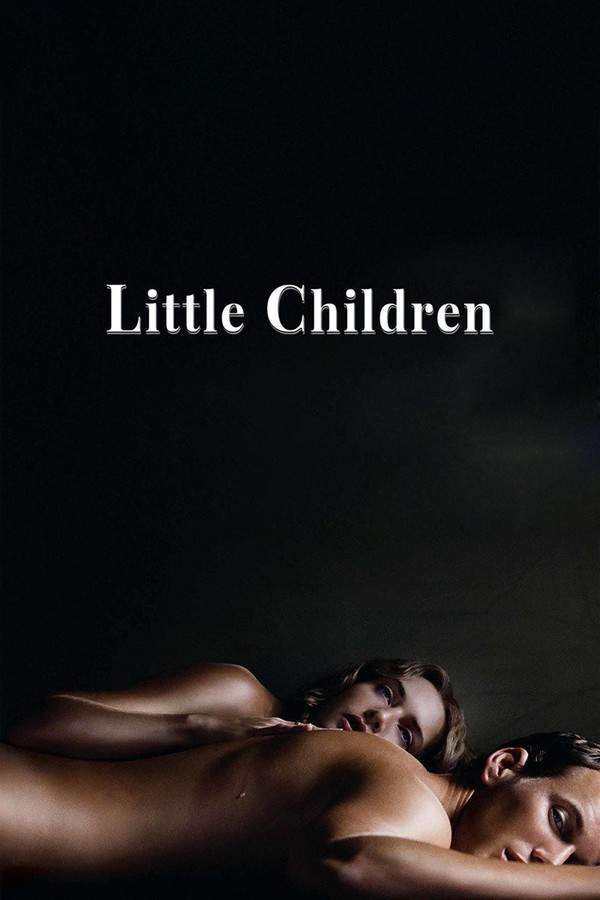
Little Children (2006) movie poster

Spoiler-Free Summary

Little Children (2006) Spoiler-Free Summary – What It's About

Release, runtime and language
2006 · 136 min · English
JustWatch #11,998 5
Directed by
Todd Field
Starring
Patrick Wilson, Jennifer Connelly, Kate Winslet, Jackie Earle Haley
Budget
$26M

Sarah, feeling constrained by her life and marriage, finds an unexpected connection with Brad, a stay-at-home father grappling with unfulfilled ambitions. Their relationship develops as they navigate the complexities of family, suburban life, and personal longing. The story explores themes of desire, regret, and the search for meaning beyond societal expectations, revealing the quiet desperation that can lie beneath the surface of seemingly ordinary lives.

On this page (8)
  1. 1 Where to watch
  2. 2 What it is about
  3. 3 Is it worth watching?
  4. 4 After you watch
  5. 5 The book behind the movie
  6. 6 Movie threads
  7. 7 Movies like Little Children
  8. 8 Every angle

Where to watch

Where to Watch Little Children (2006)

Where can you watch Little Children? Stream, rent or buy it in the US, including on Plex, Tubi TV and Amazon Video: current JustWatch availability with up-to-date prices.

Streaming availability powered by JustWatch

Spoiler-free summary · safe to read

What Is Little Children About? (No Spoilers)

The plot of Little Children (2006) without spoilers: what it is about, who it follows and where it takes place, told without the twists or the ending. Enough to decide whether it is your next watch, not enough to ruin it.

In a leafy Massachusetts suburb, ordinary houses line quiet streets and the rhythm of daily life is marked by school drop‑offs, park swings and the soft hum of conversation over picket fences. Beneath the well‑kept lawns lies a world where unspoken yearning and restless curiosity linger like a faint perfume, giving the community a gentle, almost cinematic ambience that feels both intimate and a little unsettling.

Sarah Pierce is a thirty‑year‑old mother who once chased a doctorate in English before swapping lecture halls for school runs and bedtime stories. Married to Richard, she watches her own aspirations dim as the routine of caring for their five‑year‑old daughter, Lucy, and managing a circle of fellow mothers becomes her new terrain. Though surrounded by supportive friends, Sarah feels an ache of confinement and a quiet longing for a sense of desirability that has slipped away in the sameness of suburban adulthood.

Brad Adamson lives next door with his son, Aaron, and while his days revolve around playgrounds and family duties, an undercurrent of dissatisfaction runs through his marriage to Kathy, a driven documentary filmmaker who pushes him toward a career he never chose. Brad’s easy charm and the subtle sadness in his eyes hint at a man searching for purpose beyond the expectations placed upon him by a partner whose ambitions eclipse his own.

When the two parents' paths cross in the park, a tentative friendship begins to blossom, offering each a glimpse of something beyond the roles they have inhabited for years. Their conversations unfold with a mix of humor and melancholy, suggesting that the pull of shared longing can be both a balm and a disruption. The film settles into a tone that is at once gentle and probing, inviting viewers to contemplate how desire, regret, and the quest for meaning can surface in the most familiar of settings, while leaving the true direction of their connection tantalizingly open.

Last updated: August 10, 2025 at 09:57

Was this helpful?

What to expect

Is Little Children Worth Watching? What It Feels Like

Is it dark, sad, slow, intense or confusing? The mood of Little Children (2006) in a few tags, without a word about how it ends. Each tag opens a list of movies that feel the same.

After you watch

Seen Little Children? Now Read the Spoilers

Once you have watched Little Children (2006), come back for the full story: the plot summary with spoilers, the timeline in chronological order, the characters and meaning.

Movie threads

More Movies Like Little Children, by Mood & Story

Curated lists built around what makes Little Children tick: the same mood, the same kind of story or the same emotional payoff. Each list explains why these movies belong together.

Movies about suburban affairs and melancholy like Little Children

Forbidden relationships bloom in the quiet desperation of seemingly perfect lives. If you liked the emotional weight and quiet tension of Little Children, this thread features similar movies about marital dissatisfaction and forbidden romance. These dramas capture the melancholy and yearning of characters grappling with societal expectations and personal regret in seemingly ordinary settings.

  • melancholic
  • tense
  • yearning
  • regretful
  • desperate
  • introspective
  • Tone: melancholic, tense, bittersweet
  • Pacing: steady, character-driven
Why these movies?

The story pattern: These stories typically follow characters, often parents or spouses, who feel stifled by their routines and unfulfilled ambitions. A chance encounter or a spark of attraction leads to a clandestine relationship that becomes a catalyst for self-discovery, forcing characters to confront their unhappiness. The narrative often unfolds with a steady, introspective pace, building towards a climax that reveals the painful cost of their desires, resulting in a bittersweet or sobering resolution.

Why they belong together: Movies are grouped here because they share a specific mood of melancholic yearning and a thematic focus on the gap between societal ideals of family life and the private reality of loneliness and regret. They feature a similar tone of tense, quiet desperation, a steady character-driven pace, and explore the heavy emotional fallout of adultery and personal crisis.
Slow-burn character studies with heavy emotion like Little Children

Stories where internal turmoil simmers beneath a calm surface. Fans of Little Children's deep character exploration and steady pacing will find more movies here. This thread collects nuanced dramas where the primary conflict is internal, focusing on the quiet desperation and emotional turmoil of characters grappling with their life choices and identities.

  • introspective
  • slow burn
  • psychological
  • claustrophobic
  • desperate
  • yearning
  • Tone: introspective, melancholic, tense
  • Pacing: steady, slow-burn
Why these movies?

The story pattern: The narrative pattern is one of introspection and gradual unfolding. The plot is secondary to the exploration of character psychology, often using a steady pace to immerse the viewer in the protagonist's world. Conflict arises from internal struggles with ambition, conformity, and regret, leading to moments of tense realization and a climax that is more emotional than action-based, leaving the characters permanently changed.

Why they belong together: These films are connected by their commitment to psychological realism and a specific pacing that allows for deep character immersion. They share a heavy emotional weight, a melancholic or tense tone, and a focus on the theme of 'quiet desperation'—the profound dissatisfaction that can exist within a conventional life.

If you liked this

Movies Like Little Children

Similar movies to Little Children: the same genre, themes or kind of story. Each one comes with its own plot summary, timeline and ending explained.

Browse all movie summaries

Every angle

Little Children (2006) Explained: Plot, Timeline & Characters

Everything about Little Children in one place: what happens in the plot summary, the timeline in chronological order, the characters and meaning and a spoiler-free summary. What's After the Movie adds the cast, box office and post-credit scenes.

Coming soon on iOS and Android

The Plot Explained Movie Summary App

Plot summaries, endings explained and timelines on your phone. Catch up on any movie in minutes, save your favorites and never miss a twist again.

Be the first to know when we launch. Your email stays private, always.

Learn more about the app