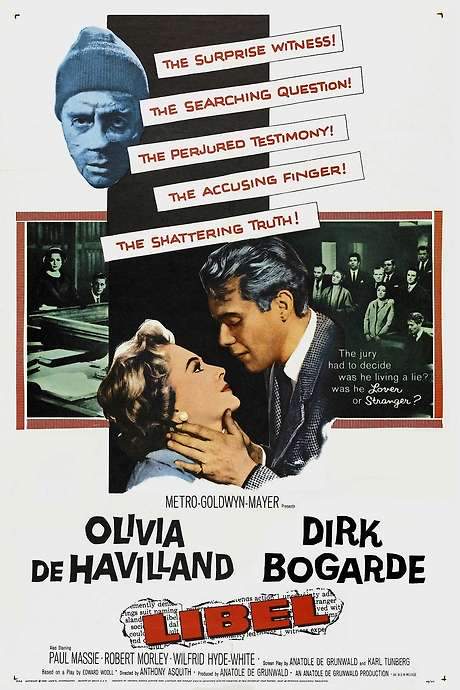






Libel

Libel

Year: 1959

Runtime: 100 mins

Language: English

Director: Anthony Asquith

MysteryThrillerDrama

An unsettling series of clues—unexpected witness, relentless questioning, false testimony, accusations, and a devastating revelation—unfolds when a California commercial pilot watches a London broadcast of an interview with Sir Mark Lodden at his estate. Convinced the aristocrat is an impostor, the pilot believes the baronet is actually a look‑alike actor, Frank Welney.

Warning: spoilers below!

Haven’t seen Libel yet? This summary contains major spoilers. Bookmark the page, watch the movie, and come back for the full breakdown. If you're ready, scroll on and relive the story!

Timeline & Setting – Libel (1959)

Explore the full timeline and setting of Libel (1959). Follow every major event in chronological order and see how the environment shapes the story, characters, and dramatic tension.

Time period

1940s–1950s

The narrative threads through the Dunkirk evacuation in 1940, the spring 1945 escape toward Allied lines, and the postwar legal proceedings that follow. The wartime trauma shapes both memory and motive, while the libel trial situates these memories in the late-1940s to early-1950s social milieu. The film juxtaposes frontline experiences with a later courtroom battle over truth.

Location

London, England, German POW camps in Germany, near the Dutch border (Netherlands)

London serves as the modern backdrop where the libel trial unfolds and Buckenham confronts the Loddon impostor. The story also visits the Loddon family’s English estate, anchoring the drama in heritage and social status. Wartime locations — a German POW camp, later a countryside escape toward the Dutch border — provide the memories that drive the characters' motives and the courtroom revelations.

🎬 London setting 🏰 Ancestral home in England 🗺️ Wartime journeys

Last Updated: October 04, 2025 at 15:57

Main Characters – Libel (1959)

Meet the key characters of Libel (1959), with detailed profiles, motivations, and roles in the plot. Understand their emotional journeys and what they reveal about the film’s deeper themes.

Sir Mark Loddon / Frank Wellney / Number Fifteen (Dirk Bogarde)

A baronet and wartime survivor whose memory is fractured by trauma. His identity is disputed as Buckenham and witnesses confuse him with an impostor. The case hinges on recollections from the war and the clues that surface in the courtroom.

🎭 Aristocracy 🧠 Memory 🕵️ Identity

Jeffrey Buckenham (Paul Massie)

Canadian WWII veteran pilot who believes Loddon is an impostor. He campaigns to expose the truth by going to a tabloid, driven by memory of a shared POW camp and a sense of justice. His actions spark the libel case and the confrontation that reveals wartime secrets.

🧭 Memory 🔎 Investigation 🎖️ Duty

Lady Margaret Anne Loddon (Olivia de Havilland)

Loddon's wife, torn between her husband and the impostor, and she begins questioning her own memory. She becomes a key witness whose testimony shifts as the truth emerges. Her doubt and loyalty drive the courtroom drama and the emotional arc.

💍 Marriage 🧭 Loyalty 🗣️ Doubt

Gerald Loddon (Anthony Dawson)

The scheming cousin who pushes Buckenham to publish the story and orchestrates the libel suit. He represents manipulation and self-interest within aristocratic circles. His role adds tension and questionable motives to the trial.

🎭 Manipulation 🧠 Scheming 🕵️ Motives

Hubert Foxley (Wilfrid Hyde-White)

Defence barrister who unveils a courtroom twist by bringing Number Fifteen into the limelight, turning the case around. He navigates the tension between belief and evidence with skill and theatrics. His performance is pivotal to resolving the case.

⚖️ Lawyer 🗣️ Orator 🧭 Strategist

Number Fifteen (Disfigured former prisoner)

A disfigured former prisoner found in a German asylum, whose existence reframes the entire case as the real Loddon. His appearance and scars provide the crucial evidence that triggers the memory return, and he is central to the revelation of truth. His presence unsettles the courtroom and forces a final confrontation.

🧩 Mystery 🩸 Trauma 🧭 Truth

Last Updated: October 04, 2025 at 15:57

Major Themes – Libel (1959)

Explore the central themes of Libel (1959), from psychological, social, and emotional dimensions to philosophical messages. Understand what the film is really saying beneath the surface.

🧠 Identity

The story centers on who a person truly is when memory falters and faces are misremembered. Two men resemble each other, blurring lines between hero and impostor. The libel case becomes a probe into which memories can be trusted and which are memories warped by trauma. Identity is revealed not just by facts, but by how people choose to remember the past.

⚖️ Truth

The courtroom becomes a battleground over what counts as truth when memory is unreliable. Testimonies collide with physical clues from the war, forcing characters to weigh belief against evidence. The film questions whether truth is an objective fact or a narrative that people prefer to believe. Resolution hinges on uncovering the real sequence of events rather than the version most convenient to powerful interests.

⏳ Memory

Memory is shown as fragmentary and fallible, shaped by fear, time, and trauma. Wounds, scars, and forgotten details resurface to unlock forgotten moments. The past repeatedly intrudes on the present, forcing characters to re-evaluate loyalties and motives. Time ultimately bridges memory and revelation, guiding the truth toward the light of reconciliation.

Last Updated: October 04, 2025 at 15:57

Mobile App Preview

Coming soon on iOS and Android

The Plot Explained Mobile App

From blockbusters to hidden gems — dive into movie stories anytime, anywhere. Save your favorites, discover plots faster, and never miss a twist again.

Sign up to be the first to know when we launch. Your email stays private — always.

Explore Movie Threads

Discover curated groups of movies connected by mood, themes, and story style. Browse collections built around emotion, atmosphere, and narrative focus to easily find films that match what you feel like watching right now.

Courtroom identity dramas like Libel

Legal battles where a person's entire identity becomes the evidence on trial.If you liked the tense identity investigation in Libel, you'll enjoy these movies where a person's very existence is put on trial. These similar legal thrillers and courtroom dramas focus on high-stakes cases of impersonation, amnesia, and contested pasts, creating suspenseful stories about truth and self.

tensecerebralanxiouslegal dramaunsettlinginvestigativepsychological

Narrative Summary

The narrative follows a legal case, typically a libel suit or similar proceeding, where one party claims another is an impostor or living a false life. The plot unfolds through the presentation of conflicting evidence and witness testimony, delving into themes of memory, trauma, and deception, building towards a climactic revelation that confirms or shatters the contested identity.

Why These Movies?

These movies are grouped by their unique blend of legal thriller structure and deep psychological mystery. They share a tense, cerebral tone, a steady pacing that mirrors the methodical nature of a trial, and a high-intensity focus on the existential threat of having one's identity publicly dismantled.
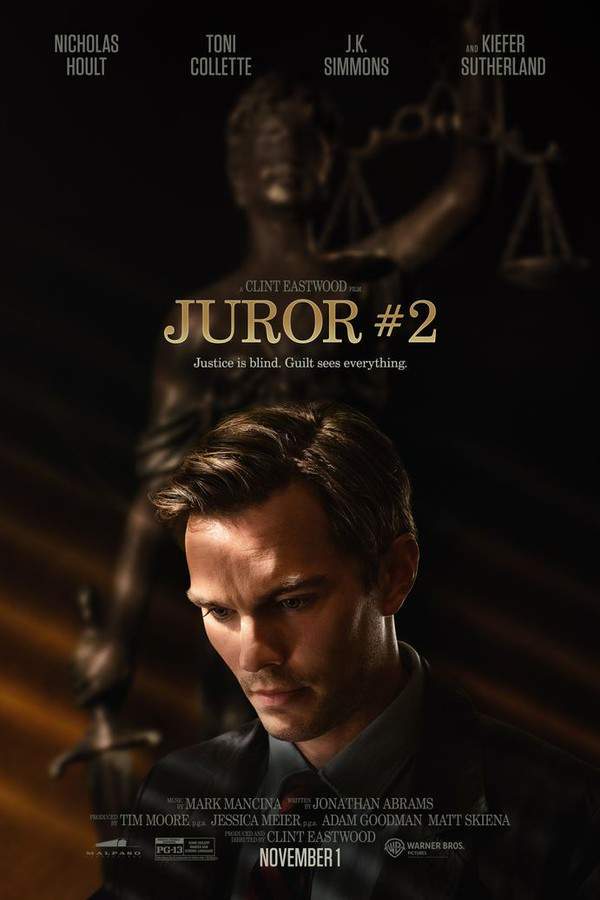
Movies with psychological unmasking like Libel

Stories where the truth about a person is slowly and relentlessly uncovered.Fans of Libel's methodical reveal of a hidden truth will appreciate these similar movies. Discover tense thrillers and dramatic investigations where a character's facade is slowly dismantled, exploring themes of betrayal, war trauma, and the fragility of memory in a consistently suspenseful and cerebral way.

suspensefulanxiouscerebralunsettlinginvestigativepsychological dramatense

Narrative Summary

The narrative pattern involves a protagonist or investigator doggedly pursuing the truth about a suspicious individual. The story unfolds at a steady pace, relying on dialogue, deduction, and the re-examination of past events rather than action. The central conflict is intellectual and psychological, building towards a climax where the hidden truth is definitively revealed, resolving the mystery but often leaving emotional scars.

Why These Movies?

These films share a cohesive vibe defined by a tense, anxious mood, a steady and deliberate pacing that builds suspense, and a moderate narrative complexity centered on a psychological puzzle. They are united by the core experience of watching a carefully constructed identity or secret come undone under pressure.

Unlock the Full Story of Libel

Don't stop at just watching — explore Libel in full detail. From the complete plot summary and scene-by-scene timeline to character breakdowns, thematic analysis, and a deep dive into the ending — every page helps you truly understand what Libel is all about. Plus, discover what's next after the movie.

Libel Summary

Read a complete plot summary of Libel, including all key story points, character arcs, and turning points. This in-depth recap is ideal for understanding the narrative structure or reviewing what happened in the movie.

Libel Summary

Libel Timeline

Track the full timeline of Libel with every major event arranged chronologically. Perfect for decoding non-linear storytelling, flashbacks, or parallel narratives with a clear scene-by-scene breakdown.

Libel Timeline

Libel Spoiler-Free Summary

Get a quick, spoiler-free overview of Libel that covers the main plot points and key details without revealing any major twists or spoilers. Perfect for those who want to know what to expect before diving in.

Libel Spoiler-Free Summary

More About Libel

Visit What's After the Movie to explore more about Libel: box office results, cast and crew info, production details, post-credit scenes, and external links — all in one place for movie fans and researchers.

More About Libel

Similar Movies to Libel

Discover movies like Libel that share similar genres, themes, and storytelling elements. Whether you’re drawn to the atmosphere, character arcs, or plot structure, these curated recommendations will help you explore more films you’ll love.