Year: 1970
Runtime: 104 mins
Language: English
Director: John Boorman
Prince Leo, the last heir of a deposed continental European monarchy, is jaded by the restless, pleasure‑seeking jet‑set. He returns to his father’s London townhouse hoping for quiet, only to confront what it means to be the final member of his lineage.
Get a spoiler-free look at Leo the Last (1970) with a clear plot overview that covers the setting, main characters, and story premise—without revealing key twists or the ending. Perfect for deciding if this film is your next watch.
In the quiet, rain‑slick streets of West London, a faded grandeur lingers behind the cracked façade of an old townhouse. The film opens with Prince Leo, the last scion of a deposed continental monarchy, stepping back into this inherited space after years of drifting among the restless, pleasure‑seeking jet‑set. His aristocratic bearing is tempered by a palpable ennui, and his return is motivated more by the promise of solitude than by any sense of duty. The muted light and the muted sound of distant traffic set a tone that feels both elegiac and slightly absurd, hinting at the dissonance between his noble lineage and the world he now re‑enters.
Beyond the polished front doors, the neighbourhood has transformed into a dense, bustling enclave of narrow alleys and weather‑worn façades. Leo carries a keen, almost scientific curiosity, observing the lives around him through the literal and figurative lens of a spy‑glass. Birds become his initial obsession, a tranquil counterpoint to the pulse of the street, yet his gaze soon shifts to the human drama unfolding just beyond his windows. The atmosphere is thick with the scent of fried food, the clamor of market stalls, and an undercurrent of unspoken struggle, creating a vivid portrait of a community caught between survival and hope.
Inside the house, Leo is accompanied by a small, idiosyncratic circle: Margaret, a social‑climbing fiancée whose ambitions seem at odds with his lethargy; Max, a shadowy family lawyer whose motives are as opaque as the old leather chairs he inhabits; David, a dubious doctor whose remedies feel more theatrical than therapeutic; and Laszlo, the household manager who hints at deeper, perhaps mythic, aspirations for the family’s lost throne. Their interactions are a study in class and complacency, each character embodying a different facet of the lingering aristocratic world that Leo once inhabited. The ensemble’s dialogue crackles with dry wit and underlying tension, underscoring the film’s blend of satire and melancholy.
The mood throughout is one of gentle observation turning into an uneasy awareness. Cinematically, the contrast between the polished interiors of the townhouse and the gritty, colorful street life outside is rendered with a painterly quality, inviting the audience to linger on the details as Leo does. Themes of identity, responsibility, and the weight of a vanished dynasty hover just beneath the surface, promising a journey where the protagonist’s detached gaze may yet be challenged by the very world he once watched from a distance.
Last Updated: December 04, 2025 at 23:10
Discover curated groups of movies connected by mood, themes, and story style. Browse collections built around emotion, atmosphere, and narrative focus to easily find films that match what you feel like watching right now.
Privileged observers who abandon detachment for personal and social rebellion.If you enjoyed the story of Prince Leo's social awakening, you'll find similar movies here. These films feature disillusioned elites and aristocrats who confront class conflict and injustice, often leading to a bittersweet personal transformation. They share a thoughtful, observational mood and a steady narrative pace.
The narrative pattern follows a sheltered, often melancholic, protagonist from a life of privilege as they become conscious of a harsh social reality (like poverty or exploitation). Their journey is internal at first—a period of observation and disillusionment—culminating in a tangible, though often small-scale, act of rebellion that redefines their purpose.
These films are grouped by a shared focus on a specific character arc: from ennui and detachment to a morally conscious, if modest, activism. They blend satirical observation with serious social themes, resulting in a consistently bittersweet tone and medium emotional weight, as the personal victory is tempered by the scale of the problems faced.
Stories where observation of a struggling neighborhood sparks moral crisis.Discover movies similar to Leo the Last that explore urban decay and class conflict through a voyeuristic lens. If you liked the theme of watching a neighborhood's struggle from a privileged perch, these films offer a comparable mix of social commentary, melancholic observation, and a steady, thoughtful pacing.
The plot often unfolds through the literal or metaphorical window of a protagonist who watches a community in crisis. This voyeurism initially creates a sense of safety and detachment, but the narrative slowly erodes this distance, forcing the character—and the viewer—to engage directly with the moral and political dilemmas playing out in the streets below.
This thread connects films through their shared setting and perspective: the decaying urban landscape as a character itself, viewed through the eyes of an outsider. They create a specific mood blending melancholic observation with the tension of social unrest, resulting in a moderate-intensity drama that is more intellectually and emotionally provocative than action-packed.
Don't stop at just watching — explore Leo the Last in full detail. From the complete plot summary and scene-by-scene timeline to character breakdowns, thematic analysis, and a deep dive into the ending — every page helps you truly understand what Leo the Last is all about. Plus, discover what's next after the movie.
Read a complete plot summary of Leo the Last, including all key story points, character arcs, and turning points. This in-depth recap is ideal for understanding the narrative structure or reviewing what happened in the movie.
Track the full timeline of Leo the Last with every major event arranged chronologically. Perfect for decoding non-linear storytelling, flashbacks, or parallel narratives with a clear scene-by-scene breakdown.
Discover the characters, locations, and core themes that shape Leo the Last. Get insights into symbolic elements, setting significance, and deeper narrative meaning — ideal for thematic analysis and movie breakdowns.
Visit What's After the Movie to explore more about Leo the Last: box office results, cast and crew info, production details, post-credit scenes, and external links — all in one place for movie fans and researchers.
Discover movies like Leo the Last that share similar genres, themes, and storytelling elements. Whether you’re drawn to the atmosphere, character arcs, or plot structure, these curated recommendations will help you explore more films you’ll love.
Leo the Last (1970) Scene-by-Scene Movie Timeline
Leo the Last (1970) Movie Characters, Themes & Settings
Leo the Last (1970) Spoiler-Free Summary & Key Flow
Movies Like Leo the Last – Similar Titles You’ll Enjoy
The Last Station (2009) Spoiler-Packed Plot Recap
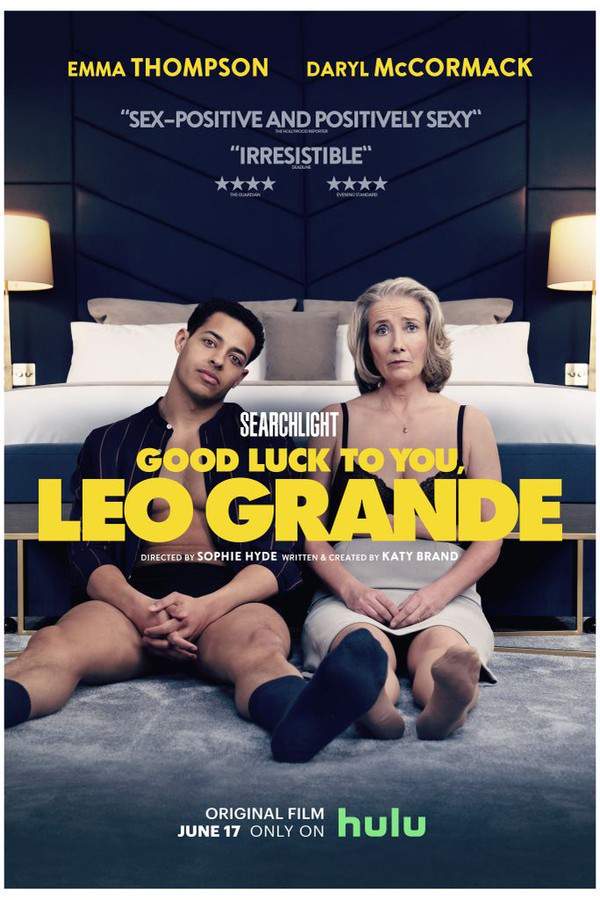
Good Luck to You, Leo Grande (2022) Movie Recap & Themes
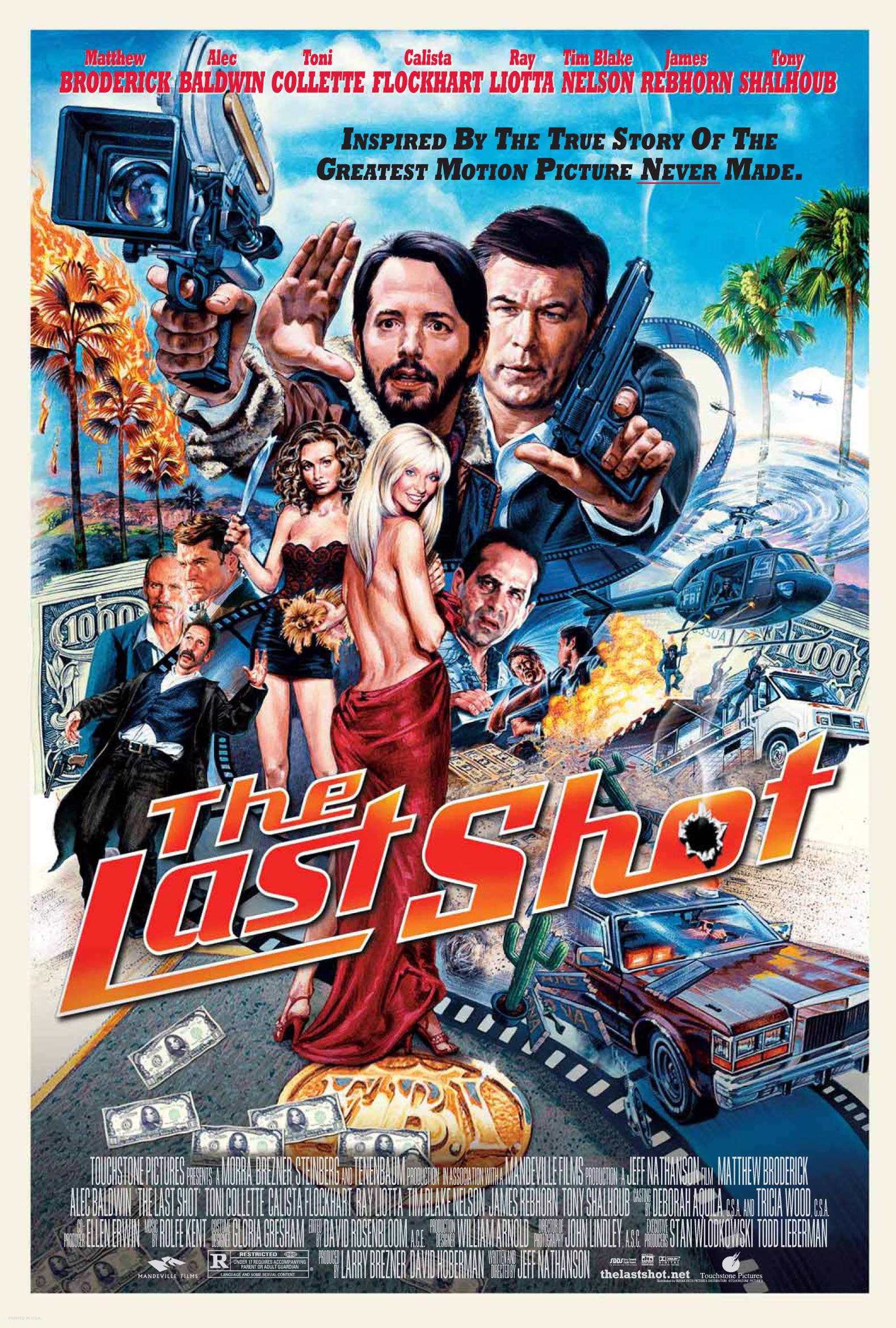
The Last Shot (2004) Detailed Story Recap
The Last Tycoon (1976) Spoiler-Packed Plot Recap
The Last Man (2002) Movie Recap & Themes
WC Masculino (2017) Film Overview & Timeline
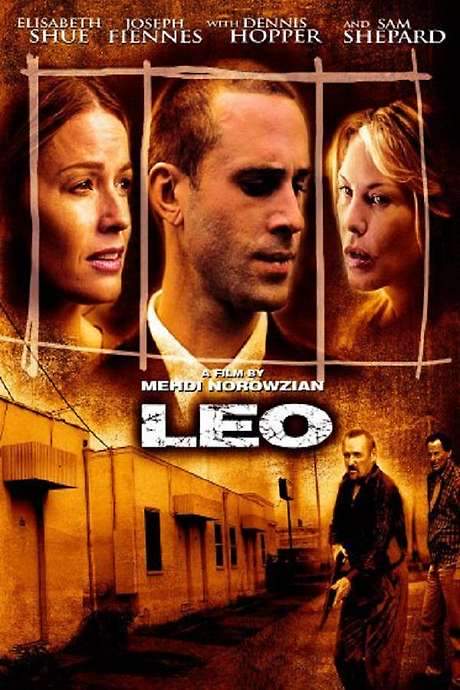
Leo (2002) Story Summary & Characters
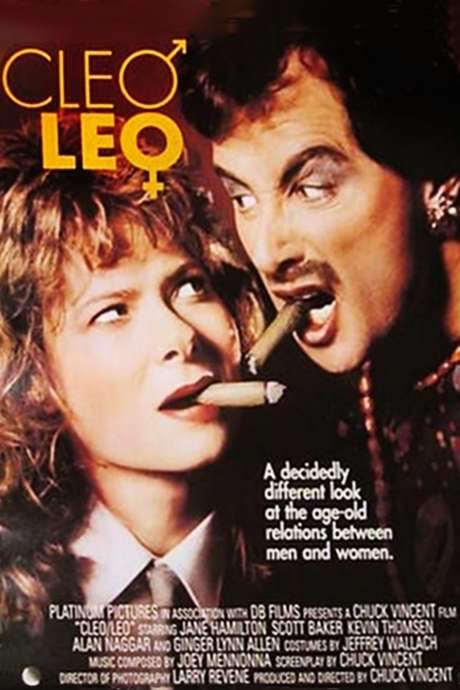
Cleo/Leo (1989) Complete Plot Breakdown
The Last of England (1987) Full Summary & Key Details
The Last Romantic Lover (1978) Full Summary & Key Details
The Last Word (2008) Film Overview & Timeline
The Last September (1999) Detailed Story Recap
The Last Good Time (1994) Plot Summary & Ending Explained
The Last of the High Kings (1996) Complete Plot Breakdown
The Last Woman (1976) Detailed Story Recap