Plot Explained Spoilers guaranteed!
Plot Explained

Browse by genre

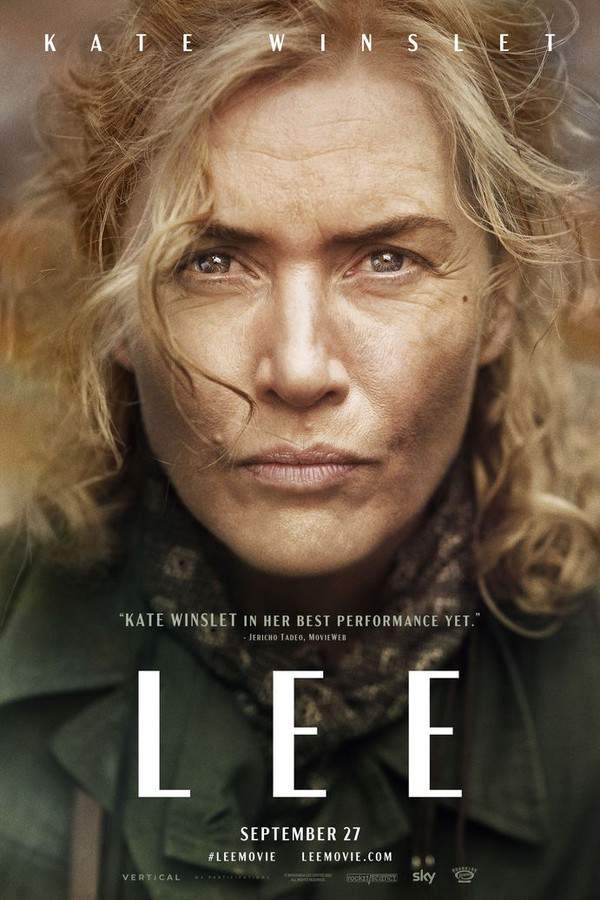
Lee (2024) movie poster

Ending Explained

Lee (2024) Ending Explained – Final Scene & Meaning

Release, runtime and language
2024 · 1 h 57 m · English
Echo score 72
Loading streaming availability…
Directed by
Ellen Kuras
Starring
James Murray, Marion Cotillard, Kate Winslet, Alexander Skarsgård, Andrea Riseborough, Noémie Merlant

This biographical drama explores the remarkable life of Lee Miller, a pioneering war correspondent and photographer. She fearlessly documented pivotal events of World War II, from the battlefields to the interiors of Nazi Germany, creating iconic and impactful imagery. The film showcases her unwavering spirit and artistic vision as she captured the human cost of conflict.

On this page (7)
  1. 1 Where to watch
  2. 2 What happens at the end
  3. 3 Final events in order
  4. 4 Ending questions answered
  5. 5 Movie threads
  6. 6 Movies like Lee
  7. 7 Every angle
Loading streaming availability…

Ending explained · contains spoilers

What Happens at the End of Lee?

How Lee (2024) ends, what the final scene means, which earlier moments set it up and how to read the ending if the film leaves it open. The full ending explained, with every spoiler.

In the final scenes of the film, Lee is shown being interviewed by her son, Anthony Penrose, in 1977, but it's revealed that this conversation is a product of his imagination—he's imagining a dialogue with his mother after discovering her photographs and writings. In reality, Lee had never fully shared the depth of her experiences as a war photographer with her family, especially her son. The interview scene serves as a symbolic reflection of her hidden past and her struggle with revealing her true self. Throughout her life, Lee carried the burden of her traumatic experiences, including witnessing the horrors of concentration camps and facing sexism during her career, which she kept mostly to herself. Her work gave her a voice to document history, but she often suppressed her own story because she felt she hadn’t achieved enough or was afraid of exposing her vulnerabilities.

The film ends with Anthony learning about his mother's true story posthumously, through photographs and notes she left behind—something he fully uncovers only after her death. Her son’s decision to become a photographer himself can be seen as a tribute to her and her courage, honoring her legacy even if she never openly shared her full life with him during her lifetime. The ending underscores the idea that Lee’s true story was one of bravery and resilience, buried beneath layers of silence and secrecy, which only later was fully understood and appreciated. It highlights how much of her incredible journey remained hidden during her life but ultimately became a powerful testament to her extraordinary strength and the importance of preserving personal histories.

Last updated: June 25, 2025 at 09:02

Was this helpful?

The last 4 events

How Lee Ends: The Final Events in Order

The last events of Lee (2024) in chronological order, the run-up to the ending explained above. The complete timeline has all 14 events, scene by scene.

Open the full timeline
  1. Post-War Discontent

    Upon her return to Britain after the war, Lee is frustrated to discover that her wartime photographs have been withheld from publication. The British censor's rationale is based on fears that the images would further traumatize a war-weary public.

    Where
    Britain
  2. Marriage and Motherhood

    Lee marries Roland Penrose in 1947, and shortly thereafter, their son, Antony, is born. This new chapter in her life highlights her transition from war correspondent to a mother, shaping her identity in unexpected ways.

    When
    1947
  3. Antony's Discovery

    Years later, Antony discovers the depth of his mother's wartime experiences and interviews her about the events that shaped her life. Their candid discussions open old wounds and reveal the lasting impact of war on families.

  4. Lee's Passing and Legacy

    Following Lee's death, Antony and his wife Suzanna discover hundreds of photographs and papers in her attic. They go on to establish the Lee Miller Archives, preserving her significant contribution to photography and history.

Ending questions answered

Lee Ending: Your Questions Answered

The questions people ask most about the ending of Lee (2024): what the final scene means, how the twist works, what happens to each character and how to read the ending. Each answer contains spoilers.

Q1

Why is the interview scene between Lee and her son imaginary?

The interview scene is revealed to be imaginary because it's actually Anthony imagining a conversation with his mother after her death. In reality, Lee never shared the full depth of her wartime experiences with her family. The imaginary interview represents Anthony's attempt to connect with a mother he never truly knew, and it symbolizes the void left by her silence about her past.

Foreshadowing: Earlier scenes show Lee deflecting personal questions about her experiences, hinting at her reluctance to open up.

  • lee miller
  • anthony penrose
  • imaginary interview
  • 1977
  • family secrets
Q2

Why did Lee keep her wartime experiences secret from her son?

Lee suppressed her own story because she felt she hadn't achieved enough and was afraid of exposing her vulnerabilities. Despite documenting some of history's most significant events, she carried feelings of inadequacy. Additionally, the traumatic experiences she witnessed, including concentration camps and the horrors of war, were so devastating that she found them difficult to articulate, choosing instead to bury them beneath layers of silence.

Foreshadowing: The film shows Lee struggling to express the weight of what she witnessed, often deflecting with humor or changing the subject.

  • lee miller
  • trauma
  • wwii
  • secretive
  • pTSD
  • war correspondent
Q3

What does Anthony discover about his mother after Lee's death?

After Lee's death, Anthony discovers her photographs and writings, materials she never fully shared with him during her lifetime. Through these artifacts, he learns about her extraordinary work as a war photographer, her coverage of concentration camps, and the sexism she faced in her career. This posthumous discovery allows him to finally understand the true scope of her experiences and legacy.

Foreshadowing: The film hints at boxes and notes Lee kept hidden, suggesting she was preserving her story even if she couldn't verbally share it.

  • anthony penrose
  • photographs
  • posthumous discovery
  • legacy
  • lee miller archives
Q4

Why does Anthony decide to become a photographer in the end?

Anthony's decision to become a photographer is presented as a tribute to his mother's legacy. After discovering the depth of her work and sacrifice, he chooses to honor her courage by following in her footsteps. This decision represents his way of connecting with the mother he never knew intimately while she was alive, and ensuring her story continues through his own artistic pursuit.

Foreshadowing: The film shows Anthony developing an interest in photography as he sorts through his mother's belongings after her death.

  • anthony penrose
  • photographer
  • tribute
  • legacy
  • family legacy
Q5

What does the ending say about Lee's legacy?

The ending underscores that Lee's true story was one of remarkable bravery and resilience, buried beneath layers of silence and secrecy during her lifetime. While she gave the world iconic images documenting history, she kept her own narrative hidden. Only after her death did her son fully appreciate the magnitude of her experiences. The film suggests her legacy was ultimately preserved, not through her own telling, but through the evidence she left behind.

Foreshadowing: Throughout the film, Lee's photographs are shown gaining historical significance, foreshadowing their lasting impact.

  • lee miller legacy
  • bravery
  • resilience
  • historical significance
  • photography
Q6

How did Lee's wartime trauma affect her throughout her life?

Lee carried the burden of traumatic experiences throughout her life, including witnessing the horrors of concentration camps and the brutal Battle of Saint-Malo. These experiences contributed to her struggles with alcoholism and prevented her from fully sharing her past. The weight of what she documented stayed with her, creating a barrier between her and her family that she never fully overcame.

Foreshadowing: The film depicts Lee drinking heavily and becoming emotionally distant after returning from wartime assignments.

  • trauma
  • ptsd
  • alcoholism
  • concentration camps
  • battle of saint-malo
  • lee miller
Q7

What is the significance of the 1977 frame story in the ending?

The 1977 frame story serves as a narrative device to show the disconnect between Lee and her family. By depicting an imaginary interview between Lee and Anthony in 1977, the film illustrates what never actually happened, real communication between mother and son about her experiences. This fictional scene highlights the tragedy of her silence and the missed opportunity for connection while she was alive.

Foreshadowing: The film opens with the 1977 interview setup, initially appearing to be a straightforward documentary conversation.

  • 1977 frame story
  • anthony penrose
  • time jump
  • documentary style
Q8

How did sexism affect Lee Miller's career and her perception of achievement?

Lee faced significant sexism during her career as a war photographer, which contributed to her feeling that she hadn't achieved enough. Despite her groundbreaking work, becoming one of the first female war correspondents and documenting major WWII events, she often felt her accomplishments were diminished. This internalized doubt, shaped by the gender discrimination she endured, kept her from believing she deserved to share her story with her family.

Foreshadowing: Earlier scenes show Lee fighting for assignments and respect in a male-dominated field, facing dismissiveness from colleagues and editors.

  • sexism
  • gender discrimination
  • war correspondent
  • female photographer
  • career struggles
Q9

Is the ending of Lee considered happy or sad?

The ending is bittersweet. While Lee's work is ultimately preserved and appreciated posthumously through her son's discovery, her personal life was marked by alcoholism, trauma, and the inability to connect with her family about her experiences. The emotional weight is heavy, with the preservation of her legacy providing some counterbalance to the sadness of her isolation and the tragedy of what remained hidden during her lifetime.

Foreshadowing: The film's overall dark tone and Lee's struggles with alcohol set up the melancholic nature of the resolution.

  • bittersweet ending
  • emotional tone
  • legacy preservation
  • ptsd
  • alcoholism

Movie threads

More Movies Like Lee, by Mood & Story

Curated lists built around what makes Lee tick: the same mood, the same kind of story or the same emotional payoff. Each list explains why these movies belong together.

Frontline Witness Stories like in Lee

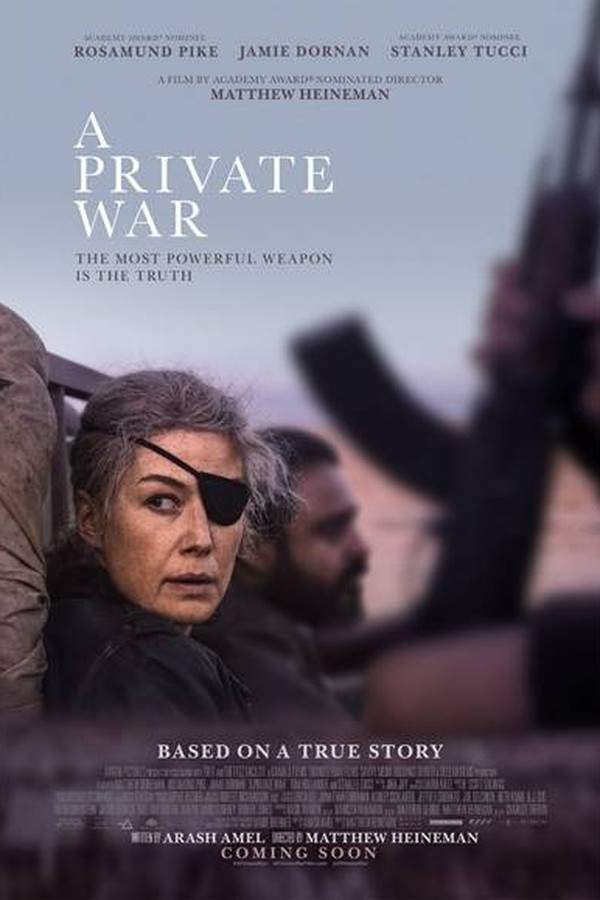
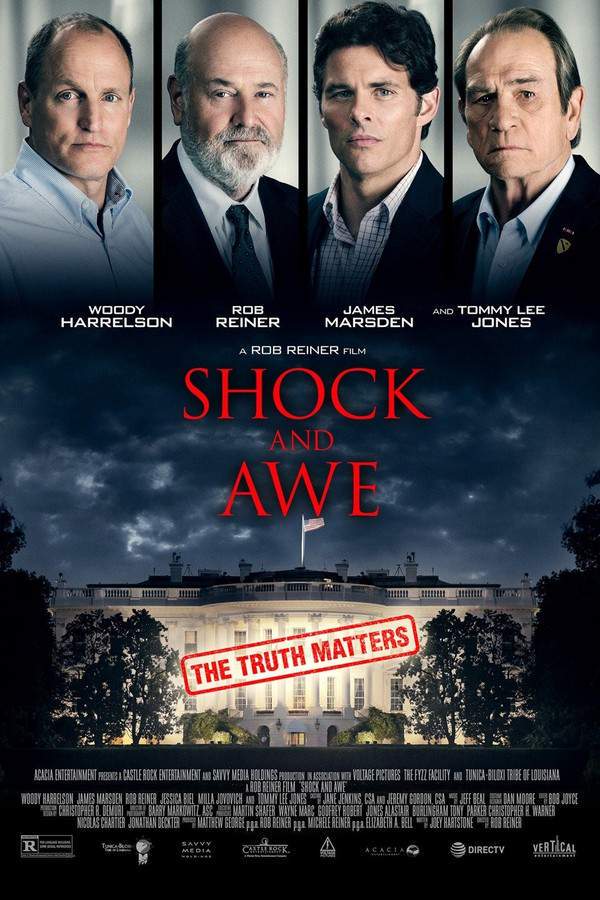
Gritty films about journalists documenting the brutal reality of conflict. Explore more movies like Lee that focus on war correspondents and photojournalists. If you were captivated by the gritty reality of documenting conflict, these similar biographies and historical dramas show the courage and trauma of those who risk everything to tell the truth.

  • gritty
  • urgent
  • traumatic
  • resilient
  • documentary-like
  • tense
  • Tone: dark, urgent, somber
  • Pacing: steady, immersive
Why these movies?

The story pattern: These narratives typically follow a protagonist driven by a mission to document or report on a conflict. The journey involves moving from observer to deeply affected participant, grappling with the moral weight of their work and often suffering from PTSD or other forms of trauma as a result of their experiences.

Why they belong together: Movies in this thread are grouped by their shared focus on the journalistic perspective of war. They possess a high intensity and dark tone, balancing the relentless tension of the frontline with the heavy emotional burden of survival and the bittersweet legacy of bearing witness.
Movies about Trauma and Legacy like Lee

Stories where profound trauma is channeled into an enduring, complex legacy. Discover films similar to Lee that explore the bittersweet connection between deep personal trauma and a lasting artistic or historical legacy. If you appreciated the heavy emotional weight and how Lee's painful experiences shaped her iconic work, these movies offer comparable journeys.

  • somber
  • traumatic
  • reflective
  • bittersweet
  • heavy
  • resilient
  • Tone: somber, bittersweet, reflective
  • Pacing: steady, character-driven
Why these movies?

The story pattern: The narrative pattern involves a character surviving a harrowing ordeal, which becomes the catalyst for their life's work. The story juxtaposes their personal struggles with PTSD, addiction, or alienation against the undeniable importance and beauty of the legacy they leave behind, creating a powerful emotional tension.

Why they belong together: These films share a specific emotional mix: high scores for sadness and tension, coupled with a bittersweet ending feel. They are united by a steady pacing that allows for deep character study, focusing on the heavy emotional weight of transforming pain into purpose.

If you liked this

Movies Like Lee

Similar movies to Lee: the same genre, themes or kind of story. Each one comes with its own plot summary, timeline and ending explained.

Browse all movie summaries

Every angle

Lee (2024) Explained: Plot, Ending, Timeline & Characters

Everything about Lee in one place: what happens in the plot summary, the timeline in chronological order, the characters and meaning, the ending explained and a spoiler-free summary. What's After the Movie adds the cast, box office and post-credit scenes.

Coming soon on iOS and Android

The Plot Explained Movie Summary App

Plot summaries, endings explained and timelines on your phone. Catch up on any movie in minutes, save your favorites and never miss a twist again.

Be the first to know when we launch. Your email stays private, always.

Learn more about the app