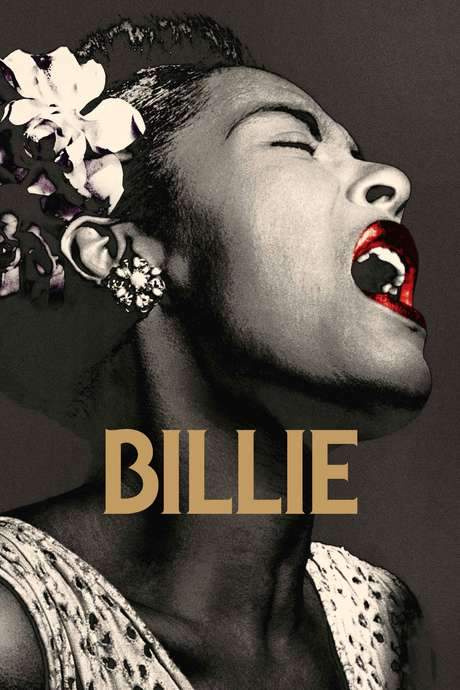
Lady Sings the Blues

Lady Sings the Blues

Year: 1972

Runtime: 144 mins

Language: English

Director: Sidney J. Furie

DramaMusic

The film follows the turbulent life of legendary blues singer Billie Holiday, from a traumatic childhood and early attempts at a singing career to her meteoric rise to stardom. It portrays her complex relationship with boyfriend‑manager Louis McKay and the devastating impact of her drug addiction, which threatens both her career and her life.

Warning: spoilers below!

Haven’t seen Lady Sings the Blues yet? This summary contains major spoilers. Bookmark the page, watch the movie, and come back for the full breakdown. If you're ready, scroll on and relive the story!

Timeline & Setting – Lady Sings the Blues (1972)

Explore the full timeline and setting of Lady Sings the Blues (1972). Follow every major event in chronological order and see how the environment shapes the story, characters, and dramatic tension.

Time period

1928–1959

The story spans from Billie’s emergence in 1928 through the mid-20th century, capturing eras of Prohibition-era clubs, the Great Depression, radio and touring circuits, and the nightclub revival. It charts the highs of fame alongside personal and legal troubles, culminating in her final years. The period is defined by racial barriers, sensational fame, and the enduring power of jazz and blues.

Location

Baltimore, Harlem (New York City)

The film opens in Baltimore's rough, port-town nights of the late 1920s, where Billie begins in a brothel-linked environment. It then follows her into Harlem's bustling nightclub scene in New York, where she moves between venues, auditions, and the music that will define her voice. These urban spaces—Baltimore and Harlem—frame her brutal beginnings and the hedonistic, dangerous world of early jazz clubs.

🎷 Jazz hubs 🏙️ Urban nightlife 🎭 Club culture

Last Updated: October 04, 2025 at 16:52

Main Characters – Lady Sings the Blues (1972)

Meet the key characters of Lady Sings the Blues (1972), with detailed profiles, motivations, and roles in the plot. Understand their emotional journeys and what they reveal about the film’s deeper themes.

Billie Holiday (Diana Ross)

An exceptionally resilient, raw-voiced singer whose artistry shines through brutal circumstances. She navigates poverty, exploitation, and addiction while shaping a radical, emotionally honest style. Her music acts as both shield and statement in a segregated society.

🎤 Singer 🎭 Icon 💔 Struggler

Louis McKay (Billy Dee Williams)

Billie’s manager and partner whose loyalty and pragmatism help sustain her through turmoil. He provides financial support and strategic guidance, sometimes clashing with Billie’s independence. His influence anchors both her personal life and her evolving career.

💼 Manager 💑 Partner

Piano Man (Richard Pryor)

A on-stage ally and drug contact who embodies the drug trade's grip on Billie’s life. His presence highlights how substance networks fuel cycles of risk and vulnerability. His arc underscores the danger surrounding her rising career.

🎹 Musician 💊 Drug connection

Reg Hanley (James T. Callahan)

A stern yet talented bandleader who discovers Billie and pushes her onto bigger stages. He negotiates tours and radio opportunities, shaping both her rise and the pressures that follow. The dynamic with Reg frames the tension between artistic ambition and commercial demands.

🎙️ Leader 🎯 Promoter

The Doctor (Milton Selzer)

A compassionate physician who treats Billie during withdrawal and recovery attempts. His interventions reveal both the medical system’s limits and the personal costs of addiction. He plays a crucial role in stabilizing her when she seeks to reclaim her career.

👩‍⚕️ Doctor 🩺 Caregiver

Paul Maitre d' (Paul Micale)

The maître d' at key venues who manages Billie’s appearances and ensures her performances run smoothly. He represents the nightlife industry’s gatekeeping, balancing showmanship with backstage hierarchy. His role offers a window into the social machinery propelling her career.

🎩 Staff 🗂️ Gatekeeper

Last Updated: October 04, 2025 at 16:52

Major Themes – Lady Sings the Blues (1972)

Explore the central themes of Lady Sings the Blues (1972), from psychological, social, and emotional dimensions to philosophical messages. Understand what the film is really saying beneath the surface.

🎤 Rising Fame

Billie's extraordinary talent propels her from obscurity to the spotlight, but fame arrives with intense scrutiny. The film tracks her first breakthroughs in clubs and tours, while exposing exploitation and the fragility of personal relationships. Fame reshapes her identity and sense of self as the music remains a core through-line.

💊 Addiction & Recovery

Drug use emerges as both coping mechanism and trap, driving cycles of dependency and withdrawal. The narrative shows medical and personal challenges, including arrest and treatment attempts, with stark realism. Relationships strain under addiction, yet a will to recover persists.

🎷 Music & Identity

Her voice becomes a symbol of personal and cultural identity beyond conventional norms. The film emphasizes how Billie uses music to navigate turmoil and to express resilience. Her songs redefine jazz and become a lasting legacy in American cultural history.

Last Updated: October 04, 2025 at 16:52

Mobile App Preview

Coming soon on iOS and Android

The Plot Explained Mobile App

From blockbusters to hidden gems — dive into movie stories anytime, anywhere. Save your favorites, discover plots faster, and never miss a twist again.

Sign up to be the first to know when we launch. Your email stays private — always.

Explore Movie Threads

Discover curated groups of movies connected by mood, themes, and story style. Browse collections built around emotion, atmosphere, and narrative focus to easily find films that match what you feel like watching right now.

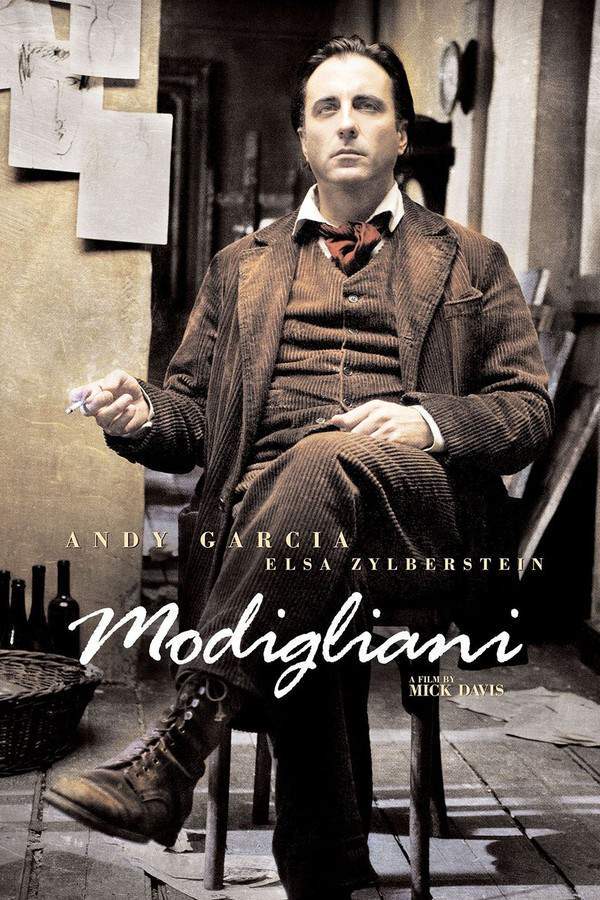
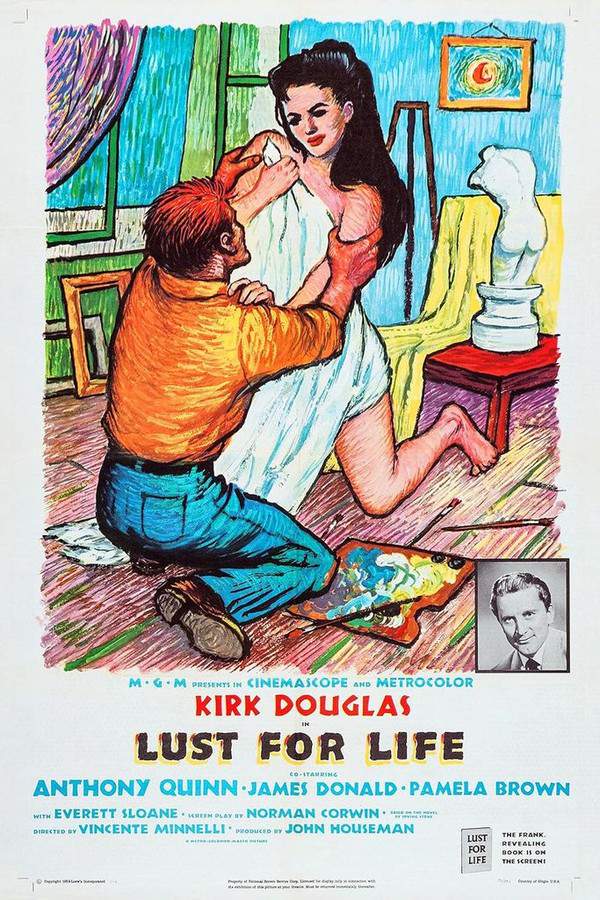
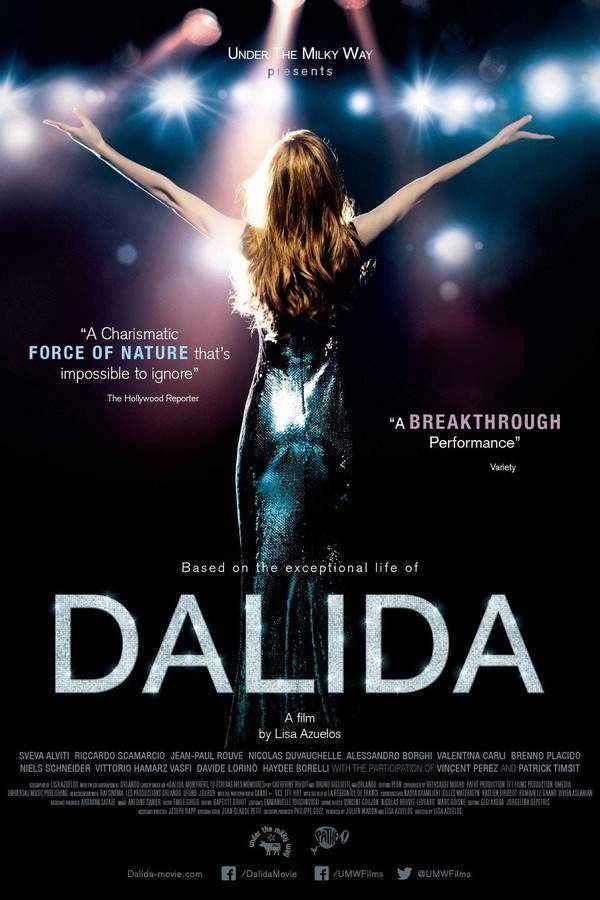
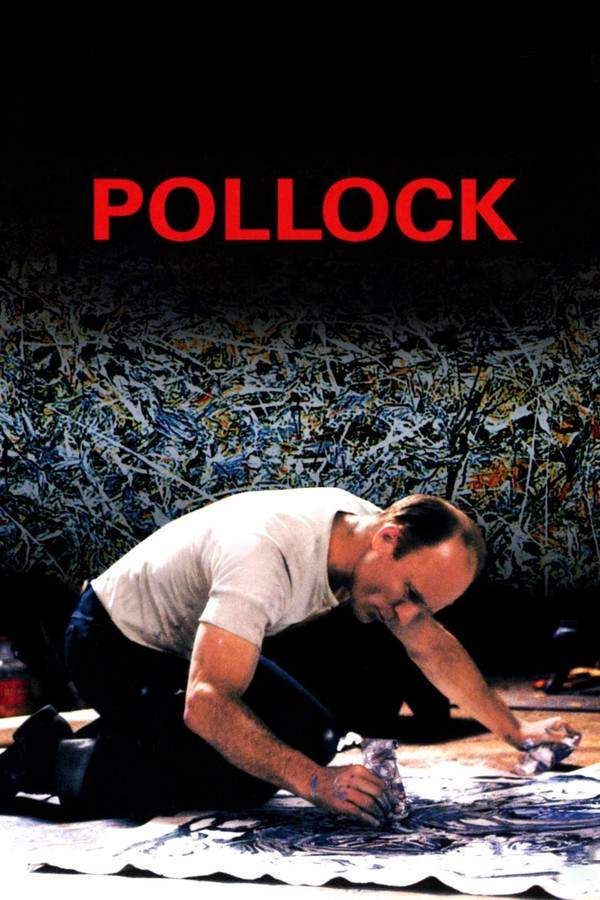
Movies about tragic artists like Lady Sings the Blues

The harrowing rise and inevitable fall of brilliant but self-destructive creators.If you were moved by the tragic story of Billie Holiday in Lady Sings the Blues, explore other movies like it. This collection features similar biographical dramas about legendary musicians, writers, and artists whose lives were marked by brilliance, struggle, and a heartbreaking downfall.

tragicharrowingsomberemotionalgrittymelancholicintensedevastating

Narrative Summary

These narratives typically follow a chronological trajectory from early struggle to meteoric success, but the centerpiece is the protagonist's internal and external battles. The story structure emphasizes how fame exacerbates their vulnerabilities, leading to a dramatic decline that overshadows their artistic achievements, culminating in a sad or bleak ending.

Why These Movies?

Movies are grouped here for their shared commitment to portraying the dark side of genius. They share a heavy emotional weight, a melancholic tone, and a focus on the psychological cost of artistry, making them a cohesive experience for viewers interested in profound, tragic life stories.

Emotionally heavy dramas like Lady Sings the Blues

Steady-paced, intense character studies where trauma leads to an inevitable tragic end.For viewers seeking movies with the same heavy, melancholic vibe as Lady Sings the Blues. Discover similar emotional dramas that explore deep trauma, addiction, and tragic downfall, offering a somber, intense, and cathartic viewing experience for those who appreciate gritty realism.

melancholicgrittyharrowingsomberintenseemotionaldevastatingtragic

Narrative Summary

The narrative pattern is one of accumulation rather than sudden shocks. A character burdened by past or present trauma navigates a world stacked against them. The story methodically charts their struggle, often with fleeting moments of hope, but ultimately moves toward a collapse that feels both tragic and inevitable, emphasizing the lingering impact of pain.

Why These Movies?

These films are united by their dominant mood: a persistent, deep-seated melancholy. They share a high emotional intensity, a steady pacing that builds dread, and a commitment to unflinchingly portraying heavy themes like grief and addiction, creating a consistently somber and powerful vibe.

Unlock the Full Story of Lady Sings the Blues

Don't stop at just watching — explore Lady Sings the Blues in full detail. From the complete plot summary and scene-by-scene timeline to character breakdowns, thematic analysis, and a deep dive into the ending — every page helps you truly understand what Lady Sings the Blues is all about. Plus, discover what's next after the movie.

Lady Sings the Blues Summary

Read a complete plot summary of Lady Sings the Blues, including all key story points, character arcs, and turning points. This in-depth recap is ideal for understanding the narrative structure or reviewing what happened in the movie.

Lady Sings the Blues Summary

Lady Sings the Blues Timeline

Track the full timeline of Lady Sings the Blues with every major event arranged chronologically. Perfect for decoding non-linear storytelling, flashbacks, or parallel narratives with a clear scene-by-scene breakdown.

Lady Sings the Blues Timeline

Lady Sings the Blues Spoiler-Free Summary

Get a quick, spoiler-free overview of Lady Sings the Blues that covers the main plot points and key details without revealing any major twists or spoilers. Perfect for those who want to know what to expect before diving in.

Lady Sings the Blues Spoiler-Free Summary

More About Lady Sings the Blues

Visit What's After the Movie to explore more about Lady Sings the Blues: box office results, cast and crew info, production details, post-credit scenes, and external links — all in one place for movie fans and researchers.

More About Lady Sings the Blues

Similar Movies to Lady Sings the Blues

Discover movies like Lady Sings the Blues that share similar genres, themes, and storytelling elements. Whether you’re drawn to the atmosphere, character arcs, or plot structure, these curated recommendations will help you explore more films you’ll love.