A vivid look at the burlesque scene follows veteran performer May and her daughter Peggy, who chorus‑dance together. After a dispute with headliner Bubbles, Bubbles quits and Peggy steps into the spotlight. Peggy then falls for wealthy Randy, prompting May to worry that their class gap could bring hardship.
Find where to stream, rent, or buy Ladies of the Chorus (1948) in the US with current JustWatch availability, up-to-date pricing, and platform listings for subscription, rental, and digital purchase options.
Warning: spoilers below!
Haven’t seen Ladies of the Chorus yet? This summary contains major spoilers. Bookmark the page, watch the movie, and come back for the full breakdown. If you're ready, scroll on and relive the story!
Explore the full timeline and setting of Ladies of the Chorus (1948). Follow every major event in chronological order and see how the environment shapes the story, characters, and dramatic tension.
Last updated: October 04, 2025 at 15:21
Meet the key characters of Ladies of the Chorus (1948), with detailed profiles, motivations, and roles in the plot. Understand their emotional journeys and what they reveal about the film’s deeper themes.
Last updated: October 04, 2025 at 15:21
Explore the central themes of Ladies of the Chorus (1948), from psychological, social, and emotional dimensions to philosophical messages. Understand what the film is really saying beneath the surface.
Last updated: October 04, 2025 at 15:21
Browse frequently asked questions about Ladies of the Chorus (1948) focused on characters, relationships, themes, symbols, setting, and story context. This movie info FAQ gives spoiler-aware explanations for character arcs, world details, and thematic interpretation so readers can better understand what the film is really about.
The film is set in Cleveland, Ohio, primarily around a burlesque theatre where the story unfolds. The city serves as a backdrop where performers and wealthy patrons intersect, highlighting the tensions between showbiz life and upper-class expectations.
The narrative is set in the early 1940s, a period when American show business and socialites shaped public perception. The era's emphasis on appearances and propriety influences how characters navigate romance and career opportunities.
Peggy Martin is a talented chorus girl portrayed by Marilyn Monroe who rises to become a headlining star. Her charm and ambition drive her ascent in the burlesque world, while her romance with wealthy Randy Carroll exposes her to class tensions and the judgments of high society.
Mae Martin is Peggy's mother and fellow dancer, played by Adele Jergens. She is pragmatic and protective, guiding Peggy toward a stable future while warning about class differences. Mae supports her daughter's dreams while navigating the expectations of wealth and respectability.
Randy Carroll is a member of wealthy Cleveland society who falls for Peggy. He must confront his privilege and face family disapproval while hoping to win Peggy's hand despite the significant class barriers between them.
The Love & Class theme explores how Peggy's romance with Randy crosses a stark social boundary, prompting questions about who deserves happiness beyond wealth and status. Mae worries about Peggy's future while supporting her daughter's desires, and the relationship tests family loyalty against the pressure to conform to respectable society.
This theme follows Peggy's journey from chorus line to headline act, exposing the fragility and glamour of showbiz. The film treats performance as both a mask and a means to redefine one's place in society, exploring who Peggy truly is versus who she appears to be through her performances.
The Family & Loyalty theme centers on Mae's protective instinct for Peggy, demonstrating determined maternal loyalty even when bending expectations. Adele's social maneuvering reveals a different loyalty, to family reputation and future security. The story resolves in a double celebration that cements family bonds alongside romantic union.
The burlesque theatre serves as the central setting and arena for Peggy's rise from chorus girl to headlining star. It represents a world where performers and wealthy patrons intersect, creating a backdrop that highlights tensions between showbiz life and upper-class expectations.
Adele Carroll is Randy's mother, a socialite who orchestrates social events to shape her son's future. She engineers the engagement party and ultimately supports the union, even manipulating circumstances to help Peggy and Randy. Her actions reveal a blend of protection and strategic maneuvering within upper-class circles.
Bubbles LaRue is the glamorous burlesque star who embodies the show's glitter and tension. As the existing headliner, she recognizes Peggy's potential and serves as a catalyst in the entertainment world that shapes Peggy's ascent, representing the allure and rivalry within the chorus world.
The film addresses class differences through Peggy's relationship with wealthy Randy, exploring the tension between showbiz life and upper-class expectations. The conflict is resolved through mutual acceptance and clever manipulation by the mother-in-law character, rather than prolonged angst, leading to an unambiguously happy ending.
Discover curated groups of movies connected by mood, themes, and story style. Browse collections built around emotion, atmosphere, and narrative focus to easily find films that match what you feel like watching right now.
Charming stories where love triumphantly bridges different social worlds.Find more movies like Ladies of the Chorus that explore romantic connections across social classes. If you enjoyed the gentle, optimistic story of Peggy and Randy, you'll love these similar romance films where love conquers all obstacles for a happy ending.
Stories in this thread typically follow a character from a humble background who falls for someone of wealth or higher status. The central conflict involves societal judgment or family concerns, but these obstacles are resolved through heartfelt gestures, character integrity, and a firm belief in the relationship, leading to an unambiguously joyful conclusion.
These movies are grouped together because they share a core belief in optimistic romance, a light emotional touch when handling class issues, and a narrative that prioritizes warmth and acceptance over heavy drama, creating a consistently comforting and uplifting viewing experience.
Uplifting and gentle dramas set behind the curtains of the entertainment world.Discover more gentle movies like Ladies of the Chorus that take you behind the scenes of entertainment. These similar films offer a sentimental, optimistic look at the lives of performers, with a focus on light drama and uplifting resolutions rather than intense corruption or tragedy.
Narratives often follow a newcomer's rise within a performance troupe, supported by a veteran, with conflicts arising from professional rivalry or personal doubts. These stories are resolved positively, reinforcing themes of belonging, acceptance, and the joy of performing, all while maintaining a warm, backstage atmosphere.
These films are connected by their shared setting in the performing arts world, a consistently light and sentimental tone, and a focus on positive, character-driven conflicts that are resolved optimistically, providing a comforting glimpse behind the curtain.
Don't stop at just watching - explore Ladies of the Chorus in full detail. From the complete plot summary and scene-by-scene timeline to character breakdowns, thematic analysis, and a deep dive into the ending - every page helps you truly understand what Ladies of the Chorus is all about. Plus, discover what's next after the movie.
Read a complete plot summary of Ladies of the Chorus, including all key story points, character arcs, and turning points. This in-depth recap is ideal for understanding the narrative structure or reviewing what happened in the movie.
Track the full timeline of Ladies of the Chorus with every major event arranged chronologically. Perfect for decoding non-linear storytelling, flashbacks, or parallel narratives with a clear scene-by-scene breakdown.
Discover movies like Ladies of the Chorus that share similar genres, themes, and storytelling elements. Whether you’re drawn to the atmosphere, character arcs, or plot structure, these curated recommendations will help you explore more films you’ll love.
Ladies of the Chorus (1948) Plot Summary & Movie Recap
Ladies of the Chorus (1948) Scene-by-Scene Movie Timeline
Ladies of the Chorus (1948) Spoiler-Free Summary & Key Flow
Movies Like Ladies of the Chorus – Similar Titles You’ll Enjoy
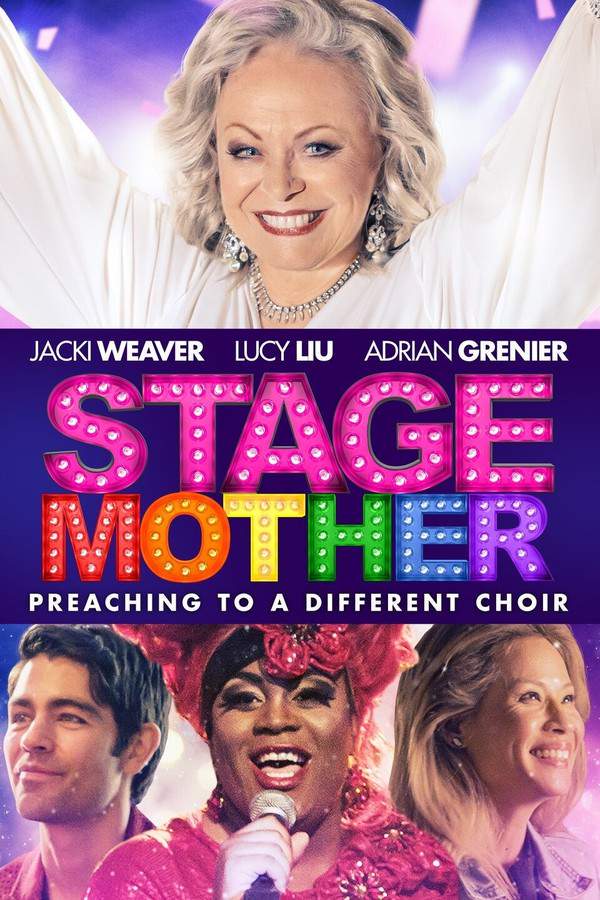
Stage Mother (2020) Movie Recap & Themes
Burlesque (2010) Film Overview & Timeline
Broadway Babies (1929) Complete Plot Breakdown
Our Dancing Daughters (1928) Ending Explained & Film Insights
Lady by Choice (1934) Full Movie Breakdown
Ladies Crave Excitement (1935) Film Overview & Timeline
Three Daring Daughters (1948) Full Summary & Key Details
Lady of Burlesque (1943) Story Summary & Characters
Pretty Ladies (1925) Ending Explained & Film Insights
Dancing Lady (1933) Detailed Story Recap
Gentlemen Marry Brunettes (1955) Ending Explained & Film Insights
Funny Lady (1975) Complete Plot Breakdown
Ladies of Leisure (1930) Full Summary & Key Details
Ladies Must Love (1933) Ending Explained & Film Insights
Dames (1934) Detailed Story Recap